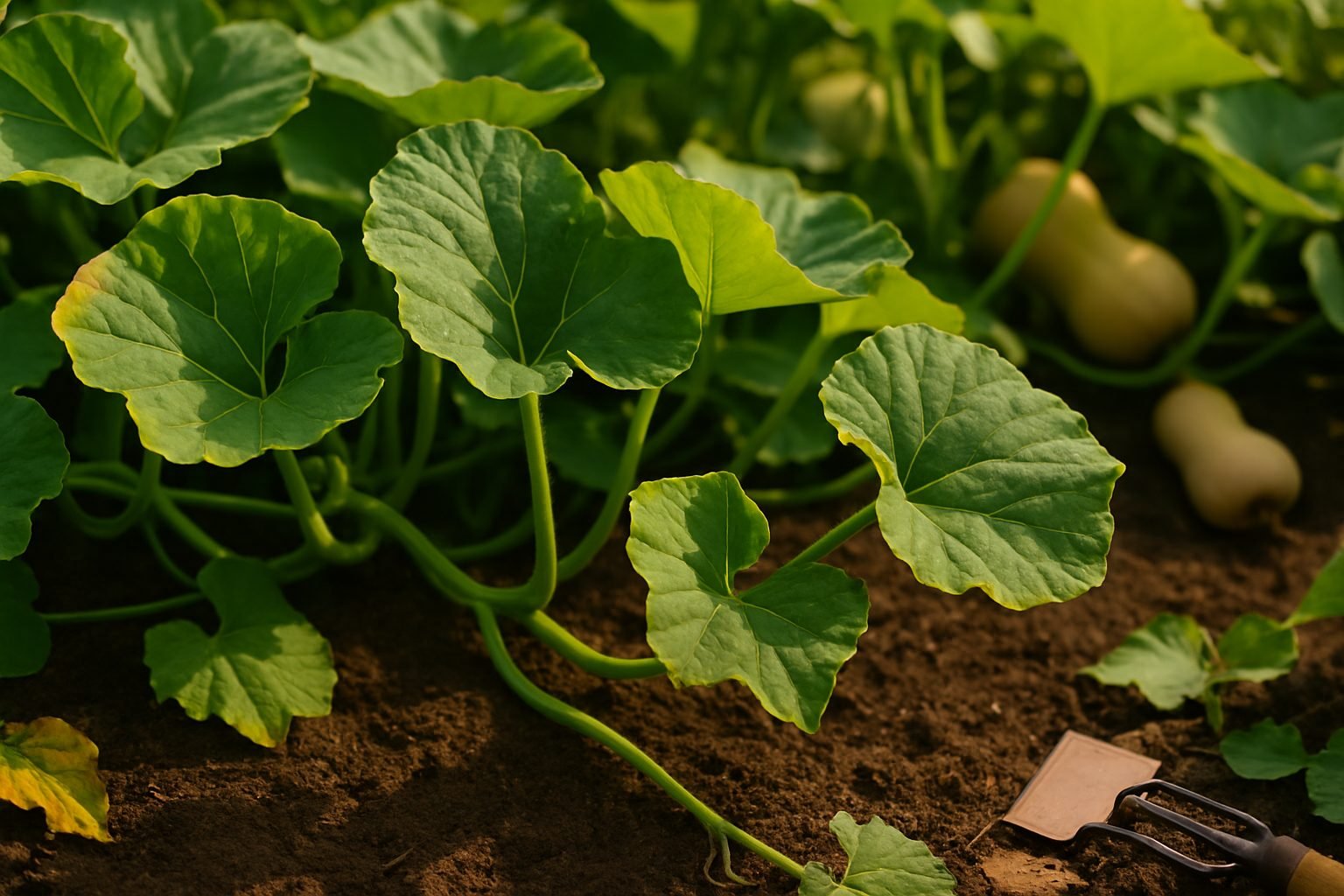
Introduction to Yellowing and Droopy Leaves in Butternut Pumpkin Plants
If you’ve noticed yellow pumpkin leaves on your butternut pumpkin plants, you’re not alone—yellowing and droopy foliage is a common issue that can leave many gardeners feeling concerned. Early attention is crucial; these symptoms often signal underlying problems that, if ignored, can quickly spread and affect your entire harvest.
Whether you’re dealing with a few fading leaves or your plant is suddenly drooping, knowing what to look for and how to act can make all the difference. In this article, we’ll explore the most frequent causes of yellow pumpkin leaves, from watering woes and nutrient deficiencies to pests and diseases.
You’ll learn practical tips on diagnosing the problem, step-by-step fixes, and straightforward prevention strategies used by experienced growers. With the right know-how, you can restore your butternut pumpkin plants to vibrant health and boost your chances of a bountiful crop.
Recognizing the Signs: When Leaves Turn Yellow or Droop
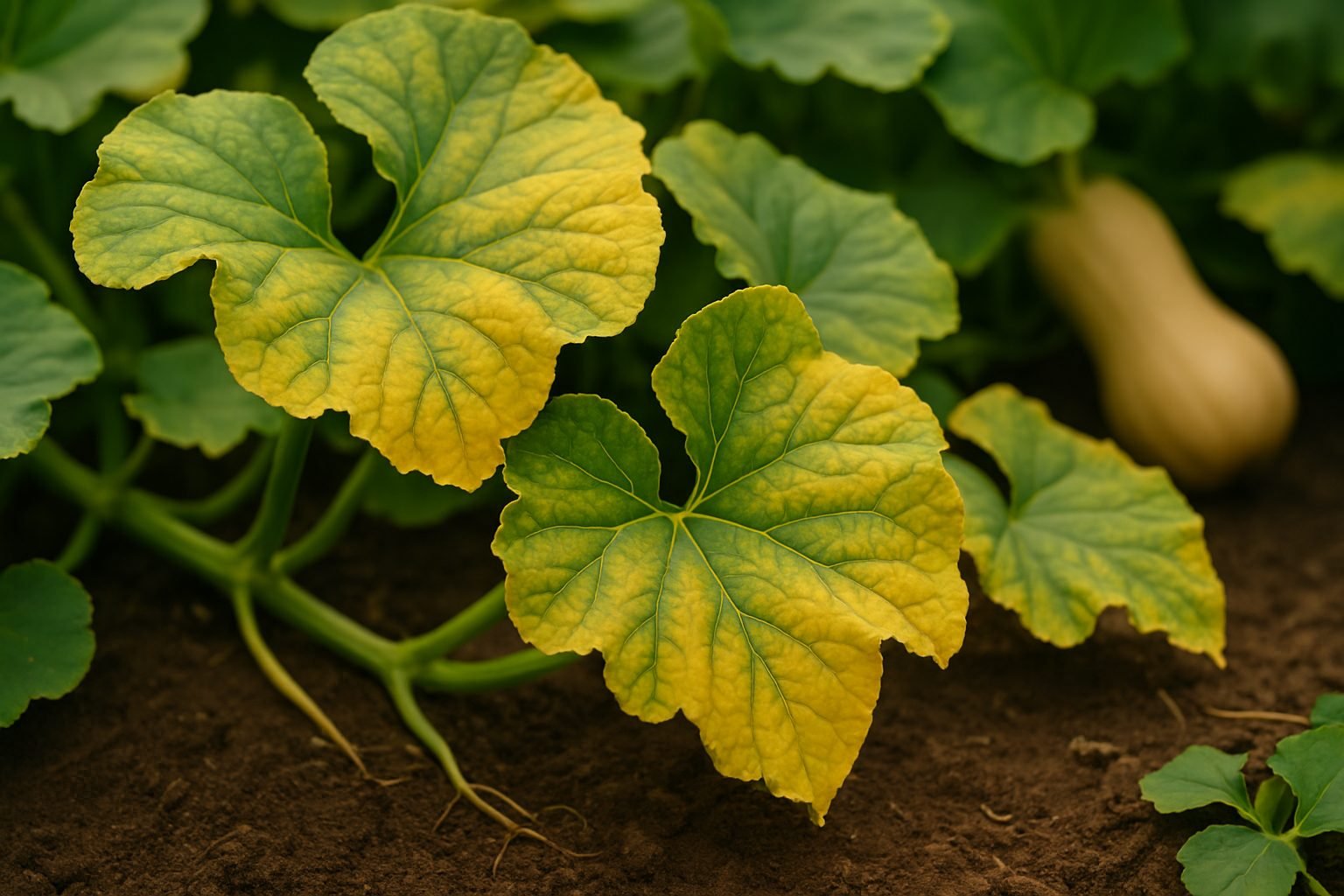
Yellowing or drooping leaves on butternut pumpkin plants can signal trouble, especially when these changes stand out from normal growth patterns. While it’s normal for older leaves at the base of the vine to yellow and die off as the plant matures or the seasons shift, widespread yellowing—especially starting with the younger leaves—often indicates a problem such as nutrient deficiencies, pests, or improper watering.
Look for visual cues like uneven yellow patches, curling leaf edges, or a droopy appearance in the middle of the day when the plant shouldn’t be wilting. Unlike the gradual browning and crisping of natural aging, problem leaves may look blotchy, limp, or show yellow veins while the leaf tissue remains green, hinting at specific issues like magnesium or iron deficiencies.
If you notice yellowing that spreads quickly up the vine, or if leaves droop persistently even after watering, it could point to root rot or wilt diseases. Early detection is key—by spotting color changes or unusual leaf posture quickly, you’ll give your butternut pumpkin the best chance to recover.
Regular walks through your garden to observe the color and perkiness of leaves can help you spot problems before they hurt your harvest.
Common Causes for Yellow and Droopy Leaves
Yellow and droopy leaves often signal that your plant is unhappy, and the most common culprit is watering—either too much or too little. Overwatering can suffocate roots and lead to soggy soil, causing leaves to droop and turn yellow. On the other hand, underwatering leaves them limp and dry.
Extreme temperatures, whether too hot or too cold, can also stress plants. Heat may scorch leaves, while sudden chills can shock them, both resulting in yellowing. Poor drainage makes things worse, as stagnant water around roots encourages root rot and fungal growth.
Nutrient deficiencies are another frequent cause. A lack of nitrogen often starts with older leaves yellowing and dropping off, while a magnesium shortage shows up as yellowing between leaf veins. Potassium deficiency can cause leaf edges to yellow and curl.
Besides these environmental and nutritional factors, pests like aphids or spider mites suck the sap from leaves, causing them to yellow, wilt, or curl. Diseases are also a threat—fungal issues like root rot or powdery mildew usually lead to spots and yellow patches, while bacterial infections can cause yellow halos or drooping. Viral diseases might show mottled, streaky patterns beyond just yellowing.
Each cause affects plants differently, but paying attention to leaf color, texture, and pattern can help you zero in on the problem. This makes it easier to take the right steps to nurse your plant back to health.
Tips to Care for Your Plant
- Check soil moisture with your finger before watering.
- Use a well-draining potting mix.
- Monitor the temperature in your plant’s environment.
- Regularly inspect both sides of leaves for pests or unusual spots.
Diagnosing the Problem: Step-by-Step Guide
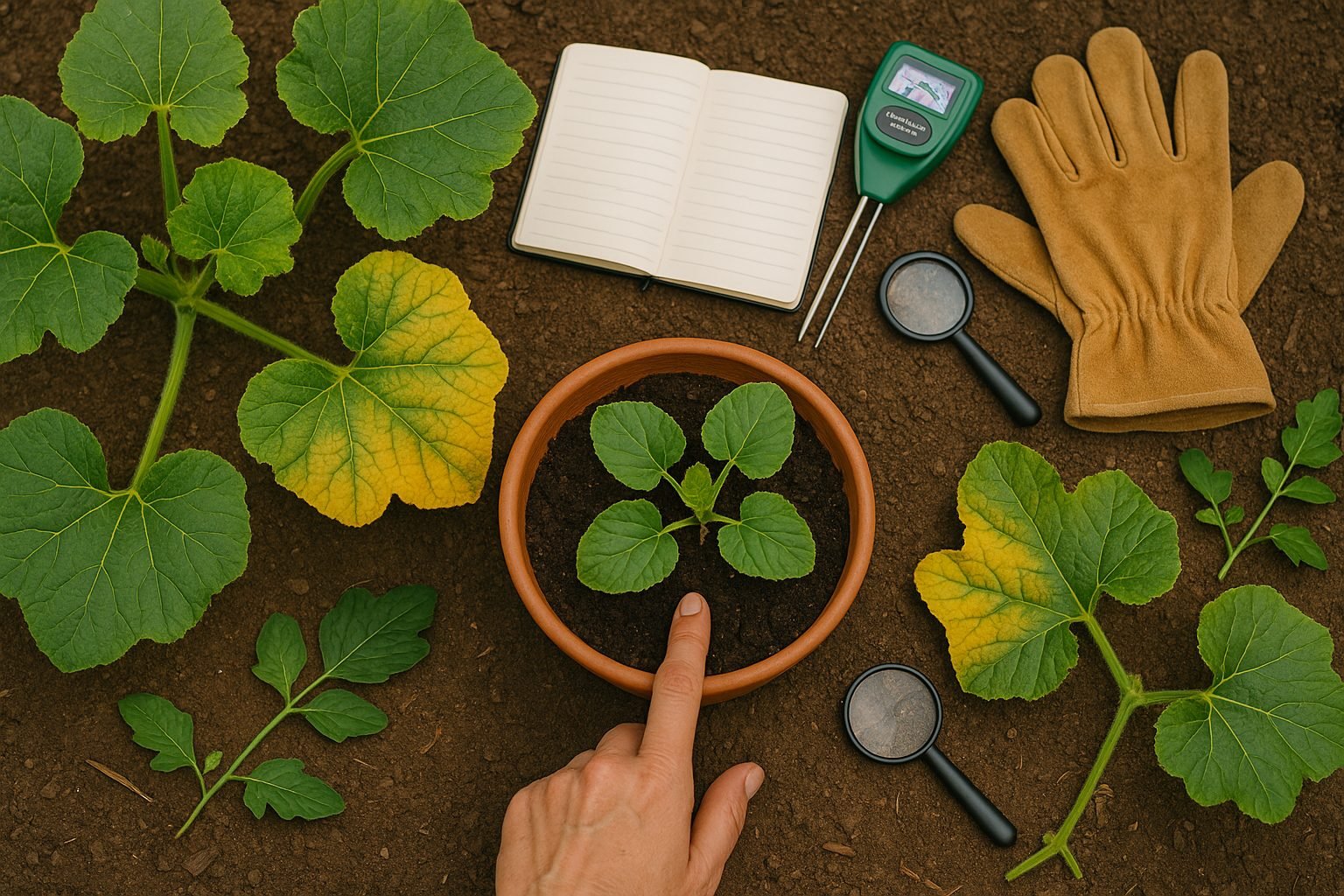
When your plant looks unhappy, a systematic approach helps pinpoint the issue quickly. Start by checking the soil moisture: stick your finger about an inch deep into the soil. If it feels soggy, overwatering might be the culprit; if it’s bone dry, underwatering is likely.
Next, examine the leaves—yellowing often signals too much water or a nutrient issue, while spots or holes indicate possible pest infestations. Flip a leaf over and look for tiny bugs or residue along the veins.
For root health, gently lift the plant from its pot and inspect the roots: healthy roots are white and firm; brown or mushy roots could mean rot from excess moisture.
To rule out nutrient deficiencies, look for telltale signs like pale leaves (a possible nitrogen shortage) or purplish hues (a potential phosphorus lack).
Keep a notebook of symptoms and changes for each plant so you can spot patterns over time. If you suspect pests, try washing leaves with a mild soap spray—a simple, effective first step.
With these quick checks, even beginners can feel confident diagnosing plant problems and taking action before damage becomes severe.
Effective Solutions to Restore Healthy Leaves
Reviving unhealthy leaves starts by pinpointing the underlying issue and taking targeted action.
For overwatering, let the soil dry out completely before watering again, and ensure your pot has drainage holes; placing plants in brighter spots can also help excess moisture evaporate.
If leaves are yellowing or wilting from underwatering, gradually reintroduce regular, moderate watering—checking soil moisture with your finger to avoid future shock.
Compacted or depleted soil is a common culprit; refresh it by mixing in organic compost or gently repotting with fresh soil to boost nutrients and aeration.
If pests like spider mites or aphids appear, rinse leaves with a spray of water and treat persistent outbreaks with insecticidal soap or neem oil.
For fungal or bacterial diseases, increase airflow around the plant, avoid wetting leaves during watering, and remove only the most heavily affected leaves to prevent spreading.
As a general rule, prune brown or mushy leaves with sterilized scissors, but allow minorly spotted or slightly yellowing leaves to recover on their own, as they still provide energy.
Going forward, monitor your plant closely, tweak care routines seasonally, and avoid abrupt changes that may stress the plant, helping ensure lush, healthy growth in the future.
Prevention Tips for Year-Round Green Leaves
Keeping your butternut pumpkin plants lush and green all year starts with regular, intentional care. Make it a habit to walk through your garden each week to catch early signs of trouble like yellowing, curling, or drooping leaves—these could indicate issues with watering, pests, or nutrient balance.
Use well-draining soil and water the plants deeply but less frequently to prevent root rot and keep leaves healthy; let the top inch or two of soil dry out before watering again. For fertilizing, stick to a balanced fertilizer every four to six weeks, but don’t over-fertilize—too much nitrogen can cause rapid growth at the expense of fruit and overall plant health. Incorporate organic matter like compost to boost soil quality naturally.
For pest control, check the undersides of leaves for aphids, squash bugs, and powdery mildew, and remove affected leaves promptly. Natural options such as neem oil or introducing ladybugs can help keep pest levels in check. Finally, rotate your crops each season to reduce disease build-up in the soil.
By combining regular observation with thoughtful feeding and simple pest management, you’ll set your butternut pumpkins up to thrive with healthy, green leaves all season long.
Conclusion & Further Resources
Recognizing issues early, diagnosing them accurately, and providing consistent care are key to keeping your butternut pumpkins healthy and productive. Staying vigilant—checking leaves for pests, monitoring soil moisture, and removing weeds regularly—can prevent small problems from becoming big ones. Don’t let minor changes go unnoticed; a proactive approach saves both time and plants.
For those wanting to dive deeper, guides from local agricultural extensions, books like The Vegetable Gardener’s Bible, and online communities such as gardening forums or university horticulture pages offer excellent resources for advanced butternut pumpkin care tips and troubleshooting.