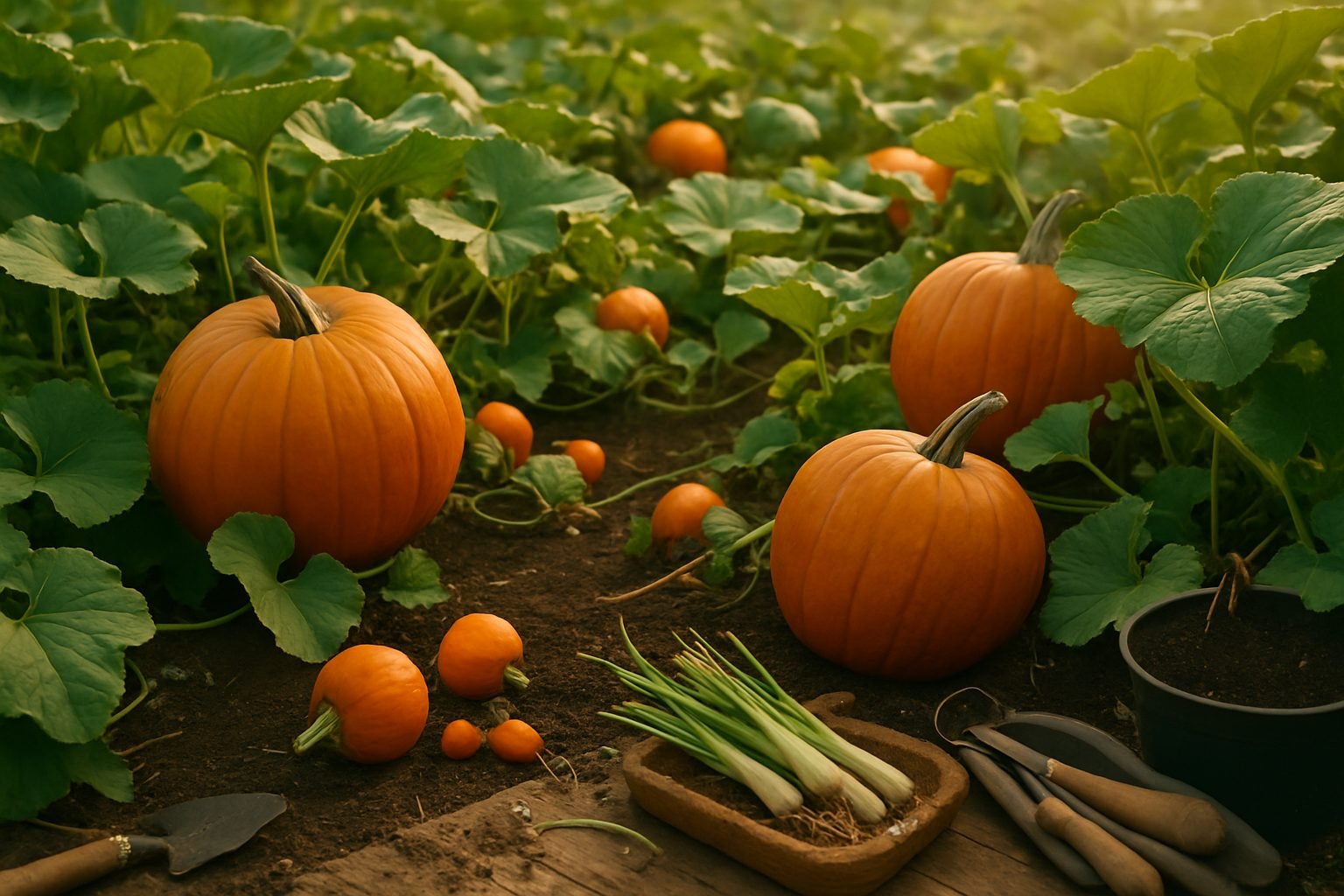
How Many Pumpkins Grow Per Vine?
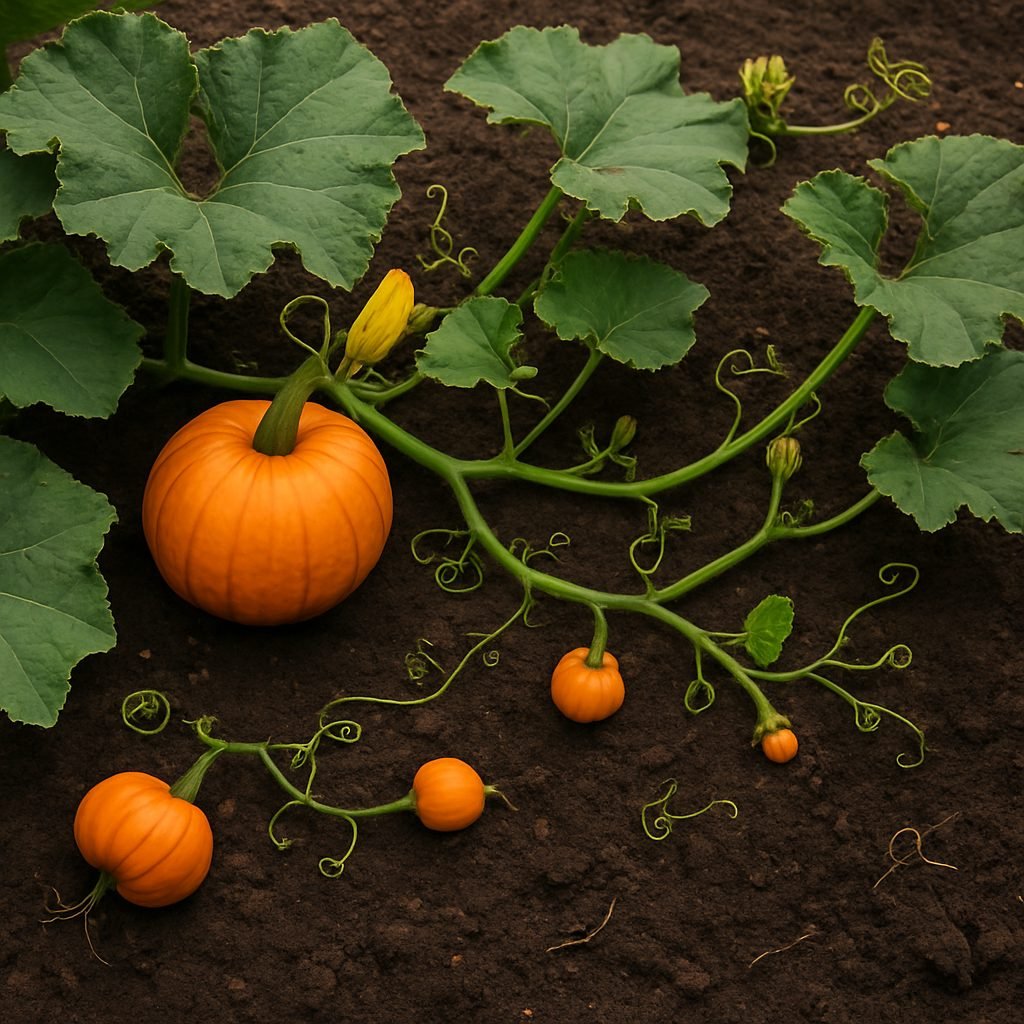
If you’ve ever wondered about pumpkin yield per plant, you’re not alone—many gardeners and farmers are curious about how many pumpkins each vine can produce. For standard pumpkin varieties, you can typically expect to harvest 2 to 5 pumpkins per healthy plant under good growing conditions.
However, this number isn’t set in stone and can vary widely based on the type and variety of pumpkin you choose to grow. For example:
- Mini varieties like ‘Jack Be Little’ can produce up to 10 or more tiny pumpkins per vine, making them fun for decorative uses or snacks.
- On the other end of the spectrum, giant varieties such as ‘Atlantic Giant’ usually yield just one or two massive pumpkins per plant, since the plant directs nearly all its energy into growing these behemoths.
Beyond variety, growing conditions and cultivation methods also matter. In home gardens, gardeners may aim for fewer but larger pumpkins by removing competing fruits and giving each pumpkin room to grow. In contrast, commercial pumpkin farms often optimize for higher yield using techniques like improved fertilization, irrigation, and disease control to boost the number of pumpkins harvested per acre.
While a backyard gardener might see a modest handful per plant, a commercial field planted with high-yield varieties can achieve a much higher average—though individual plant yield can still vary due to spacing and environmental factors.
Whether you’re growing for fun, food, or fall decorations, understanding what affects pumpkin yield per plant can help you plan your patch and set realistic expectations for harvest time.
Factors That Affect Pumpkin Yield
Several key factors play a crucial role in determining how many pumpkins you’ll harvest at the end of the season.
Soil quality tops the list—it needs to be well-draining, rich in organic matter, and slightly acidic to promote healthy root and vine development. If your soil is heavy clay or sandy, consider adding compost or well-rotted manure for better structure and nutrients.
Sunlight is equally important; pumpkins require at least six to eight hours of direct sunlight each day to fuel their sprawling vines and budding fruit.
Keep an eye on moisture, too—pumpkins prefer consistently moist, but not waterlogged, soil. Water deeply a couple of times a week, especially during dry spells, aiming for about an inch of water total.
Nutrition matters throughout the growing period, so supplement with a balanced fertilizer or a side dressing of compost when vines begin to run and again as fruits set.
Proper pollination is essential; without enough bees or other pollinators visiting the yellow pumpkin flowers, fruits may fail to develop or be misshapen. You can attract more pollinators by planting flowers nearby or try hand-pollinating if necessary.
Spacing also affects yield—crowded vines compete for resources and are more prone to disease, so give each plant at least 3-5 feet (depending on variety) to sprawl.
Risks like pests and diseases—such as squash bugs, powdery mildew, or cucumber beetles—can quickly reduce your yield. Regularly inspect vines and use preventative measures like mulch or row covers when needed.
Finally, keep an eye on the forecast, as pumpkins are sensitive to extreme heat, early frost, or heavy rain, all of which can stress plants and reduce fruit numbers.
By paying attention to each of these factors, you’ll set your garden up for a bountiful pumpkin harvest.
Pumpkin Yield for Home Gardeners
When growing pumpkins in a home garden, it’s important to set realistic expectations—most hobby gardeners can expect between two and five healthy pumpkins per plant, depending on the variety and growing conditions.
Classic varieties like Jack O’ Lantern or Connecticut Field typically yield two or three medium to large pumpkins per vine, while smaller varieties such as Sugar Pie or Baby Boo can produce up to six or more fruits on a single plant. Size also plays a role; mini-types may give higher numbers, while giant varieties like Atlantic Giant are often limited to just one or two massive fruits per vine.
To boost your harvest in small spaces, focus on planting in rich, well-draining soil and provide consistent moisture—using mulch can help retain water and suppress weeds. Training vines to grow vertically on a sturdy trellis can improve airflow and allow you to fit more plants in a compact area.
Hand-pollinating flowers with a small paintbrush in the early morning is another smart way to increase fruit set, especially if there aren’t many bees around. Finally, space each plant about three to five feet apart, allowing enough room for growth without crowding, and regularly remove weak or damaged fruits to direct the plant’s energy into growing fewer, but healthier, pumpkins.
With some planning and attention, even a modest backyard patch can yield a festive harvest perfect for pies, decorations, and Halloween fun.
Jack-O-Lantern Pumpkins: What to Expect
When growing Jack-O-Lantern pumpkins, you’ll most often encounter classic varieties like ‘Howden,’ ‘Connecticut Field,’ and ‘Spirit.’ These types are bred specifically for carving, featuring sturdy orange skin and hollow interiors, making them perfect for Halloween displays.
On average, expect each healthy vine to produce two to five medium-sized pumpkins, generally weighing between 10 and 20 pounds apiece. Achieving this yield depends on factors like sunlight, spacing, and consistent watering; pumpkin plants need room to sprawl, so plant them at least three feet apart and ensure the soil drains well.
Jack-O-Lantern pumpkins also need vigilant pest and disease control—watch for squash bugs and powdery mildew, which can quickly damage vines and slash your crop.
Unlike culinary pumpkins, which are grown for flavor and dense flesh, Jack-O-Lantern varieties prioritize looks and sturdiness, sometimes at the expense of yield or taste. They tend to produce fewer pumpkins per plant than smaller varieties bred for eating but noticeably more than the massive, single-fruit giants grown for competitions.
For best results, prioritize regular feeding and monitor soil moisture closely, especially during flowering and fruit set. With a little attention, you’ll have a festive harvest ready for carving just in time for fall.
Pumpkin Yield Per Acre for Farmers
On average, commercial pumpkin farmers can expect yields ranging from 15 to 30 tons per acre, though actual results depend on a variety of factors. The chosen pumpkin variety is crucial—hybrid types bred for uniform size and disease resistance often out-produce traditional open-pollinated varieties. For example, popular hybrids like ‘Howden’ or ‘Magic Lantern’ tend to deliver higher and more consistent yields.
Row spacing also plays a significant role: wider rows (8 to 12 feet apart) allow for larger vines and better airflow, reducing disease pressure and promoting healthier fruit. In contrast, crowded or narrow spacing can lead to competition for nutrients and sunlight, ultimately reducing overall yield per plant. Additionally, optimal plant density varies between 1,000 and 2,500 plants per acre depending on fruit size goals, with smaller pumpkins benefiting from higher densities.
Beyond the field, harvest handling and storage practices directly impact marketable yield. Pumpkins are easily damaged by rough handling or stacking, so use soft gloves, cushioned bins, and avoid tossing fruit. Harvesting during dry conditions helps prevent rot and skin injury.
After harvest, store pumpkins in a cool, well-ventilated area—ideally around 55°F with 50-70% humidity—to extend shelf life and reduce the risk of mold or soft spots. Simple adjustments in harvest timing and storage can make a difference, as pumpkins picked too early may not fully cure, impacting flavor and durability.
By paying attention to these details—variety choice, planting layout, and careful post-harvest treatment—commercial growers can consistently achieve good yields of high-quality, market-ready pumpkins.
Maximizing Your Pumpkin Harvest
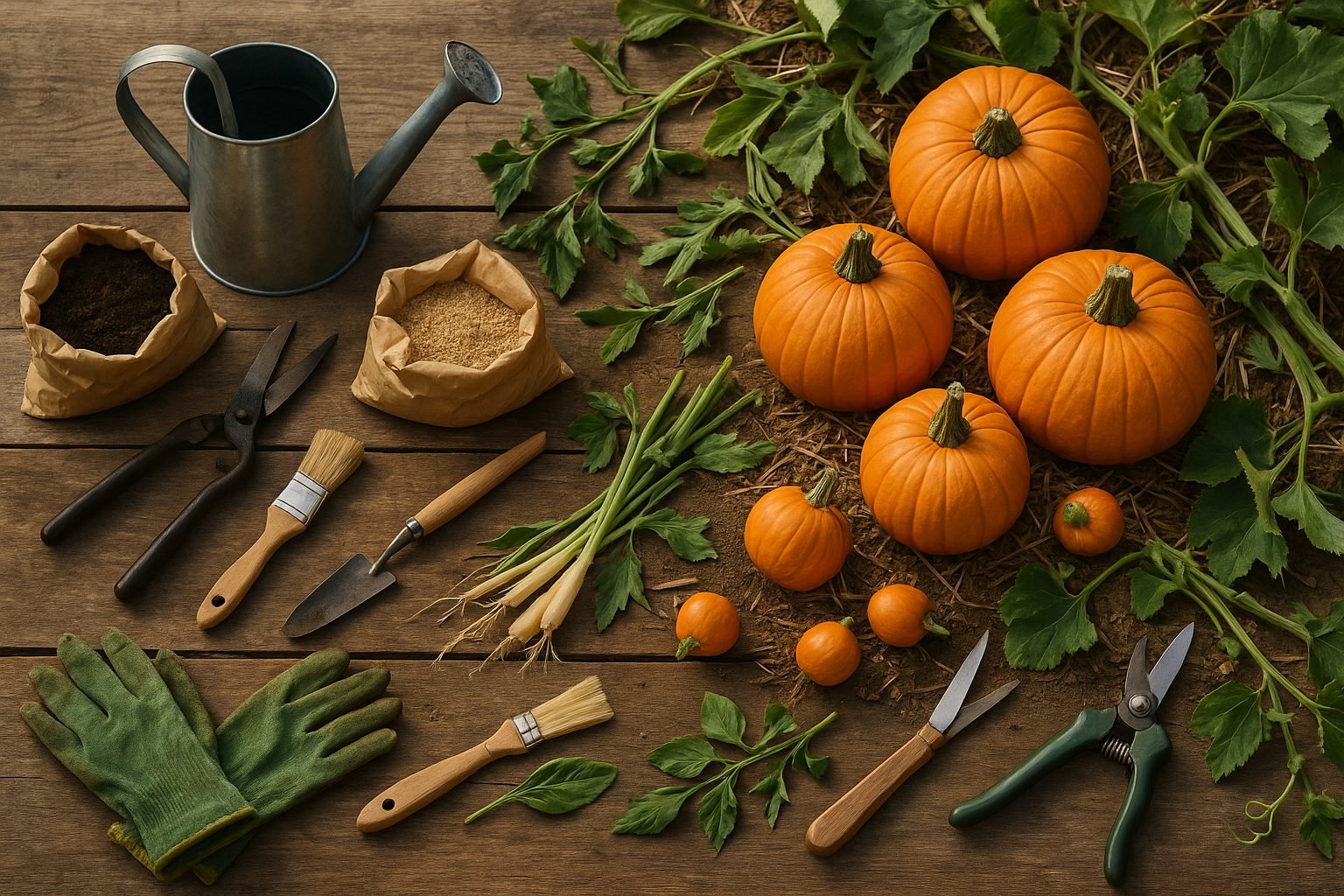
Getting the most from your pumpkin patch starts long before harvest season arrives. Begin by planting seeds after the last frost, when soil temperatures reach at least 70°F. Plant them in mounded hills to improve drainage and keep roots warm. Rotate your pumpkins each year—never planting them in the same spot two years in a row—to reduce soil-borne diseases and pest buildup.
As the plants grow, regularly mulch with straw or leaf mulch to lock in moisture, suppress weeds, and protect ripening fruit from sitting directly on damp soil. Fertilize every few weeks with a balanced, low-nitrogen fertilizer; too much nitrogen encourages leafy growth but fewer pumpkins.
Prune away the smallest or excess vines so the plant focuses energy on fewer, larger fruits—simply snip secondary vines once a few pumpkins start forming on each main vine. Controlling pests and diseases is crucial for a heavy harvest: check leaves weekly for signs of squash bugs or powdery mildew and treat promptly with organic sprays or by removing affected leaves.
One often-overlooked trick is hand-pollination, especially if you notice blossoms falling off without forming fruit. Use a small paintbrush or cotton swab to transfer pollen from male to female flowers early in the morning. This can double your pumpkin yield, since natural pollinators aren’t always reliable.
Finally, harvest at peak ripeness—when pumpkins are fully colored and the rind resists a fingernail press. Use sharp shears to cut the pumpkin from the vine, leaving a few inches of stem attached for longer storage. By combining smart planting, attentive care, and proactive techniques, you’ll enjoy a bumper crop of pumpkins ready for carving, eating, or saving seed for years to come.
Troubleshooting Low Pumpkin Yields
Low pumpkin yields can be frustrating after months of hard work, but the good news is that most issues have straightforward fixes. One common culprit is poor pollination—pumpkin plants rely on bees and other pollinators to transfer pollen from male to female flowers. If you notice your vines have plenty of flowers but few fruits forming, try hand-pollinating with a small paintbrush or encourage more bees by planting wildflowers nearby and avoiding insecticides during bloom.
Nutrient deficiencies are another frequent problem, often revealed by yellowing leaves or slow-growing fruits. Pumpkins are heavy feeders; before planting, mix aged compost or a balanced granular fertilizer into the soil and side-dress with a nitrogen boost when vines start running. Regularly test your soil to catch deficiencies early and adjust your fertilizing routine as needed.
Overcrowding can also lower yields, since pumpkin plants need ample room—at least 4 to 6 feet between hills—for light, air circulation, and root growth. Thin seedlings if they’re too dense, or space your planting rows wider next year.
If you routinely struggle with low yields despite these fixes, try rotating your pumpkins to fresh ground each season to avoid soil-borne diseases and pests. By observing your plants closely, making small adjustments during the season, and planning improvements for next year, you’ll greatly improve your chances of a bigger harvest.
If yields are still disappointing by mid-season, don’t be afraid to pull underperforming plants or start a new batch for a late crop if your climate allows—sometimes, a reset is the smartest move for future success.