Introduction
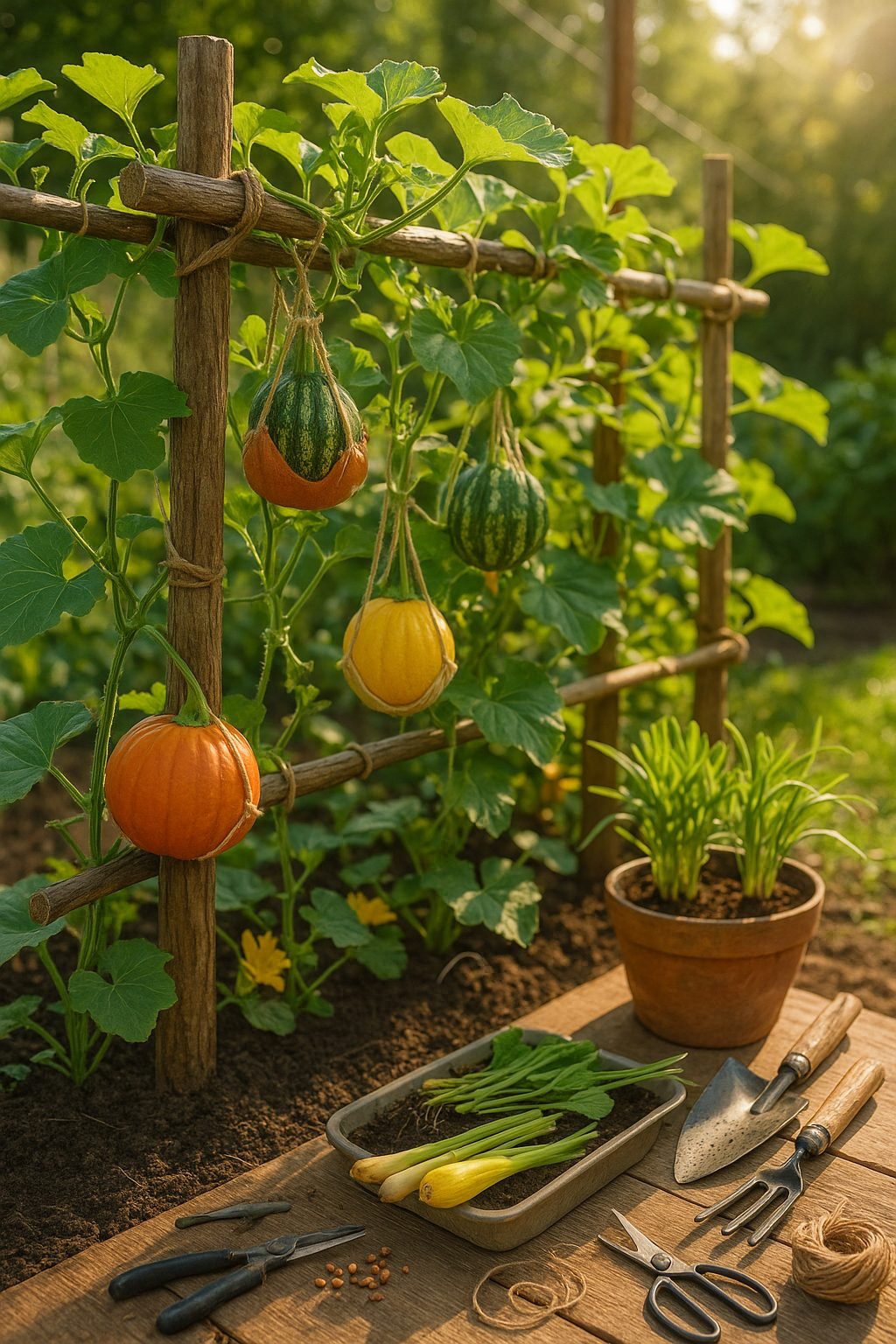
Vertical pumpkin growing is quickly gaining traction among gardening enthusiasts who want innovative ways to maximize their harvests—even in the smallest spaces. Whether you have a compact urban backyard, a cramped balcony, or simply want to free up precious garden beds, vertical pumpkin growing offers a smart solution with big rewards. This method not only saves valuable garden space but also keeps pumpkins healthier by improving air circulation, reducing soil-borne diseases, and making pest management easier. Imagine training vibrant pumpkin vines upward along sturdy trellises instead of watching them sprawl across your lawn—it’s both practical and visually striking!
Curious about how to get started? In this post, we’ll walk you through everything you need to know. First, we’ll explore which pumpkin varieties are best suited for growing off the ground. Then, we’ll cover how to choose and build the right support structures, from simple A-frames to elaborate vertical trellises. You’ll learn the best planting techniques, essential tips for ongoing care, effective ways to handle common pests, and when and how to harvest your vertical bounty. Ready to rethink what’s possible in your pumpkin patch? Dive in for expert advice and inspiration for a truly space-saving harvest.
Selecting the Right Pumpkin Varieties
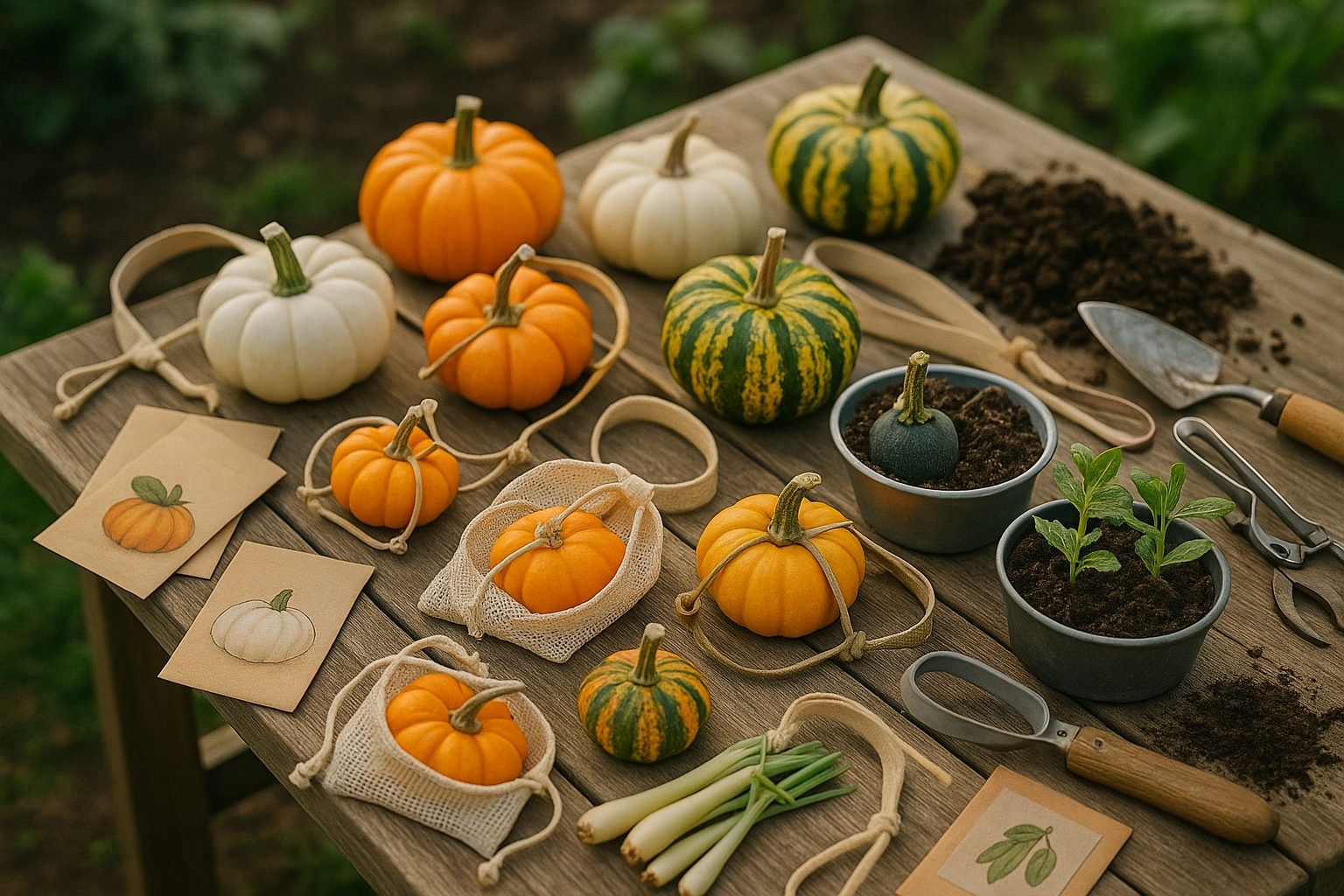
When it comes to vertical pumpkin gardening, choosing the right variety is key to success. Not all pumpkins are well-suited for trellises; you’ll want to focus on compact or small-fruited types that won’t put too much strain on the supports.
Popular varieties like ‘Jack Be Little’, ‘Baby Boo’, ‘Sugar Pie’, ‘Wee-B-Little’, and ‘Mini Harvest Blend’ are excellent for vertical growing, as their fruit tends to weigh less than two pounds each. These miniature and small baking pumpkins not only look adorable but also make it much easier to secure the maturing fruit to a trellis with simple slings made from old t-shirts or mesh produce bags.
For gardeners seeking something a bit larger, ‘Jarrahdale’ and ‘Cinderella’ (Rouge Vif d’Etampes) are sometimes used on sturdy supports, but their fruit needs to be carefully cradled due to additional weight.
When browsing seed catalogs or online shops, look for terms like “mini,” “dwarf,” or “compact vine” in descriptions—varieties such as ‘Bushkin’, ‘Kandy Korn Plus’, and ‘Snack Jack’ also fit the bill. The best pumpkins for vertical growing have shorter vines or “bush” habits, which reduces the space needed and minimizes tangling.
Small fruit size reduces breakage risk, and some types have naturally thicker stems or more flexible vines, making them more resilient as they climb and mature. Always check the average mature fruit weight before planting, and don’t hesitate to experiment with a few varieties to see what works best in your space.
Planning and Building Your Pumpkin Trellis
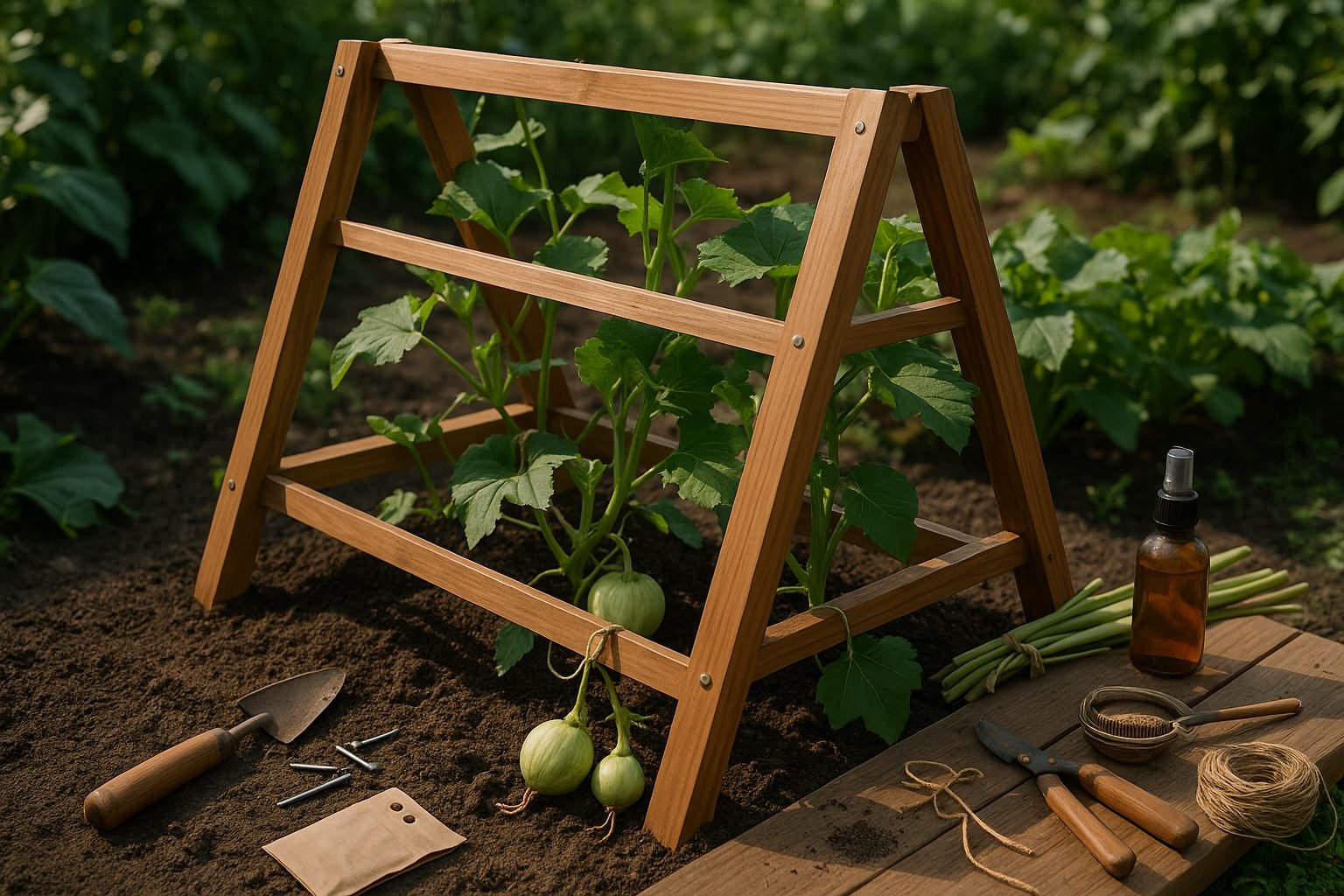
Choosing the right spot for your pumpkin trellis is key—pumpkins need at least 6-8 hours of direct sunlight daily, so look for a location with minimal shade and plenty of airflow to help prevent mildew. When planning your trellis, consider space: pumpkins produce long vines, so be sure there is enough room for both upward growth and the roots to spread without crowding other plants.
Three popular trellis styles work well for pumpkins:
- A-frame trellises provide solid support and stability;
- Vertical lattice trellises save ground space and are easier to harvest from;
- Arched trellises are appealing for garden aesthetics and allow vines to hang down naturally.
No matter the style, be sure to use robust materials—think cedar lumber, galvanized steel pipes, or heavy-duty garden netting—since pumpkin fruits can get heavy, often weighing several pounds per pumpkin.
For a simple DIY A-frame, use six-foot-long wooden posts anchored firmly in the soil and connect them with horizontal crossbeams or heavy wire. If you opt for a pre-made metal trellis, check for weight capacity or reinforce it with additional stakes.
As the fruit develops, gently tie stems to the supports with soft cloth to avoid damage, and consider adding homemade slings from old t-shirts or mesh bags to cradle larger pumpkins as they ripen.
With sturdy construction and thoughtful placement, your pumpkin trellis will keep vines healthy, maximize garden space, and make harvesting easier.
Planting and Supporting Vertical Pumpkins
Starting your vertical pumpkin garden begins with choosing a sunny spot and a sturdy trellis or fence for support. Begin by planting pumpkin seeds or seedlings at the base of your vertical structure, spacing them about two feet apart to give each plant enough room to grow.
Water the soil thoroughly after planting and keep it consistently moist, but not soggy, as pumpkins need plenty of hydration to thrive. As the vines grow, gently guide them onto the trellis; use soft plant ties, twine, or old pantyhose to loosely secure the vines every foot or so, making sure not to constrict the stems.
Early training is key—start directing the vines as soon as they reach eight to ten inches long before they get too heavy or tangled.
As small pumpkins begin to form along the vines, you’ll need to support their weight to prevent snapping or bruising. A simple way to do this is by making slings from stretchy fabric, like t-shirt scraps, or mesh produce bags.
Cradle the growing pumpkin in the material, then tie the ends securely to the trellis above, ensuring the fruit is gently supported as it gains size. Check your slings occasionally to adjust for growth and retie if needed.
This hands-on method keeps developing pumpkins off the ground, protecting them from pests and rot while giving your vertical patch a tidy, productive look.
Soil, Watering, and Fertilizing Tips
For thriving vertical gardens, starting with the right soil is crucial—look for a lightweight, well-draining mix rich in organic matter. Regular potting soil is a safe choice, but adding perlite or coco coir helps prevent soggy roots and improves aeration, both essential for upward-growing vines. Ensure your containers or pockets have drainage holes so excess water never lingers, as vertical gardens often drain faster.
When watering, check the top inch of soil; if it feels dry, it’s time to water. Keep in mind, wall-mounted or stacked planters may need more frequent hydration since exposure to wind and sun can dry them out quickly. Drip irrigation systems or self-watering planters help maintain even moisture without overdoing it.
Fertilizing is equally important: use a balanced, slow-release fertilizer at planting, then supplement every four to six weeks during the growing season for steady nutrient support. For heavy feeders like tomatoes or cucumbers, opt for a fertilizer higher in phosphorus and potassium once flowering begins to boost both vine strength and fruit yield.
Finally, always water after fertilizing to help nutrients reach the roots, and remove dead or yellowing leaves so your plants use their energy for healthy vertical growth. With these basics covered, your vertical garden should be set for lush foliage and productive harvests.
Managing Pests, Diseases, and Common Issues
Vertical pumpkin gardens are less prone to some traditional ground-level problems, but pests and diseases can still be challenging. Common pests include aphids, squash bugs, and cucumber beetles—all of which can be managed by regularly inspecting your plants, using insecticidal soap, or introducing beneficial insects like ladybugs.
Powdery mildew and downy mildew are the most frequent diseases, especially in humid conditions. You can help prevent these fungal issues by ensuring good air circulation—space your plants properly on the trellis and avoid overhead watering.
One major benefit of vertical growing is that pumpkins are lifted off the damp ground, greatly reducing the risk of rot and many soil-borne diseases.
If you notice poor fruit set, try hand-pollinating flowers using a small brush to transfer pollen from male to female blossoms.
For wilting, check for squash vine borers by slicing open the stem near the soil line and removing any larvae, then mound soil over the cut to help the plant recover.
Mulching under the trellis can also help retain soil moisture and deter weeds.
By staying attentive and acting quickly, you can keep your vertical pumpkin crop healthy and productive all season long.
Harvesting and Enjoying Your Vertical Pumpkins
Knowing the right time to pick your vertical pumpkins is key to a successful harvest. Look for a deep, solid color and a hard rind that resists fingernail pressure—these are good indicators that your pumpkins are mature. The stem should also turn hard and begin to crack where it meets the fruit.
When harvesting from a trellis, support the fruit with one hand and cut the stem with sharp pruning shears, leaving a few inches of stem attached for longer storage. Be gentle to avoid bruising the pumpkin or damaging the vine.
After picking, cure pumpkins by letting them sit in a warm, dry area with good air circulation for about 10 days; this toughens the skin and helps them last longer. Store cured pumpkins in a cool, dark place—basements or unheated closets work well—and check occasionally for soft spots.
Enjoying Your Harvest
To enjoy your harvest, try these delicious ideas:
- Roast pumpkin slices with olive oil and spices
- Whip up a creamy pumpkin soup
- Get creative with stuffed baked pumpkin as a hearty main course
- Toast the seeds with a sprinkle of salt for a tasty snack
With a little care, your vertically grown pumpkins can provide delicious meals, festive décor, and family memories all season long.
Tips for Success and Troubleshooting
For a thriving vertical pumpkin garden, choose compact or bush varieties, and place your vertical structure in a sunny spot with at least six hours of sunlight daily. Use sturdy supports like trellises or cages, and secure developing pumpkins with slings made from old t-shirts or netting to prevent them from falling.
Water consistently, keeping the soil moist but not soggy, and apply mulch to retain moisture and control weeds.
If you notice yellowing leaves, it may signal overwatering or nutrient deficiency—dial back irrigation or add a balanced fertilizer.
Watch for powdery mildew, a common issue; remove affected leaves and use organic fungicide if needed. Pests like aphids can be managed with insecticidal soap or by regularly hosing them off.
Remember, every garden is a learning process, so don’t be discouraged by setbacks. With small adjustments and attention, you’ll enjoy sweet, homegrown pumpkins climbing your vertical garden in no time.
Conclusion
Growing pumpkins vertically not only saves space but also improves air circulation, reduces pest problems, and makes harvesting easier. Whether you have a small backyard or just a balcony, vertical pumpkin gardening allows you to enjoy a bountiful harvest without needing much ground area.
Why not give it a try? Experiment with trellises or sturdy supports and discover how rewarding vertical pumpkin growing can be. We’d love to hear about your results and tips, so please share your experiences in the comments!
Take the leap—you might just surprise yourself with a wall of beautiful, thriving pumpkins.