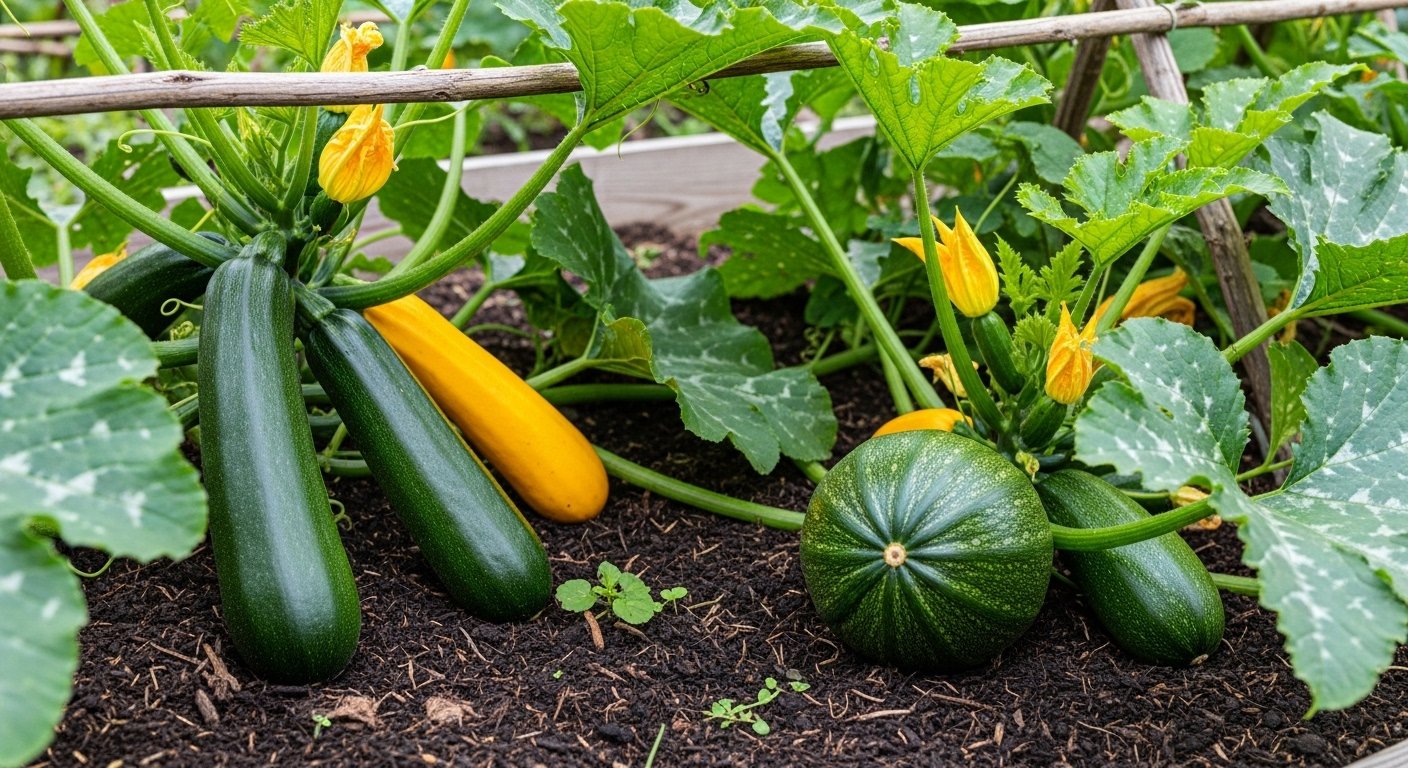
Choosing the Right Zucchini Variety
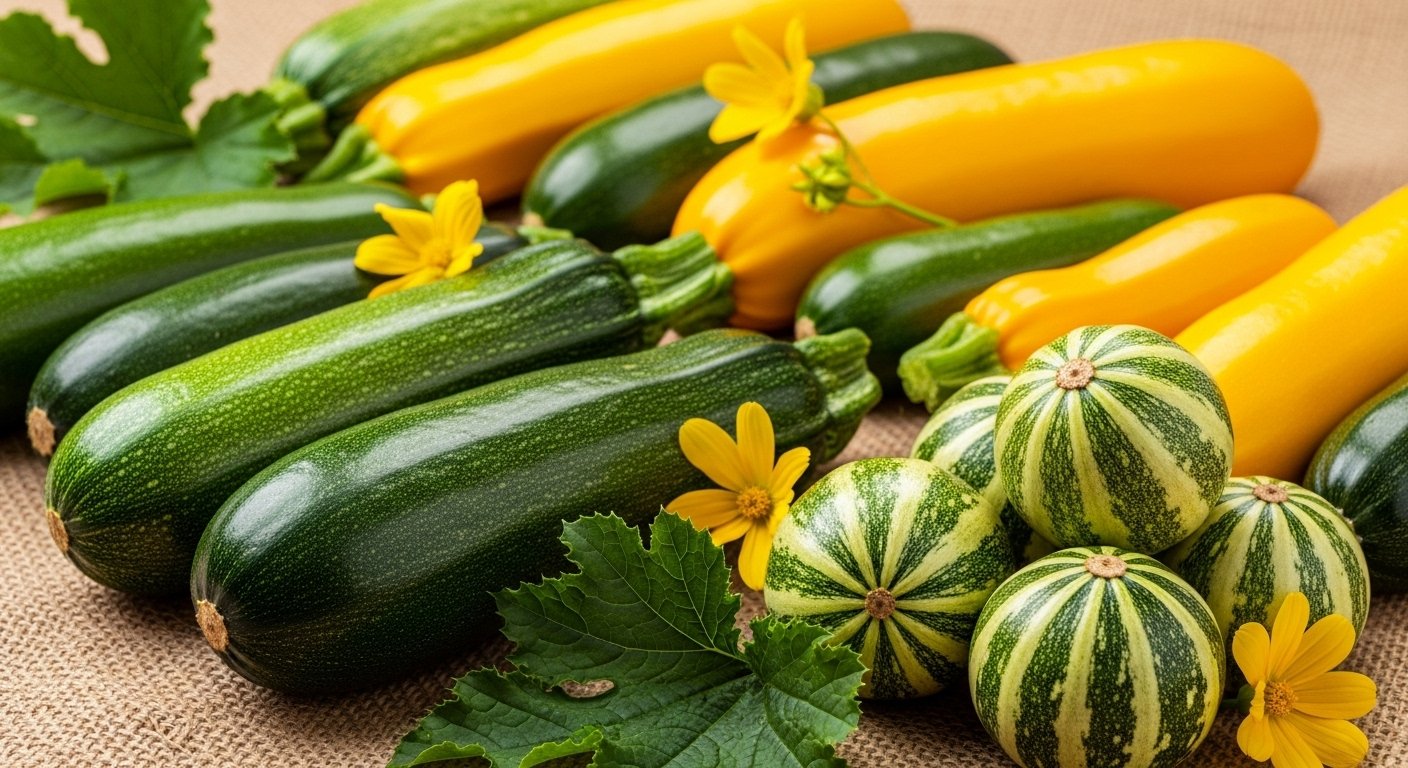
Learning how to grow zucchini can be incredibly rewarding, especially when you select the right variety for your home garden. Zucchini comes in many forms—classic deep green, vibrant yellow, charming round types like ‘Eight Ball,’ and even specialty varieties with striped patterns or unique flavors.
If you’re short on space, compact “bush” types such as ‘Raven’ or ‘Patio Star’ are perfectly suited for containers or small garden beds. Meanwhile, vigorous vining varieties like ‘Black Beauty’ thrive when given plenty of room to roam in traditional plots.
Choosing the best zucchini for your garden depends on a few key factors. First, consider your local climate—if you live somewhere with humid summers, look for disease-resistant types like ‘Dunja’ or ‘Defender’ that can stand up to common issues like powdery mildew.
Next, think about your preferred harvest: do you want tender, snack-sized squash or substantial fruits for baking? Round zucchini are perfect for stuffing, while thin-skinned yellow versions like ‘Golden’ offer sweet flavor and eye-catching color in salads or sautés.
Growing in containers? Go with bush types that won’t crowd your patio or balcony and always use rich, well-draining soil to maximize yields. For traditional garden beds, give vining varieties space to sprawl and, if possible, use trellises to save room and improve air circulation.
With a little research and thoughtful planning, you’ll discover just how easy and enjoyable it is to match the right zucchini to your growing conditions and culinary plans.
When and Where to Plant Zucchini
Timing is everything when it comes to planting zucchini. For the best results, wait until well after the last expected frost in your area, as zucchini can’t tolerate chilly conditions. Check your local frost dates—most gardeners plant zucchini outdoors when soil temperatures are consistently above 60°F (16°C). Use a soil thermometer if you’re unsure; planting too soon in cold soil can slow growth or cause rot.
Choose a bright, sunny spot that gets at least 6 to 8 hours of direct sunlight daily. Good drainage is essential, so avoid spots where water pools after rain. If you have heavy clay soil, consider raising the beds or working in plenty of compost to improve texture and nutrient content.
For small gardens or patios, zucchini thrives in large containers (at least 18 inches across) or raised beds where you control the soil mix. Make sure each plant has plenty of space—leave about 2 to 3 feet between plants so air circulates and leaves have room to grow. Crowding leads to mildew problems and smaller harvests.
If planting in a container, use high-quality potting soil mixed with compost, and water regularly since pots dry out faster than ground beds. By timing your planting carefully and choosing the right spot, you’ll set your zucchini crop up for a bumper harvest—even in limited spaces.
Preparing Soil and Planting Zucchini
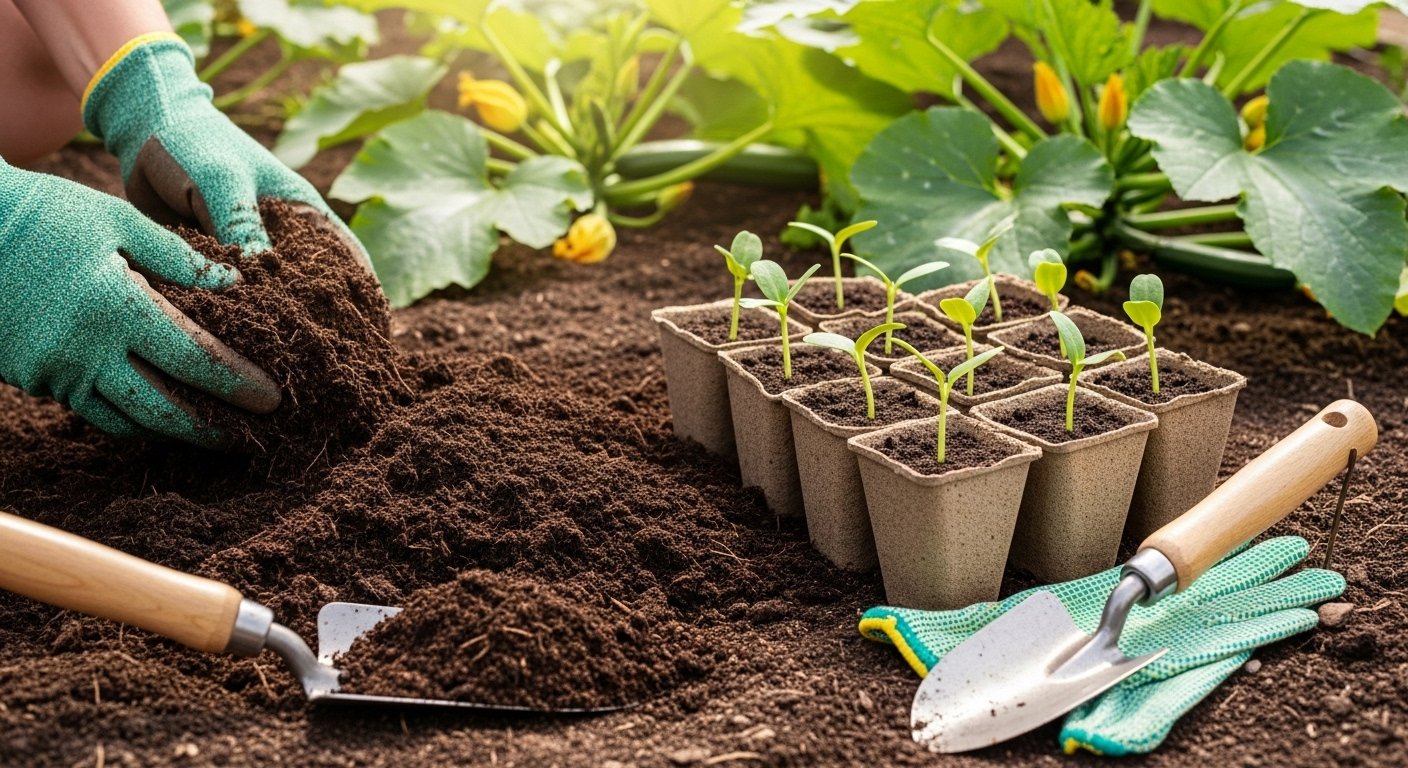
Getting your soil ready for zucchini sets the stage for a bountiful harvest. Start by selecting a sunny spot and working compost or well-rotted manure into the top 6-8 inches of soil; this boosts fertility and adds essential nutrients. Aim for loamy, well-drained soil with a neutral to slightly acidic pH between 6.0 and 7.0. If needed, a simple home test kit can help you check your soil’s pH, and garden lime or sulfur can help adjust it.
Incorporating organic matter not only feeds your zucchini plants but also improves drainage, which is key since soggy roots can stunt growth.
Planting Options
When it comes to planting, you have two main options: direct sowing or starting seeds indoors.
- Direct sowing: This is straightforward—just wait until all danger of frost has passed and soil temperatures are above 60°F, then plant seeds about an inch deep. This method means less transplant shock, but the seeds are more vulnerable to pests and cold snaps.
- Indoor seed starting: This gives you a head start on the season and strong seedlings. However, zucchini dislike root disturbance, so use biodegradable pots you can plant directly in the ground to minimize shock.
Spacing and Transplanting
For spacing, sow seeds 2-3 feet apart in rows or hills, as zucchini plants need plenty of room to sprawl and for air to circulate—this helps prevent powdery mildew and other diseases. If transplanting, gently move seedlings outdoors once they have two or three true leaves and nighttime temperatures stay reliably above 50°F.
Water well after planting, mulch to retain soil moisture, and you’ll be well on your way to a healthy zucchini patch.
Caring for Zucchini Plants
Caring for zucchini plants doesn’t have to be complicated, but a few focused practices can make all the difference in your harvest. Water thoroughly when the top inch of soil dries out—usually about one to two inches per week—and aim for slow, deep watering at the base to minimize leaf wetness. This helps prevent fungal diseases like powdery mildew. Early morning is the best time to water, giving leaves a chance to dry.
When it comes to fertilizing, blend compost into your soil prior to planting, then feed with a balanced fertilizer (such as 10-10-10) every four weeks during growth and flowering. Be careful not to overdo the nitrogen, or you’ll get lush leaves at the expense of fruit.
Support your plants by mulching with straw or shredded leaves to hold in moisture and suppress weeds, and make weeding a weekly habit to reduce competition. Taller varieties or heavy fruiters can benefit from staking with soft ties to lift fruit off damp soil, keeping them clean and reducing rot.
Don’t forget some basic pruning—snip off any lower leaves showing signs of yellowing or crowding, and thin out dense clusters to boost airflow around your plants. This simple step not only deters disease but also helps sunlight reach all parts, encouraging bigger yields.
By keeping up with these routines, you’ll give your zucchini the strongest start—and most productive season—possible.
Common Pests and Diseases
Squash bugs, vine borers, and aphids are some of the most common pests that threaten squash plants. Squash bugs have brownish bodies and leave yellow spots on leaves after feeding, which eventually causes the foliage to wilt and die. Vine borers are sneaky caterpillars that burrow into stems, causing plants to wilt from the base up—if you see sawdust-like frass near the stem, that’s a telltale sign. Aphids, tiny green or black insects, cluster under leaves, causing them to curl or yellow, and leave behind a sticky substance called honeydew.
When it comes to diseases, powdery mildew appears as white, powdery patches on leaves and can spread quickly in humid conditions, weakening plants. Blossom end rot, often seen as a black, sunken spot at the blossom end of fruits, is typically caused by calcium deficiency but is worsened by inconsistent watering.
Organic Pest Control Tips
- Regularly inspect leaves, especially undersides, and handpick pests or remove affected plant parts.
- Use floating row covers to prevent adult insects from laying eggs early in the season.
- Apply neem oil and insecticidal soap sprays, which are safe, non-toxic options for managing aphids and soft-bodied insects.
Disease Prevention
- Water plants at the base to keep leaves dry.
- Space plants for good air circulation.
- Mulch to maintain even soil moisture.
- Apply compost for essential nutrients and add calcium-rich amendments during planting to help avoid blossom end rot.
- Rotate crops yearly and clean up plant debris at season’s end to reduce pest and disease pressure.
Following these steps will help you grow healthy, bountiful squash organically.
Harvesting and Storing Zucchini
Knowing exactly when to harvest zucchini makes all the difference in both taste and yield. Check your plants daily, as zucchinis grow quickly and are best picked when they reach 6 to 8 inches long—any larger, and they can become tough and seedy. Look for glossy, firm skin; a dull or rough texture means the fruit is overripe.
To pick, use a sharp knife or garden shears and cut the stem about an inch above the zucchini to avoid damaging the plant. Sometimes, a hidden giant sneaks through despite your best efforts—these oversized zucchinis may not be as tender, but they’re perfect for baking or grating into breads and fritters.
Removing large fruit encourages the plant to produce more, extending your overall harvest. For ongoing productivity, keep harvesting zucchinis every couple of days, as leaving mature fruit on the vine signals the plant to stop setting new ones.
After harvesting, store unwashed zucchinis in a perforated plastic bag or container in the crisper drawer of your refrigerator, where they’ll stay fresh for up to a week. If you have a bumper crop, consider freezing slices or shredded zucchini—just blanch briefly, cool, and pack in airtight containers for future soups, stews, or baking.
By paying attention to picking times, managing oversized fruit wisely, and storing your zucchinis carefully, you’ll be able to enjoy them well beyond the peak summer months.
Enjoying Your Zucchini Harvest
There’s nothing quite like the satisfaction of enjoying zucchini fresh from your own garden. For quick and healthy meals, try slicing zucchini into rounds for salads, spiralizing them into “zoodles” as a low-carb pasta substitute, or simply grilling slices with a dash of olive oil and seasoning.
If you prefer something more indulgent, zucchini is a fantastic addition to baked goods—shredded zucchini keeps muffins, breads, and brownies moist while adding a dose of nutrients.
When you find yourself with more zucchinis than you can use, freezing is a breeze: just grate or slice them, blanch for a few minutes, then pack into freezer bags, squeezing out excess air. Stored this way, zucchini is ready for winter soups, stews, and casseroles.
Don’t be afraid to get creative—try zucchini fritters, stuffed boats, or even smoothies for a hidden veggie boost. The beauty of homegrown zucchini is its versatility, so experiment with new recipes and savor the freshness of produce you nurtured yourself.
The possibilities are endless, and each dish is a small celebration of your gardening success.