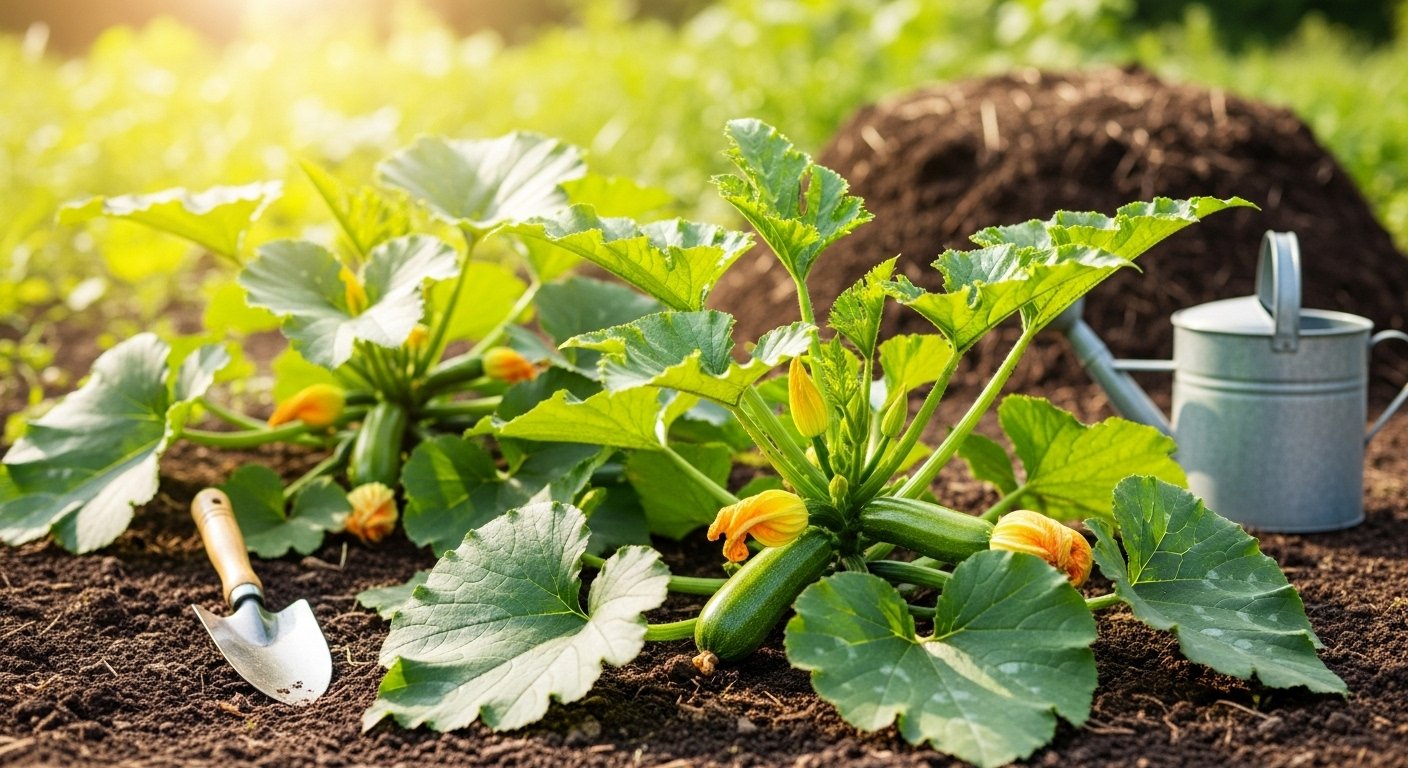
Why Grow Zucchini in Your Garden?
If you’ve ever wondered about the benefits of growing zucchini in hot weather, you’re in for a treat. Zucchini thrives when temperatures climb, making it one of the most productive and reliable crops for summer gardeners—especially in warmer climates.
One of the standout benefits is its prolific yield: just a few plants can reward you with dozens of tender squashes throughout the season. Their fast growth means you could be harvesting within a matter of weeks, which is not only satisfying for seasoned gardeners but also incredibly encouraging for beginners.
Zucchini plants are forgiving, adaptable, and relatively resistant to pests, lowering the intimidation factor for anyone just starting out.
Health Benefits
Nutritionally, zucchini packs a healthy punch. This humble squash is low in calories but loaded with vitamins A and C, potassium, antioxidants, and fiber—excellent for heart health, digestion, and maintaining a balanced diet.
Versatility in the Kitchen
Plus, zucchini’s mild flavor and tender texture make it one of the most versatile ingredients in the kitchen. You can shred it into muffins, spiralize it into zoodles, grill it alongside other summer veggies, or toss it raw into salads—the possibilities are nearly endless.
If you’re considering starting a garden in a hot climate, planting zucchini doesn’t just promise a lush, bountiful harvest; it invites you to explore a world of fresh flavors from your own backyard, making it the ideal crop for both practical gardeners and curious home cooks alike.
When and Where to Plant Zucchini
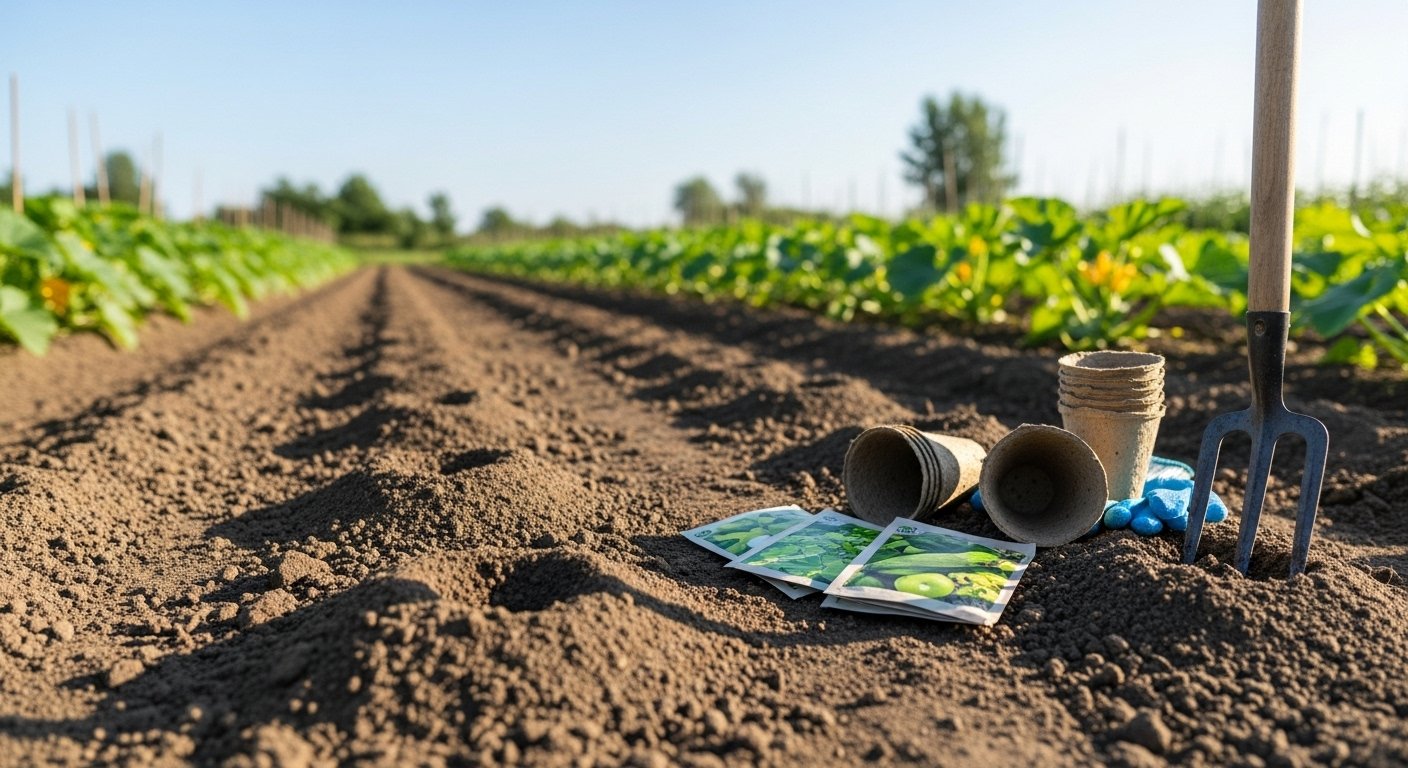
Plant zucchini after any danger of frost has passed and the soil has warmed up, ideally reaching at least 60°F (16°C). This is usually from late spring to early summer, depending on your region. In areas with long, cold springs, wait until nighttime temperatures consistently stay above 50°F (10°C) to help seeds germinate and prevent stunted growth.
Choose a sunny spot in your garden where zucchini can soak up at least six to eight hours of sunlight a day. Without enough sun, plants can become leggy and yields may drop. Since zucchini grows wide and bushy, give each plant about three to four feet of space in all directions. Crowding can invite diseases and reduce airflow.
Most gardeners have success direct sowing seeds straight into garden soil because zucchini don’t like transplanting and often sulk after being moved. However, if you have a short growing season, you can start seeds indoors about two to four weeks before the last frost date. Use biodegradable pots so you can plant them directly, minimizing root disturbance.
No matter which method you choose, make sure to enrich your soil with compost and keep beds moist but not soggy. Consistent moisture boosts healthy blooms. By planting at the right time and setting up your zucchini in the sunniest, most spacious spot, you’ll set the stage for a season full of vigorous, productive plants.
Preparing the Soil and Planting Zucchini
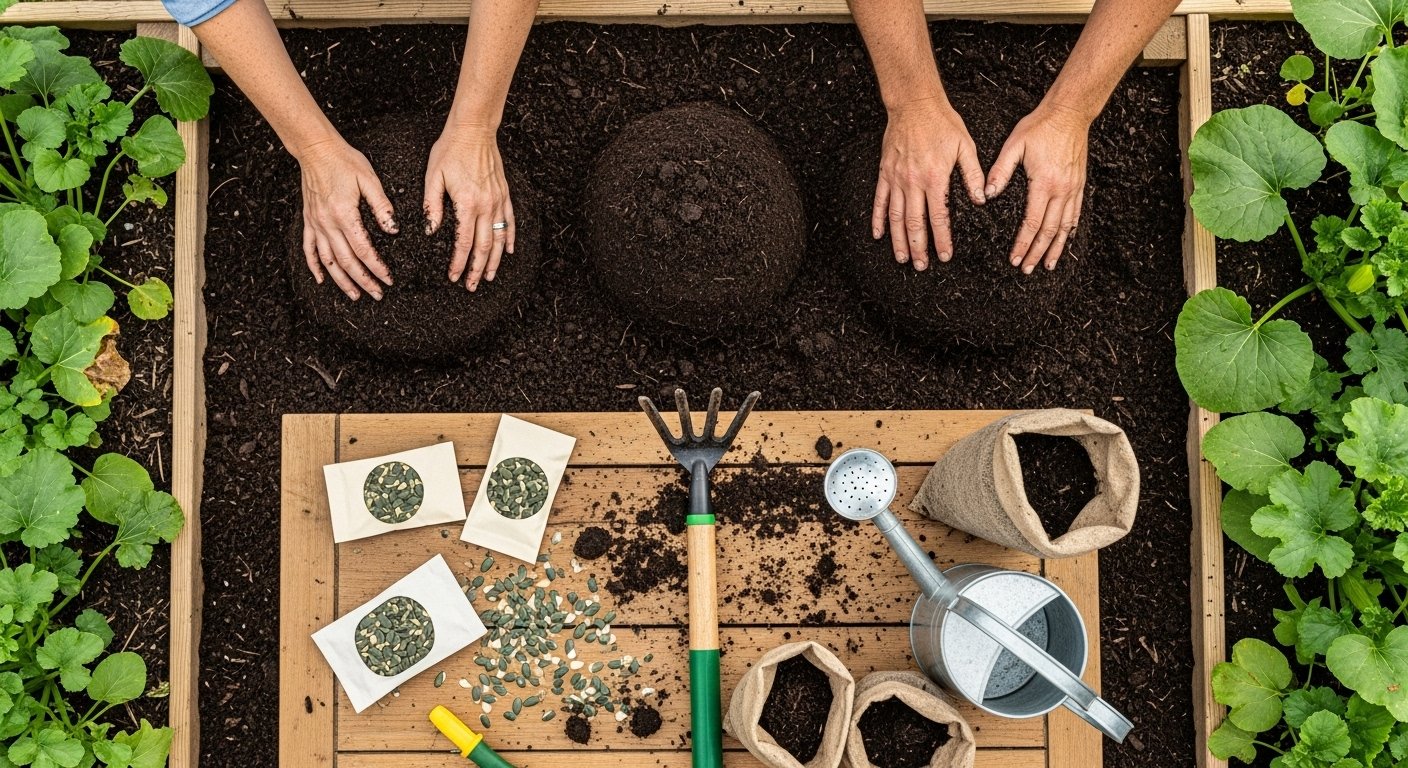
Starting your zucchini patch with the right soil makes a huge difference in your harvest. Zucchinis thrive in well-drained, fertile soil enriched with compost, which helps retain moisture and delivers the nutrients your plants need. Before planting, mix several inches of compost or aged manure into your garden bed or container to promote robust growth.
Many gardeners use mounding techniques—creating small hills about 3–6 inches high and spaced three feet apart—because these mounds warm up quickly, drain better, and prevent water from pooling around plant roots. Alternatively, raised beds are a popular choice if your garden soil has heavy clay or poor drainage, as they offer improved aeration and make it easier to control soil quality.
When it comes to planting zucchini seeds, sow them about an inch deep in groups of two or three per mound, thinning later to keep the strongest plant. If you’re transplanting seedlings, plant them at the same depth as they were in their pots, making sure to space mounds or rows about three feet apart. Good airflow is essential to help prevent powdery mildew and other diseases.
For gardeners with limited space, zucchinis also do quite well in large containers or planter boxes—just make sure your container holds at least five gallons of soil and has drainage holes. Use a high-quality potting mix blended with extra compost, and position the container in a sunny spot since zucchini loves heat and sunlight.
With well-prepared soil and thoughtful spacing, you’ll be rewarded with healthy, productive plants all season long.
Watering and Feeding: Keeping Zucchini Thriving
Consistent watering is the key to happy, productive zucchini plants. Aim to keep the soil evenly moist, not soggy—typically, giving your zucchinis about one inch of water per week is ideal, either through rainfall or supplemental watering. During particularly hot or dry spells, increase this to two inches and consider deep, infrequent soaking rather than daily sprinkles, which encourages deep root growth.
To help retain soil moisture, add a two- to three-inch layer of organic mulch, such as straw, shredded leaves, or compost, around your plants. Be sure to keep the mulch a few inches away from the stems to prevent rot.
For feeding, start with a balanced fertilizer at planting, then switch to a high-potassium fertilizer as the plants begin flowering and setting fruit. Reapplying every three to four weeks can keep yields strong.
Keep an eye out for signs of trouble:
- Yellowing leaves and wilting that persist even after watering may indicate overwatering and poor drainage.
- Dry, crispy foliage and slow growth often point to underwatering.
Adjust your routine if you spot these symptoms, and always check soil moisture with your finger or a moisture meter before adding more water.
With the right balance of care, your zucchini will reward you with a bountiful harvest all season long.
Supporting Growth: Sunlight, Pollination, and Vertical Training
Ensuring your plants receive at least 6-8 hours of direct sunlight daily is essential for strong growth and fruit production. If your garden is shaded, try relocating planters or containers to sunnier spots, or trim back overhanging branches that might block light.
When it comes to pollination—especially for tomatoes, peppers, or beans—poor fruit set often points to a lack of pollinator activity or wind. You can help boost pollination by gently shaking flowering stems every few days or using a small paintbrush to transfer pollen between flowers. Planting nectar-rich flowers nearby can also attract bees and butterflies, giving nature a hand.
In tight garden spaces, vertical growing is a game-changer—staking, caging, or using trellises not only saves precious square footage but also improves airflow and sunlight exposure around each plant. For vining crops like cucumbers or indeterminate tomatoes, vertical supports prevent disease by keeping leaves off the ground and simplify harvesting since fruits hang within easy reach.
Whether you’re working with containers on a balcony or a small backyard bed, combining sunlight management, active pollination techniques, and vertical training promotes healthier plants and bigger harvests—even in urban settings.
Preventing and Managing Common Pests & Diseases
Gardening success depends on staying ahead of common pests and diseases, especially when growing vulnerable crops like squash and cucumbers. Squash vine borers, notorious for tunneling into stems and causing sudden wilting, can be deterred by wrapping the lower stems with aluminum foil or garden tape early in the season.
Aphids, tiny green or black insects that cluster on leaf undersides, often give away their presence by leaving sticky residue and attracting ants; blasting them off with a sharp spray of water or releasing ladybugs provides effective, chemical-free control.
As for diseases, powdery mildew is a frequent visitor, showing up as white, powdery patches on leaves—improving air circulation by spacing plants well and watering early in the day helps prevent its spread.
Bacterial wilt, which causes rapid vine collapse, is spread by cucumber beetles; using row covers to protect young plants and practicing strict garden hygiene can make a big difference.
Integrated Pest Management (IPM) Strategies
Integrated pest management (IPM) combines these strategies:
- Crop rotation to disrupt life cycles
- Physical barriers like insect netting
- Safe organic sprays such as neem oil or insecticidal soap when necessary
Stay vigilant with regular plant checks, remove diseased leaves promptly, and keep the garden clean of plant debris to break pest and disease cycles naturally.
Companion Planting for Pest Control
For an extra boost, try companion planting—flowers like nasturtiums and herbs like basil can repel pests, while marigolds attract beneficial insects. By mixing prevention with quick, organic responses, you create a resilient garden that thrives season after season.
When and How to Harvest Zucchini
Harvesting zucchini at the right time is key to enjoying its best flavor and texture. For most varieties, pick zucchini when they’re about 6 to 8 inches long—anything bigger tends to become watery, seedy, and bland. Check your plants daily during peak season, as zucchinis grow quickly and can double in size overnight!
To harvest, use a sharp knife or garden shears to cut the stem about an inch above the fruit; avoid twisting or pulling, as this can damage the plant and reduce future yields. Regular picking actually encourages the plant to produce more zucchini, so don’t let fruits linger too long on the vine.
Once harvested, store zucchini in the fridge, ideally in a perforated plastic bag or loosely wrapped in a paper towel, where they’ll keep fresh for up to a week.
Tips for Preparing Zucchini
- Slice and sauté with olive oil for an easy side dish.
- Toss raw rounds into salads for a fresh crunch.
- Grill thick slices to bring out a smoky flavor.
Keeping up with timely harvests means not only better-tasting zucchini but also a longer, more productive season from each plant.
Troubleshooting Common Zucchini Problems
Zucchini plants are hardy, but even the most attentive gardeners can face common issues like wilting, shriveled fruit, or yellowing leaves.
Wilting
Wilting often signals either underwatering or a squash vine borer infestation. Check the soil moisture—if it’s dry a few inches down, increase your watering and add mulch to retain moisture. If only a few vines are affected and you notice holes near the plant’s base, cut open the stem to remove squash vine borers and mound soil over the wound to encourage new roots.
Shriveled or Poorly Developed Fruit
This usually happens when pollination is insufficient. You can fix this by hand-pollinating with a paintbrush or encouraging more bees to visit by planting flowers nearby. Occasionally, shriveled fruit results from inconsistent watering or blossom-end rot (dark, sunken patches), which signals a calcium deficiency or erratic moisture. Make sure to water regularly and add a calcium-rich fertilizer if needed.
Yellowing Leaves
Yellowing leaves can indicate nutrient imbalances, pests like aphids, or diseases such as powdery mildew. Look closely at the undersides of leaves for small bugs or white powdery spots.
- Pests: Spray leaves with a strong jet of water and use insecticidal soap if necessary.
- Mildew: Remove affected leaves, ensure your plants have good airflow, and water only at the base.
- Widespread Yellowing: Try adding a balanced fertilizer to address possible nutrient deficiencies.
Additional Tips
Keeping a gardening journal or snapping photos of symptoms helps track what worked or worsened, making troubleshooting faster next time. Always inspect plants from top to bottom weekly so you can catch problems early and respond quickly for healthier zucchini all season long.