Introduction
zucchini gardening with kids is a fantastic way to introduce young ones to the wonders of growing their own food. This popular and versatile vegetable is not only easy to plant and care for, but it also provides quick results—perfect for eager beginners of all ages. In this beginner-friendly guide, you’ll discover simple steps for planting zucchini seeds with your children, tips for nurturing healthy plants, advice on harvesting at the perfect time, and creative ideas for using homegrown zucchini in kid-approved recipes. Gardening together can be fun, rewarding, and delicious—let’s get started!
When and Where to Plant Zucchini
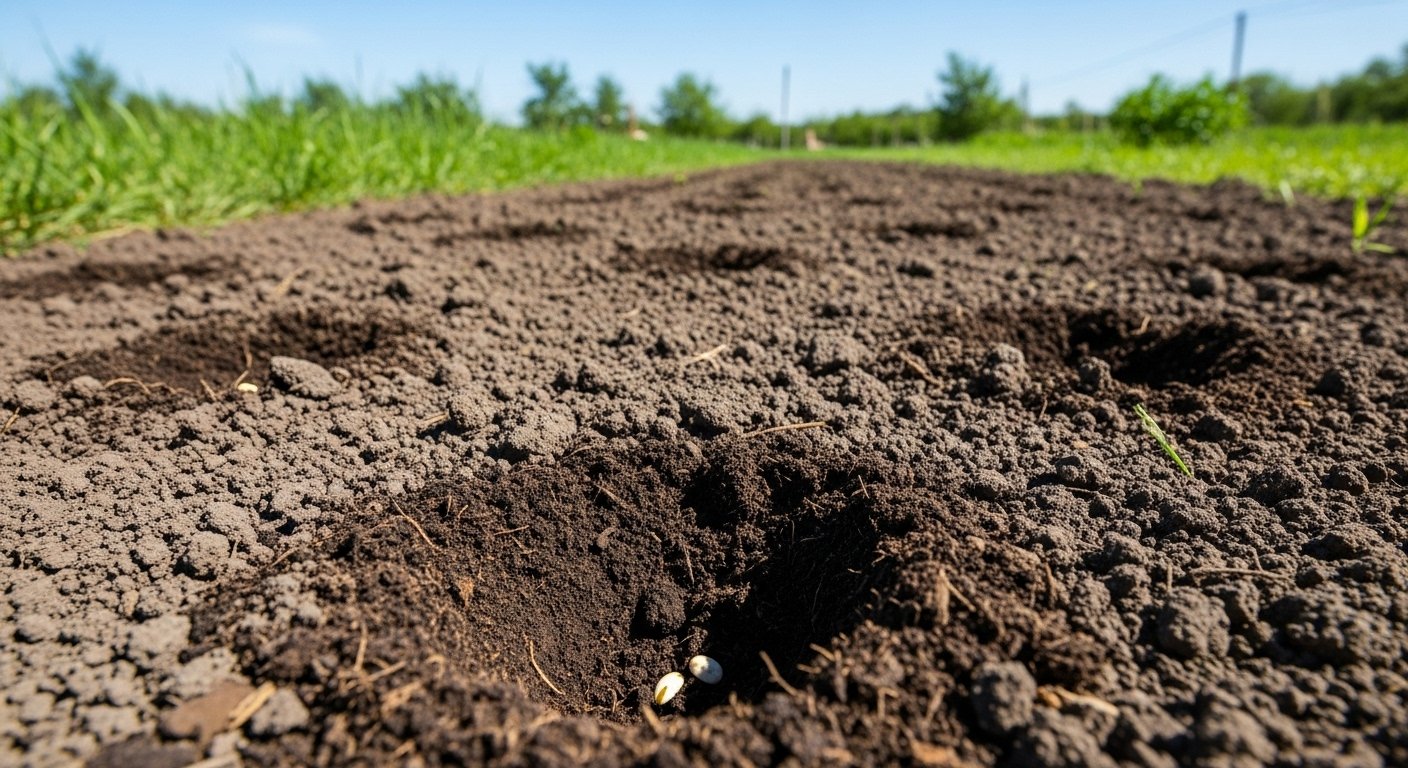
The best time to plant zucchini is after the danger of frost has fully passed and the soil has warmed—typically late spring or early summer, depending on your region. Zucchini thrives when daytime temperatures are consistently between 70°F and 90°F (21°C to 32°C), as cooler soils can stunt or slow its growth.
Choose a spot in your garden that gets full sun for at least 6 to 8 hours a day, since zucchini plants need plenty of sunlight to produce healthy, abundant fruit. Avoid low-lying or frequently soggy areas, as zucchini prefers well-drained, fertile soil.
You can either sow zucchini seeds directly into the ground or start with young transplants. Direct seeding is straightforward and works well because zucchini grows quickly; just plant seeds about an inch deep and space them two to three feet apart.
If you prefer a head start—especially in short-season climates—start seeds indoors two to four weeks before your last expected frost date, then transplant the seedlings outdoors once the weather has warmed.
Remember, whether seeding or transplanting, keeping the soil moist (but not waterlogged) and mulching around the plants helps retain warmth and moisture, giving zucchini the best start for a productive season.
Preparing the Soil for Zucchini
Zucchini thrives in soil that is well-drained and rich in nutrients, so start by choosing a planting spot with plenty of sunlight and loose, loamy dirt. If your garden soil feels heavy or sticky, it probably contains too much clay—mix in plenty of compost or well-rotted manure to boost fertility and improve drainage.
Aim for at least a two- to four-inch layer of compost mixed into the top 6–8 inches of soil; this not only improves texture but also feeds your plants all season. In regions prone to heavy rainfall or slow-draining yards, consider planting zucchini in raised beds or on gently sloping mounds. This simple trick allows excess water to run off, keeping roots from becoming waterlogged and prone to rot.
With rich, well-prepared soil and good drainage, you’ll set your zucchini up for a plentiful and healthy harvest.
How to Plant Zucchini (Seed & Starter Plant Methods)
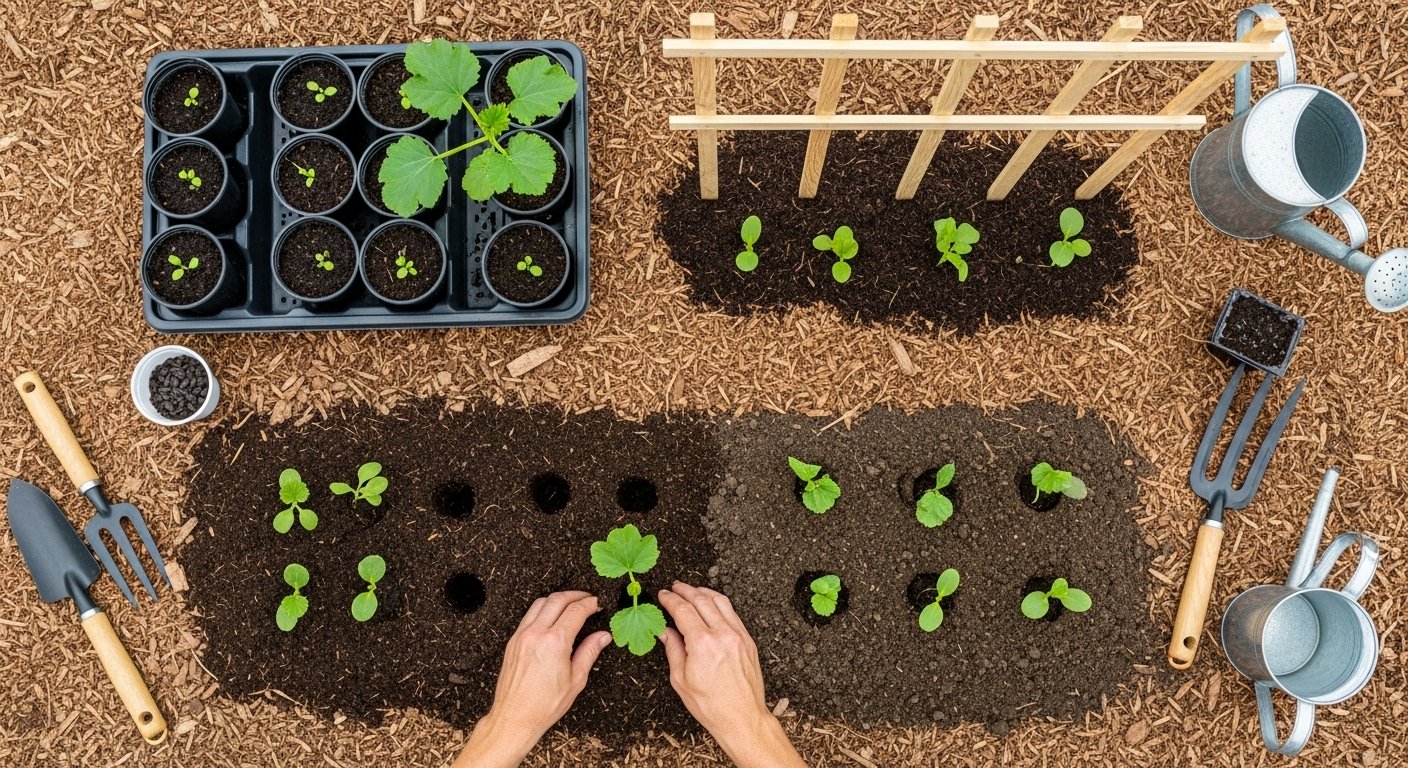
Planting zucchini is easy and rewarding, whether you’re starting from seed or using nursery starter plants. To direct seed outdoors, wait until all danger of frost has passed and soil temperatures reach at least 65°F (18°C). Sow seeds about 1 inch deep and space them 2 to 3 feet apart in rows or mounds, as zucchini plants need plenty of room to spread. Thin seedlings to the strongest plant per spot once they have a couple of true leaves.
If you’re planting starter plants, gently remove them from their pots, keeping the roots intact, and set them slightly deeper than they were in the container. Space these transplants 2 to 3 feet apart as well, and water thoroughly after planting to help roots settle in.
While traditional zucchini varieties are bushy and don’t require support, if space is tight or you’re growing vining types, a simple trellis or tomato cage can keep foliage and fruit off the soil and improve airflow. A sturdy vertical structure like a garden obelisk, cattle panel, or even a DIY wooden frame works well for training vines upward—just secure stems gently with soft ties as the plant grows.
Supporting your zucchini not only saves garden space but can also reduce the risk of mildew and rot by keeping fruit drier. With these steps, you’ll set your zucchini up for a healthy, abundant harvest all season long.
Caring for Your Zucchini Plants
Proper care ensures a healthy zucchini harvest, starting with watering. Zucchini plants need consistently moist soil but dislike soggy roots; aim to water deeply two to three times a week, adjusting for rainfall and heat. Morning watering at the base of the plant helps prevent diseases like powdery mildew.
For extra nutrition, feed plants with a balanced fertilizer (10-10-10) every four weeks, or use compost or well-rotted manure to boost growth naturally. Mulching with straw or shredded leaves keeps soil moisture stable and weeds at bay, making your life easier.
Prune lower leaves to improve air flow and reduce disease risks—just snip off any leaves touching the ground. In windy areas or with heavy fruit, staking can provide support and prevent breakage.
Watch for pests like squash bugs and cucumber beetles; handpick them early or use insecticidal soap and encourage helpful insects like ladybugs. Check leaves for powdery mildew or blossom end rot, which can be tackled by improving watering habits and ensuring soil calcium.
Practicing crop rotation and cleaning up old plant debris also reduces recurring problems. This balanced approach helps your zucchini thrive, producing lush growth and plenty of tasty veggies.
How and When to Harvest Zucchini
Knowing when to harvest zucchini is key to getting the best flavor and texture. Look for zucchinis that are about 6–8 inches long with glossy, firm skins. Any larger, and they can become watery and bland, with tougher seeds.
Gently squeeze the zucchini; it should feel firm, not mushy or soft. Use a sharp knife or garden shears to cut the stem about an inch above the fruit, rather than twisting or pulling, which can damage the plant.
Harvesting regularly—every two to three days during peak season—keeps your plants producing more fruit. Zucchinis left too long on the vine send signals to the plant to slow down production.
If you find a hidden, oversized zucchini, don’t worry—pick it anyway to keep the harvest coming. Try using the giant ones for baking or stuffing recipes to reduce waste.
Health Benefits and Simple Recipes
Zucchini is a nutritional powerhouse, packed with vitamins A and C, potassium, and antioxidants, all while being low in calories—just about 20 calories per cup. It’s a great way to sneak more veggies into meals without altering familiar flavors or textures, making it ideal for kids or picky eaters.
To encourage more zucchini at the table, try making “zoodles” (zucchini noodles) by using a spiralizer or a vegetable peeler. Top them with a favorite pasta sauce or a sprinkle of Parmesan for a veggie-boosted meal.
Another fun idea is zucchini fritters: grate zucchini, squeeze out excess water, mix with an egg, a bit of flour, and some cheese, then pan-fry until golden for a crispy snack or side.
For a sweeter spin, add grated zucchini to muffin or pancake batter—it blends right in, adding moisture and vitamins with hardly any noticeable taste.
These simple methods make zucchini approachable and tasty, making it easier for everyone in the family to enjoy its health benefits.
Conclusion
Growing zucchini is simple and highly rewarding, even for beginners—you’ll enjoy fresh harvests all season long. Why not start your own zucchini patch today?
For more helpful tips and guides on gardening and zucchini care, check out the resources linked below and watch your garden thrive.