Introduction
Growing zucchini in cold weather can be a challenge, even for seasoned gardeners, but the rewards are definitely worth the effort. Squash and zucchini have surged in popularity thanks to their fast growth, tender texture, and versatility in the kitchen—they’re delicious grilled, spiralized, or even baked into sweet breads. For home gardeners, these plants are a favorite because they’re incredibly productive and can be harvested multiple times throughout the season.
However, if you live in an area with chillier temperatures and unpredictable weather, you might wonder if it’s possible to enjoy fresh zucchini from your own garden. In this article, we’ll explore practical, actionable tips on how to start seeds, protect your plants, and choose the right varieties best suited for cold climates. Whether you’re hoping for a bumper crop or just a few homegrown fruits, this guide will help you master growing zucchini in less-than-ideal temperatures.
Squash and Zucchini Varieties: What to Know Before You Plant
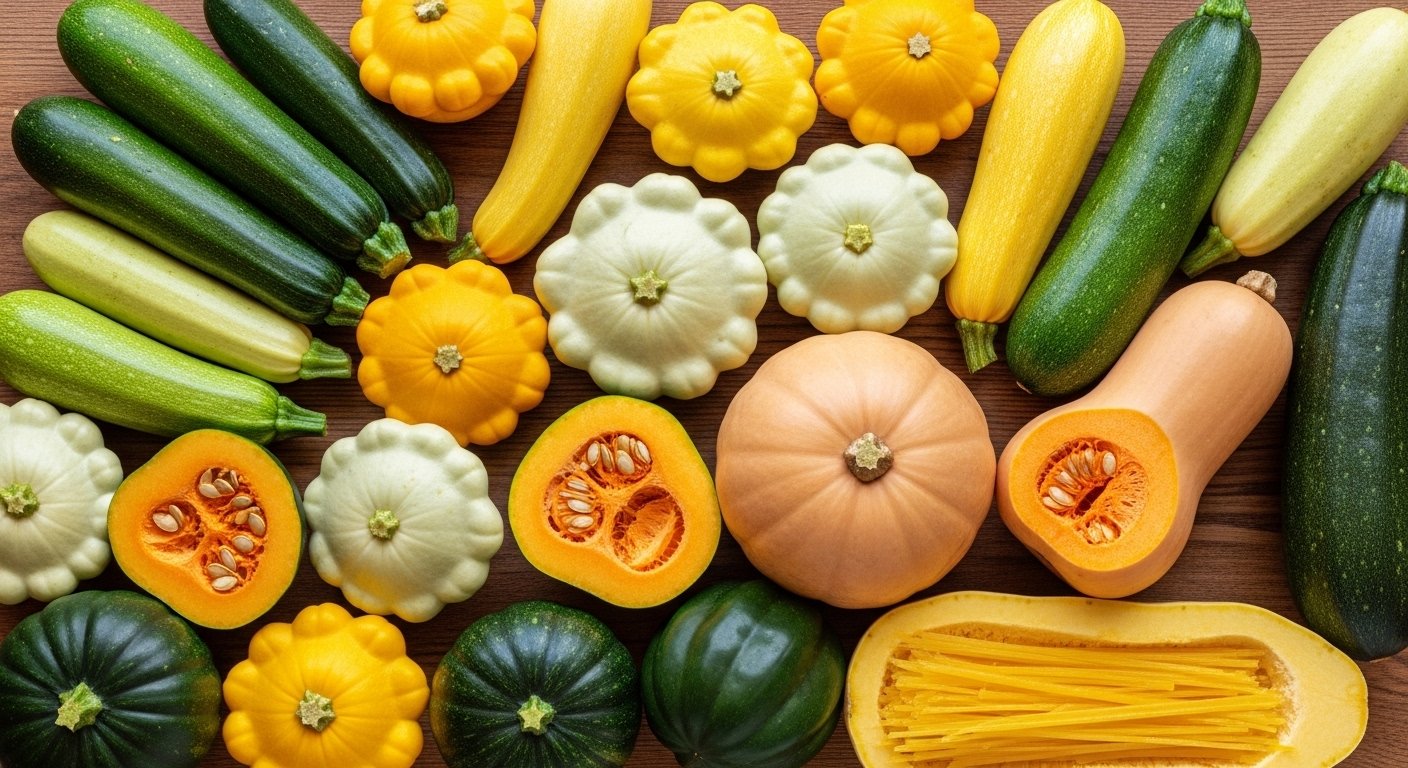
When planning your garden, understanding the differences between summer and winter squash is essential for a successful harvest. Summer squash, like zucchini, yellow crookneck, and pattypan, are harvested while their skins are tender and seeds are still immature—perfect for grilling or sautéing right off the vine. In contrast, winter squash such as butternut, acorn, and spaghetti squash are picked mature, with tough rinds that allow for long storage through the colder months.
Choosing the right variety for your space and needs is also crucial. Compact or bush types like ‘Black Beauty’ zucchini are great for container gardens or smaller plots, while vining varieties like ‘Tromboncino’ need more room to sprawl but often produce heavier yields.
Disease resistance is another key consideration, especially if you’ve struggled with powdery mildew or vine borers in the past. Look for varieties bred for resilience, like ‘Success PM’ zucchini or ‘Honey Bear’ acorn squash.
When comparing zucchini to other types of squash, zucchini stands out for its fast growth, heavy production, and versatility in recipes, whether sliced into stir-fries or baked into bread. However, winter squash varieties, though slower to mature, reward patience with naturally sweet, dense flesh ideal for soups and roasting.
By mixing a few different types—perhaps a compact zucchini alongside a vining butternut—you can enjoy both immediate summer abundance and hearty winter meals, making the most out of your gardening efforts.
Planning and Starting Your Squash Garden
Choosing the right spot for your squash garden is key to a healthy, productive harvest. Squash plants thrive in full sunlight, so aim for a location that receives at least six to eight hours of direct light each day—morning sun is ideal if you have the option.
The soil should be rich in organic matter and well-draining, as squash roots do not tolerate soggy conditions. If your garden soil is heavy clay or tends to pool water, consider mixing in compost or building raised beds to improve drainage and soil texture. Before planting, work compost or aged manure into the top 8–12 inches of soil to provide plenty of nutrients for your young plants.
Once your site is ready, the best time to plant squash is after the danger of frost has passed and the soil temperature is consistently above 60°F (16°C). Give each squash plant plenty of room to sprawl—bush varieties need about 3–4 feet between plants, while vining types can require 4–6 feet or more.
For an early start, you can sow squash seeds indoors about 3–4 weeks before your last expected frost date; use biodegradable pots so transplanting won’t disturb the roots, and keep the seedlings in a warm, sunny spot. If you’re direct sowing outdoors, simply plant seeds 1 inch deep in hills or rows once the soil is warm and all signs of frost are gone.
Whichever method you choose, remember that squash roots are delicate—handle seedlings gently and avoid disturbing their root balls during transplanting. With a bit of preparation, you’ll set your squash garden up for a strong, fruitful season.
Planting and Early Care for Healthy Growth
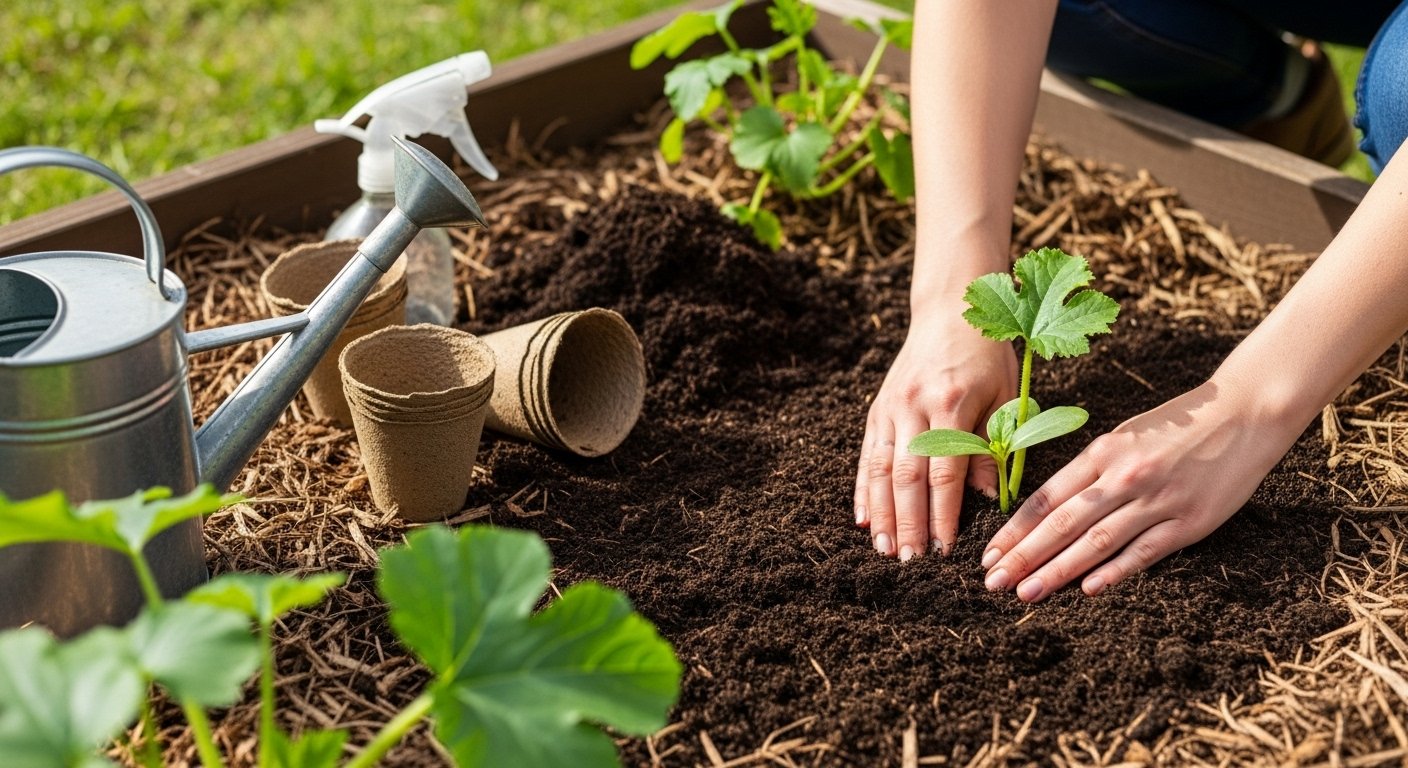
Starting your garden off right begins with careful planning and attention to each step, whether you’re growing from seeds or transplanting seedlings. Begin by choosing a sunny spot with well-draining soil; loosen the soil to about 12 inches deep, mixing in compost or organic matter to boost nutrients.
When planting seeds, follow the packet instructions for depth and spacing—overcrowding leads to weak plants, so resist the urge to sprinkle too many in one spot. For seedlings, dig a hole just deep enough for the root ball, gently firm the soil around the stem, and water thoroughly to eliminate air pockets.
After planting, add a two-inch layer of mulch (straw, shredded leaves, or bark) to help retain soil moisture and suppress weeds, but keep it a few inches away from plant stems to prevent rot. Water newly planted seeds and seedlings gently with a watering can or hose fitted with a soft spray, aiming for consistently moist—not soggy—soil.
If using containers, pick pots with good drainage holes and fill them with high-quality container mix or a blend of compost, peat, and perlite; raised beds benefit from rich, loose soil that’s refreshed every season. Remember, containers may dry out faster than in-ground beds, so check moisture daily.
In both setups, label your plants to stay organized and track your progress—this helps troubleshoot issues later on. By sticking to these basic but crucial steps, you’ll give your garden a solid foundation for strong, healthy growth, setting you up for a productive and rewarding season.
Ongoing Plant Care: Water, Fertilizing, and Pruning
Keeping your plants healthy starts with mastering the basics of watering, fertilizing, and pruning. For watering, always check the top inch of soil—if it feels dry, it’s time to water. Early mornings are best, allowing leaves to dry and preventing disease. Aim for deep, thorough soaks rather than frequent light sprinkles to encourage strong root growth.
When it comes to fertilizer, use an all-purpose balanced formula (like 10-10-10) for most plants, feeding monthly during the active growing season—spring and summer—but hold back in fall and winter when growth slows. For veggies and flowering plants, look for specialized blends (higher in phosphorus or potassium) to boost blooms or fruit production, and always follow the label for correct dosage.
Pruning is another essential step: regularly pinch or cut back spent blossoms and overgrown branches to promote new growth and increase airflow, which helps reduce the risk of pests and fungal diseases. For tomatoes, try removing the lower leaves and any “suckers” (the tiny branches between the main stem and leaf) to direct energy toward fruit development.
If your plants are tall or vining, use stakes, cages, or trellises for support—position stakes early to avoid root damage and tie stems gently with soft twine. This keeps foliage upright, reduces contact with wet soil, and improves sunlight exposure, all of which can lead to a bigger, healthier harvest.
By combining the right amount of water, the right nutrients, and small but regular maintenance tasks like pruning and staking, your garden can thrive with less effort and look its best throughout the season.
Common Pests and Diseases: Prevention and Management
Keeping your garden free from common pests like squash bugs, vine borers, and aphids—as well as diseases such as powdery mildew and blossom end rot—starts with a proactive approach. Inspect plants regularly for early signs of trouble. Look for tiny insects on the undersides of leaves or holes in stems, since early detection makes control much easier.
For squash bugs and vine borers, floating row covers can keep adult insects away from your crops, but remember to remove them during flowering to allow pollinators in. Handpick pests when numbers are low, and destroy any affected plant matter promptly. Aphids can often be managed by spraying plants with a strong jet of water or releasing beneficial insects like ladybugs.
Combat powdery mildew by watering at the base of plants—wet leaves can encourage fungus—and prune overcrowded branches to boost airflow. To prevent blossom end rot, make sure your soil drains well and stays consistently moist, as calcium uptake is key; mulching can help retain soil moisture.
Good garden hygiene goes a long way: clean up plant debris, rotate crops each year, and disinfect tools to avoid spreading disease. Finally, practice companion planting—grow marigolds or nasturtiums alongside squashes or cucumbers to repel pests, and basil near tomatoes to help deter insects and improve flavor.
By combining these organic strategies and keeping a watchful eye, you’ll create a healthier, more resilient garden.
Flowering, Pollination, and Improving Yield
Squash and zucchini plants rely on bee pollinators to transfer pollen from male to female flowers for fruit development. Male flowers, which appear first, have a single slender stalk, while female flowers feature a tiny squash at the base that will swell into fruit if successfully pollinated. Poor pollination results in shriveled or stunted fruit that quickly rots or drops off.
To attract pollinators, grow plenty of flowering herbs and native plants nearby, and avoid using pesticides—especially during bloom. You can also hand-pollinate by gently transferring pollen from the male flower’s center to the female’s stigma using a small paintbrush, or by picking a male flower, removing its petals, and brushing the anther onto the female flower’s center.
For better yields, plant squash in groups to increase the chances of pollination, and pick mature fruits promptly to encourage the plant to set more. Mulching and consistent watering keep plants healthy and productive, while regular feeding with compost or organic fertilizer supports robust flowering and fruit set.
Harvesting, Curing, and Storing Your Crop
Knowing when to harvest zucchini and squash ensures you get the best flavor and texture. For zucchini, pick them when they’re firm and about six to eight inches long—any bigger, and they might become watery and seedy. Summer squash varieties are ready when they’re glossy, tender, and about the size of your hand.
When harvesting, use a clean, sharp knife or garden shears to cut the fruit from the stem, leaving a small portion of the stem attached. This helps avoid injuring the plant and prevents rot. Be gentle to avoid disturbing surrounding blossoms or immature fruits, as rough handling can damage the plant and reduce future yields.
For winter squash, such as butternut or acorn, wait until the rinds are hard and can’t be punctured by your fingernail, and the stems have turned dry and brown. Once harvested, cure winter squash by laying them in a warm, dry, and well-ventilated area for about one to two weeks—an open garage shelf works well—so their skins can fully harden.
After curing, move the squash to a cool (50–55°F), dark, and dry place for storage. Properly cured and stored winter squash can last for several months, keeping your pantry stocked well into winter. Regularly check stored squash for soft spots or mold, and use any blemished ones first to minimize waste. With these steps, you’ll enjoy a longer, more bountiful harvest.
Conclusion
Growing squash and zucchini can be a rewarding experience when you provide plenty of sunlight, regular watering, and rich soil. Be sure to plant them with enough space to spread and keep an eye out for common pests like squash bugs. Harvesting often encourages more fruit, so enjoy picking them while they’re young and tender for the best flavor.
Don’t be afraid to experiment—try different varieties or companion plants to see what thrives in your garden. Most importantly, have fun and savor the process from seed to table. If you have your own tips or favorite squash recipes, feel free to share them in the comments!
For more practical gardening advice and inspiration, be sure to subscribe and stay connected with our growing community.