Introduction
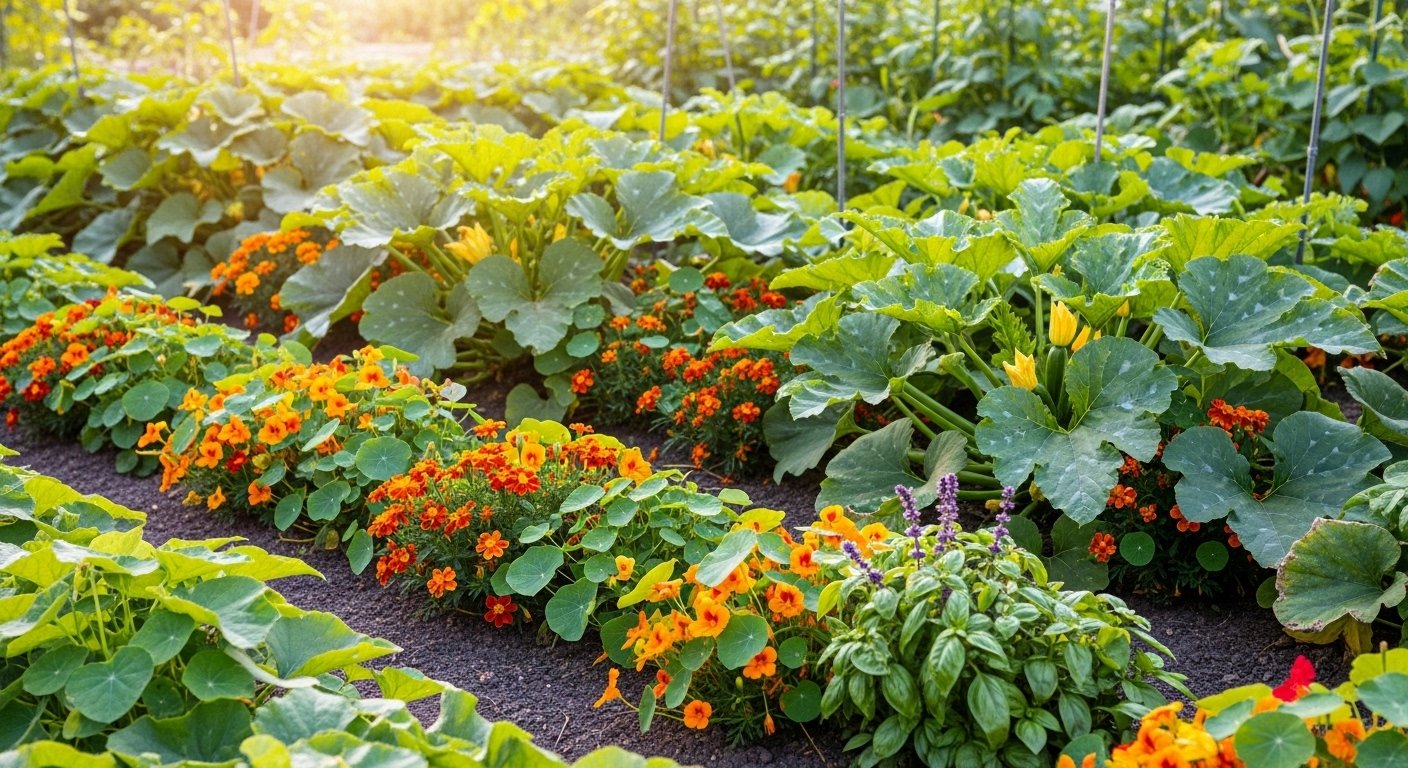
Labeling zucchini plants is a surprisingly simple yet powerful strategy for gardeners aiming to optimize their harvests. Companion planting—the thoughtful placement of compatible crops near each other—is a method that brings significant benefits for zucchini growers, such as healthier plants, efficient pest management, and improved yields.
By tracking which varieties of zucchini you’ve planted and recording nearby companion crops, you can create a detailed map of your garden’s layout and monitor what’s working best. For example, marking zucchinis planted near marigolds or nasturtiums can help you identify which combinations naturally deter pests like squash bugs, while observing growth rates near beans or corn may highlight improvements in plant vigor.
Labeling makes it easy to spot trends, adjust planting patterns in future seasons, and avoid mixing up cultivars with different needs. In the sections ahead, we’ll share practical tips for creating durable plant labels, setting up a tracking system suited to any garden size, and using your observations to make smarter, data-driven decisions year after year—helping ensure your zucchini patch reaches its full, healthy potential.
Best Growing Conditions for Zucchini: Location, Soil & Spacing
Zucchini thrives in full sunlight, so choose a garden spot that receives at least six to eight hours of direct sun each day—this maximizes fruit production and keeps plants healthy. They prefer warm temperatures, ideally between 65°F and 85°F (18°C to 29°C). Avoid planting until after the last frost, as cold snaps can stunt or kill young plants.
Proper spacing is also key: zucchini need room to sprawl, so leave 2 to 3 feet between each plant. This spacing allows for good airflow, minimizing the risk of mildew and pests.
When it comes to soil, zucchini aren’t picky but truly excel in loose, well-drained, and fertile earth. The ideal soil pH is between 6.0 and 7.5—slightly acidic to neutral—so test your soil and adjust as needed using lime to raise pH or sulfur to lower it. Mixing in compost or well-rotted manure before planting boosts soil nutrients, improving growth and yields.
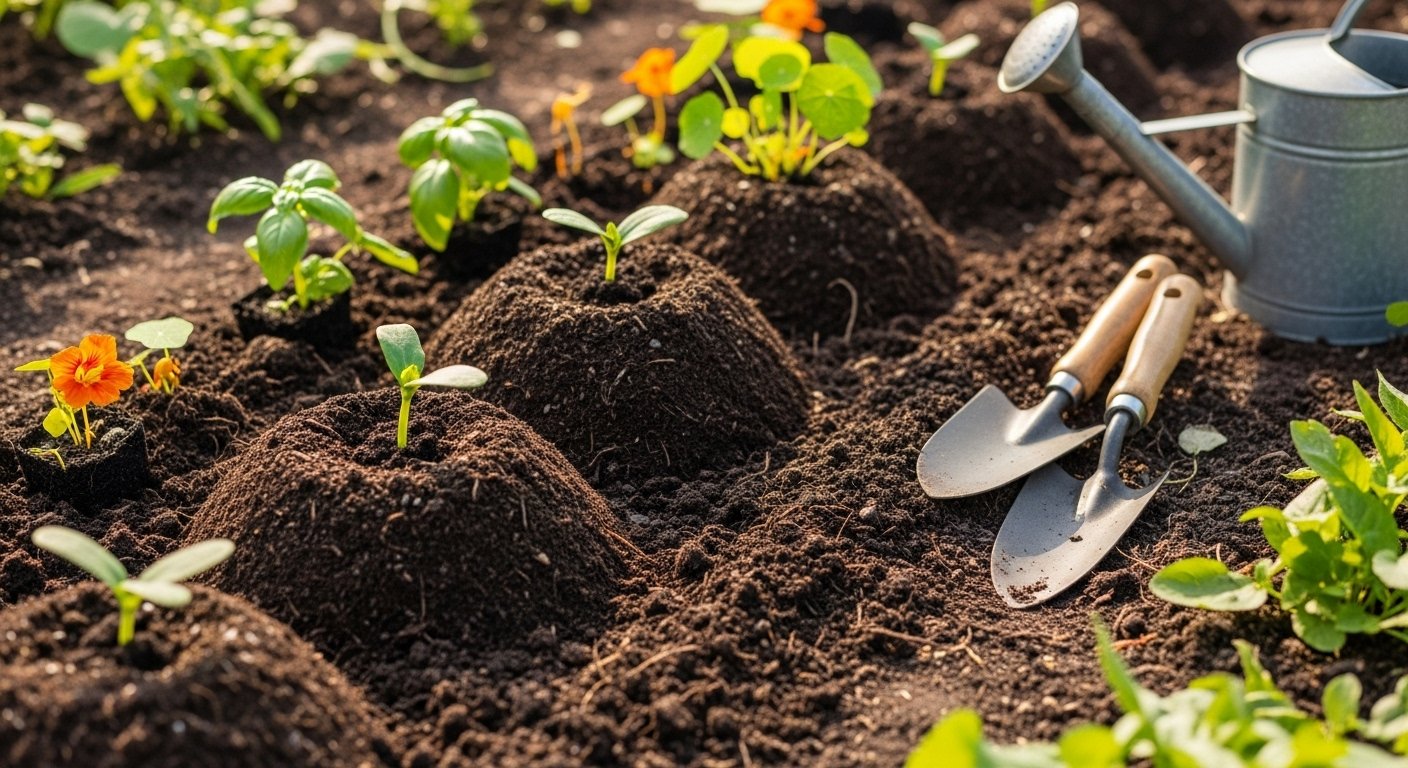
For the best results, make plant mounds by creating small hills in your bed and planting seeds or starts on top; this method ensures good drainage and warms the soil quickly.
If you want to harness the power of companion planting, nestle zucchini near flowers like nasturtiums or herbs like basil. These companions attract pollinators and deter common pests. To get the most benefit, prepare your beds by interspersing companion plants about 12 inches from your zucchini, keeping both airflow and sunlight access in mind.
By tailoring sunlight, soil, and neighbor plants, you’ll set your zucchini up for a strong, healthy season.
Best Companion Plants for Zucchini
When planning your zucchini patch, pairing it with the right companion plants can make a big difference in plant health and harvest. Beans and peas are top choices because they naturally add nitrogen to the soil, providing zucchini with essential nutrients while improving overall soil fertility. Simply plant these legumes nearby, allowing their roots to enrich the earth where your zucchini will thrive.
Nasturtiums are another fantastic companion—these vibrant flowers attract aphids, drawing them away from your zucchini and acting as a living pest trap. Plant nasturtiums along the edges or between zucchini plants for easy aphid management.
Marigolds, known for their bright blooms and distinctive scent, help repel pests like nematodes, squash bugs, and beetles. Set marigolds around the perimeter of your zucchini bed or alternate them between zucchini hills for natural pest defense.
Another excellent option is borage, which draws in bees for improved pollination. Better pollination means more productive zucchini with fuller, healthier fruits, so consider tucking a few borage plants in among your zucchini or at the ends of rows.
Lastly, herbs like oregano and basil not only enhance your garden’s flavors but their aromatic leaves confuse and deter pest insects, giving zucchini extra protection.
Space your companions about 12–18 inches from your zucchini plants to avoid crowding and ensure everyone gets enough light and airflow. Stick with planting companions that grow upright or have shallow roots to reduce competition, and remember to rotate plant placement each season to keep your garden soil healthy.
By combining these companion plants thoughtfully, you’ll boost your zucchini’s resilience and production without relying on chemicals—making your garden both eco-friendly and bountiful.
What Not to Plant with Zucchini
When planning your garden, it’s important to know that some plants just don’t get along well with zucchini. One to definitely avoid is potatoes—since both crops are heavy feeders, they end up fiercely competing for nutrients and water, stunting each other’s growth. Plus, potatoes can attract pests like the Colorado potato beetle, which won’t do your zucchini any favors.
Another group to steer clear of is the squash family, including pumpkins. Planting pumpkins near your zucchini can lead to cross-pollination, resulting in poor fruit quality or even bland, odd-tasting harvests. Both crops are also highly susceptible to similar fungal diseases like powdery mildew, which can spread more rapidly when these plants are crowded together.
Melons, like cantaloupe and watermelon, pose similar risks—these sprawling vines take up tons of space and also attract pests and diseases that can quickly impact your zucchini patches.
Instead, if you’re set on growing potatoes, try placing them far from your squash bed, preferably in their own spot with different crop rotation. For those who love pumpkins, designate a separate area for them so air circulation stays strong and disease pressure stays low.
Good companion options for zucchini include beans, peas, and herbs like basil and nasturtium—not only do these plants avoid competing for resources, but they can help deter aphids and other pests. By thoughtfully planning your garden layout, you can avoid zucchini’s biggest pitfalls and enjoy a healthier, more bountiful harvest.
Pairing Zucchini with Tomatoes, Cucumbers, and Herbs
Zucchini can be a friendly neighbor in the garden when paired with tomatoes, cucumbers, and common herbs, but each combination comes with its own perks and challenges.
Tomatoes and zucchini both thrive in similar conditions—full sun, rich soil, and regular watering—making them compatible in terms of basic care. However, both are heavy feeders and can compete for nutrients, so adding compost and spacing them at least 18–24 inches apart helps ensure both get what they need.
Cucumbers are another summertime favorite, and while they also love sunshine and consistent moisture, they’re vining plants, so be mindful of space. Planting zucchini and cucumbers on opposite sides of a raised bed or letting cucumbers climb a trellis can prevent overcrowding and improve air circulation, which helps reduce the risk of powdery mildew.
As for herbs, basil and oregano are great companions; they can help repel some common insect pests, and their smaller root systems won’t compete much with zucchini. Avoid planting zucchini too close to aromatic herbs like sage or rosemary, as these prefer drier conditions and could suffer with the regular, heavy watering zucchini demands.
When grouping these plants, always consider their mature size and sunlight needs. Mulching around the base of zucchini, tomatoes, and cucumbers will keep soil moisture consistent and discourage weeds.
Lastly, try rotating where you plant these crops each year to minimize disease buildup in the soil. Thoughtful placement and a bit of planning can bring out the best in these garden favorites.
Creating Your Companion Planting Plan
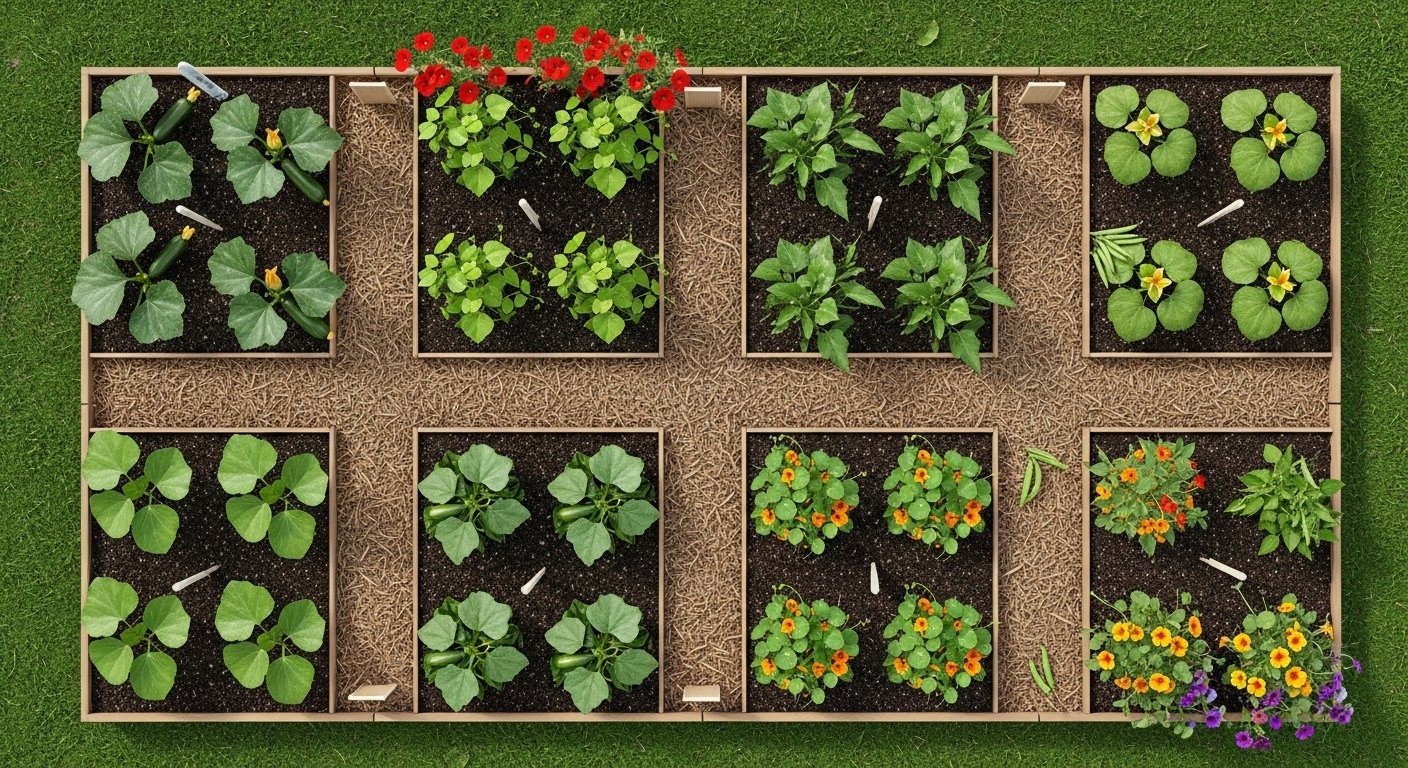
Designing a successful companion planting layout for zucchini starts with thoughtful planning to maximize space, promote plant health, and boost yields. Begin by noting that zucchini thrives with companions like bush beans, peas, and nasturtiums, which help deter pests and add nitrogen to the soil. Avoid planting zucchini near potatoes or fragrant herbs like sage, as they can impede growth.
For crop rotation, avoid planting zucchini or other squash in the same spot each year. Rotate with unrelated plants, such as leafy greens or alliums, to break disease cycles and reduce pest buildup. Succession planting is another savvy tactic: stagger sowings of quick-maturing crops like radishes or lettuce between zucchini transplants early in the season. These can be harvested just as the zucchini begins to spread out, making room for its larger leaves.
In small gardens, try creating paired or trio groupings—such as a triangle of zucchini, bush beans, and nasturtiums—within raised beds or containers. For larger spaces, dedicate wide rows or blocks to zucchini and interplant with diverse companions, leaving pathways between groups for easy harvesting and good air circulation.
Mulch around your plants to suppress weeds and retain moisture, and keep a planting journal to record which combinations work best in your garden. By rotating crops annually, using succession planting, and thoughtfully pairing zucchini with the right allies, you’ll foster healthier plants and a more productive garden, whether you’re working with a few pots or a sprawling backyard plot.
Troubleshooting & More Planting Ideas
Zucchini companion planting can be highly rewarding, but gardeners often face a few common challenges—chief among them are pests, overcrowding, and nutrient competition. Squash bugs and cucumber beetles are notorious for targeting zucchini, but planting marigolds or nasturtiums nearby can help distract these pests, acting as natural traps or deterrents.
Overcrowding is another stumbling block; zucchinis grow rapidly and need plenty of space for airflow, so be sure to thin seedlings and avoid planting vigorous companions too closely. If soil nutrients become an issue (zucchinis are heavy feeders!), rotate in nitrogen-fixing plants like beans or peas, or simply add compost throughout the season.
Thinking creatively, try vertical gardening with sturdy trellises or cages to lift zucchinis off the ground. This not only saves space in smaller gardens but also helps prevent diseases spread by moist soil. Container planting is a smart choice for those short on space or trying to keep pests at bay—just remember to use large, deep pots and rich soil.
Mixing in flowering herbs such as dill or calendula doesn’t just add color; these can attract helpful pollinators and beneficial insects. Layering multiple strategies—good spacing, soil enrichment, pest-deterring flowers, and creative layouts—lets you sidestep most companion planting pitfalls and keeps your zucchini patch healthy and productive all season long.