Introduction to Tomato Plant Support Methods
When you’re trying to decide between trellis vs cage tomatoes, you’re not just picking a garden accessory—you’re making choices that can seriously affect your plants’ health and your tomato harvest. Proper support for your tomato plants is essential. Heavy fruit and vigorous vines can quickly get out of hand, leading to broken stems, reduced yields, and fruit that rots on the ground. Supporting your tomatoes keeps their fruits cleaner, improves air circulation to ward off diseases, and helps you spot ripening tomatoes before pests do.
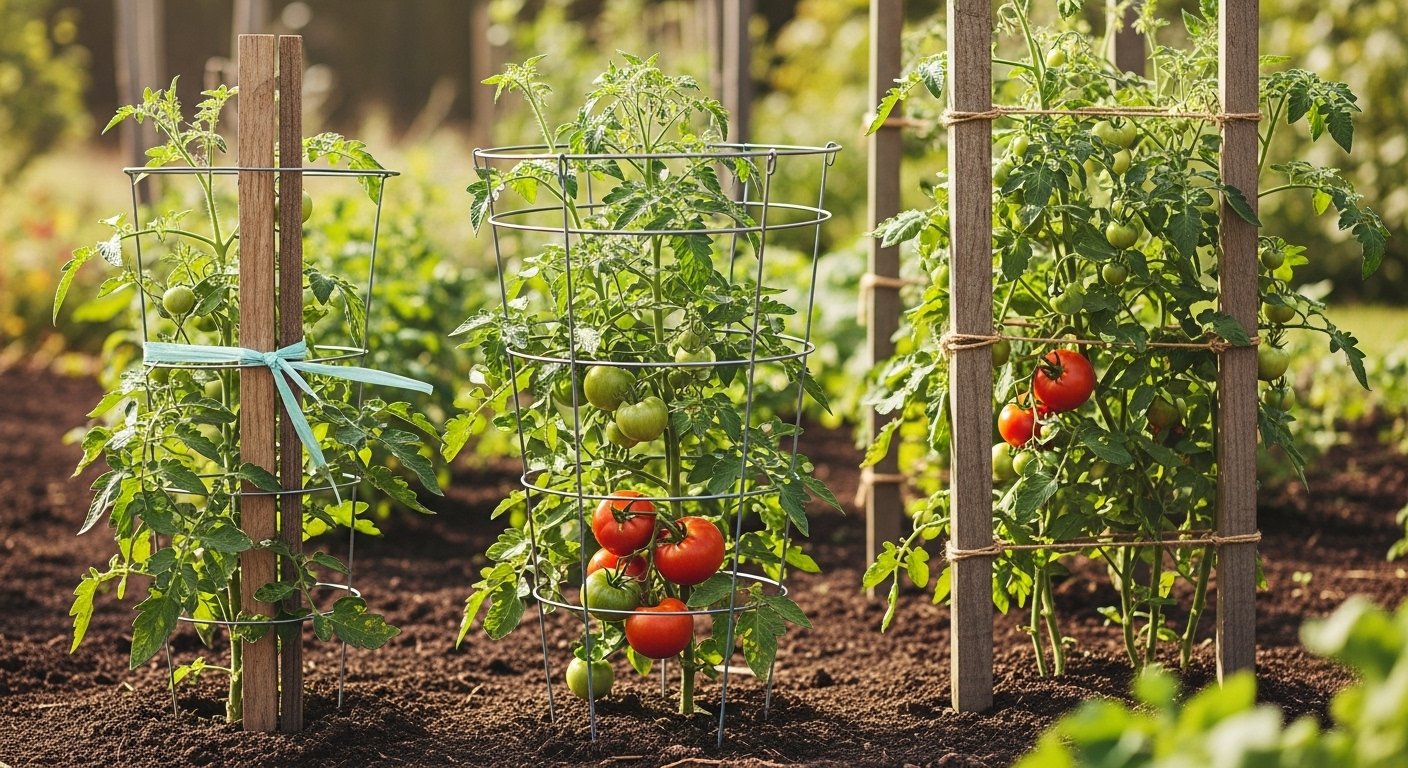
Gardeners typically turn to three main support options: staking, caging, and trellising. Staking involves tying the plant to a sturdy vertical post, offering a compact solution that works well for small spaces and varieties with a single main stem. Caging means placing a wire frame around your plant, letting it sprawl a bit more while still keeping fruit off the soil—this method is ideal for bushier, determinate tomato types. Trellising involves training tomatoes upward along a fence, string, or rigid frame, often giving robust, indeterminate varieties all the vertical space they crave.
Each of these methods comes with its own set of pros and cons. Some may demand more effort up front, while others need less maintenance but take up more space. Choosing between trellis vs cage tomatoes can be confusing—especially if you’re not sure what will work best for your garden’s size, your tomato variety, or the time you have available for plant care.
In this article, we’ll break down all the key differences, advantages, and drawbacks of these popular support methods. Our goal is to guide you through the decision-making process so you can pick the best tomato support for your situation—helping you grow healthier plants and reap a juicier, bigger harvest.
Pros and Cons of Staking Tomato Plants
Staking tomato plants means supporting them as they grow, usually by tying their main stem to a vertical support like a wooden or metal stake. Many gardeners use simple wooden stakes, which are affordable and easy to find, or metal rods for added durability and reuse year after year.
The primary advantage of staking lies in its ability to save valuable garden space since upright growth keeps plants compact and accessible. This method also allows for better airflow around the foliage, helping reduce common tomato diseases linked to moist, crowded conditions, such as blight and mildew. Staked tomatoes are easier to harvest and less likely to suffer fruit rot, as the fruit remains off the ground.
However, staking isn’t without drawbacks. It requires regular attention, as tomatoes need to be gently tied to their stakes every week or two as they grow. Using rough twine or tying too tightly can damage stems, leading to wounds or restricted nutrient flow. Not all tomato varieties grow well with staking, especially large, heavy-fruited plants that may break under their own weight.
How to Stake Tomatoes Effectively
To stake tomatoes successfully, keep these tips in mind:
- Choose stakes at least six feet tall and drive them one foot into the ground for sturdy support.
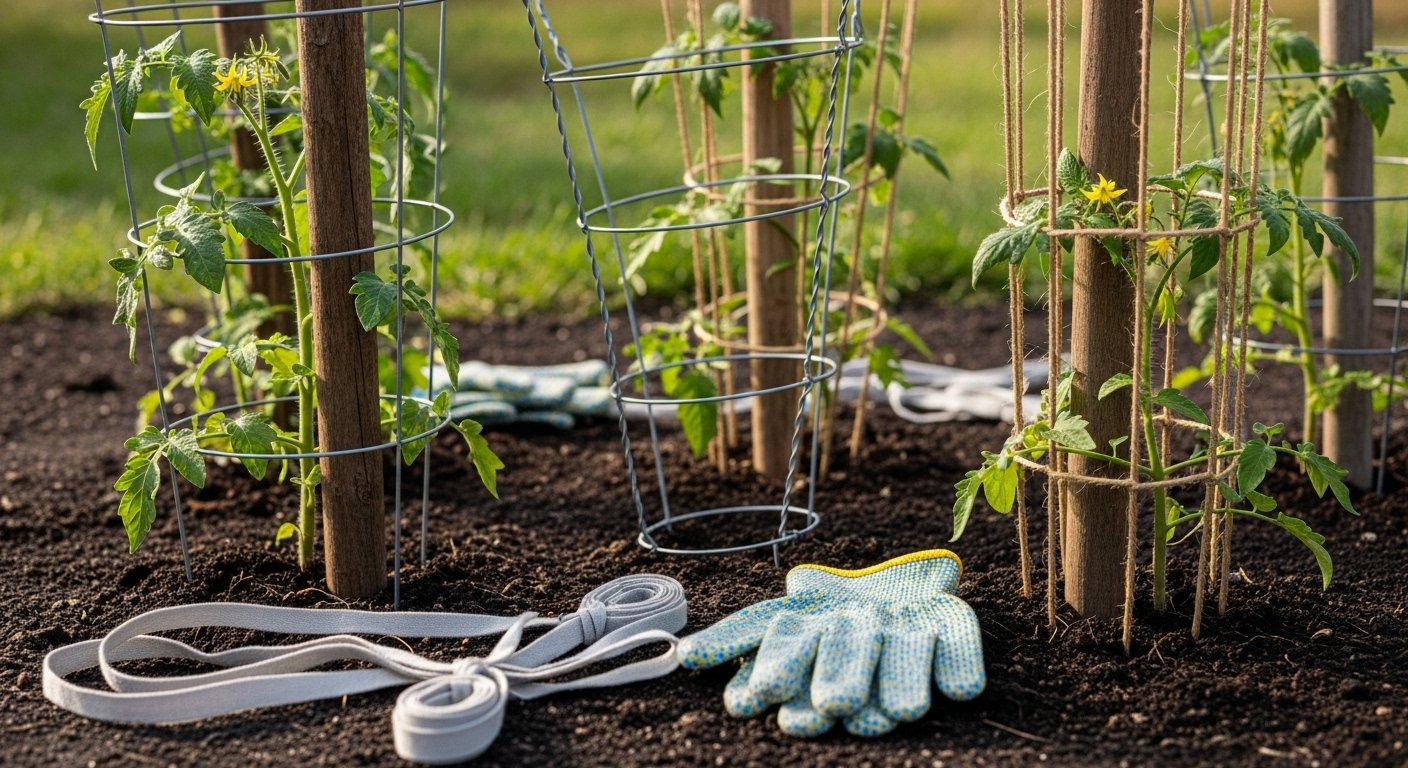
- Use soft ties like garden tape, strips of old t-shirts, or special tomato clips to secure stems every eight to twelve inches, leaving a little room for the stem to expand.
- Check ties regularly, especially after summer storms or windy days, and retighten or adjust as needed.
- Begin staking while plants are still young; trying to stake a large, bushy plant can cause broken branches.
By keeping these tips and trade-offs in mind, you can enjoy healthier, tidier plants and a more productive harvest from your tomato garden.
Pros and Cons of Using Tomato Cages
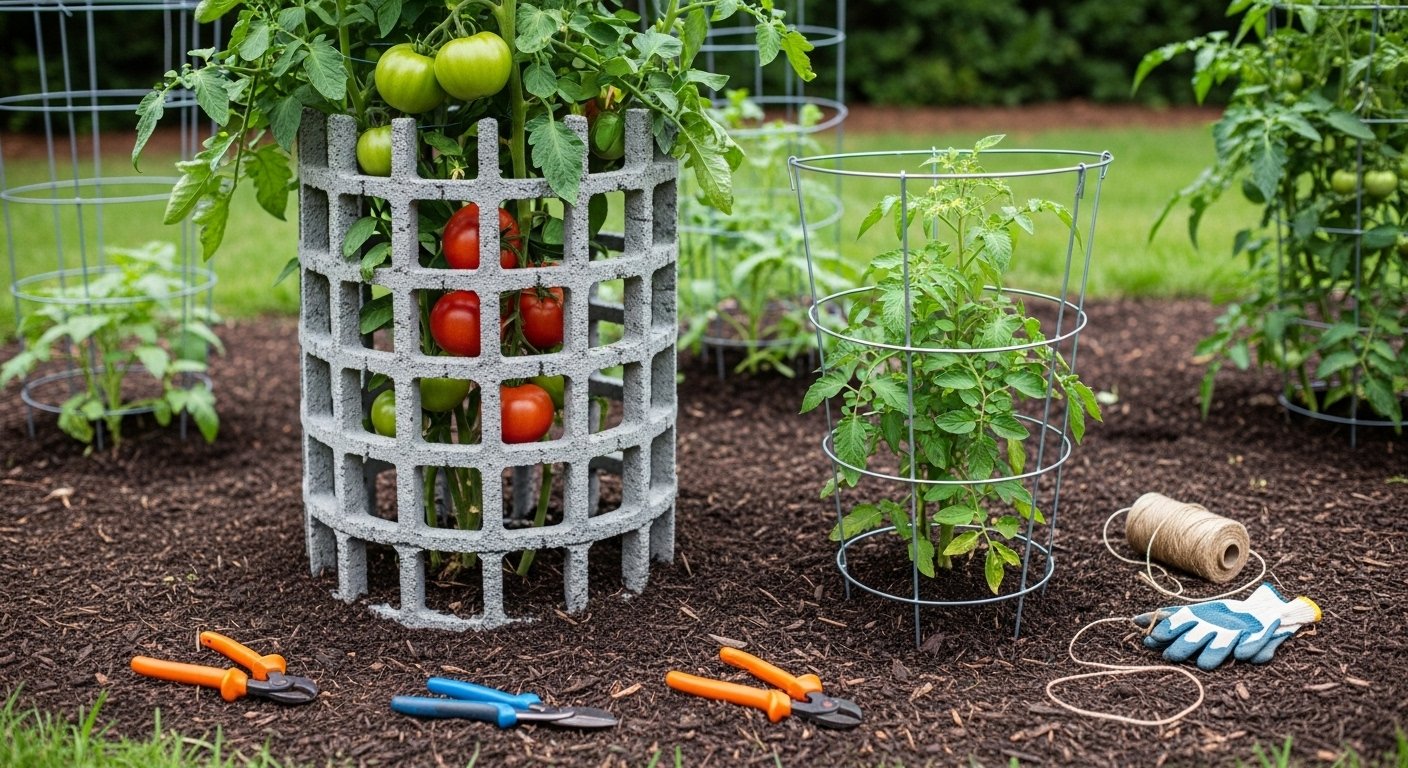
Tomato cages come in a variety of types, from classic store-bought wire structures to creative DIY options made from materials like wood, concrete reinforcement mesh, or even upcycled fencing panels. Store-bought cages are usually made of galvanized steel and arrive ready to use, making them a popular choice for gardeners who value convenience and speed. DIY cages, though requiring a bit more upfront effort, can be stronger and customized in size—perfect if you’re growing a large number of tomatoes or need tailored support for particularly tall or sprawling varieties.
One major benefit of using cages is how easy they are to set up—just press them into the soil around your young plant, and you’re done. They provide reliable upright support, especially for bushy determinate varieties, helping to keep fruit off the ground and reducing disease risk. Once installed, cages require very little maintenance throughout the growing season.
However, there are some drawbacks to consider. Cages can take up more space than staking, making them less ideal for tight gardens or container setups. Smaller, lightweight cages found in garden centers may also collapse under the weight of heavy indeterminate plants laden with fruit, especially after a summer storm.
To avoid these issues, match your cage style to your tomato variety:
- Petite wire cages are fine for compact or patio tomatoes.
- Robust DIY cages made of concrete mesh or sturdy wood slats work best for vining, indeterminate types that grow extra tall.
Whatever you choose, check cage height and diameter before planting—aim for at least 4-5 feet tall and wide enough for the plant to grow freely. If space is at a premium, consider training tomatoes to fewer vines or trying a vertical trellis instead.
By weighing the pros and cons and picking the right cage for your tomato type, you’ll set your plants up for a more productive and manageable growing season.
Trellising Methods: Florida Weave, Wire, and More
When it comes to supporting tomatoes, cucumbers, or other vining crops, a good trellising method can make all the difference in plant health and garden productivity.
The Florida Weave is one of the simplest and most popular systems, perfect for home gardeners with a few tomato plants. This method uses sturdy stakes placed at the ends and between every few plants in a row; strong twine is woven alternately between the plants and stakes as the plants grow, gently holding them upright. It’s quick to set up, affordable, and easy to adjust as your plants put on height, though it works best in smaller spaces and with determinate varieties.
For larger gardens or heavier crops, wire trellises offer a more robust solution. These typically use strong posts—wood or metal—anchored at the row ends, with one or more taut wires stretched horizontally between them. Plants can be tethered to the wire with clips or soft plant ties, allowing for better airflow and light penetration, which reduces disease risks. This system can support taller or indeterminate plants and is a go-to for market gardeners thanks to its durability.
Permanent frame trellises, usually made from wood or metal, are ideal for perennial climbers like grapes or for gardeners wanting a long-term, low-fuss setup. Once built, they require little more than seasonal cleaning and a check for loosened connections, making them a great investment for larger or dedicated beds.
Whichever system you choose, the key is sturdy construction and regular maintenance: check that stakes or posts remain upright after storms, tighten loose wires or twine, and remove any diseased plant material promptly. As a tip, using biodegradable or reusable ties helps save money and reduces waste over the season.
By matching your trellising method to your garden’s size and crop type, you’ll enjoy healthier plants and easier harvests.
Choosing the Right Support for Your Tomato Plants
Selecting the ideal support system for your tomato plants can make all the difference in their health and productivity, especially when you consider the variety you’re growing and your garden’s unique needs.
For determinate tomatoes, which grow to a bushy, compact size and set fruit all at once, simple cages or sturdy stakes usually do the trick. Tomato cages are affordable and widely available, making them a convenient pick for gardeners with limited time or tight budgets. Just be sure the cage is at least three feet tall to provide ample support as the plant matures.
Staking works well in small gardens or raised beds with limited space. Simply drive a stake about six feet tall into the ground next to each plant, and loosely tie the main stem as it grows.
Indeterminate tomatoes, which keep getting taller and producing fruit throughout the season, require stronger and taller supports—think tall cages or, preferably, vertical trellises. Trellising is especially effective if you’re short on space or want to increase airflow, which helps prevent disease in humid climates. You can construct a simple trellis with garden twine and sturdy posts or invest in a pre-made system if your budget allows.
In regions prone to strong winds or heavy rain, opt for reinforced supports and secure plants frequently to prevent damage. If your budget is tight, look for DIY solutions—recycled bamboo stakes or homemade twine trellises can be just as effective as commercial products.
Remember, regardless of the method, the key is to match your support to the plant’s growth habit, available space, and local weather conditions. Take a walk around your local garden center for inspiration, or talk to seasoned gardeners in your area for tried-and-true tips that suit your specific climate and soil.
With a little planning, your chosen support can help ensure your tomatoes grow strong, stay tidy, and produce a bountiful harvest all season long.
Setting Up and Maintaining Your Chosen Support
Start by choosing the right support for your plants: stakes for sturdy, upright growers like tomatoes or peppers; cages for bushier plants; and trellises for climbing types such as peas or cucumbers.
To install stakes, gently push them 6–12 inches into the soil near the base of your plant, angling slightly away from the stem to avoid root disturbance. Then, tie the main stem to the stake loosely with a soft tie—old t-shirt strips work well.
For cages, center the cage around the seedling and push firmly into the soil so all prongs are deep for stability. Install early to prevent root damage later.
Trellises should be pressed securely into the ground or anchored against a fence, and the vines gently trained to climb as they grow.
Throughout the season, check supports weekly:
- Adjust ties if they’re too tight.
- Reposition or reinforce supports after storms.
- Watch for signs of rust or wear.
At the end of the growing season, carefully untie or unwind plants and gently remove the supports, shaking off excess soil. Clean the supports with a mild bleach solution (one part bleach to nine parts water), rinse thoroughly, and allow them to air dry before storing in a dry place to prevent rust or mildew.
Avoid common pitfalls like placing supports too late, which can damage plant roots, or using ties that cut into stems. Always opt for soft, flexible ties and install supports as soon as you plant.
Regular maintenance will keep your supports lasting for many seasons, ensuring strong, healthy plants year after year.
Conclusion and Quick Reference Guide
When it comes to supporting tomato plants, staking, caging, and trellising each offer unique pros and cons. Staking is simple and space-efficient, making it ideal for small gardens, but it requires regular tying and may struggle with heavy fruit. Caging provides sturdy, all-around support and is low-maintenance, though it can take up more space and cost more upfront. Trellising is excellent for training plants vertically, saving ground space and making harvesting easier; however, it requires more setup and consistent plant training.
Here’s a quick comparison to help you choose:
- Staking: Space-saving, good airflow, low cost; requires frequent maintenance and may support fewer fruits.
- Caging: Stable support, minimal maintenance; bulkier, more expensive, best for determinate varieties.
- Trellising: Maximizes vertical space, easy harvests; needs effort to set up and maintain.
Each method shines in different scenarios, so don’t be afraid to experiment. Gardeners find the best success by considering their plant varieties, garden size, and how hands-on they want to be. Try different supports season by season—you’ll soon discover which method works best for your tomatoes and gardening style.