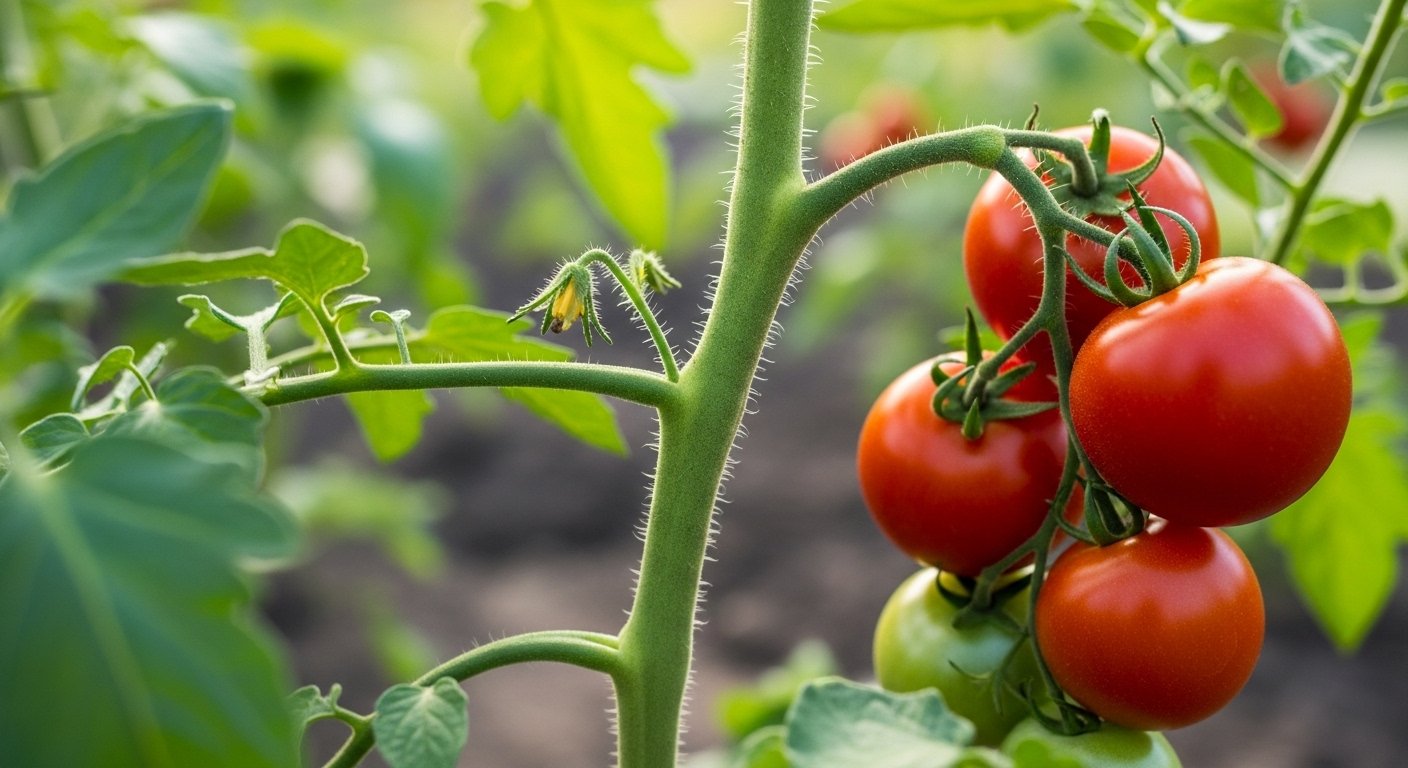
Why Prune Tomato Suckers?
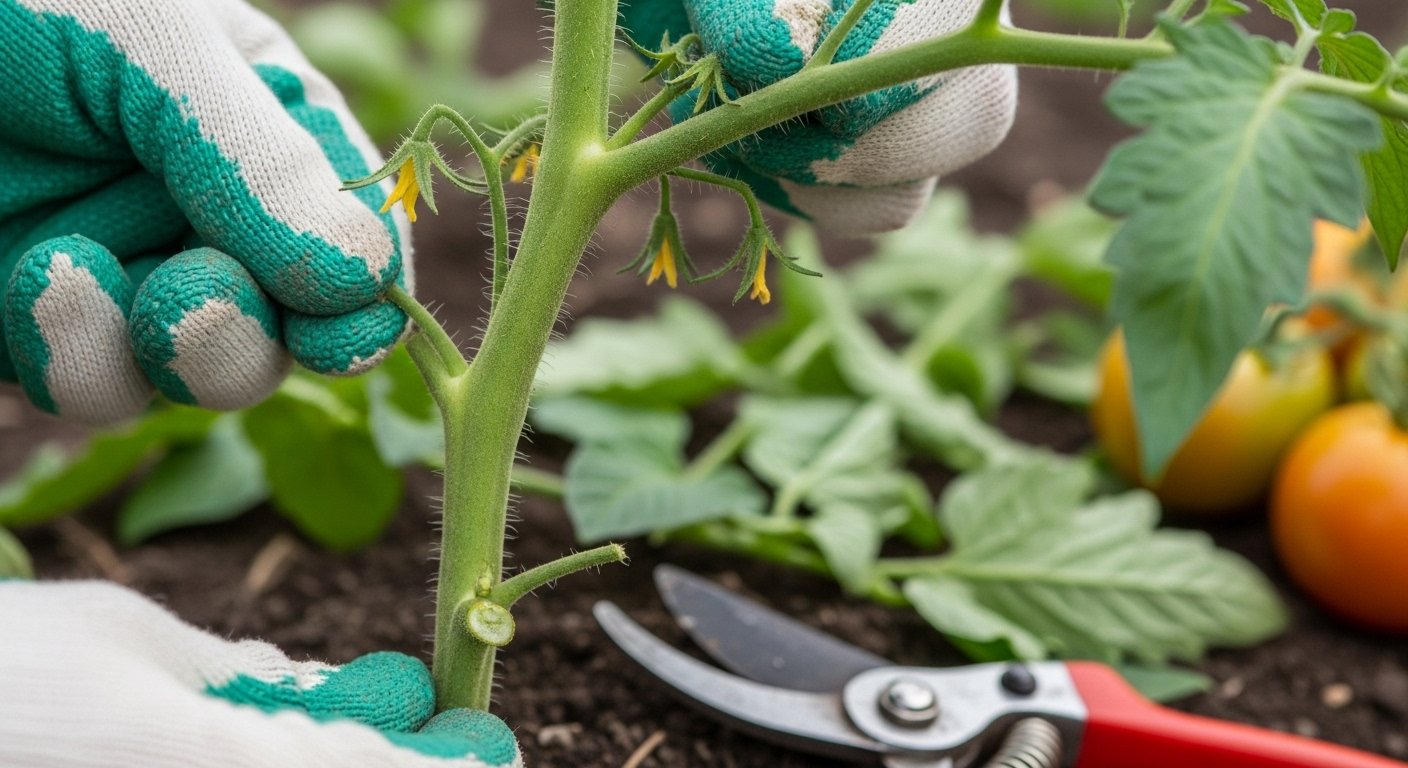
Tomato sucker removal is a hotly debated topic among gardeners—especially those eager to boost their tomato harvests. If you’re new to the term, tomato suckers are small shoots that sprout from the joint where a branch meets the main stem, usually in the leaf axils. While they might seem harmless at first, these fast-growing offshoots can quickly make a tomato plant look bushy and wild.
So, why prune tomato suckers? It’s all about helping your plant stay healthy and focused. Removing suckers improves air circulation, which is crucial for keeping fungal diseases at bay—something every tomato grower dreads. It also directs the plant’s energy toward developing larger, juicier fruits rather than spreading its efforts across countless small ones.
As a result, your harvest might include fewer tomatoes, but each one will likely be more satisfying and easier to manage. Of course, there’s a trade-off: if left unpruned, your plants may produce a larger number of fruits, though many may be smaller and less flavorful.
For backyard gardeners seeking a combination of robust plants, disease resistance, and plump, tasty tomatoes, a little time spent on removing tomato suckers can be well worth it. Prune wisely, and you’ll notice the difference in both plant health and the quality of your summer harvest.
Identifying Tomato Suckers: Where and What to Look For
Tomato suckers are the small shoots that emerge in the “V” or axil where a branch meets the main stem—think of them as bonus stems trying to grow in tight spaces. Unlike the mature branches, which are thicker and bear clusters of leaves or flowers, suckers start out as slender, pointed shoots and quickly develop their own leaves as they grow.
It’s easy to confuse suckers with regular branches, but if you trace a branch back to the main stem, any secondary shoot growing right out of the crotch between the stem and branch is usually a sucker.
Early detection is best done during regular gardening check-ins: as soon as you notice a new shoot smaller than a pencil and without significant leaf clusters in these “V” spaces, that’s your cue. Gently pinch it off with your fingers when it’s just a couple of inches long; waiting too long means the sucker will grow thicker and tougher to remove, and it might sap energy from your tomato’s fruit production.
By consistently checking your plants every few days, especially as the weather warms and growth speeds up, you’ll be able to spot and remove suckers before they become a bigger job. This small task pays off with healthier, more productive tomato plants throughout the growing season.
When Is the Best Time to Prune Tomato Suckers?
The best time to prune tomato suckers is once your plant is past the seedling stage but not yet deep into flowering or fruiting. Typically, a few weeks after transplanting, when your tomato plants are sturdy and established, you’ll notice small shoots (suckers) growing in the “V” between the main stem and branches.
This early vegetative stage is ideal for removing suckers because the plant hasn’t diverted much energy to them yet, making snipping them off quick and stress-free. Pruning too early, while seedlings are still small, can stunt growth and weaken the plant. Conversely, waiting too long—pruning after flowering or once fruits start to set—may reduce your overall yield and slow fruit ripening, since the plant needs extra leaves for photosynthesis during this crucial period.
Variety Matters
Determinate (bush) tomato varieties don’t require much sucker pruning because their growth is naturally limited. However, indeterminate (vining) types greatly benefit from early and targeted pruning, which improves airflow and results in bigger fruit.
Consider Your Climate
Your local climate also influences pruning decisions:
- In hot, sunny regions, keeping a few suckers for leaf cover can protect ripening fruits from sunscald.
- In cooler, humid areas, more aggressive pruning enhances airflow and reduces disease risk.
Ultimately, paying attention to your plants’ growth stage, understanding your tomato variety, and factoring in local weather conditions will help you find the perfect pruning time for a healthy, productive garden.
Step-by-Step Guide: How to Prune Tomato Suckers
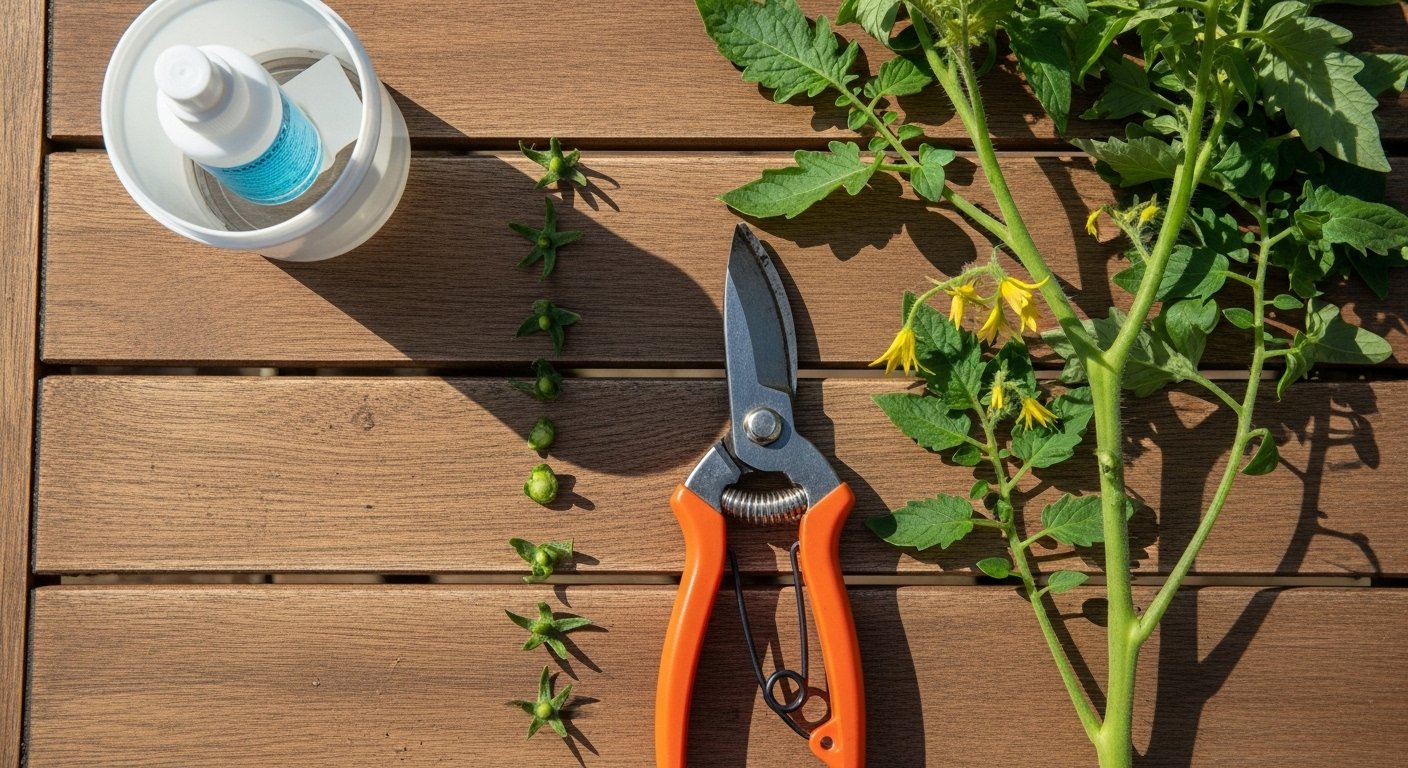
Pruning tomato suckers is a simple task that can make a big difference in your plant’s health and fruit production. Start by identifying suckers—these are small shoots that grow in the joint where a branch meets the main stem.
For most cherry and slicing tomato varieties, it’s best to remove suckers early while they’re still small and tender, ideally less than 4 inches long. At this stage, you can easily pinch them off with your fingers. Gently grasp the base of the sucker and pinch it away, making sure not to injure the main stem or branches.
If suckers have grown larger and are too tough to pinch, use clean, sharp pruning shears or scissors to snip them off. Cut as close to the base as possible without disturbing the main stem.
Always disinfect your tools before and after pruning with rubbing alcohol or a diluted bleach solution to prevent the spread of diseases from plant to plant.
Be cautious not to remove too many suckers at once, as the plant still needs enough foliage for photosynthesis and protection from sunscald.
Inspect your tomato plants at least once a week, since new suckers can emerge quickly during the growing season. Keeping up with regular care prevents unwanted bushiness and improves air circulation.
Once removed, don’t just toss the suckers! Healthy suckers can be rooted in water or soil to grow new plants, or added to your compost pile to enrich your garden’s soil.
By following these steps and handling suckers thoughtfully, you’ll keep your tomato plants vigorous and productive all season long.
Which Tomato Varieties Need Pruning (and Which Don’t)?
Not all tomato plants have the same pruning needs, and understanding the type you’re growing is key for a healthy, productive garden.
Indeterminate tomato varieties—sometimes called vining tomatoes—grow continuously, producing new leaves, flowers, and fruit until frost. These include popular varieties like ‘Sungold,’ ‘Brandywine,’ and most cherry tomatoes. Pruning is especially helpful for indeterminates because it keeps the plant manageable, improves air circulation, and channels the plant’s energy into larger, more flavorful fruits.
To prune indeterminate tomatoes, regularly pinch off the small shoots, known as suckers, that grow between the main stem and branches. This prevents the plant from becoming too leafy and overcrowded, reducing the risk of diseases like blight.
In contrast, determinate tomatoes—often labeled as bush tomatoes, like ‘Roma’ or ‘Celebrity’—have a set growth limit and produce most of their fruit in a short period. These compact plants don’t benefit much from pruning; in fact, it can reduce your harvest. Just remove dead or yellowing leaves at the base to maintain airflow.
For bush varieties, staking or caging supports heavy branches, while vining types do best when trained upward on tall stakes or sturdy trellises.
Overall, focus your pruning efforts on indeterminate varieties, and stick to minimal clean-up for determinates to get the best results from your tomato crop. Knowing which kind of tomato you’re growing helps you give each plant the care it needs for a bumper harvest.
Common Pruning Mistakes (And How to Avoid Them)
Many gardeners, especially beginners, fall into the trap of over-pruning—removing too many branches or leaves in hopes of encouraging faster growth. Unfortunately, this habit can leave your plants vulnerable, as they rely on their foliage for photosynthesis and strength. To avoid over-pruning, remove only dead, diseased, or crossing branches, and never take more than one-third of the plant at a time.
Another frequent mistake is poor timing—pruning at the wrong time of year can disrupt blooming cycles or cause open wounds that become entry points for pests and disease. For example, most flowering shrubs should be pruned right after their bloom, while fruit trees generally benefit from late winter or early spring cuts.
Equally important is protecting a plant’s main stems. Cutting into central branches can stunt growth or permanently disfigure the plant.
Look for signs of plant stress after pruning, such as wilted leaves, brown edges, or weak new growth, and adjust your approach if these signs appear.
To boost your confidence, invest in quality, sharp pruning tools and start with less-critical plants so you can practice your technique. There are handy resources online, like video tutorials from university extension offices or plant care apps tailored to your local climate.
By learning about your specific plant’s needs and approaching each cut with care, you’ll build skills and help your garden thrive instead of struggle.
Tips for Healthier, More Productive Tomato Plants
For robust, fruit-filled tomato plants, it pays to combine smart pruning with other essential care practices. Staking or caging your tomatoes provides vital support as they grow, preventing stems from breaking under the weight of heavy fruit and making harvesting easier.
Adding a layer of mulch—like straw, shredded leaves, or grass clippings—helps lock in soil moisture, regulate temperature, and keep weeds at bay. When watering, aim for deep, infrequent sessions at the base of the plants rather than shallow, frequent sprays; this encourages deeper root growth and reduces the risk of disease, especially if you avoid wetting the leaves.
After pruning, keep a close eye on your plants: watch for signs of stress like wilting, yellowing leaves, or unexpected slow growth. These can hint at over-pruning or other issues. Adjust your approach as needed, remembering that each plant is a bit different—some tomatoes thrive with heavy pruning while others do better with a lighter touch.
Don’t be afraid to experiment each season. Take notes on what works best in your garden’s conditions and let your experience shape your routine year after year. This combination of attentive care and a willingness to adapt will lead to healthier plants and a bigger, tastier harvest.