Introduction
Tomato pests are a major concern for both home gardeners and commercial growers, as tomatoes remain one of the most popular and rewarding crops to grow. Whether you’re tending a few plants on your balcony or overseeing rows of tomato vines in a greenhouse, encountering bugs and other invaders is almost unavoidable. Left unchecked, these pests can quickly undermine your hard work—damaging leaves, spoiling fruit, and sometimes wiping out entire harvests.
Early identification is absolutely crucial; the sooner you spot signs of trouble, the more easily you can protect your plants from lasting harm. Understanding what to look for and addressing issues right away can mean the difference between lush, productive plants and a disappointing growing season.
In this guide, we’ll focus on the most common tomato pests you’re likely to encounter, show you how to recognize their telltale symptoms, and offer practical, real-world solutions for keeping your tomato plants healthy. Whether you’re dealing with aphids, hornworms, or sneaky whiteflies, these tips will help you spot issues early and keep your tomatoes thriving all season long.
Identifying Common Tomato Pests
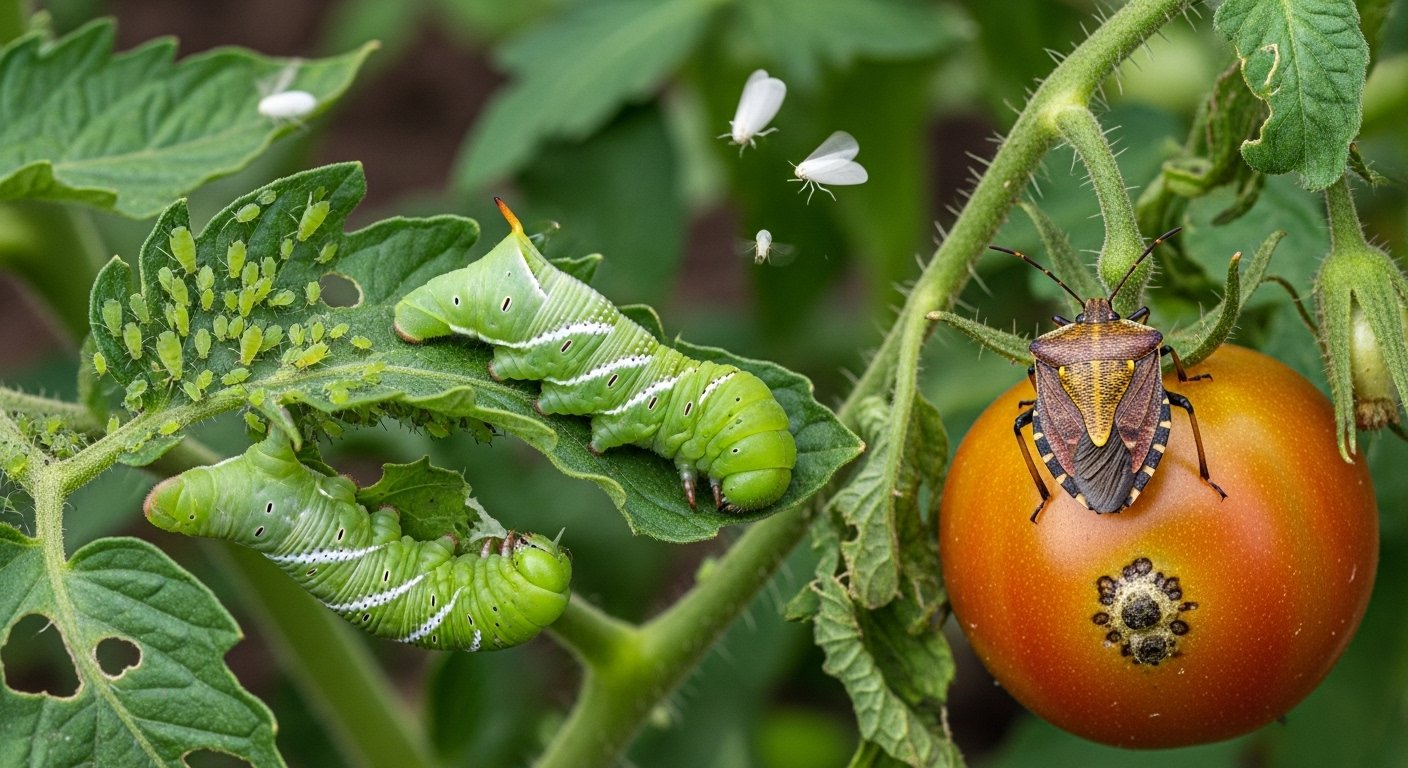
Tomato plants attract a variety of pests, each leaving distinct signs behind. Aphids are tiny green, yellow, or black insects that cluster on new growth and the undersides of leaves, sucking sap and causing leaves to curl or become sticky from honeydew, which can attract mold.
Armyworms and cutworms are caterpillars that chew irregular holes in leaves and stems. Cutworms often sever young stems at soil level overnight, causing sudden wilting of the plant.
Hornworms, large green caterpillars with horn-like tails, are notorious for devouring entire leaves and sometimes even green fruit. They leave behind dark droppings and cause significant defoliation.
Whiteflies are tiny white flying insects that flutter when disturbed. Their feeding causes leaves to yellow and drop prematurely, reducing the plant’s ability to photosynthesize.
Stink bugs, shield-shaped brown or green bugs, pierce fruit skin and suck juices, resulting in deformed or discolored patches, often called “cloud spots,” on tomatoes. These blemishes also affect flavor and shelf life.
Tomato fruit worms are pale caterpillars with dark heads that bore into ripening fruit, leaving small entry holes and tunneling damage that invite rot.
Each of these pests weakens tomato plants by draining nutrients, restricting growth, or causing wounds that invite disease. Fruit quality suffers—from aesthetic blemishes and water-soaked areas to stunted or misshapen fruit—making tomatoes less marketable and appetizing.
The risk of pest outbreaks varies by the pest:
- Aphids, whiteflies, and fruit worms surge in warm, humid conditions.
- Cutworms and armyworms often attack seedlings in spring.
- Hornworms appear midsummer.
- Stink bugs peak when fruit matures.
If you’re growing tomatoes, check your region’s pest alerts and inspect plants at least twice weekly. Catching these pests early makes all the difference between a healthy harvest and a disappointing one.
Recognizing Symptoms of Pests and Diseases
Spotting pests and diseases early can make all the difference in your garden’s health, so it’s important to know what to look for on different parts of your plants.
Start by checking the leaves:
- Yellowing could mean spider mites or nutrient deficiencies.
- Spots may signal fungal diseases like leaf spot or blight.
- Leaf curling is often caused by aphids or viral infections.
- Holes in leaves usually point to caterpillars or beetles.
On the stems, be on the lookout for lesions or dark streaks, which might be caused by stem borers or fungal cankers; a mushy stem could indicate bacterial soft rot.
Fruits often show issues like blotches, which may suggest fungal infections such as anthracnose, or cracks that can happen due to inconsistent watering but can also let pathogens in.
Wilting of the entire plant is a serious sign—if accompanied by yellowing, it could be verticillium or fusarium wilt, or root rot caused by overwatering and poor drainage; sudden drooping might mean root-dwelling pests like grubs are at work.
Purple discoloration, especially in tomatoes, could signal a phosphorus deficiency, but it’s also sometimes a reaction to cold or disease pressure.
When you notice rapid wilting, widespread discoloration, or a severe, spreading infestation or disease, it’s smart to act immediately:
- Remove affected parts.
- Improve airflow.
- Consider organic or chemical treatments as appropriate.
If you aren’t sure what’s wrong, symptoms are severe, or your usual interventions aren’t working, don’t hesitate to consult a local extension office, nursery professional, or plant pathologist for advice.
Regular garden check-ups and prompt responses can save your plants and prevent pests or diseases from spreading further.
Effective Pest Management Strategies
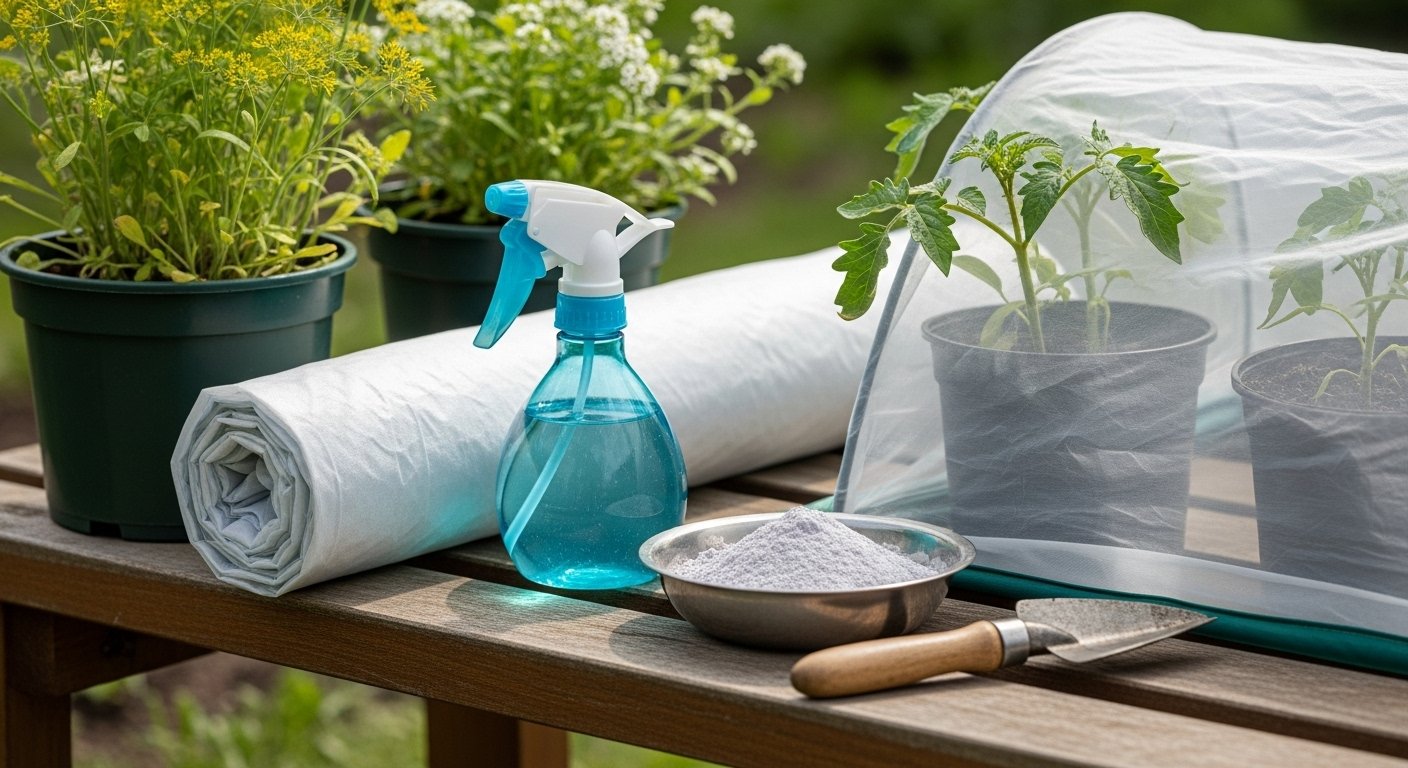
Managing pests in your garden or farm doesn’t have to rely solely on harsh chemicals. Cultural and physical controls are great first steps—try handpicking visible pests like beetles early in the morning when they’re sluggish, or installing lightweight row covers to keep insect invaders away from tender seedlings.
Rotating crops each year makes it harder for pests and diseases to build up in the soil, and promptly removing and disposing of any infested plants helps prevent pests from spreading. When you do need extra help, opt for safe chemical treatments such as insecticidal soap or neem oil, following the label directions carefully and applying them in the evening to minimize harm to pollinators.
Organic solutions like diatomaceous earth can also deter crawling insects without leaving toxic residues, but always watch the timing—spray only when pests are present, not preemptively. This thoughtful approach is at the heart of Integrated Pest Management (IPM), a strategy that combines different methods while carefully monitoring pest populations so you only intervene when absolutely necessary.
Don’t forget the power of nature’s own defenders: ladybugs, lacewings, and tiny parasitic wasps feast on common pests but leave your crops alone. You can attract these beneficial insects by planting flowers like dill, alyssum, and sunflowers nearby.
By blending these techniques, you’ll not only tackle pest problems effectively but also create a resilient, healthy garden that thrives season after season.
“`html
Preventing Tomato Diseases
Keeping your tomato plants healthy starts with understanding the difference between pests—which are insects or animals that feed on plants—and diseases caused by microscopic organisms like fungi, bacteria, and viruses. Common tomato diseases include early blight (dark, target-like spots on older leaves), late blight (soft, water-soaked spots on leaves and fruit), Septoria leaf spot (small, circular spots with gray centers), bacterial spot (dark, raised lesions on leaves and fruits), and tomato mosaic virus (mottled, twisted leaves).
Unlike pest damage, these diseases often spread quickly and can decimate plants if left unchecked. Prevention starts with soil health: rotate crops yearly, mix in compost, and avoid planting tomatoes in the same spot as previous years to reduce lingering pathogens. Choose disease-resistant varieties when possible—seed catalogs often highlight these options.
Water plants at the base rather than overhead to avoid wet foliage, space plants at least two feet apart for proper airflow, and always remove diseased leaves or fallen debris to cut down on sources of infection.
If you suspect a disease, act fast: remove and dispose of affected plant parts (never compost them), disinfect your gardening tools, and consider using organic copper-based sprays for fungal issues as a last resort. Importantly, avoid working in the garden when plants are wet, since many diseases spread more easily then.
By staying vigilant and practicing good garden hygiene, you’ll greatly reduce the risk of losing your tomato harvest to disease.
“`
Supporting Healthy Tomato Growth
Healthy tomato plants thrive when given consistent, attentive care that meets their basic needs and protects them from stress. Start by watering deeply and regularly—tomatoes prefer soil that’s moist but not soggy. Aim for about one to two inches of water per week, adjusting for rainfall and temperature.
Mulching with straw, dried leaves, or compost helps retain moisture, suppress weeds, and stabilize soil temperatures. This reduces the risk of drought stress and prevents sunburn on the fruit.
Fertilize with a balanced tomato food starting when you first see flowers, then every few weeks. Avoid overdoing nitrogen, as too much encourages leafy growth at the expense of fruit production.
Pruning suckers and lower leaves improves air circulation and allows more sunlight to reach the fruits, which helps prevent disease and encourages ripening.
Managing Environmental Stress and Pests
Tomatoes are sensitive to environmental stresses such as prolonged heat, intense sun, drought, or nutrient deficiencies. These stresses not only reduce fruit quality but also make plants more vulnerable to pests like aphids and diseases such as blight.
To boost fruit set, gently shake plants when flowers appear to aid pollination. Choose disease-resistant varieties suited to your climate for better success.
Monitoring and Maintenance
Keep an eye out for yellowing leaves or slow growth—these are signs of stress or nutrient problems that require prompt attention. Regularly inspect your plants for pests or unusual spots so you can intervene early.
By providing steady care, observing your plants carefully, and responding to their needs, you’ll enjoy stronger yields and flavorful tomatoes all summer long.
When to Seek Expert Help
Sometimes, plant problems escalate beyond what home remedies or basic research can fix. If you notice rapid leaf loss, sudden plant death, or widespread discoloration across multiple plants, it’s wise to seek expert help before the issue worsens.
Local extension services—often managed through universities—offer free or low-cost advice and may even inspect samples for you. Gardening clubs in your area can also be a valuable resource, connecting you with experienced growers who have likely encountered similar issues.
For more persistent or mysterious problems, consider reaching out to a plant pathology lab, which can provide an accurate diagnosis and tailored recommendations.
When contacting an expert, document the symptoms clearly:
- Take clear photos of affected leaves, stems, and roots
- Note when symptoms started
- Keep track of changes in the plant’s environment
This information speeds up diagnosis and helps pinpoint the underlying cause.
Remember, plant health is a continual learning journey—the more you collaborate with experts and stay active in gardening communities, the more confident you’ll become in nurturing your garden through challenges.