Introduction
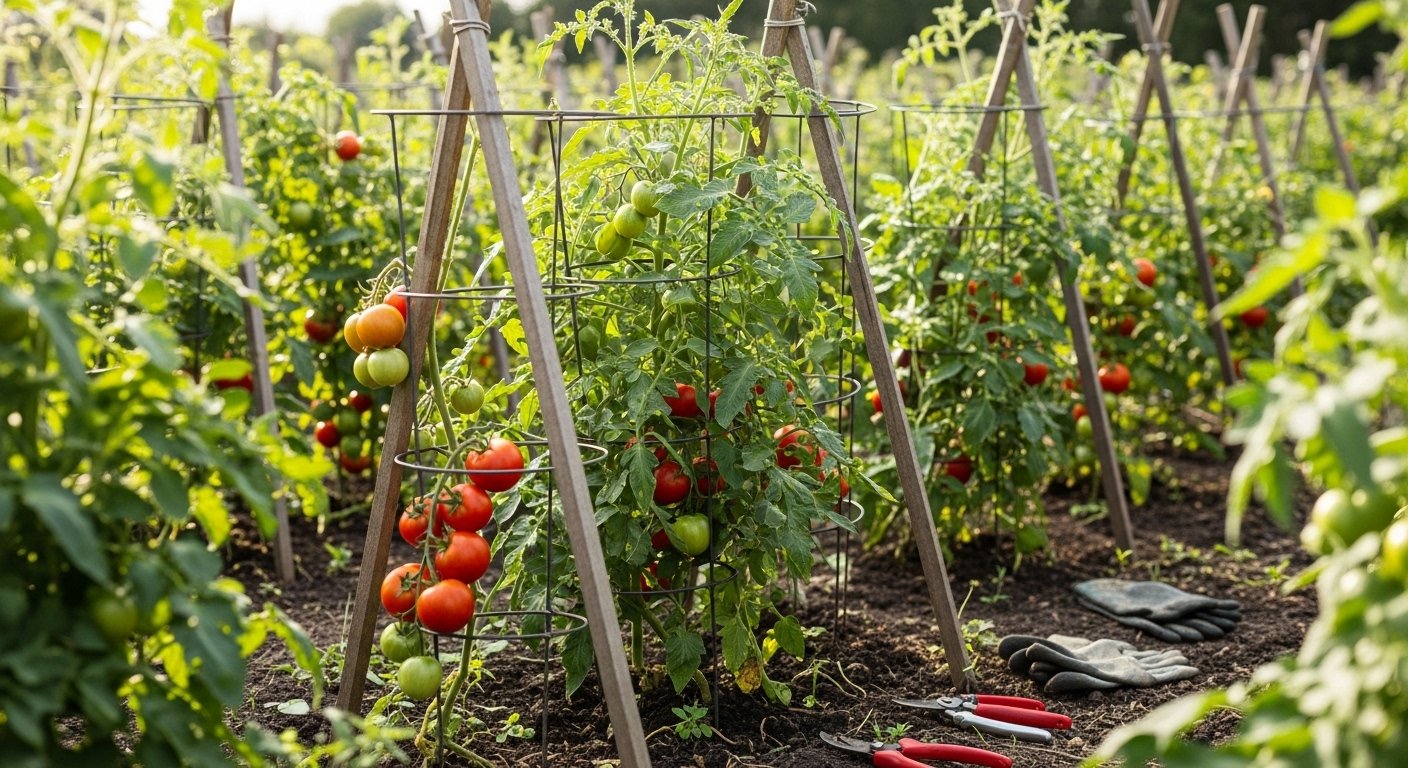
Pruning tomatoes is one of the most effective—and often overlooked—ways to boost your harvest and grow bigger, healthier fruit. Whether you’re a backyard gardener or tending to a few pots on the balcony, learning how to prune tomato plants can transform your results.
Regular pruning doesn’t just keep your plants looking tidy; it encourages better airflow, which reduces the risk of diseases like blight and mold. Trimming away extra shoots and leaves also directs the plant’s energy where you want it: into making those plump, juicy tomatoes you crave. Plus, with improved sunlight access, your fruits tend to ripen more quickly and uniformly.
If you’ve ever wondered why some gardeners seem to have so few problems with pests and so many massive tomatoes, careful pruning is often their secret weapon.
In this post, you’ll find simple, step-by-step instructions for effective pruning, whether you’re growing indeterminate or bush varieties. We’ll break down the best timing for each type to maximize yield and walk you through techniques—including real examples—so you can approach your next pruning session with confidence and get the most from every plant this season.
Why Pruning Tomato Plants Matters
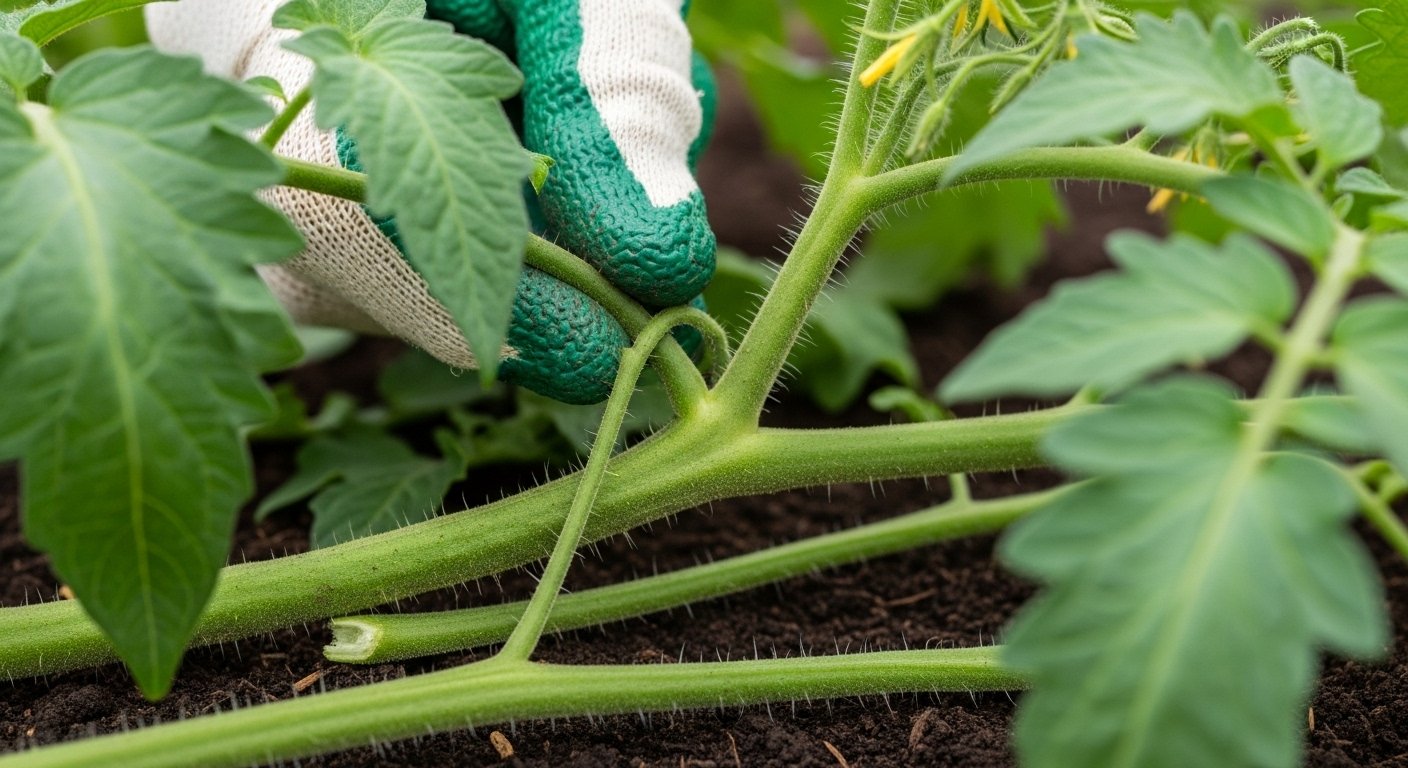
Pruning tomato plants is a simple step that can make a huge difference in your harvest. By trimming away the lower leaves and removing suckers (the shoots that grow in the leaf axils), you open up the plant’s structure and allow for better airflow.
This is crucial because improved air circulation helps prevent moisture from lingering on the leaves, which in turn reduces the risk of fungal diseases like blight and mildew. In crowded, leafy plants, humidity can get trapped, creating the perfect environment for disease to spread.
Pruning also directs the plant’s energy into growing fewer, larger, and tastier tomatoes instead of expending resources on extra foliage and numerous small fruits. For example, gardeners who regularly prune indeterminate tomato varieties—the type that keeps growing taller all season—often see bigger, earlier-ripening tomatoes since the plant focuses on maturing its existing fruit rather than starting new growth everywhere.
However, it’s important to avoid a common misconception: not all tomato plants benefit from heavy pruning. Determinate tomato varieties, which grow to a set height and produce fruit all at once, actually perform better with minimal pruning. Removing too many leaves or shoots from these varieties can reduce their overall yield.
In contrast, indeterminate tomatoes thrive when regularly maintained because their continuous growth can easily become unruly and dense, increasing disease risk. The key is to know your tomato type and prune accordingly—remove the lower leaves that touch the soil, thin out crowded branches, and pinch off unwanted suckers on indeterminate types.
With a little strategic trimming, you’ll enjoy healthier plants and a more bountiful harvest.
When and How to Start Pruning
Pruning can feel intimidating, but starting at the right time makes a big difference in your plant’s health. As a general rule, begin pruning at planting—especially for young trees and shrubs—to remove damaged or crossed branches and shape future growth.
For most plants, early spring is ideal for major pruning, before new growth appears. This lets you clearly see the plant’s structure and avoid accidentally removing fresh buds.
Early to mid-season pruning, like deadheading flowers or trimming fast growers, helps maintain shape and encourages more blooms or fruit. However, avoid heavy cuts or shaping just before the peak growing season to prevent stressing the plant.
Save late-season pruning for removing dead or diseased wood, but avoid aggressive cuts in fall, since this can spur new growth that’s vulnerable to winter damage.
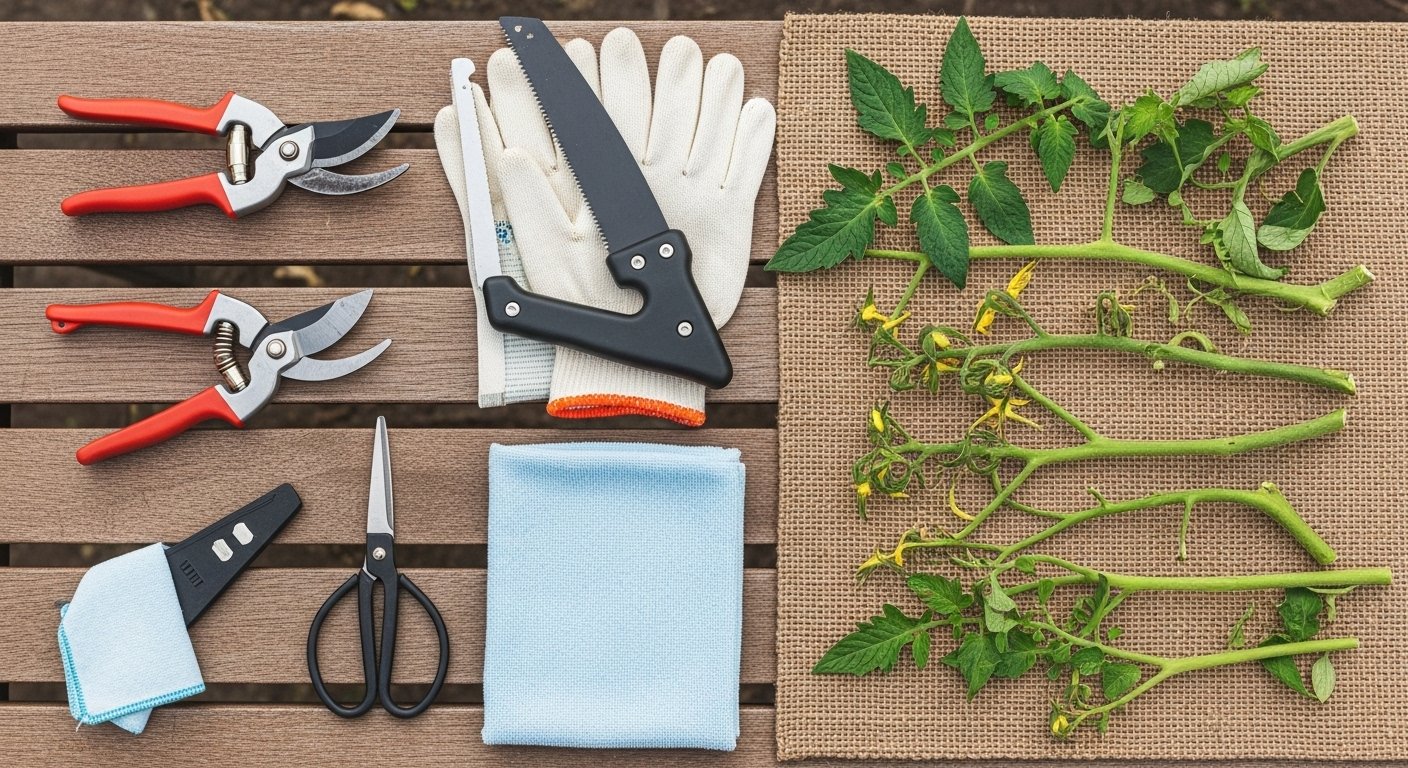
Always use clean, sharp tools—like bypass pruners for small branches, loppers for thicker limbs, and a saw for anything big—to make clean cuts and reduce disease risk. Wear gloves and eye protection, especially when working with thorny plants or reaching overhead. Sanitizing tools with rubbing alcohol between cuts is a pro tip to prevent spreading disease.
Above all, take your time to observe how your plant responds to each trim. Thoughtful, well-timed cuts will keep your garden healthy and thriving year after year.
Step-by-Step Guide to Pruning Tomatoes
Pruning indeterminate tomato plants is a simple process that can boost your harvest and keep your plants healthy. Start by identifying the “suckers,” which are the small shoots that grow in the joint where a branch meets the main stem. These suckers, if left unchecked, will turn into full-size branches and can lead to a bushy plant with less energy for fruit production.
To prune, pinch off suckers when they’re small—no bigger than your pinky finger—using clean hands or garden scissors to prevent disease. Work your way up from the base of the plant, removing suckers up to the first flower cluster. As you prune, leave the top few suckers to maintain foliage for shade and photosynthesis.
When dealing with established or overgrown indeterminate tomatoes, don’t try to prune all at once, as this can shock the plant. Instead, limit yourself to removing a few of the largest suckers and any leaves that touch the soil, spacing the work over a week. Dispose of trimmed branches away from your garden to avoid spreading disease.
For determinate tomatoes, which set most of their fruit at once, minimal pruning is best. Simply remove any yellowing leaves at the plant’s base or any shoots that look weak or diseased. Over-pruning determinate varieties can reduce your overall yield.
A good rule of thumb:
- For indeterminate tomatoes, focus on encouraging one to three main stems.
- For determinate tomatoes, do the bare minimum needed to keep the plant tidy and disease-free.
Remember, the best time to prune is in the morning on a dry day, which helps wounds heal quickly and reduces the risk of fungal problems. By following these simple steps, you’ll encourage healthier growth, better airflow, and, most importantly, more delicious tomatoes throughout the season.
Common Pruning Mistakes to Avoid
Pruning is essential for healthy plant growth, but several common mistakes can do more harm than good. One major misstep is over-pruning, where enthusiastic gardeners remove too many branches or leaves at once, leaving plants stressed and unable to photosynthesize effectively.
Another frequent error is making cuts too close to the plant’s main stem, which can damage vital growth points and make the plant vulnerable to disease. Using dull or dirty tools is also problematic, as ragged cuts take longer to heal and can introduce pests or infections.
To avoid these pitfalls, it’s better to prune in moderation, removing only dead or crossing branches and always using sharp, clean tools. If you’ve accidentally taken off too much, don’t panic—focus on providing your plant with extra care, such as adequate water and a little fertilizer, and avoid any further pruning until it recovers.
Always watch your plant closely for signs of shock, like drooping leaves or discoloration, and adjust your care routine as needed. If you notice unusual changes after pruning, gently check for pests or rot and consider moving the plant to a spot with ideal light and temperature conditions.
Thoughtful, incremental pruning and careful monitoring will keep your plants healthier and looking their best.
Tips for Maximizing Tomato Yields After Pruning
After pruning your tomato plants, giving them the right care makes a big difference in the size and quality of your harvest. Start by watering deeply and consistently, aiming for soil that’s moist but not waterlogged to prevent cracking fruit and plant stress.
Mulch with straw or compost to conserve moisture and deter weeds. Fertilize with a balanced or tomato-specific fertilizer every two to three weeks; consistent nutrients help the plant recover from pruning and focus its energy on fruit production.
Support your plants with sturdy stakes or cages, tying stems loosely as they grow—this prevents branches from snapping under the weight of growing tomatoes.
To boost fruit quality, remove any small, misshapen, or crowded fruit so the plant can channel resources into the healthiest tomatoes. Regularly check for pests like aphids or hornworms, and remove them by hand or with gentle insecticidal soap if needed.
For even more abundant yields, pinch off new suckers that appear where branches meet the stem, redirecting growth into existing fruit clusters instead of extra foliage. Keep an eye out for yellowing leaves and remove them quickly to stop disease spread.
Finally, rotate where you plant tomatoes each year to avoid soil-borne diseases and keep your plants vigorous. With these hands-on strategies, you’ll maximize your tomato harvest and enjoy a steady supply of delicious homegrown fruit all season.
Conclusion & Next Steps
Pruning your tomato plants isn’t just about keeping your garden tidy—it’s a proven way to boost plant health, prevent diseases, and encourage bigger, tastier harvests. By removing the lower leaves, suckers, and any branches that show signs of disease, you allow air to circulate freely around the plant and ensure more energy is funneled into fruit production rather than excess foliage.
Remember the basics: always use clean, sharp garden scissors, prune in the morning for faster healing, and avoid cutting during wet weather to minimize disease risks. Even if you’re new to gardening, start by trimming a little at a time and observe how your plants respond—tomatoes are quite forgiving!
For bigger yields and even healthier vines, consider researching different pruning techniques like single- and double-stem methods, or deep dive into companion planting and soil amendments. Check out trusted online resources like University Extension websites or gardening forums for tomato-specific advice and troubleshooting tips.
With a little practice, you’ll soon notice the difference in your tomato crop, and you’ll gain the confidence to experiment with more advanced care strategies next season. Happy pruning!