Introduction
If you’re passionate about healthy, homegrown produce, knowing how to pollinate tomatoes manually can make a big difference in your harvest. Tomato plants are mostly self-pollinating, meaning they usually don’t need a helping hand—literally—to set fruit. However, environmental factors like high humidity, extreme temperatures, or indoor growing can sometimes prevent pollen from moving as it should, leading to disappointing yields.
This is where hand-pollination steps in: a simple task that can turn a few struggling blossoms into baskets of juicy tomatoes. In this article, we’ll dive into the benefits of giving your tomato plants a little extra attention, especially when natural conditions aren’t ideal.
You’ll learn when your intervention will make the biggest impact, step-by-step methods for effectively pollinating tomatoes by hand, and real-world tips to boost your chances of success—whether you’re working with a sun-soaked backyard patch or a window garden on an apartment ledge.
If you want to maximize every plant, keep your tomatoes thriving, and enjoy the rewards of your careful tending, you’re in the right place. Let’s demystify hand-pollination and help you grow your best tomatoes yet.
Are Tomatoes Self-Pollinating?
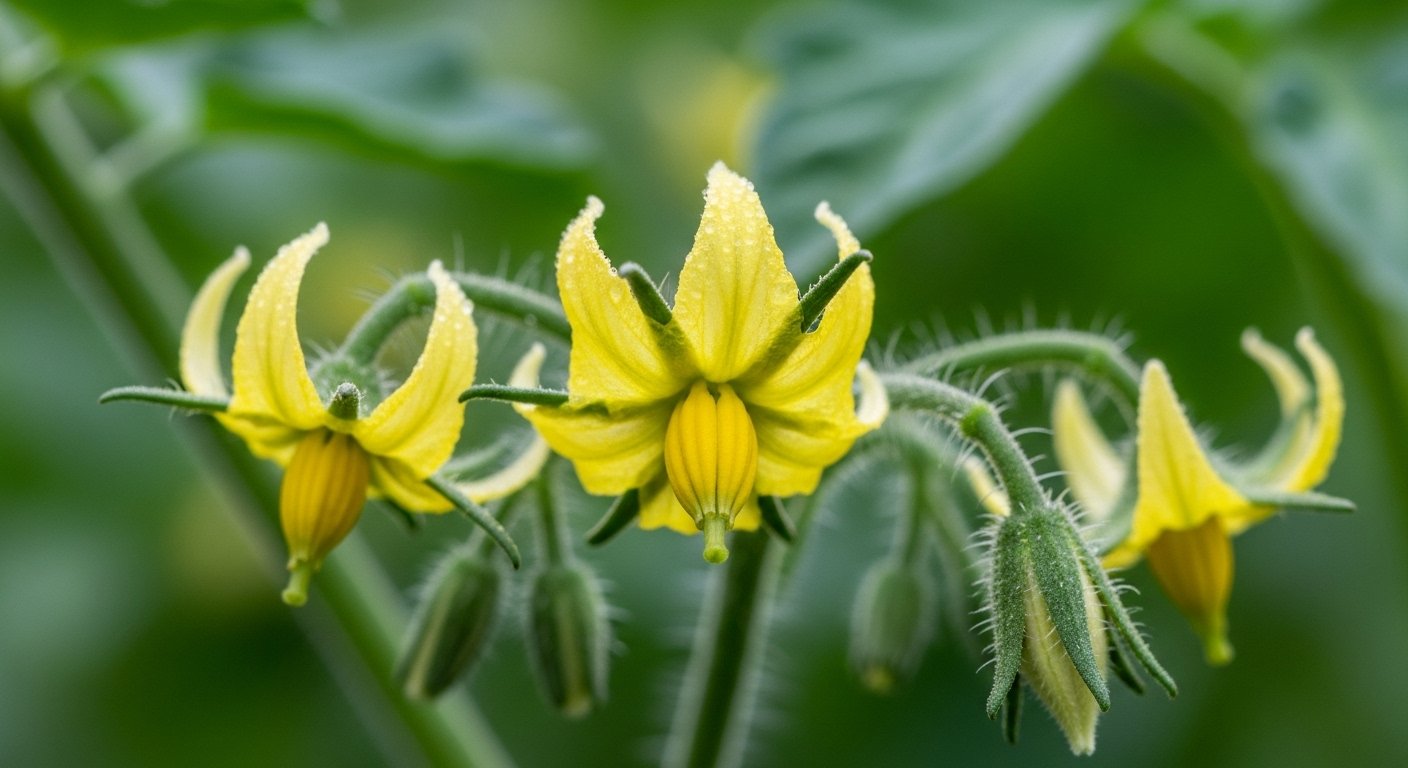
Tomatoes are well-known for being self-pollinating, thanks to the unique structure of their flowers. Each tomato flower contains both male (stamens) and female (pistil) organs, positioned so that pollen can easily transfer from the anthers to the stigma without needing help from insects. This design means a single plant can reliably set fruit even if grown on its own.
However, a common misconception is that pollinators like bees are essential for tomato fruiting. In reality, while pollinators or the breeze can shake the flowers and help release pollen, they aren’t strictly necessary for pollination to occur.
That said, issues can arise in certain growing conditions. For example, in greenhouses, high-rise apartments, or indoor gardens with little air movement, the natural vibration that encourages pollen transfer is missing. To help in these situations, you might:
- Gently tap the plants
- Use an electric toothbrush near the flower cluster
- Install a small fan to simulate wind
These tricks, relied upon by many home gardeners and commercial growers, boost fruit set and ensure robust harvests even when tomatoes grow away from the natural hustle and bustle of the outdoors. So, while your tomatoes don’t need bees to do their thing, a bit of movement can make all the difference when nature’s helpers aren’t on hand.
When Should You Hand Pollinate Tomatoes?
Hand pollination of tomatoes becomes necessary when your plants show signs like flowers dropping off without forming fruit (also known as “blossom drop”) or if you’re seeing plenty of blossoms but not many tomatoes developing. This is especially common for gardeners growing tomatoes indoors, in greenhouses, or on balconies where natural pollinators like wind and bees are scarce.
Unfavorable weather—such as high humidity, excessive heat, or too much rain—can also hinder self-pollination and lead to a poor fruit set. The best time to hand pollinate is mid-morning, shortly after the flowers have opened, since pollen is typically most viable then.
Look for newly opened yellow flowers—these are at their peak for pollination, while older blooms may already be past their prime.
Gently shaking the flower cluster, brushing inside the blossoms with a small paintbrush, or using an electric toothbrush to vibrate the stems can all mimic the action of wind or buzzing bees, helping the pollen move from the male to female parts of the flower. Be sure to avoid pollinating when flowers are wet from dew or watering, as moisture can cause pollen to clump and reduce its effectiveness.
Monitoring your tomato plants regularly for these signs and being proactive about hand pollination—especially during stretches of poor weather or in enclosed spaces—can boost your fruit yield and ensure a successful harvest.
Methods to Hand Pollinate Tomato Plants
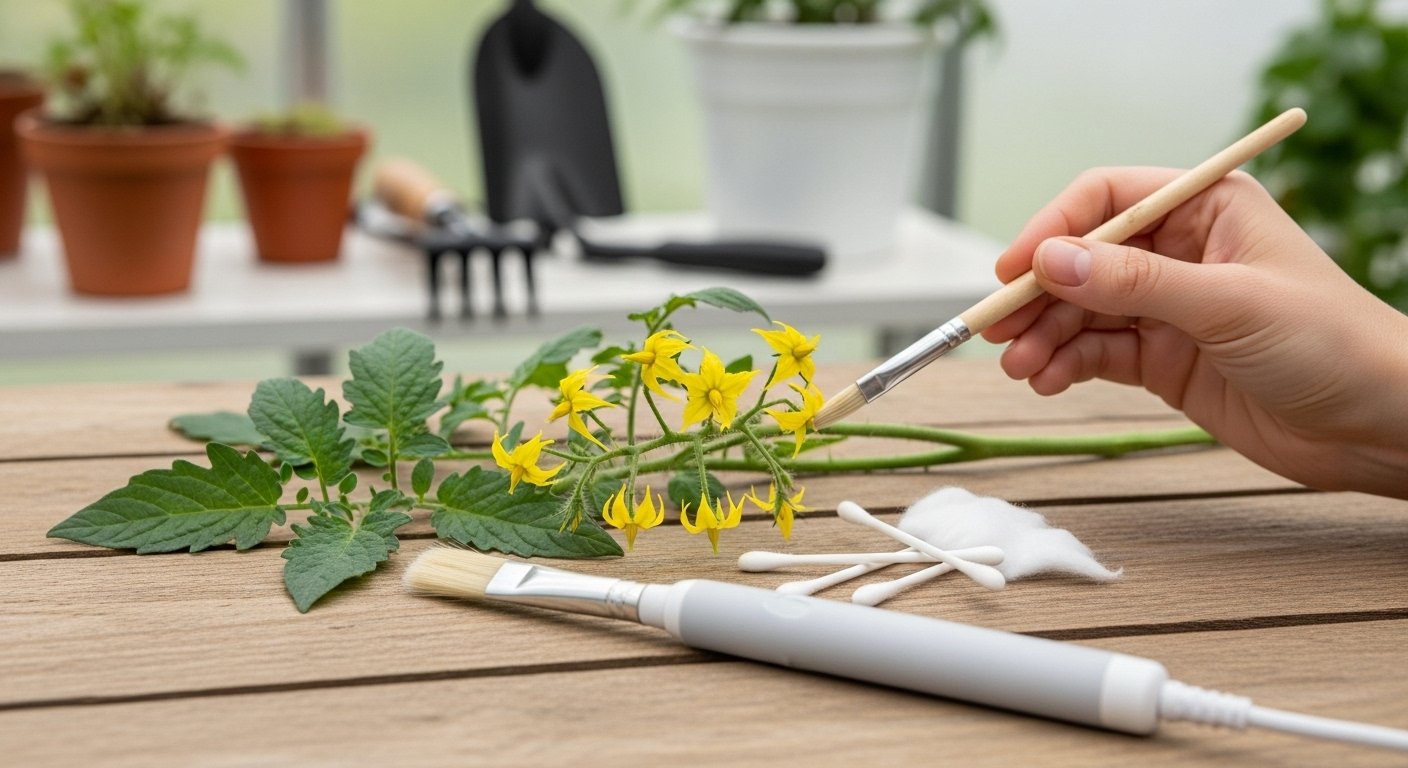
Hand pollinating tomato plants can boost fruit set, especially in greenhouses or areas with low insect activity. Two simple methods are highly effective.
Using a Paintbrush or Cotton Swab
Choose a fine, clean brush and gently swirl it inside each open flower, mimicking the movement of a bee. Move from flower to flower, brushing the inside to transfer pollen between blossoms. Repeat every few days during the blooming period for best results.
Vibrating the Flowers
Another popular method involves vibrating the flowers to help shake pollen loose. You can use an electric toothbrush set on low; gently touch the back of each flower cluster (where the stem meets the flower) for a few seconds. The vibration mimics the natural buzz of a bee and helps pollen release onto the stigma. This can be done every two to three days when plants are actively flowering.
Always work during dry, warm mornings when pollen is most viable, and avoid handling wet flowers to prevent disease spread. Make sure tools are clean, and avoid brushing too hard so the delicate blossoms aren’t damaged. With either method, a set routine and gentle touch will help your tomato plants achieve a higher and more reliable yield.
How to Confirm Successful Pollination
After pollination, one of the first signs to watch for is the natural dropping of petals and flower parts, which often indicates that the plant is moving forward with fruit or seed development. Look closely at the base of the flower—within about 5 to 10 days, you should see it start to swell or thicken. This swelling shows that the ovary is growing into fruit or seeds, confirming that pollination was successful.
If the flower dries up and falls off without any swelling, pollination may not have occurred. If you don’t see any results after about two weeks, try hand-pollinating using a small paintbrush to gently transfer pollen from one flower to another. This is especially helpful in indoor gardens or on rainy, windy days when bees and other insects are less active.
Make sure flowers are healthy and open during pollination efforts, and avoid wet or overly humid conditions, as moisture can prevent pollen from sticking. With a little patience and close observation, you’ll quickly become familiar with these easy-to-spot signs of successful pollination.
Frequently Asked Questions
Hand pollination of tomatoes can be a helpful tool, especially if you’re growing your plants indoors, in greenhouses, or during times when natural pollinators like bees are scarce. Many gardeners wonder if they really need to hand pollinate.
Outdoors, wind and insects typically provide enough pollination, so hand pollination is rarely necessary unless you notice poor fruit set or misshapen tomatoes. For those experiencing blossom-end rot or a lot of flowers dropping off, gently shaking the plant or using a soft paintbrush or electric toothbrush to vibrate the flowers once every couple of days during peak bloom can increase fruit production.
Another common concern is cross-pollination, especially for gardeners interested in saving seeds. Luckily, most tomato varieties are self-pollinating—they have both male and female parts within each flower—so cross-pollination is rare in typical home gardens. However, if you’re growing unusual heirloom varieties close together and want to keep seed strains pure, you might consider isolation methods or bagging individual flowers.
Remember, not all tomatoes are the same—some, like potato-leaf or beefsteak types, have slightly stickier pollen that may need a more careful hand. Overall, assess your garden environment: if you’re seeing healthy tomatoes forming, hand pollination might not be needed, but it’s a handy skill for troubleshooting common fruiting problems.
Don’t be afraid to experiment—tomatoes are forgiving, and even a little extra attention during flowering can go a long way toward bigger harvests.
Conclusion & Quick Tips
Successfully pollinating tomatoes comes down to understanding how these plants set fruit and providing the right support at the right time. Tomatoes are self-pollinating, but gentle shaking of the stems or flowers can mimic wind and insect activity, boosting pollination rates—just tap the main stem or flick flower clusters every few days when blooms appear.
Warm, dry, and mild weather is ideal; if it’s too hot or humid, try pollinating in the morning when temperatures are lower. Proper spacing ensures airflow, improving both pollination and disease prevention. Keep your plants healthy with consistent watering and avoid heavy fertilizer once flowers set, as too much nitrogen can cause lots of leaves but fewer fruits.
If you grow indoors or in greenhouses, use an electric toothbrush, small paintbrush, or your fingertip to transfer pollen directly between flowers. Keep an eye out for bees or bumblebees visiting your plants—they’re excellent pollinators, so consider planting nearby flowers to attract them naturally.
Every garden is different, so don’t be afraid to experiment with varied techniques and see what works best. By regularly observing flower and fruit development, you’ll gain valuable insights and steadily improve your tomato harvest each season.