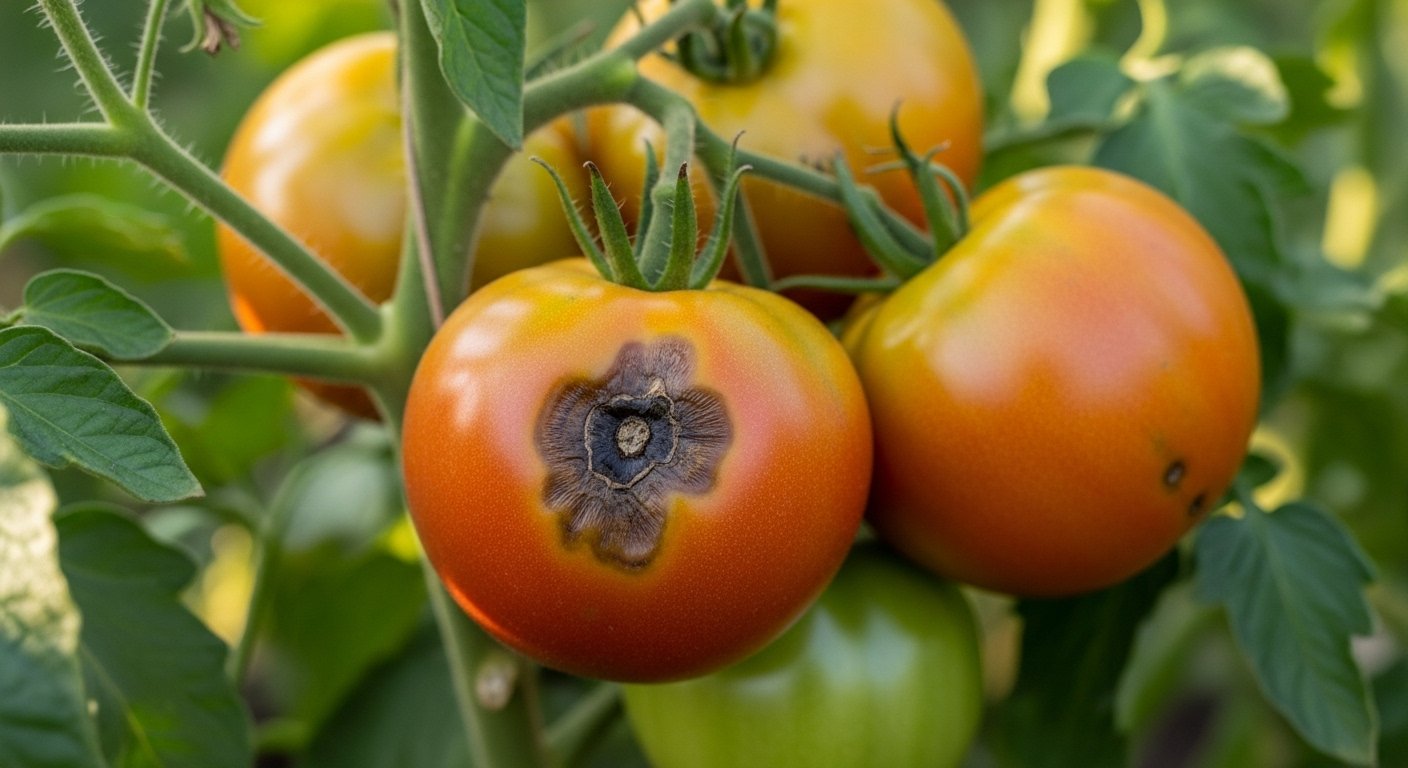
What Is Blossom End Rot in Tomatoes?
Blossom end rot in tomatoes is a frustrating issue many gardeners face when tending their vegetable patches. This common disorder shows up as dark, sunken spots at the blossom end (bottom) of tomato fruits, starting as small, water-soaked areas that quickly grow into large, leathery patches. These blemishes not only make tomatoes look unappealing but can also cause the fruit to rot on the vine, affecting both flavor and texture. For dedicated growers, blossom end rot is more than just a cosmetic problem—it reduces both the quality and quantity of the harvest, turning months of care into disappointment as affected fruits often have to be discarded.
Beyond Tomatoes: Other Affected Plants
What makes blossom end rot particularly tricky is that it doesn’t just affect tomatoes. Peppers and squash can suffer from it too, showing similar spots and sometimes experiencing stunted growth. Even eggplants aren’t immune, raising concerns across your garden. The root cause usually traces back to calcium deficiency within the developing fruit, often triggered by inconsistent watering, rapid plant growth, or fluctuations in soil moisture. When the calcium supply isn’t steady, the tissues at the blossom end weaken, allowing these characteristic lesions to form.
Recognizing and Preventing Blossom End Rot
Early signs often go unnoticed, so by the time symptoms are visible, prevention becomes more challenging. The affected parts of the fruit soften and may attract secondary infections or pests, essentially undoing weeks of careful work. Even though the plant itself stays healthy, its production potential drops sharply—each blemished fruit is a lost chance for a homegrown meal. Understanding what causes blossom end rot and spotting it early can make all the difference.
If you’re growing tomatoes, peppers, and summer squash, staying alert for these early warning signs and acting quickly to ensure consistent soil moisture and balanced nutrition can prevent a lot of trouble—and help you enjoy a much more abundant, blemish-free harvest.
What Causes Blossom End Rot?
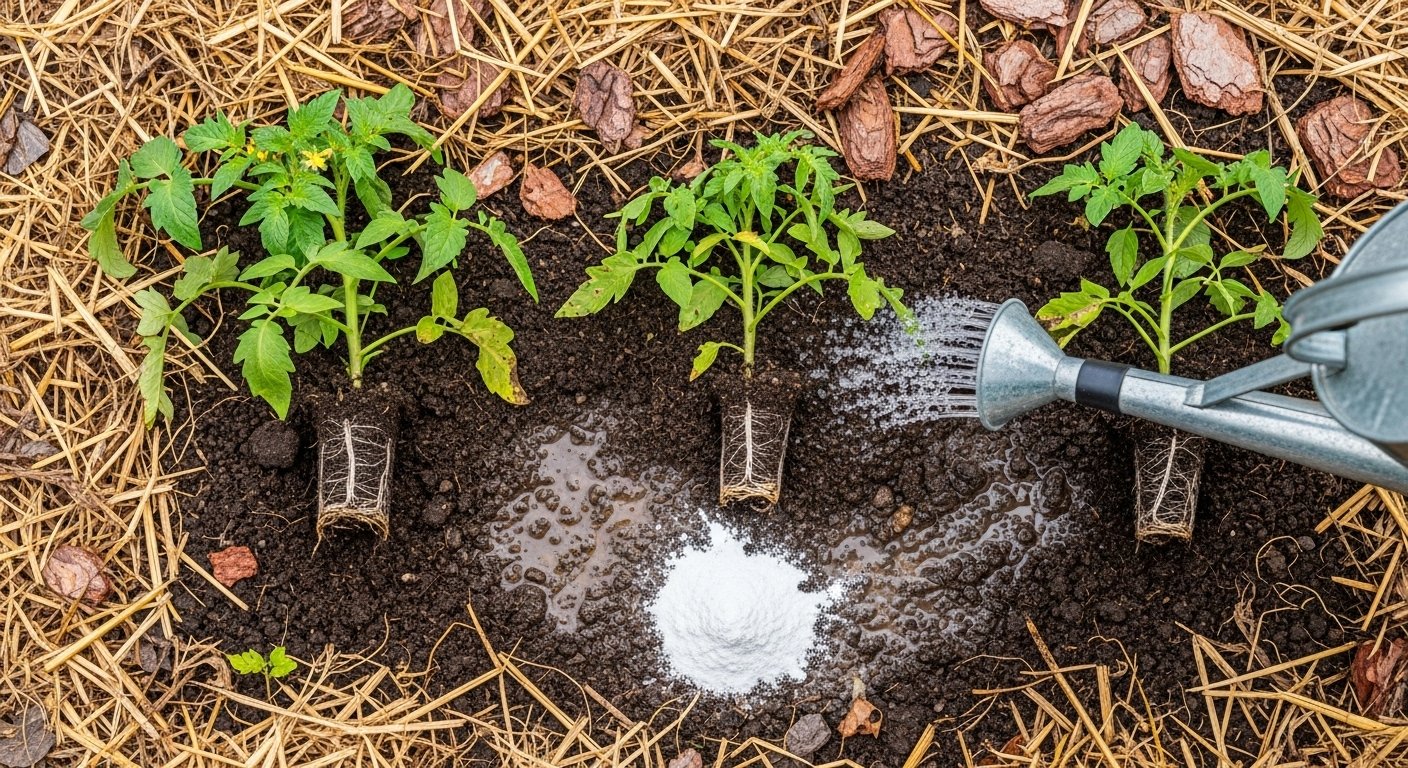
Blossom end rot is a common frustration for gardeners, especially those growing tomatoes, peppers, and squash. At its core, this disorder is caused by a localized calcium deficiency within developing fruit. Calcium plays a crucial role in plant cell wall formation and stability; without enough available at the right time, the tissue at the blossom end of fruit breaks down, leading to those soft, dark spots.
Often, the issue isn’t that your soil lacks calcium, but that the plant struggles to transport it to maturing fruit. Inconsistent watering is a big culprit—roots need steady moisture to draw up calcium efficiently. When soil swings between too wet and too dry, or when heavy rains follow a dry spell, plants get stressed and can’t absorb nutrients properly.
Root damage from aggressive cultivation, pests, or transplant shock can also interrupt calcium uptake, underscoring the need for gentle handling. Other risk factors include soil pH that’s too low (acidic soil makes calcium less available), sudden spurts of rapid growth induced by high nitrogen fertilizers, and environmental stress like heat waves or strong winds. All these can interfere with the plant’s ability to supply enough calcium to young fruit just as they need it most.
Importantly, blossom end rot isn’t the result of a fungus, bacteria, or virus—there’s no need for sprays or fungicides. Instead, focus on prevention:
- Water regularly and deeply
- Use mulch to conserve moisture
- Test and amend your soil’s pH if needed
- Avoid root disturbance
With attention to these basics, most gardeners can keep blossom end rot at bay and enjoy healthy, blemish-free harvests.
How to Diagnose Blossom End Rot
Spotting blossom end rot early can save your tomato harvest from disappointment. The first telltale sign is a small, water-soaked spot at the blossom end—the part of the fruit farthest from the stem. This spot quickly turns dark brown or black and feels sunken or leathery.
It’s easy to confuse this with pest damage or diseases like anthracnose, but blossom end rot is unique to the blossom end and never shows mold, concentric rings, or holes. If you gently lift leaves and inspect immature fruits, affected tomatoes may still be green except for that discolored tip.
While all tomato varieties can develop blossom end rot, paste types like Roma and San Marzano generally show it more often because their elongated fruit shape exposes them to greater calcium fluctuations. Other varieties may show smaller or rounder spots.
To distinguish it from similar issues, take a look at your recent gardening practices—blossom end rot is caused by a lack of calcium in the developing fruit, often driven by inconsistent watering, excessively dry or wet soil, or overuse of nitrogen fertilizer.
Check soil moisture with your finger: soil should feel damp but not soggy, and recent dry stretches followed by heavy watering usually make symptoms worse. Review if you’ve recently disturbed roots during weeding or transplanting, both of which can also trigger symptoms.
By routinely checking for these early signs, considering variety-specific risks, and evaluating your watering habits and soil conditions, you’ll be better equipped to catch blossom end rot ahead of time and prevent further losses in your crop.
Best Ways to Prevent Blossom End Rot
Preventing blossom end rot in your tomatoes starts with maintaining consistent moisture in the soil, as uneven watering is a top cause of this frustrating disorder. Set up a regular watering schedule, aiming for deep watering two or three times a week rather than shallow, daily sprinkles. Drip irrigation or soaker hoses are excellent for delivering steady moisture straight to the roots without wetting foliage, which also helps prevent disease.
Next, make sure your soil is set up for success by testing for adequate calcium and proper pH—aim for slightly acidic, around 6.5. If calcium is lacking, mix in sources like garden lime or gypsum well before planting, and ensure the soil is rich in organic matter for better nutrient retention.
But nutrients can’t work their magic if plants are stressed, so adopt cultural practices that protect soil moisture and structure. Mulch tomato beds with straw, shredded bark, or compost to lock in water, moderate temperature swings, and reduce competition from weeds—all of which keep plant roots happy and healthy.
Choosing hybrid or resistant tomato varieties, such as ‘Roma VF’ or ‘Big Beef,’ can also make a big difference, as they are bred to withstand common disorders, including blossom end rot.
Finally, transition seedlings gently: harden off young plants over a week or two to acclimate them gradually to outdoor conditions, and avoid transplanting when it’s too cold or wet.
When you combine consistent moisture, balanced nutrition, protective mulching, and smart variety selection, you create a robust system that minimizes the risk of blossom end rot and keeps your tomato harvest plentiful.
How to Fix and Manage Blossom End Rot If It Appears
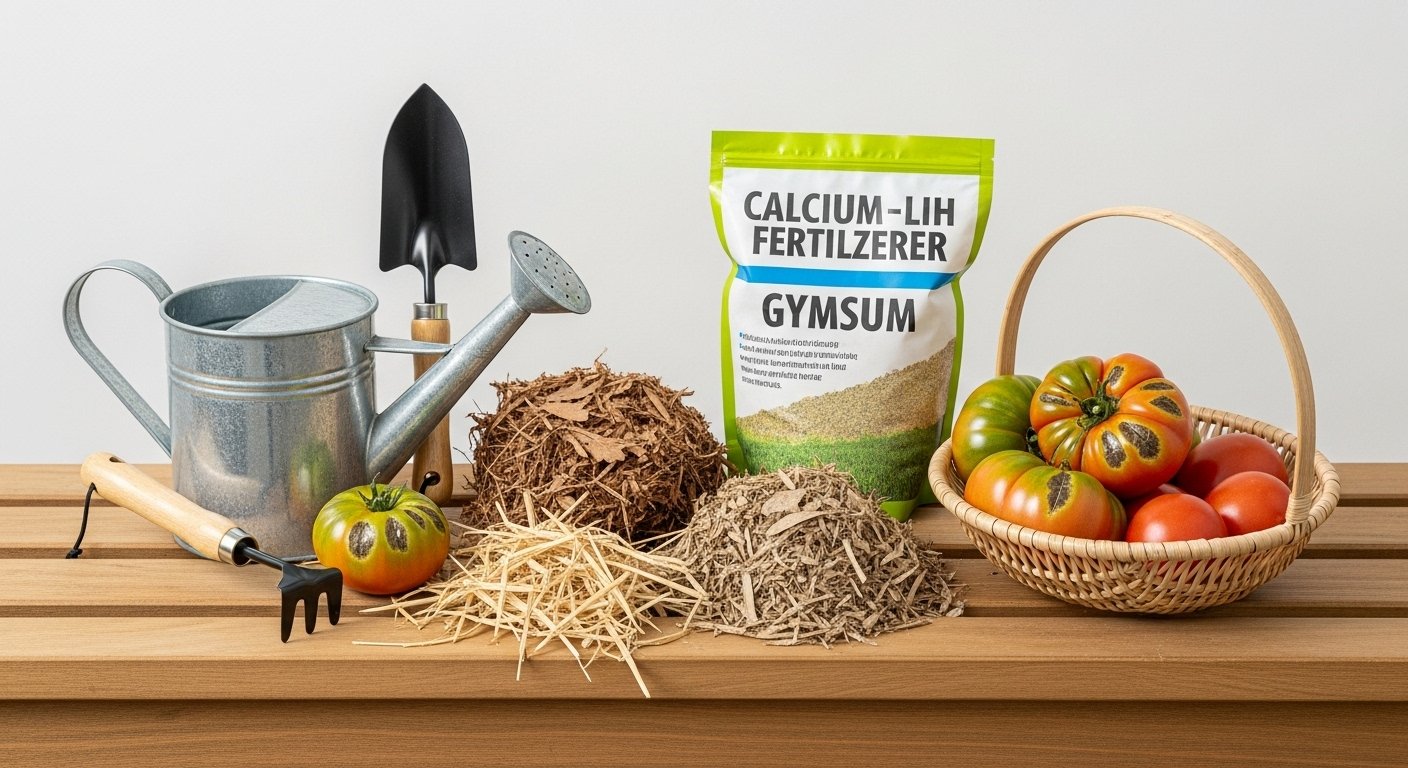
If you spot blossom end rot on your tomatoes, peppers, or squash, act quickly to protect the rest of your harvest. Start by removing any fruits with dark, sunken spots—these won’t recover and could attract pests or disease.
Next, check your watering habits. Inconsistent watering is a major trigger for blossom end rot because it prevents plants from absorbing enough calcium, even if it’s present in the soil. Aim to water deeply and regularly—about 1–1.5 inches per week, depending on the weather—keeping soil consistently moist but not soggy. Mulching with straw or shredded leaves also helps by keeping soil moisture steady.
While it’s tempting to reach for calcium sprays, know that these are usually only effective on young fruits and won’t reverse rot on those already affected. More importantly, calcium sprays are often a temporary fix; long-term prevention comes down to consistent plant care.
If a soil test shows low calcium, gently work a calcium-rich fertilizer like gypsum into the soil, but avoid high-nitrogen fertilizers, which can worsen blossom end rot. Stick to a balanced feeding routine, and keep an eye on plant health throughout the season.
Focus on even watering, mulching, and avoiding root disturbance, and your chances of future blossom end rot dramatically decrease. With these proactive steps, you’ll give your plants the best shot at a healthy, bountiful yield.
Blossom End Rot in Container-Grown Tomatoes
Tomatoes grown in containers are especially prone to blossom end rot because their roots have limited space and access to nutrients. This makes it harder to maintain the consistent moisture and calcium levels these plants need. Changes in watering frequency, quick drying of the soil, or poor-quality potting mix can all disrupt the plant’s ability to absorb calcium, leading to those telltale sunken, blackened spots at the blossom end of the fruit.
To prevent blossom end rot in your container tomatoes, start with a high-quality potting mix that’s rich in organic matter and provides good moisture retention, but also excellent drainage. Avoid using plain garden soil, which can compact and hinder root growth.
It’s best to water deeply and regularly, aiming to keep the soil evenly moist but not soggy. A simple tip is to water in the morning and use your finger to check the top inch of soil; if it’s dry, it’s time to water. Adding mulch, like straw or shredded leaves, on top of the soil in your pots can help regulate moisture and keep roots cool.
Pot size is crucial too. Choose containers that hold at least 5 gallons for determinate (bush) varieties and 10 gallons or larger for indeterminate (vining) types. Smaller pots dry out too quickly and restrict root growth, making your plants more vulnerable to nutrient imbalances. Make sure all containers have large drainage holes — tomatoes hate sitting in waterlogged soil.
Consider adding a calcium supplement, such as crushed eggshells or commercial tomato fertilizer with added calcium. But remember, consistent watering is key: all the calcium in the world won’t help if the plant can’t absorb it due to dry roots.
By paying attention to pot size, soil quality, watering habits, and drainage, you can keep your container-grown tomatoes healthy and free from blossom end rot all season long.
Frequently Asked Questions about Blossom End Rot
Blossom end rot often causes worry for gardeners, but understanding the basics can help put you at ease. First, many people ask if tomatoes or peppers with blossom end rot are safe to eat. The answer is yes—as long as you cut away the affected, sunken area, the rest of the fruit is perfectly edible, though the taste or texture might be off near the damaged spot.
Another misconception is that blossom end rot is contagious; it’s not a disease and won’t spread from fruit to fruit. Instead, it’s a physiological disorder usually caused by inconsistent watering or low calcium uptake, rather than pathogens.
If you spot blossom end rot, you can still save your plant—and its future fruit—by:
- Watering regularly and deeply
- Mulching to retain soil moisture
- Avoiding excess fertilizer, especially high-nitrogen types
A calcium spray can help, but the key is preventing moisture swings so the plant can access existing calcium in the soil. Remove fruits with severe rot to direct the plant’s energy into healthy new growth.
Finally, test your soil if the problem persists year after year, as chronic issues could signal a bigger imbalance beyond watering. Simple changes like using soaker hoses for even hydration or adding organic mulch can make a big difference in preventing blossom end rot, letting you enjoy more of your garden’s bounty without worry.