Introduction
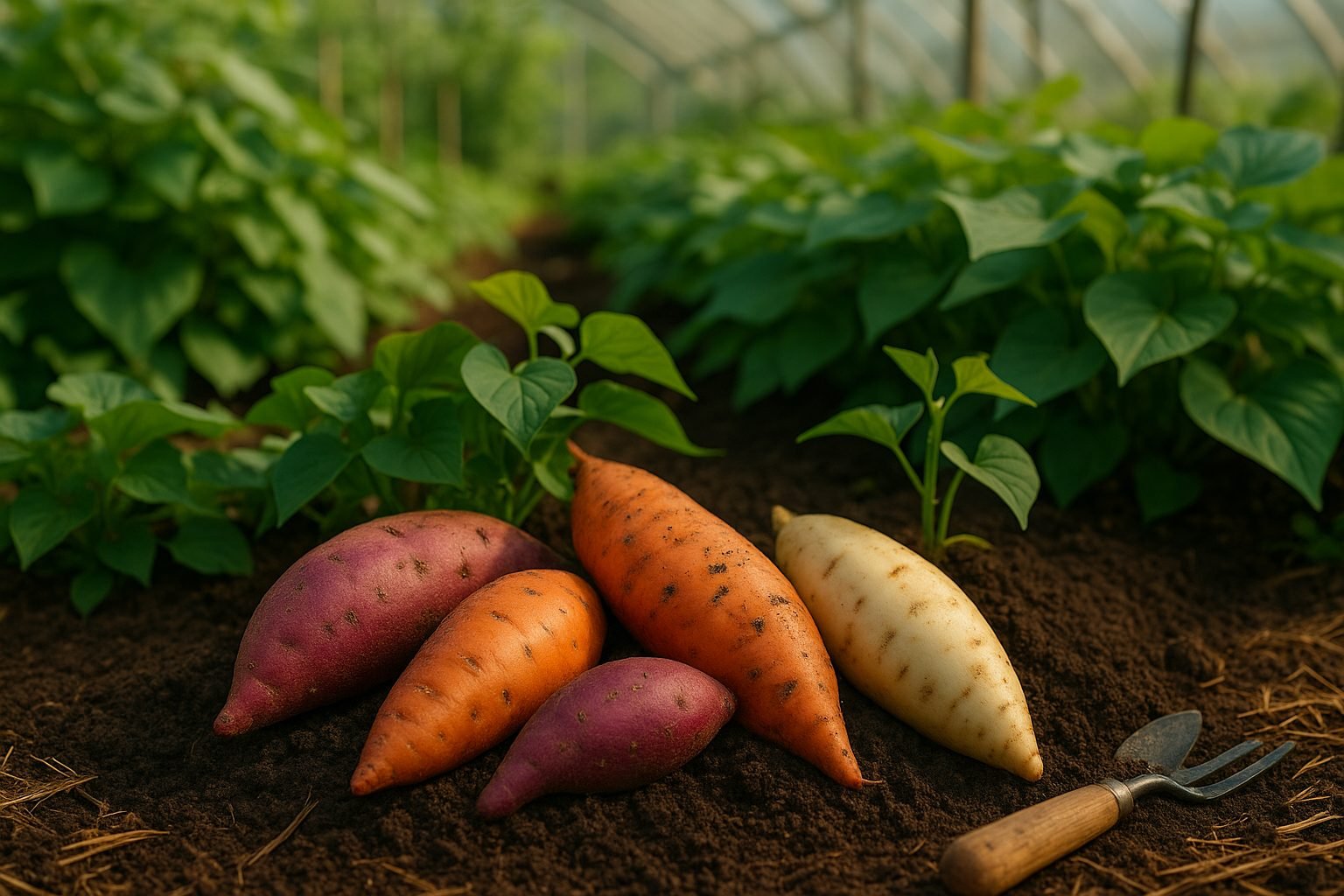
Greenhouse sweet potatoes are quickly gaining attention among gardeners and small-scale farmers, and it’s easy to see why. Sweet potatoes are loved for their vibrant flavor, impressive nutritional profile, and versatility in the kitchen. Traditionally, these heat-loving vines thrive in long, warm summers and well-drained soil, making them a favorite in regions with hot climates.
However, gardeners in cooler or unpredictable climates often struggle to replicate these ideal conditions outdoors. This raises an important question: Can you grow sweet potatoes in greenhouses for a more reliable harvest? In this post, we’ll explore how greenhouse cultivation can transform the experience for sweet potato enthusiasts. You’ll discover tips on temperature control, space optimization, and real-world examples where growers have extended their growing season well beyond outdoor possibilities.
Whether you’re aiming for a steady supply of homegrown sweet potatoes or looking to boost your market garden sales, growing them in a greenhouse could be your next big success. Let’s dive into how the right setup can make growing greenhouse sweet potatoes easier—and more rewarding—no matter where you live.
Understanding Sweet Potato Growth Requirements
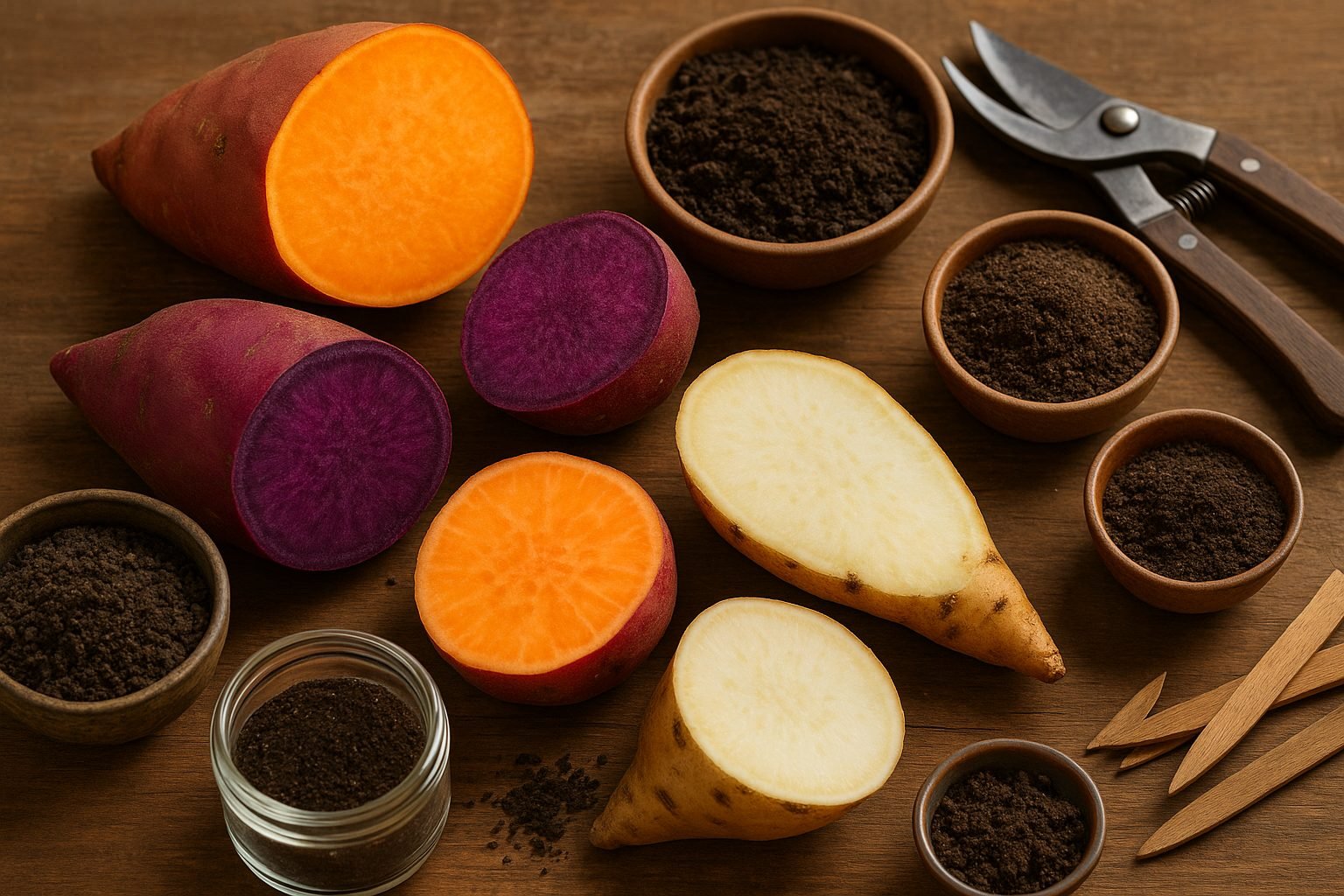
Sweet potatoes thrive in warm, sunny conditions, making them an ideal crop for controlled environments like greenhouses. These tubers need an extended period of heat, with daytime temperatures ideally between 75°F and 85°F (24°C to 29°C) and nighttime temperatures not dropping below 60°F (16°C). They are highly sensitive to frost, and even brief exposure to cold can stunt or damage developing vines and roots. Sweet potatoes also require abundant sunlight—at least six hours of direct sun daily—to support healthy growth and robust tuber development.
Soil type plays a crucial role in their success: loose, well-draining sandy or loamy soils enriched with organic matter allow roots to expand and prevent waterlogging, which can cause rot. Moisture is important as well; while sweet potatoes become drought-tolerant once established, consistent, moderate watering—especially during root formation—leads to higher yields and healthier plants. However, overwatering or poorly drained soil invites rot and disease.
The most vulnerable growth stages occur early on. After planting slips (young shoots), warm soil is vital for quick root establishment—cold soil can delay growth or even kill the slips. Because sweet potatoes are frost-intolerant, any threat of unseasonal chill outdoors can abruptly halt progress, making the typical 90 to 120 frost-free days outdoors a challenge in many regions. Sudden weather changes, persistent rain, and soil compaction can also hinder outdoor cultivation, often resulting in irregular tubers or poor harvests.
In short, meeting the sweet potato’s need for stable heat, frost protection, plenty of sunlight, and well-drained, fertile soil can be tricky outside, especially in temperate climates or areas with short, unpredictable summers. A greenhouse environment helps overcome these challenges by providing steady warmth, protection from cold snaps, controlled irrigation, and ideal soil conditions—creating a reliable space for greenhouse sweet potatoes to thrive regardless of external weather patterns.
How Greenhouse Growing Changes the Game
Growing greenhouse sweet potatoes transforms the gardening experience compared to traditional outdoor methods. One of the biggest perks is temperature control, which is crucial since sweet potatoes thrive in warm conditions and can be stunted by cooler weather. In many climates, the outdoor planting window is pretty narrow, but a greenhouse lets you start your crop earlier in the spring and extend the growing season well into fall or even winter.
This ability to manage the environment directly boosts yield and plant health; consistent warmth and humidity encourage vigorous vine growth, resulting in larger, more uniform tubers at harvest. Plus, greenhouses act as a physical barrier against pests like beetles, nematodes, and rodents—common issues in outdoor beds. This can significantly reduce or even eliminate the need for pesticides, making greenhouse sweet potatoes an excellent choice for organic gardeners.
Weather extremes—like sudden frosts, heavy rain, and strong winds—that often damage outdoor crops are much less of a threat inside a greenhouse. Side-by-side comparisons frequently show that greenhouse-grown plants suffer from fewer diseases, less pest damage, and overall healthier growth.
Season extension is another major bonus. With protection from the elements, you can stagger plantings or try growing sweet potatoes when the outdoor soil is still too cold. Whether you’re a home gardener or a commercial grower, these advantages mean more reliable harvests and higher-quality tubers, making greenhouse sweet potatoes an attractive option wherever traditional growing falls short.
Challenges of Greenhouse Sweet Potato Cultivation
Growing greenhouse sweet potatoes can be highly rewarding, but it comes with its own unique set of challenges that growers should be prepared for. One major hurdle is space limitation—sweet potatoes are vigorous, sprawling vines that need plenty of room to spread, and cramped conditions can stunt tuber growth. Using trellising or vertical training systems can help accommodate their vining habit without taking up too much floor space.
Another challenge is vine management. Without regular pruning and guidance, vines can become tangled quickly, which reduces air circulation and raises the risk of disease. Consistent training of the vines on trellises and strategic trimming helps keep growth under control and promotes healthier plants.
Humidity control is also tricky. Sweet potatoes thrive in warm environments, but excessive humidity can lead to fungal diseases like white mold and root rot. Investing in good ventilation, using fans, and monitoring moisture levels with hygrometers can maintain optimal humidity between 50-60%.
Heat buildup is another concern under greenhouse conditions, especially during sunny days, which can stress plants and reduce yields. Using shade cloths, ensuring proper ventilation, and employing automatic temperature controls are effective ways to manage excess heat.
Lastly, greenhouse environments can encourage pests such as whiteflies, aphids, and nematodes that flourish on unchecked growth. Implementing integrated pest management—including beneficial insects, sticky traps, and regular inspections—helps keep these populations under control.
While these challenges may seem daunting, with attentive care and the right strategies, achieving a healthy and productive greenhouse sweet potato crop is definitely possible.
Best Practices for Growing Sweet Potatoes in Greenhouses
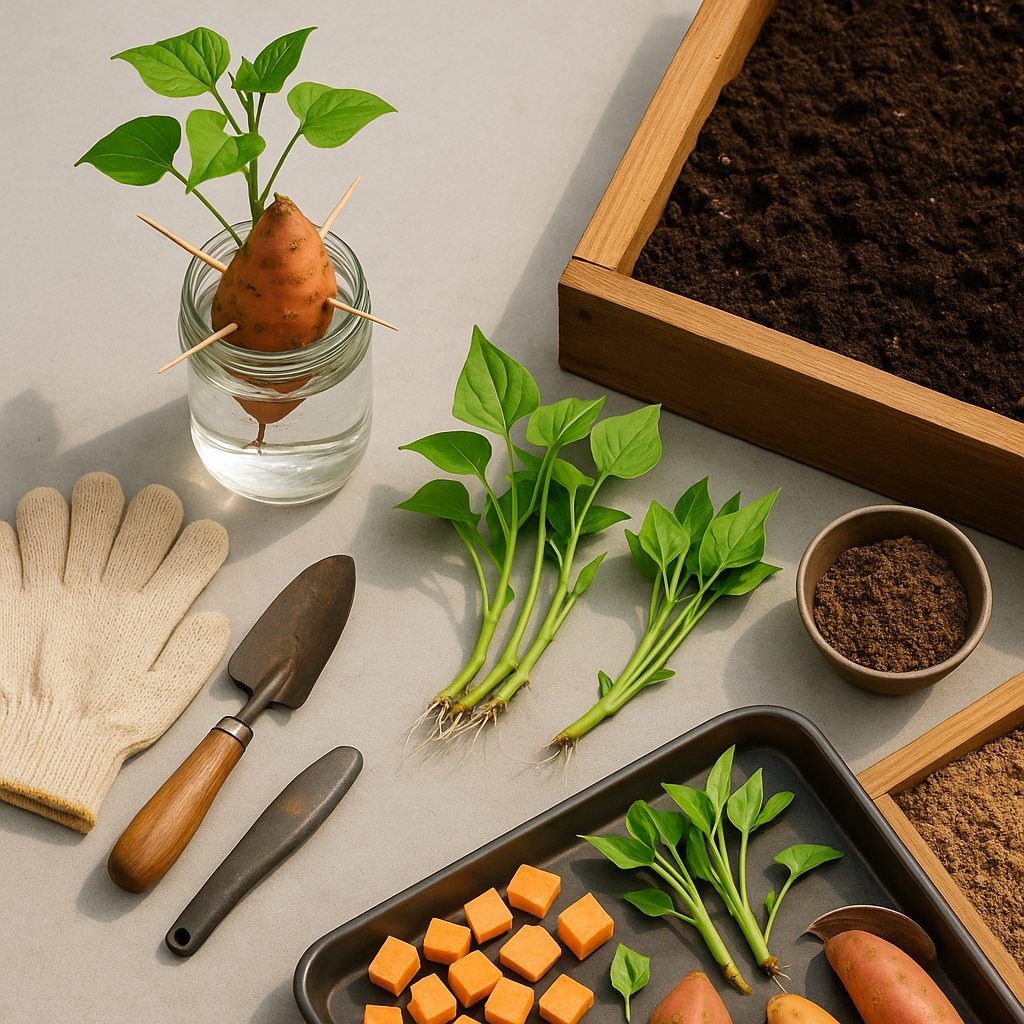
Growing greenhouse sweet potatoes successfully starts with preparing the right soil environment. Sweet potatoes thrive in loose, well-draining soil rich in organic matter. Begin by filling raised beds or large containers with a mix of sandy loam, compost, and a bit of perlite or coarse sand to improve aeration and drainage. Raised beds, built 12-18 inches high, provide ample room for healthy root growth and help prevent waterlogging—an important factor in the humid greenhouse microclimate.
Ensure your containers have drainage holes and consider lining the bottoms with gravel to enhance water flow. When planting, use healthy slips (rooted cuttings, not seeds) spaced about 12-16 inches apart to give each plant enough room to establish robust tubers. Since the vines can grow quite unruly, allow them to trail on trellises or along bed edges. Vertical trellising with netting or sturdy stakes can save space and improve air circulation, reducing the risk of disease.
Sweet potatoes love warmth, so maintain your greenhouse temperature between 75-85°F (24-29°C) during the day, making sure it doesn’t drop below 60°F (15°C) at night. They need at least six hours of bright sunlight daily; if your greenhouse is shaded or during cloudy seasons, supplement with full-spectrum grow lights. Keep the soil consistently moist but never soggy—a deep watering once or twice a week usually does the trick. Always watch for wilting or root rot signs.
Since sweet potatoes are self-pollinating, artificial pollination isn’t necessary. However, gently shaking the vines occasionally can help promote healthy flower and fruit development if your greenhouse is closed to pollinators. To encourage root growth rather than leafy vines, side-dress plants with a low-nitrogen, high-potassium fertilizer.
Regularly check for pests like aphids or whiteflies, and remove any yellowing leaves to keep plants healthy. By carefully following these growing practices, you can enjoy a bountiful harvest of sweet potatoes straight from your greenhouse, no matter the weather outside.
Harvesting and Yield Expectations for Greenhouse Sweet Potatoes
Greenhouse sweet potatoes are typically ready to harvest 90 to 120 days after planting slips, though the exact timing depends on your variety and whether the vines have started to yellow. To check for readiness, gently dig around the base of the plant—mature tubers should feel plump and firm. Use a small hand fork or your hands to carefully lift the potatoes to avoid bruising, as sweet potatoes are easily damaged.
Compared to outdoor cultivation, greenhouse-grown sweet potatoes often yield more consistently and produce better results per square foot, thanks to stable temperatures and a longer growing season. In a well-managed greenhouse, you can expect to harvest 3 to 5 pounds per plant, whereas outdoor yields may vary due to unpredictable weather and pests.
After harvesting, curing is essential to enhance both flavor and storage life. Keep the tubers in a warm (80–85°F), humid (85–90% RH) environment for 7 to 10 days to heal minor wounds and convert starches into sugars. Once cured, store your greenhouse sweet potatoes at 55–60°F in a dry, well-ventilated area. When properly cured and stored, they can last for six months or more, providing delicious, homegrown produce well beyond harvest time.
Is Greenhouse Growing Right for You? Final Considerations
Greenhouse sweet potatoes can be an excellent choice for gardeners looking to maximize small urban spaces, live in areas with short or unpredictable growing seasons, or enjoy a year-round harvest. If you deal with frequent frosts or don’t have a sunny backyard, a greenhouse offers the controlled environment that sweet potatoes need—warmth, consistent moisture, and protection from pests.
However, before diving in, it’s important to consider the trade-offs. Setting up even a basic greenhouse requires an initial investment in the structure, ventilation, and temperature control, along with ongoing costs for utilities and maintenance. You’ll also need to dedicate time to monitoring conditions, watering, training vines, and managing occasional pest outbreaks inside the greenhouse.
These efforts, though, reward you with reliable harvests and the joy of growing your own tubers almost year-round. If your budget and schedule permit, greenhouse growing is a rewarding way to elevate your gardening. If not, there are plenty of alternatives—like container gardening on a sunny deck or joining a community garden—that can still produce sweet potatoes successfully.
Assess your space, climate, and goals carefully to decide whether greenhouse growing is the right next step or if traditional outdoor planting fits your needs better.