Introduction
strawberry runners explained: If you’ve ever grown strawberries and noticed long, thin stems shooting out from your plants, you’re already familiar with these natural offshoots. Strawberry runners play a crucial role in home gardening, allowing you to multiply your strawberry patch without buying new plants every season.
Propagating strawberries using runners is not only cost-effective but also surprisingly easy and reliable, making it perfect for both beginners and seasoned gardeners alike. Learning how to manage and use runners means fresher fruit, a bigger harvest, and healthier plants with minimal investment.
In this guide, you’ll find everything you need to know about strawberry runners: what they are, how to identify them, when to train or transplant them, and how to troubleshoot common issues. By the end, you’ll have all the practical tips and confidence you need to make the most of your strawberry patch.
Understanding Strawberry Runners
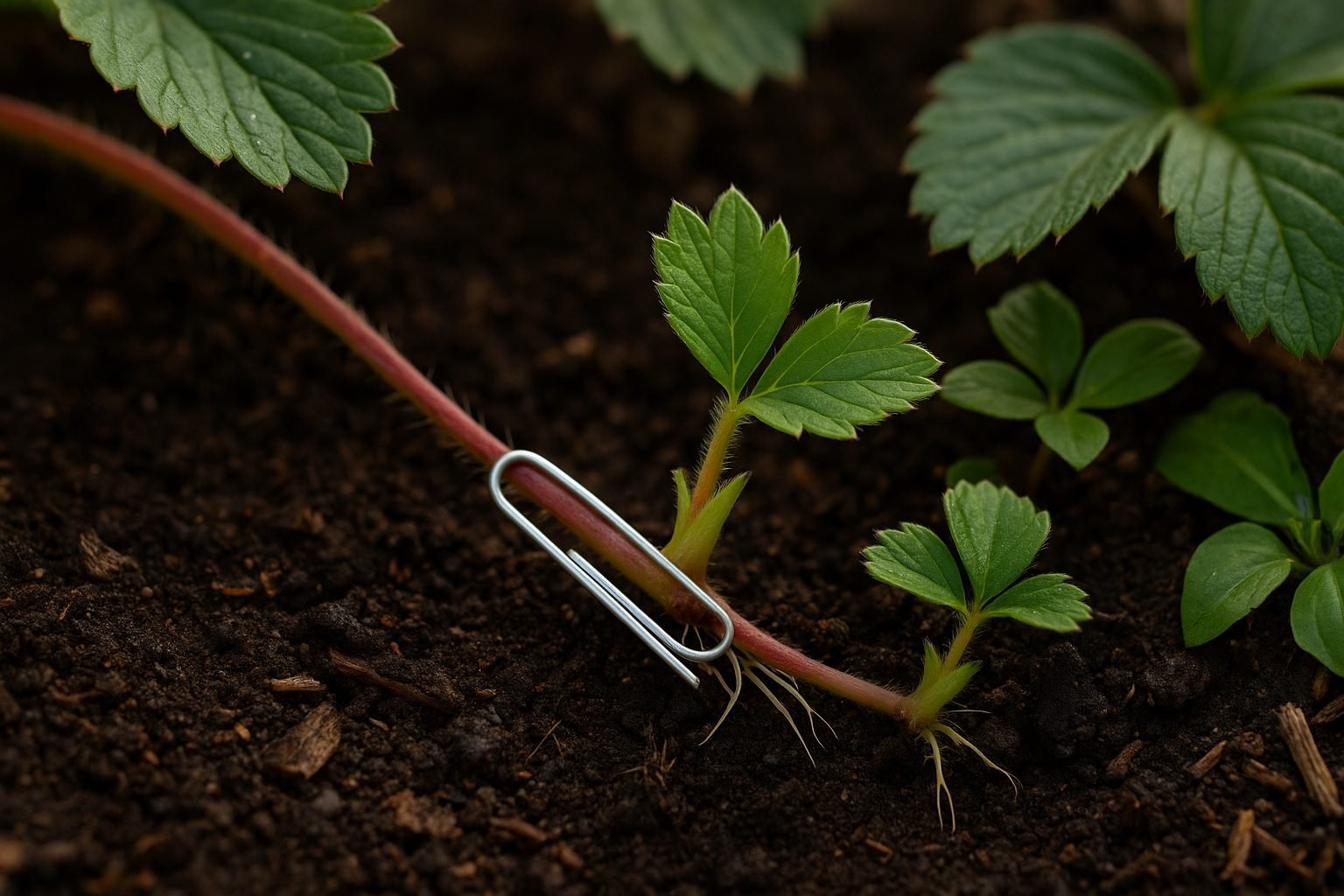
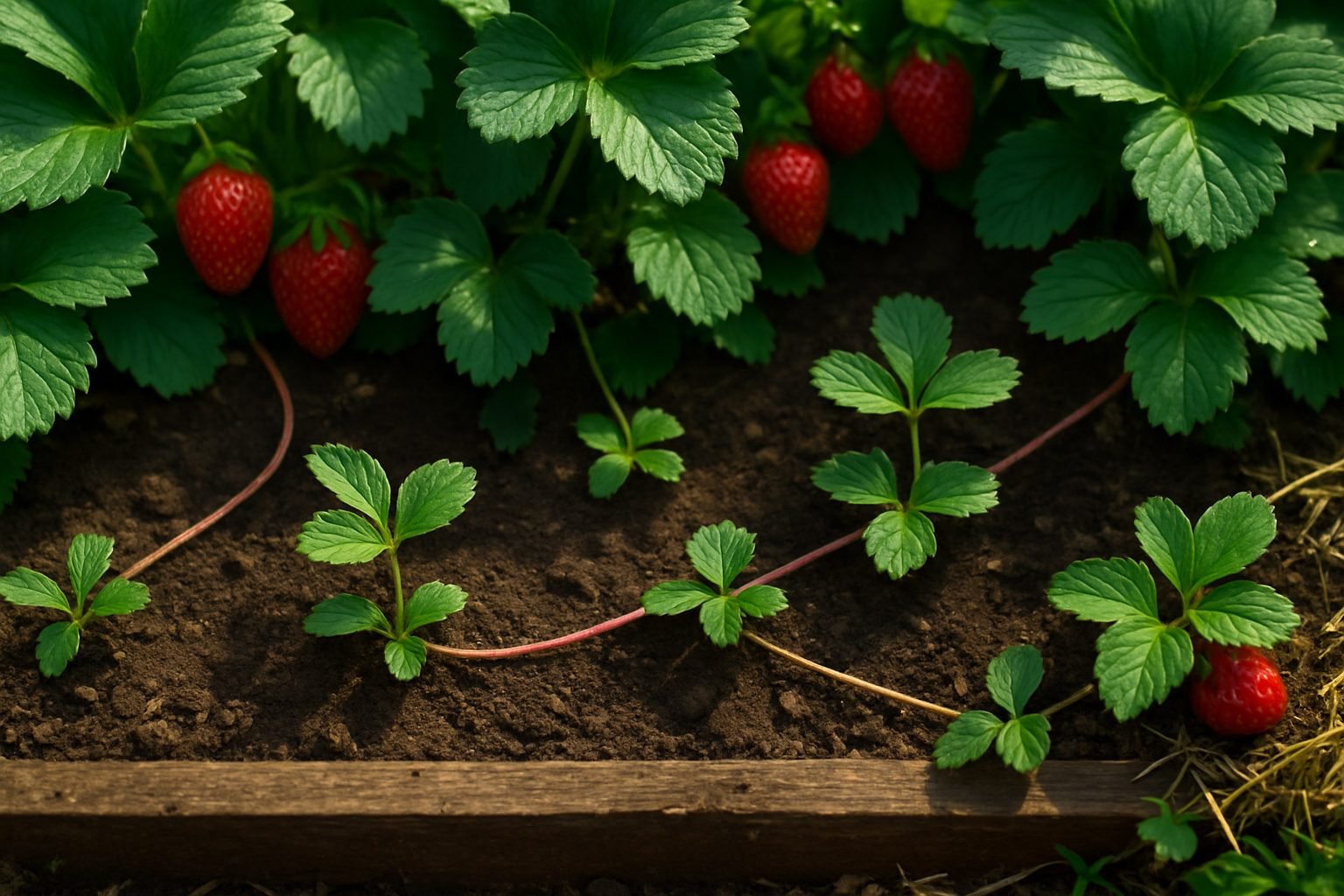
Strawberry runners are thin, horizontal stems that grow out from the main strawberry plant, allowing it to propagate naturally. Also called stolons, these runners stretch outward and produce small baby plants, or “daughter” plants, where they touch the ground.
This method of propagation is quite different from growing strawberries from seeds, which often takes longer and yields less predictable results. While seeds are genetically variable, runners create clones of the parent plant, preserving traits like fruit quality and size.
Strawberry plants typically send out runners after their main fruiting season, especially when they’re healthy and well-fed. Runners are nature’s way of helping strawberries spread quickly across the ground, filling in beds and creating a patch of uniform plants.
Using Runners for Propagation
Using runners is a favorite method for home gardeners since it’s fast, free, and almost foolproof—simply peg down a runner and let it root, then move the baby plant once it’s established.
Things to Watch Out For
However, relying only on runners can lead to overcrowding and reduced fruit yield over time if plants aren’t thinned or rotated. Also, since runners are clones, any diseases in the parent plant can easily spread.
To keep your strawberry patch thriving, it’s a good idea to replace older, less productive plants every few years and ensure plants have enough space and airflow. Selecting healthy runners and removing excess ones is a simple step that can keep your strawberries happy and productive for seasons to come.
When and How to Propagate Strawberry Runners
The best time to propagate strawberry runners is in late summer, typically from July to early September, when the plants are mature and producing strong runners but before cold weather arrives. Timing matters because young runners need several weeks to develop strong roots before winter sets in, ensuring they survive the colder months and are ready to thrive come spring.
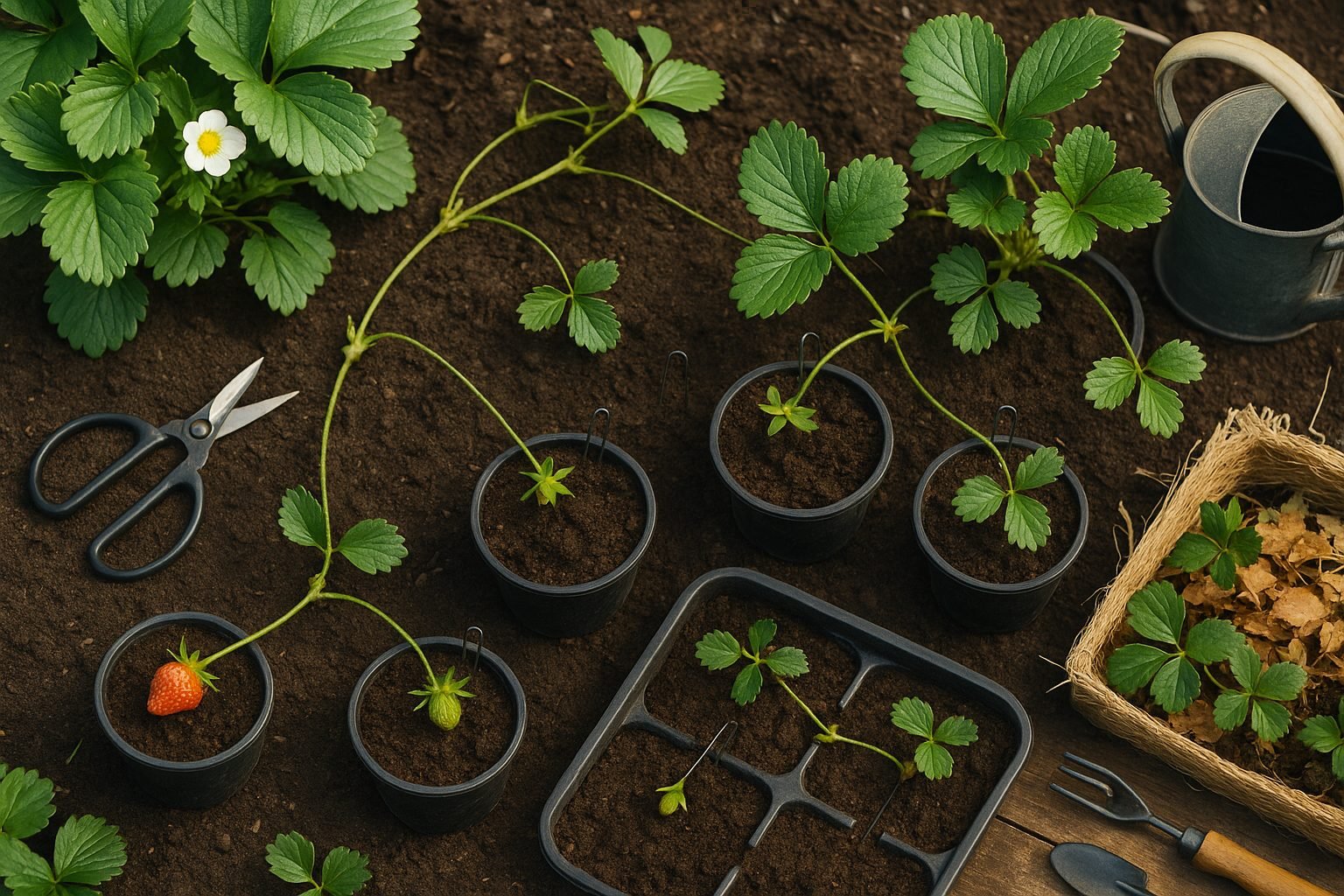
To start, look for runners that have at least two healthy leaves and visible roots forming at the nodes—avoid runners that look weak or are too small, as they may not establish well. Gently pin the selected runner’s node (where the little roots form) into moist soil nearby, or use a small pot filled with rich, well-draining compost placed next to the mother plant. Secure the runner with a bent paperclip or hairpin to keep it in contact with the soil, and water regularly, keeping the soil damp but not soggy.
After two to four weeks, roots should develop, at which point you can snip the new plant away from the parent and move it where you want.
Tips for Success
- Don’t let too many runners grow per plant—overcrowding reduces airflow, makes plants prone to disease, and diverts energy from fruit production.
- Limit propagation to two or three strong runners per mother plant each year.
- Trim off excess runners to keep your strawberry patch vigorous and productive.
Planting and Caring for New Strawberry Plants
When starting a new strawberry bed, begin by choosing a spot with plenty of sun—at least six hours daily—and well-draining soil, as strawberries don’t thrive in soggy ground. Remove weeds, loosen the top 8-10 inches of soil, and mix in compost or aged manure to boost nutrients. If reusing an older bed, rotate away from spots where tomatoes or peppers grew to prevent disease.
Once the soil is ready, focus on the runners—these are the long stems extending from mature strawberry plants that form new rooted plantlets at their ends. When a runner’s plantlet has sprouted a few healthy roots and leaves, gently snip it from the main plant with scissors.
Loosen the soil where you’ll transplant, and dig a hole deep enough for the roots to spread outward without curling. Plant each runner so the crown (where leaves meet the roots) sits just at soil level—not exposed above or buried below, as both extremes can stunt growth or invite rot.
Space plants about 12–18 inches apart to ensure good airflow and prevent overcrowding, which reduces disease risk and gives berries room to develop. After transplanting, water thoroughly but avoid saturating the soil; keep the area consistently moist, especially in the first two weeks as roots establish.
Mulching with straw or pine needles helps retain moisture, block weeds, and keep fruits clean. Keep an eye out: planting too shallowly can dry roots out, while too deep can rot the crown. Skipping soil amendments or crowding plants are common mistakes that can lead to weak, unproductive strawberries.
Finally, make sure your plants get enough sunlight—a minimum of six hours a day is vital for sweet, flavorful berries. By following these steps, you’ll give your new strawberry patch the best possible start for a bumper crop.
Managing Parent Plants and Runner Production
To maximize fruit production in established strawberry plants, it’s important to strike the right balance between allowing some runners and limiting their spread. Runners, or stolons, are essential for propagating new plants, but if left unchecked, they can quickly sap energy from the parent plant and reduce both the quality and quantity of your fruit.
Start monitoring your plants in late spring or early summer when runners first appear. For the best yields, especially in the first and second years of the plant’s life, prune away most runners as soon as they start to form—snipping them off with clean scissors or pinching them at the base. This directs the plant’s resources into developing larger, sweeter berries rather than creating offspring.
However, it’s smart to keep one or two of the strongest runners if you plan to replace aging plants or expand your patch—just make sure they don’t crowd your original plant or each other. As a general guideline, allow no more than two runners per healthy, vigorous parent plant, and only in gardens where you have enough space for the new plants to root and grow without competition.
For smaller gardens or container setups, focus on fruit by removing all runners. Remember to check runner growth every week or two throughout the growing season, as they can appear quickly. Regularly mulching around plants can make spotting and managing runners easier and keeps the parent plant healthy.
Keeping this balance ensures your strawberry plants will reward you with bountiful harvests and a renewed bed each year.
Common Challenges and Solutions
Propagating or transplanting runners—like those from strawberries or certain houseplants—can sometimes be tricky. Common challenges include diseases such as fungal infections, pest infestations like aphids or spider mites, and weak or stunted growth in new plants.
To prevent disease, always use sterilized tools and select healthy, robust parent plants for propagation. Avoid overcrowded planting, which can trap moisture and invite fungi; spacing runners at least 12 inches apart boosts airflow and reduces risks.
For pest control, regularly inspect leaves and stems for bugs, and remove any pests by hand or use a gentle insecticidal soap if necessary.
If you notice slow or weak growth, check that each runner has enough roots before transplanting—rootless runners struggle to establish. Use a nutrient-rich, well-draining soil mix and water moderately; overwatering often causes root rot.
Mulching around new transplants helps retain moisture while suppressing weeds. To encourage strong plants, pinch off any flowers during the first few weeks so the plant can focus energy on root development. Also, feed new plants with a diluted balanced fertilizer every couple of weeks until they are established.
With a proactive approach and a watchful eye, you’ll soon have a thriving patch of runners ready to flourish.
Harvesting and Long-term Maintenance
Newly propagated strawberry plants typically start producing fruit in their second year, although you might see a few berries during the first season. To set your plants up for vigorous future harvests, remove any blossoms in the first year to let energy focus on root and leaf development instead of fruiting—this small sacrifice leads to a stronger crop next season.
Keep your beds weed-free and well-watered, especially during dry spells, as strawberries have shallow roots and can quickly dry out. After fruiting, snip off spent flower stems and remove dead leaves to prevent disease.
Mulch around the plants with straw or pine needles to retain moisture, suppress weeds, and keep berries clean. Fertilize with a balanced, slow-release formula after the last harvest and again in early spring to replenish soil nutrients.
Over time, strawberry plants tend to become less productive, usually after three to four years. To maintain healthy yields, renew your beds by letting younger runners take root in empty spaces or in a prepared bed. Every few years, dig up older, woody plants and replace them with those vigorous young starts; this cycle keeps your patch productive and disease-resistant.
Mark your beds with the planting year to easily identify and rotate aging sections. With this approach, you can enjoy sweet, plentiful strawberries season after season.