Introduction
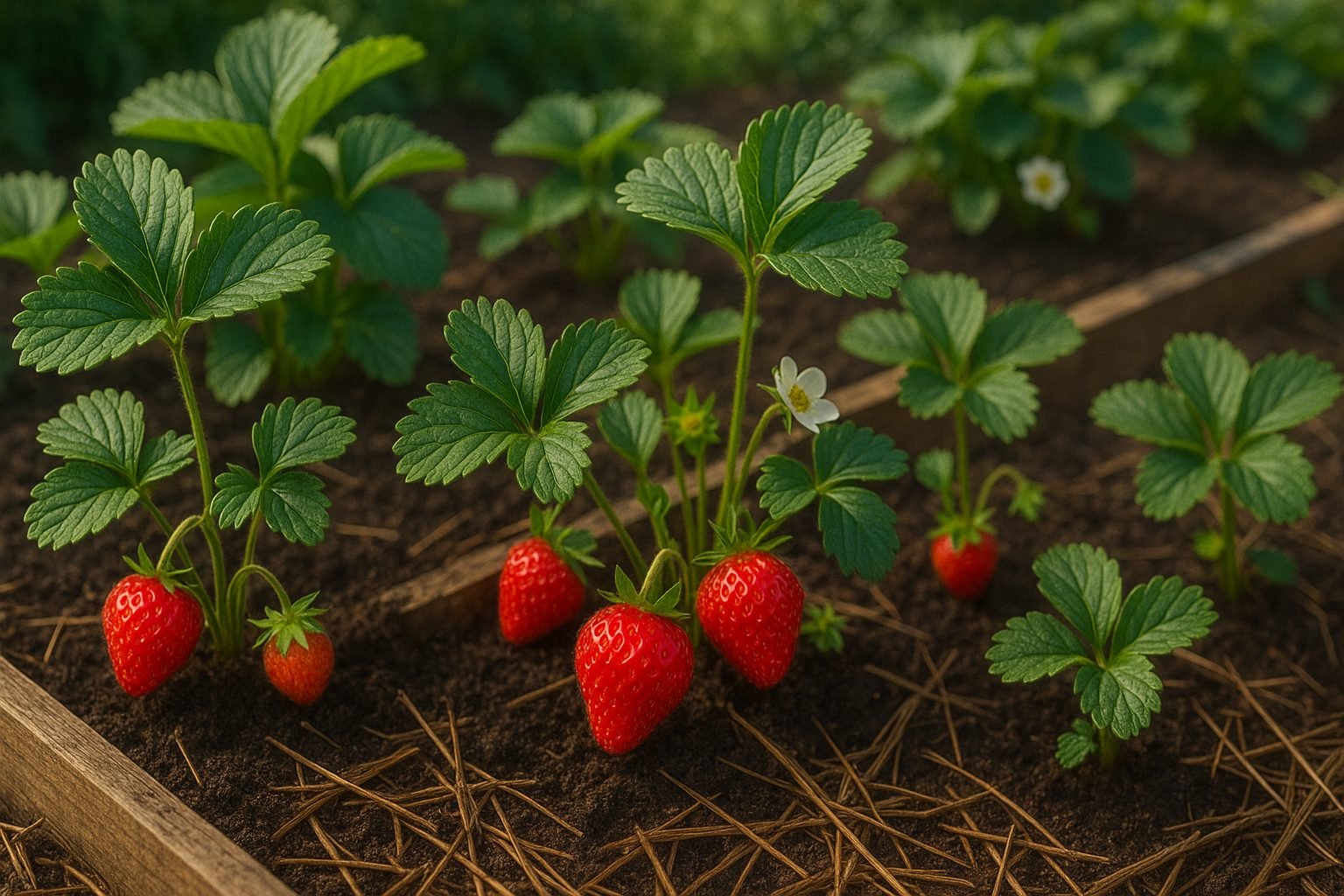
Strawberries are a favorite fruit among home gardeners, loved for their sweet flavor and versatility, from snacks to desserts. Whether you’re planting a few pots on your balcony or setting up a dedicated strawberry patch in your backyard, understanding strawberries sunlight needs is essential for a thriving harvest. But do strawberries require full sun, or can they thrive with some shade?
Many new growers wonder if more sun always means bigger, juicier berries or if partial sunlight might be enough. In this post, we’ll clarify exactly how much sunlight strawberries need, what happens if they receive too little or too much, and share proven tips to help you provide the best possible growing conditions. If you’re aiming for a lush, productive strawberry crop this season, getting these light requirements right is key. Let’s dive in and discover what your strawberries need to succeed.
Understanding Sunlight Needs for Strawberries
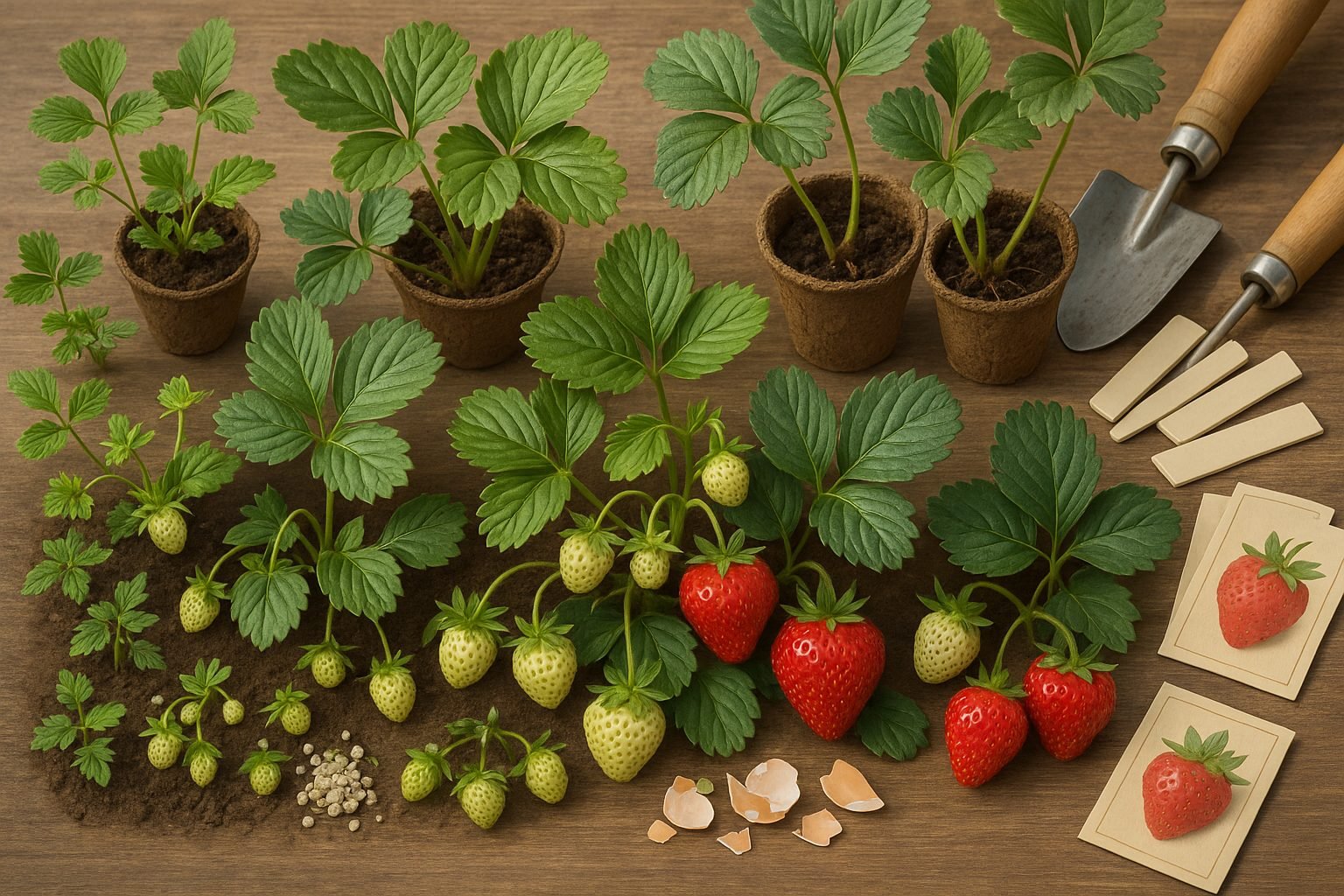
When it comes to growing vibrant, healthy strawberries, understanding their sunlight needs is essential for a successful harvest. In gardening terms, “full sun” means a plant receives direct sunlight for at least six to eight hours each day. Strawberries are sun-loving plants that thrive best with a minimum of six hours—ideally closer to eight—of direct sunlight daily. This is especially important during the growing and fruiting seasons, typically from late spring through early summer, when the plants are most actively developing. The more consistent the sunlight exposure, the better your strawberry plants will be at producing plentiful, sweet berries.
Adequate sunlight not only fuels photosynthesis, vital for overall plant health, but also directly affects strawberry flowering and fruit development. When strawberries get their full share of sun, they develop sturdy foliage, set more blooms, and yield larger, juicier fruit. Conversely, insufficient light can cause spindly growth, fewer flowers, and smaller, less flavorful berries. In shaded or partially sunny spots, you may notice delayed ripening, increased risk of diseases due to trapped moisture, and overall weaker plants.
Gardeners in regions with strong summer sun can use light mulches to protect roots from overheating, while those in cooler climates should position strawberries to soak up every available sunbeam. For apartment dwellers, placing containers on sunny balconies or near south-facing windows helps ensure strawberries’ sunlight needs are met. Meeting these sunlight requirements sets your plants up for a productive season with abundant, sweet fruit.
What Happens if Strawberries Get Less than Full Sun?
When strawberries receive less than full sun, their growth and productivity suffer noticeably. Since strawberries sunlight needs are quite high—they ideally require at least 6-8 hours of direct sunlight each day—insufficient light can cause several problems. In partial shade or low light, strawberry plants often become leggy, stretching toward any available light instead of developing lush, compact foliage. This weak growth reduces the number and size of flowers, resulting in fewer and smaller berries.
You might also notice that fruit takes much longer to ripen and that the berries lack the sweet flavor and bright color associated with sun-kissed strawberries. In real-world gardening, a common scenario is planting strawberries near fences, trees, or buildings that cast shade for part of the day. Many urban gardeners report harvesting only a handful of undersized berries from shaded planter boxes, compared to abundant yields from sunnier locations.
Even temporary shade—like that from nearby tall crops or trellised vegetables—can disrupt flowering and fruiting cycles, causing inconsistent yields throughout the season. If strawberries are placed in a mostly shaded corner, they may also become more prone to diseases since damp, low-light conditions favor fungal issues like powdery mildew.
Ultimately, meeting your strawberries sunlight needs is crucial: full sun exposure promotes healthier plants and a more satisfying harvest, while lack of sufficient sunlight leads to disappointing results in both quantity and quality.
Best Locations to Plant Strawberries for Optimal Sun
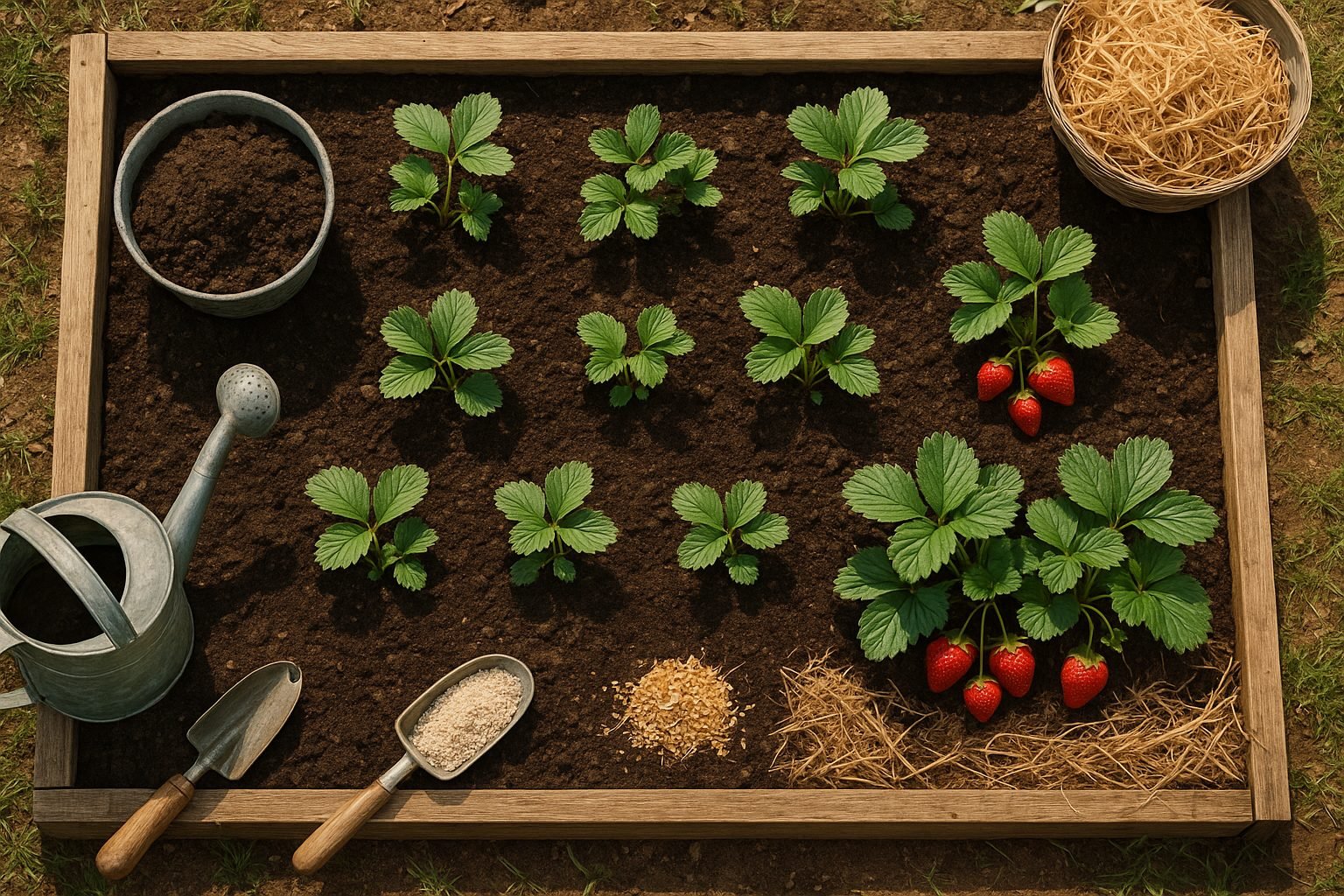
Finding the perfect spot for your strawberries can make all the difference in their health and productivity, as these sweet berries thrive when their strawberries sunlight needs are fully met. For garden beds, choose an open area that receives at least 6-8 hours of direct sunlight each day, with southern or southwestern exposures being ideal in most regions.
Avoid locations near large trees or tall shrubs that might cast shade during peak sunlight hours, and take time to observe how the light moves across your garden throughout the day to identify consistently sunny spots.
If you’re growing strawberries in containers, patios, driveways, balconies, and rooftop decks can be excellent options, especially if they face south or west. Urban and small-space gardeners can make the most of vertical space by using hanging baskets or tiered planters positioned to catch maximum sunlight—even on compact balconies.
For particularly shady spaces, consider moving containers or planters during the day to follow the sun, or elevate them onto tables or shelves to escape shadows cast by buildings or fences. Reflective surfaces like light-colored walls or fences can also bounce extra sunlight onto your strawberries when placed strategically.
Pruning overhanging branches or thinning dense shrubs can help increase light exposure in persistently shaded areas. If natural sunlight is limited to less than six hours daily, especially in urban settings, supplementing with a grow light designed for fruiting plants can help meet your strawberries’ sunlight needs.
Finally, check your plants regularly for signs of stretching, weak growth, or low fruit yield—these may signal they need more light. With thoughtful placement and some creative adjustments, you can ensure your strawberries soak up every bit of sunshine they crave, even in challenging spaces.
Managing Shade and Microclimates for Strawberries’ Sunlight Needs
Finding the right balance of strawberries’ sunlight needs can be tricky, especially since gardens often have shade-casting elements like trees, tall shrubs, fences, and buildings. These structures can block the critical six to eight hours of direct sunlight that strawberries require for healthy growth and maximum fruit production.
For example, afternoon shade from a south-facing fence could significantly reduce yield, while dense overhead trees might cause leggy growth. If your strawberry patch isn’t getting enough light, consider strategic placement—choose the sunniest spot in your yard, ideally with morning sun, which is less intense than late-afternoon light.
If you’re dealing with existing shade, prune overhanging tree branches or pick spots where sunlight naturally collects between buildings. Using light-colored mulch or reflective boards (like white-painted plywood) around the patch can also boost light by reflecting it onto the plants’ leaves.
However, too much direct sun—especially in hot, dry climates—can lead to leaf scorch and shriveled berries. In these situations, a bit of afternoon shade can help strawberries cope with the heat, as long as they receive strong morning light. Consider installing a light shade cloth during heatwaves or planting taller, heat-tolerant plants nearby to provide gentle, dappled shade.
Always ensure good soil drainage that retains some moisture, since strawberries dislike both soggy conditions and drought stress. By observing your garden’s unique microclimates and making adjustments as needed, you can help your strawberries thrive with the right sunlight and protection.
Growing Strawberries in Less-than-Ideal Light
While strawberries thrive best with six to eight hours of direct sunlight, many gardeners have to work with spaces that offer less-than-ideal light. Fortunately, strawberries are quite adaptable and can tolerate dappled shade or partial sunlight, especially during the hottest part of the day.
In these conditions, plants usually produce fewer and smaller berries, but can still yield a rewarding harvest. Some varieties handle shade better than others—alpine and woodland strawberries (like Fragaria vesca) are especially well-suited for gardens with limited sun, since they naturally grow along forest edges. Similarly, ‘Mignonette’ and ‘Alexandria’ are great choices for partial shade due to their compact growth and shade tolerance.
If your strawberry patch receives less than ideal sunlight, try to maximize the available light by:
- Placing plants near reflective surfaces such as light-colored walls
- Positioning them beneath deciduous trees that lose leaves in spring, allowing more light through
- Using raised beds or containers that can be moved to sunnier spots
Also, maintain good airflow by not crowding your plants, since shade tends to increase humidity and the risk of fungal diseases. Mulch regularly to retain moisture and keep roots cool. Keeping surrounding plants trimmed can also help boost the sunlight your strawberries get.
While you might not achieve bumper crops with less sunlight, these strategies will support healthy plants and provide a steady trickle of sweet berries, even in shadier gardens.
Conclusion and Takeaways
Understanding strawberries’ sunlight needs is essential for anyone hoping to grow plump, sweet fruit. Strawberries thrive in full sun, requiring at least 6–8 hours of direct sunlight each day to produce the best yields and flavors. Insufficient sunlight can result in fewer blooms, paler berries, and increased susceptibility to pests and diseases. If your garden is shaded, consider relocating your strawberry patch or using containers to follow the sun.
Be sure to evaluate your site’s sunlight patterns throughout the day—sometimes moving plants just a few feet can make a big difference. Don’t let less-than-ideal conditions discourage you; with a bit of planning, you can set your plants up for success. For more tips and expert advice on strawberry care, check out our comprehensive strawberry growing guide to make this season your best yet.