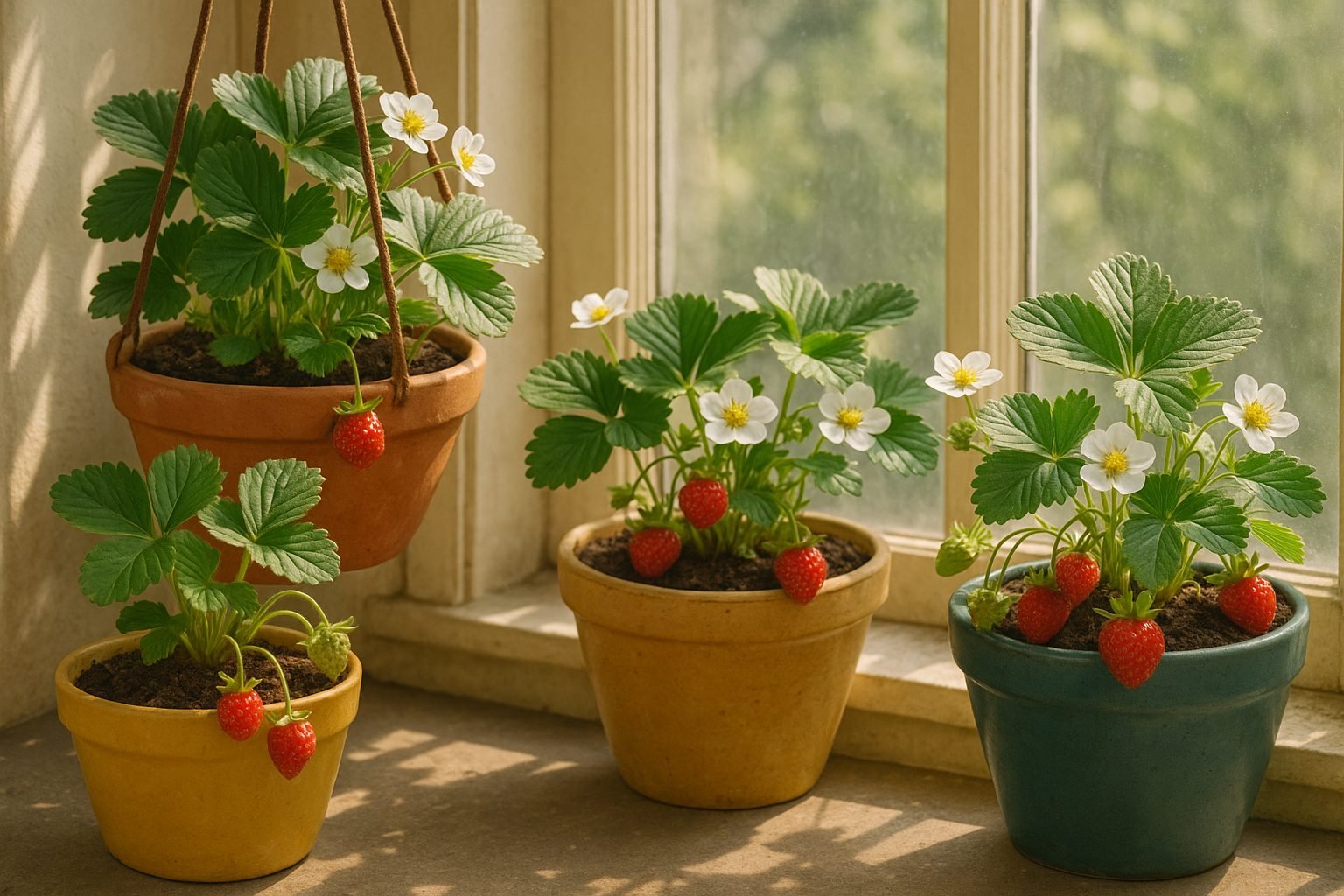
Can You Really Grow Strawberries Indoors?
Growing strawberries indoors has become increasingly popular among apartment dwellers and anyone craving homegrown sweetness without a backyard. But can you really grow strawberries indoors? The answer is yes—with the right setup, even a small sunny corner can yield bright, flavorful berries.
Many choose indoor strawberry gardening for its convenience: you control watering, pests, and temperature, and you’re never at the mercy of unpredictable weather. Strawberries thrive indoors due to their compact root systems and steady harvest potential, especially with everbearing varieties that produce fruit multiple times a year.
Challenges and Requirements
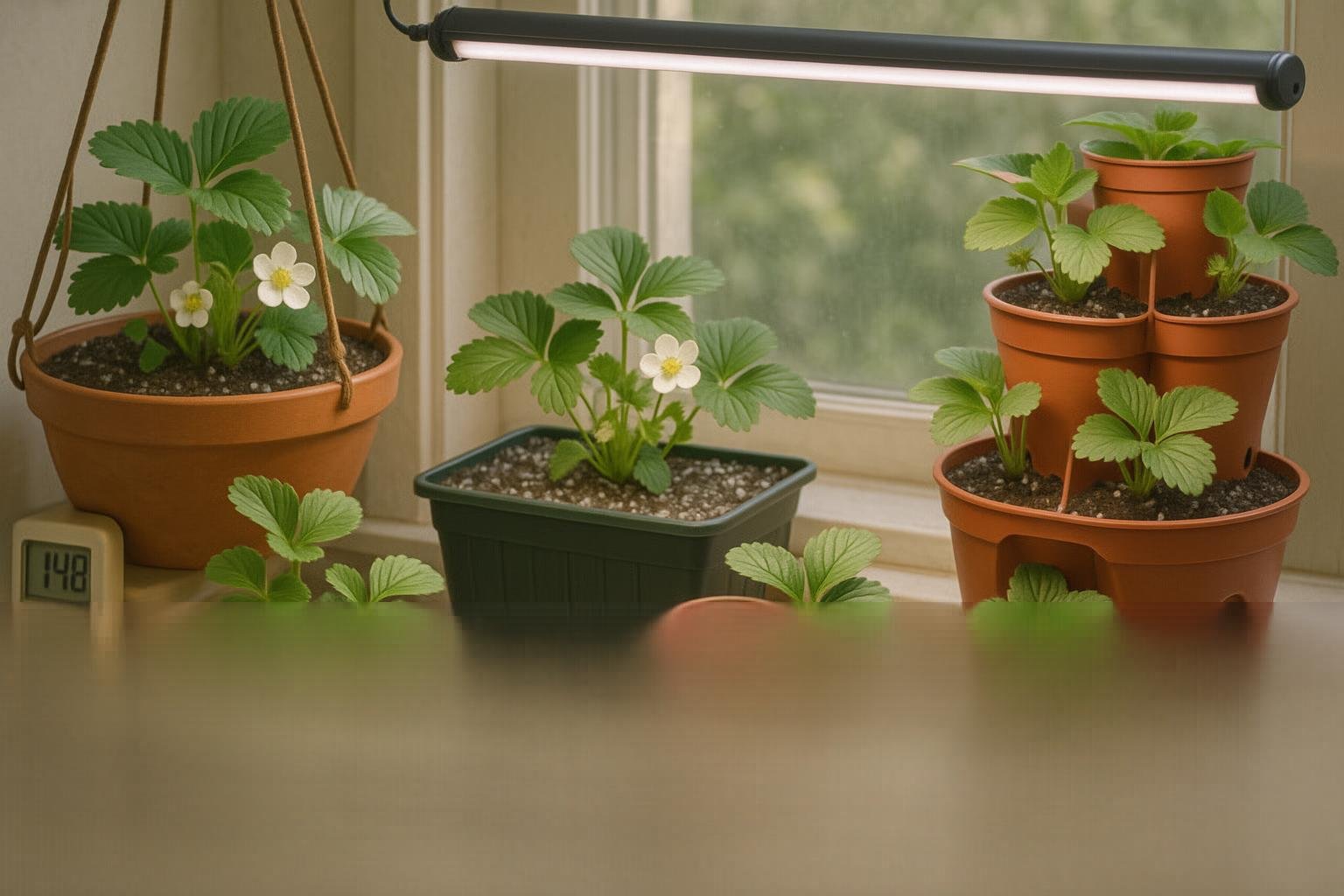
However, some challenges are common. Strawberries need plenty of direct sunlight, ideally 6-8 hours a day, or supplemental LED grow lights to maximize fruiting. Keeping indoor temperatures between 60-75°F is crucial for steady growth.
Space is another consideration—choose windowsills, hanging planters, or tiered vertical gardens to make the most of limited room. Proper drainage is a must to prevent root rot, so use containers with holes and a well-aerated potting mix.
Caring for Indoor Strawberries
With the right care—consistent watering, hand pollination if needed, and regular feeding—you can enjoy bowls of fresh berries even in the middle of winter. Growing strawberries indoors takes some planning, but the rewards are delicious and surprisingly attainable, no matter how small your living space.
Choosing the Right Strawberry Varieties for Indoors
When picking strawberries for indoor growing, day-neutral and everbearing varieties are your best bet because they don’t rely on outdoor daylight patterns and will produce fruit nearly year-round under steady indoor conditions. Popular everbearing types like Ozark Beauty and Quinault offer a dependable crop, producing multiple flushes of fruit throughout the season. They’re known for having sweet, flavorful berries, though sometimes the yield can be a bit lower compared to outdoor June-bearers.
Day-neutral varieties such as Albion and Seascape are especially suited for homes, as they thrive under consistent light and temperatures, often delivering firm, large, and flavorful strawberries. If you have limited space, look for compact or dwarf cultivars like Tristan or Delizz, which do well in containers and even hanging baskets. These plants are not only productive but also attractive thanks to their decorative blooms, making them a double win for indoor gardeners.
The main trade-off for these indoor-friendly types is that while they may produce fruit continuously, you might get smaller harvests at once compared to traditional outdoor varieties. However, the ease of care, lower light requirements, and the pleasure of picking fresh berries inside your home more than make up for this—especially if you’re craving homegrown fruit from your kitchen windowsill.
Setting Up: Containers, Soil, and Lighting
Choosing the right container is the first step for thriving indoor strawberries. Go for pots or hanging baskets at least 6–8 inches deep, with a width of 10–12 inches per plant, and make sure they have several drainage holes to prevent waterlogged roots—strawberries hate “wet feet.” Look for containers made from plastic, ceramic, or fabric grow bags, as these retain moisture but still offer good airflow.
Next, focus on the growing medium: strawberries need a rich, well-draining potting mix. Avoid regular garden soil since it can compact indoors and harbor pests. Instead, pick a high-quality potting mix and mix in a bit of perlite or coarse sand to aerate it, plus some compost or worm castings for added nutrients. If your water is very alkaline, adding a handful of peat moss can help keep the pH between 5.5 and 6.5, which strawberries love.
Finally, think about lighting—without six hours of direct sunlight daily, your plants will produce leggy growth and few berries. Place containers on a sunny south-facing windowsill, rotating pots regularly for even growth. When natural light isn’t enough, supplement with full-spectrum LED grow lights positioned 6–12 inches above the plants and run them for 12–16 hours a day. Clip-on or adjustable LED strips make it easy to customize setups for your space, and timers take care of the rest.
With the right containers, soil, and lighting, even apartment dwellers can enjoy a sweet homegrown strawberry harvest.
How to Plant and Care for Indoor Strawberries
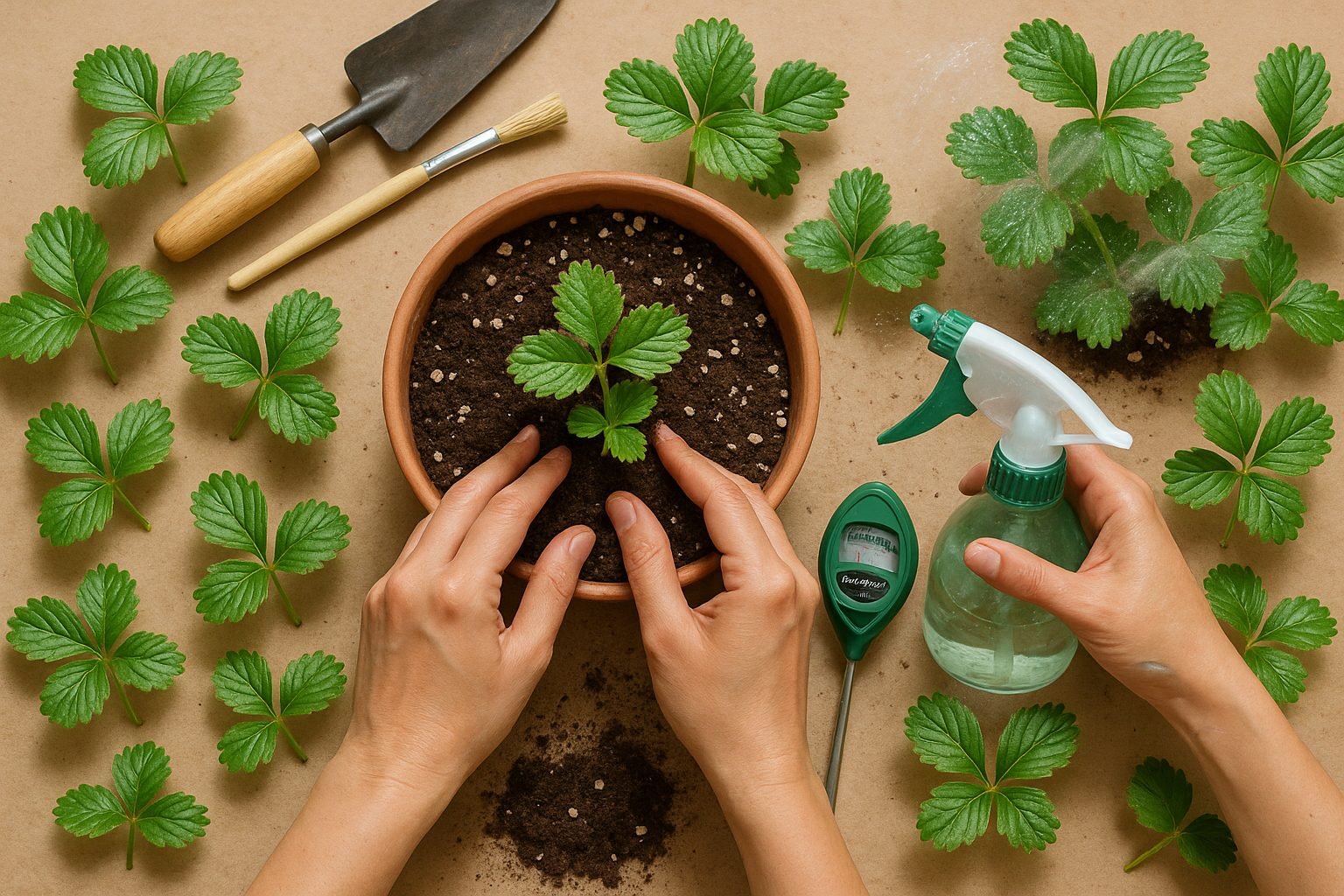
Planting strawberries indoors starts with choosing the right container—pick one at least 6 inches deep with good drainage holes. Fill it with a well-draining potting mix, preferably one designed for fruits or vegetables.
Space each strawberry plant about 8 inches apart to give their roots room to grow, and gently firm the soil around each crown (the spot where roots meet leaves), ensuring it sits just above soil level. Water immediately after planting to settle the soil.
For ongoing care, keep the soil consistently moist but not soggy; aim to water when the top inch of soil feels dry, typically every 2–3 days, though this may vary depending on your home’s humidity. Strawberries like a bit of humidity, so misting the leaves occasionally or placing a shallow tray of water nearby can help, especially in dry apartments.
Feed your strawberry plants with a balanced liquid fertilizer every two weeks to encourage healthy foliage and fruit. Since there are no outdoor pollinators indoors, use a small paintbrush or cotton swab to gently dab each flower’s center, transferring pollen between blooms.
Keep an eye out for common pests like spider mites or aphids—in small numbers, you can rinse them away with a gentle shower of water. For disease prevention, avoid splashing water on leaves and ensure good airflow around your plants by not overcrowding them. If mold or mildew appears, trim the affected leaves and improve air circulation.
With attentive care and a little patience, you’ll be picking fresh strawberries right from your windowsill.
Hydroponic and Alternative Indoor Methods
Hydroponic strawberry growing is becoming increasingly popular among home gardeners and commercial growers alike, thanks to its ability to promote faster growth and significantly reduce common soil-borne pests. Unlike traditional soil-based methods, hydroponic systems use nutrient-rich water solutions to feed the plants’ roots directly, eliminating the need for soil altogether.
This approach allows for precise control over nutrients, moisture, and light, resulting in healthier plants and often larger, sweeter berries. Setting up a basic hydroponic system at home requires some key components:
- a water reservoir
- growing containers (like net pots or troughs)
- a pump for circulating water
- an air stone for oxygenation
- an artificial light source if you lack natural sunlight
Many growers start with simple setups such as the nutrient film technique (NFT) or deep water culture, both of which can fit in spare rooms or even large closets.
Beyond hydroponics, other innovative indoor methods include vertical farming—where strawberries grow on stacked shelves to save space—and aeroponics, which mists plant roots with nutrient solution, using even less water than traditional hydroponics.
No matter the method, indoor growing lets you enjoy fresh strawberries all year long, free from unpredictable outdoor weather and many pests.
Harvesting and Enjoying Your Indoor Strawberries
Knowing when to pick your indoor strawberries is key to enjoying sweet, flavorful fruit. Ripe strawberries are bright red all over, with a glossy sheen and no hint of white or green near the cap. They should feel firm but not hard when gently squeezed.
When harvesting, hold the berry with one hand and pinch the stem with the other, snapping it just above the cap to avoid bruising the delicate fruit.
Expect your indoor plants to yield a modest harvest—typically a handful of berries per plant every few weeks during the peak fruiting season, often spring and early summer, though some everbearing varieties can fruit almost continuously with proper care.
To keep your strawberries productive, trim away yellowing leaves and spent stems, and make sure they get at least six hours of bright light daily—grow lights work wonders in dimmer spaces. Regularly feeding your plants with a balanced fertilizer and keeping the soil evenly moist (but not soggy) also encourages multiple harvests.
Rotate the pots every few days for even sun exposure, and pollinate flowers gently with a small paintbrush to mimic bees if you don’t see fruits forming.
With consistent attention, it’s possible to enjoy several mini harvests of sweet homegrown berries each year right from your windowsill.