Introduction
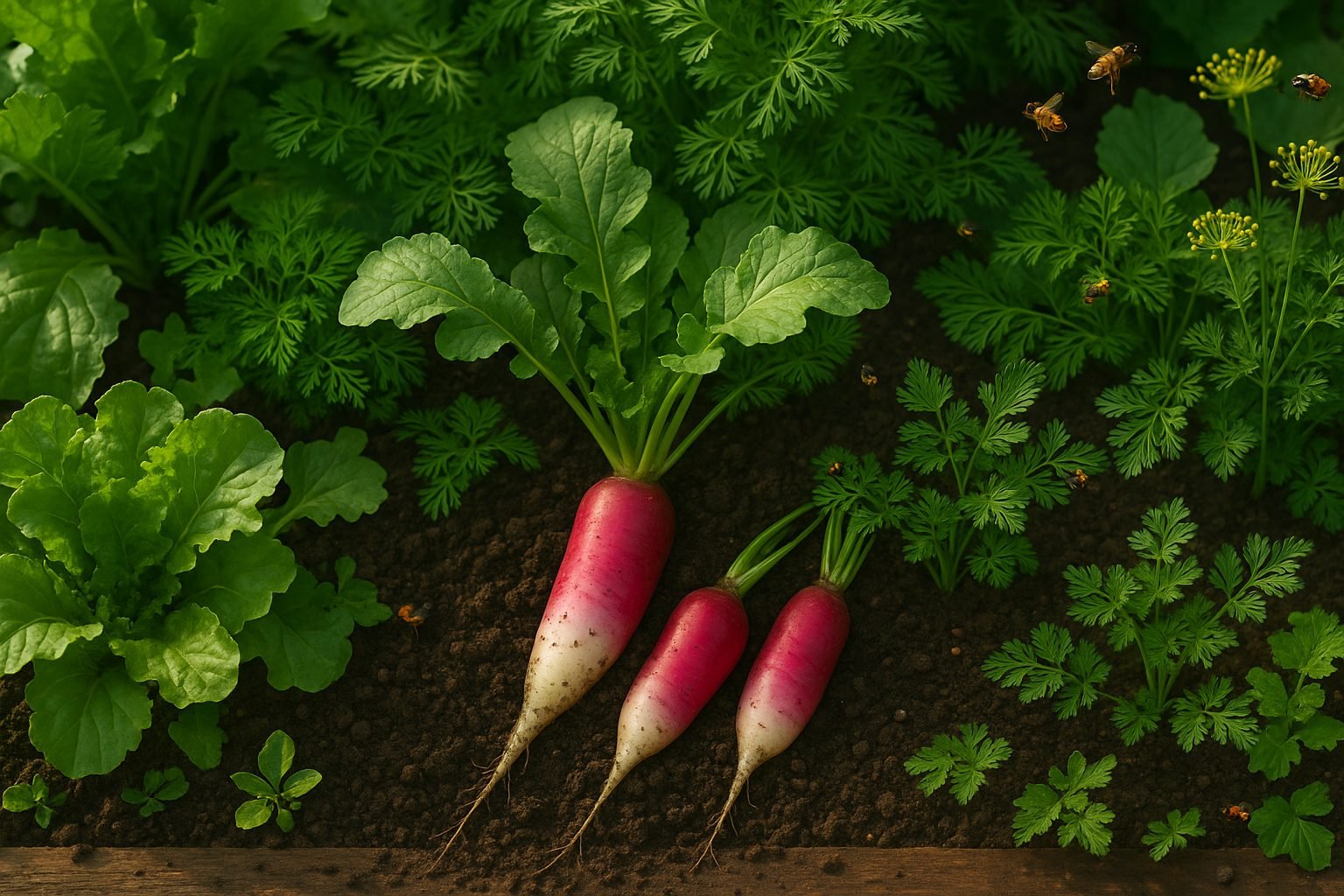
radish companion plants are the secret ingredient many successful gardeners swear by for boosting garden productivity and naturally managing pests. Companion planting—the art of grouping plants that benefit each other—can make your garden not only more beautiful but also more bountiful and resilient. Radishes are perfect for this strategy thanks to their quick growth and their uncanny ability to deter some common pests, making them valuable neighbors in any vegetable bed.
In this article, we’ll dive into which plants make the best partners for radishes and which should be kept at a distance to avoid competition or disease. You’ll find practical tips on arranging your beds, real-world examples of plant pairings that work, and advice on how to get the most from every square foot of your garden—all so you can enjoy healthier plants and a richer harvest.
What Is Companion Planting (and Why Use It With Radishes?)
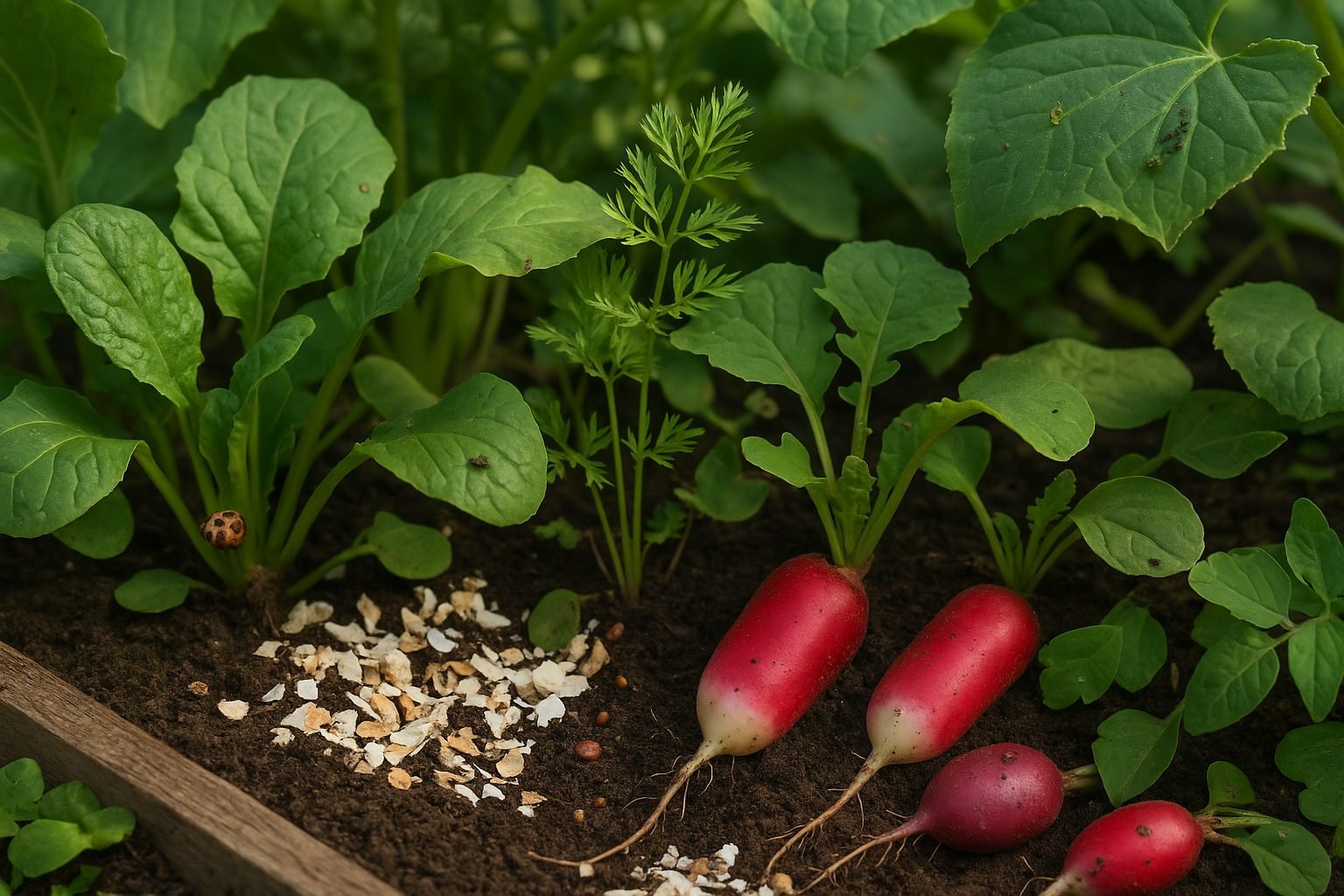
Companion planting is a gardening technique where different plant species are grown close together because they benefit each other in various ways—from boosting growth to keeping pests away. This method mimics nature’s own plant communities and helps your garden become more resilient and productive.
For example, pairing certain vegetables can improve soil health. Legumes like peas fix nitrogen back into the ground, naturally fertilizing nearby crops. Some plant combinations, such as marigolds and tomatoes, are well-known for repelling insects without chemicals, making pest management easier and healthier for your garden.
When applied to radishes, companion planting can make a noticeable difference. Radishes are quick growers, and planting them alongside carrots helps break up the soil, making it easier for slower-growing roots to develop. Growing radishes near lettuce or spinach provides shade and helps retain moisture for those leafy greens. In return, the dense leaves of lettuce or spinach can help minimize weeds around the radishes.
Plus, the distinct peppery scent of radish leaves can confuse and deter common pests like aphids and flea beetles, which might otherwise target your vegetables. Some gardeners also plant radishes next to cucumber or squash because radishes attract beneficial insects that prey on cucumber beetles.
By planning your garden beds with these smart pairings, you’ll likely see healthier plants, bigger harvests, and fewer problems throughout the growing season.
Best Companion Plants for Radishes
Radishes grow quickly and are easy to tuck into open spots in your garden, but choosing the right neighbors can make them even more successful.
Lettuce is a classic companion; its leafy canopy provides cooling shade for radish roots, helping prevent them from turning woody in warmer weather. Peas and beans offer a double benefit: their tall stems create partial shade and, as legumes, they naturally enrich the soil with nitrogen, which supports lush radish tops.
Chervil and dill are culinary herbs that both repel pests—chervil in particular confuses root maggots, a common radish nemesis, while dill keeps aphids and spider mites at bay. Carrots, with their deep taproots, help break up heavy soil, making it easier for radishes to grow plump and straight.
Spinach is a great partner because both crops mature quickly and don’t compete heavily for nutrients, allowing you to maximize a small garden bed. Cucumbers have sprawling vines that can shade radish plants during hot days, while chives add bonus pest resistance, deterring aphids and certain beetles.
These combinations work well in home gardens because they make efficient use of space, improve soil health, and naturally manage pests without chemicals. Try seeding rows of radishes between lettuce or spinach, or ring them with chives and chervil to create a protective barrier.
Not only will your radishes grow better, but you’ll also enjoy healthier, more productive beds packed with tasty, diverse harvests.
Plants to Avoid Near Radishes
When planning your garden, it’s important to know that not all plants make good neighbors for radishes. For instance, avoid planting hyssop nearby—this fragrant herb can stunt radish growth due to chemical interactions in the soil that impede germination and healthy development.
Potatoes are another poor companion because both crops compete aggressively for the same nutrients, leaving radishes smaller and less flavorful. Additionally, potatoes and radishes attract similar underground pests, like wireworms, which can spread quickly and damage both crops at once.
Brassicas, such as broccoli, cabbage, and cauliflower, might seem like natural partners since they all grow in cool weather, but they actually compete for nutrients, particularly nitrogen, leading to weaker growth in both plants. Plus, planting radishes and brassicas together can attract the same pests, such as flea beetles and cabbage root maggots, resulting in chewed leaves and distorted roots.
Gardeners who’ve made these poor companion choices often report disappointing harvests—withered radish greens, undersized roots, and even failed crops due to persistent pests. To help your radishes thrive, choose companions wisely and keep them a safe distance from these incompatible plants.
Tips for Successful Radish Companion Planting
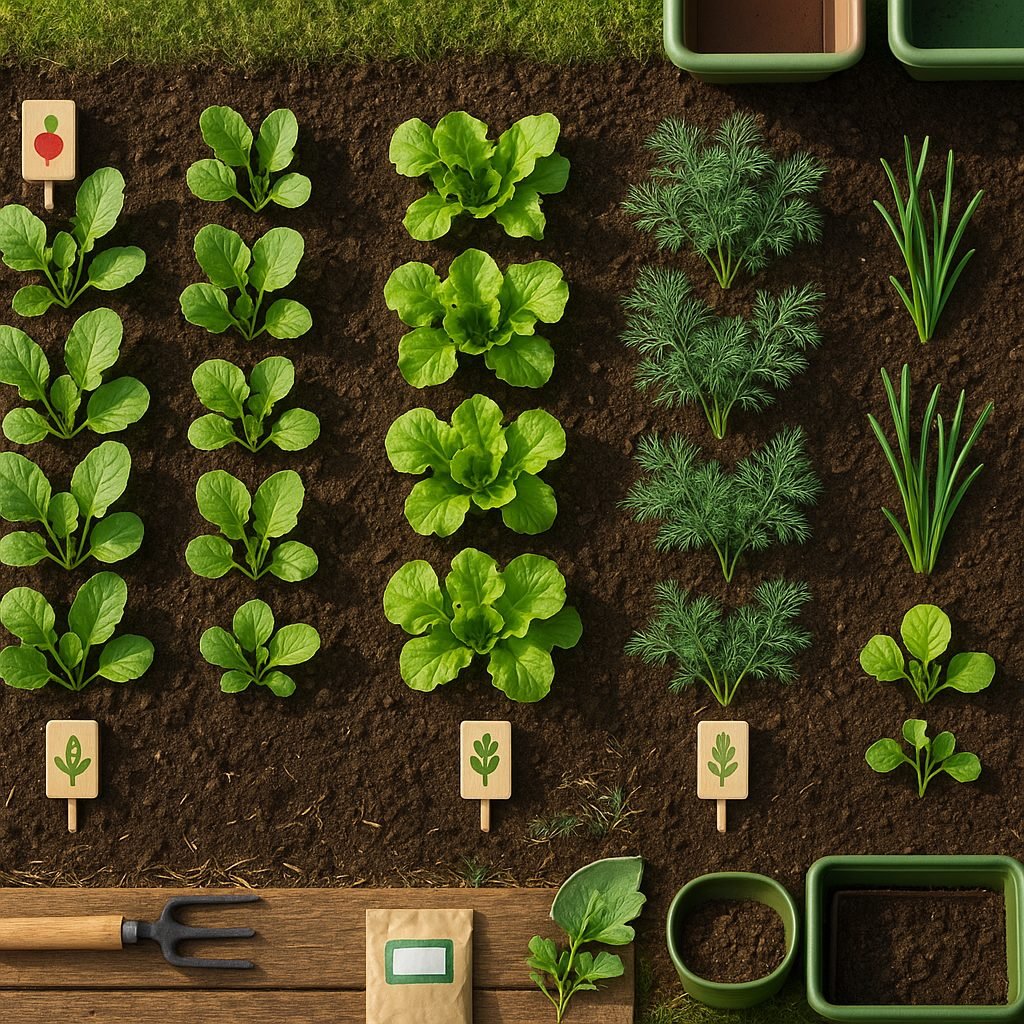
To make the most of radish companion planting, start by giving each plant enough space—radishes need about 2 inches between seeds to grow well. Compatible neighbors like lettuce or carrots can fill gaps without crowding.
Timing is key: sow radishes in early spring or fall, and pair them with quick-growing greens to maximize harvests before the weather gets too hot.
Radishes thrive with at least six hours of sunlight daily, but partial shade from taller companion plants like peas can help prevent them from bolting in warm weather.
For organic pest control, interplant radishes with herbs like dill or nasturtium, which repel common pests such as aphids and flea beetles. You can also try sprinkling crushed eggshells around your plants to deter slugs.
In small spaces or container gardens, opt for shallow pots (at least six inches deep) and combine radishes with compact crops like spinach, bush beans, or even marigolds for ongoing pest defense.
Rotate crops each season and avoid planting radishes with brassicas like broccoli, which compete for nutrients. This keeps your radish patch healthy and productive, no matter how limited the space.
Common Mistakes and Troubleshooting
One of the most common mistakes in companion planting is overcrowding, which can limit airflow and sunlight, leading to issues like fungal diseases and weak, leggy plants. Always follow the recommended spacing for each crop, even when mixing different species.
Another frequent error is pairing incompatible plants—some combinations, like onions and beans, can stunt each other’s growth rather than help. Do a little research or consult reliable plant pairing charts before planning your garden layout.
Stunted growth or poor yields may signal nutrient competition or allelopathy, where one plant hinders another’s development. If you notice such symptoms, switch up your plant positions or try alternative companions.
Pest outbreaks, like aphids or beetles, often indicate a lack of diversity or an overabundance of one species; interplanting herbs such as basil or marigolds can naturally deter common pests.
Regularly walk your garden and observe how your plants interact—look for signs of stress, damage, or success. Don’t be afraid to adapt your approach each season; small changes based on real-time observation can lead to healthier plants and better harvests.
Remember, companion planting is as much about experimentation as it is about following the rules.
Conclusion & Encouragement
Radish companion planting offers a simple path to a healthier, more productive garden by deterring pests, improving soil, and maximizing space. Pairing radishes with crops like lettuce, carrots, or cucumbers can boost growth, while avoiding plants like potatoes helps prevent competition.
Every garden is unique, so don’t be afraid to experiment—observe which combinations thrive in your environment and adjust season by season. The joy of gardening lies in discovery!
For more ideas and science-backed strategies, check out resources like university extension articles or books on companion planting to dig even deeper into this rewarding gardening technique.