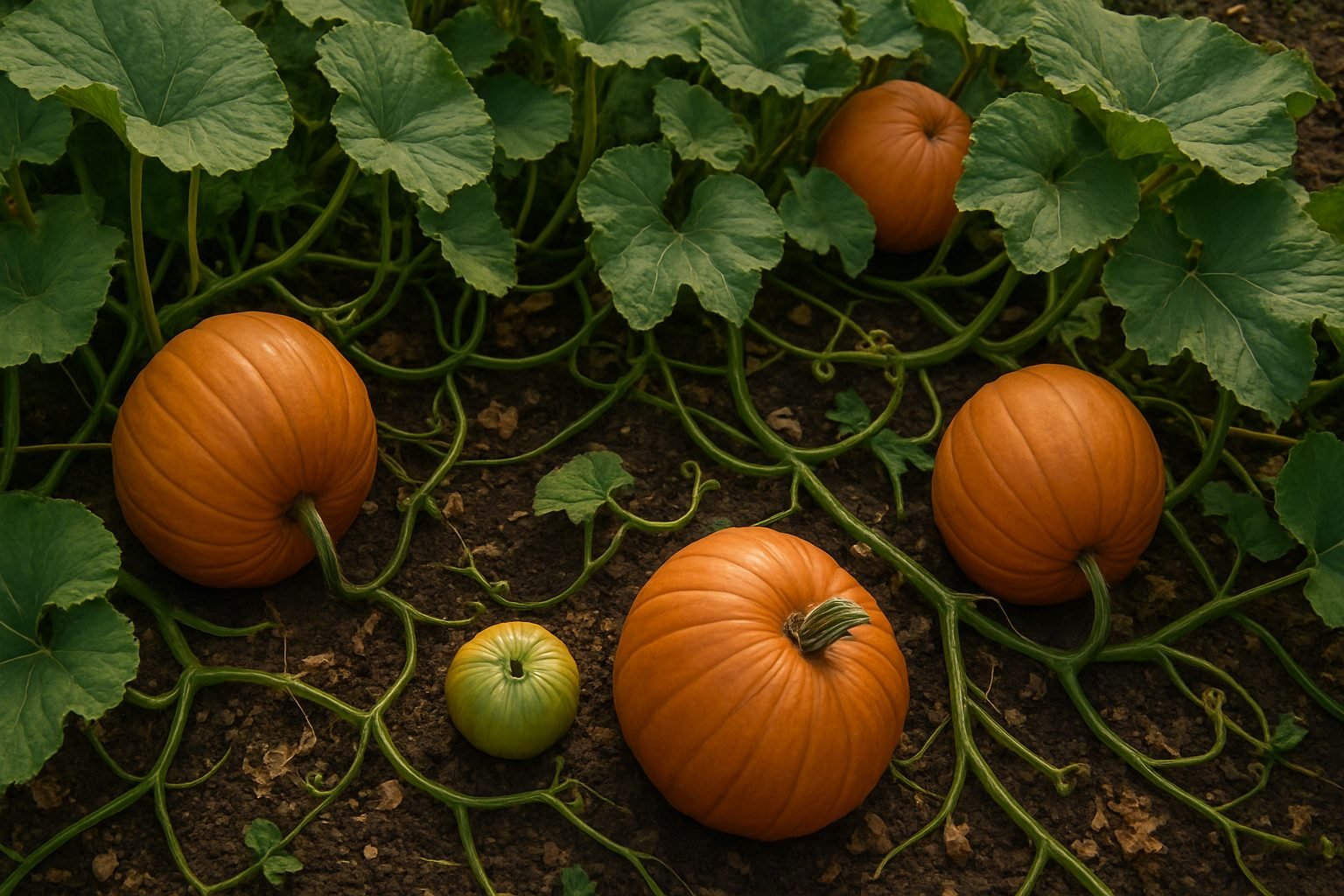
Introduction
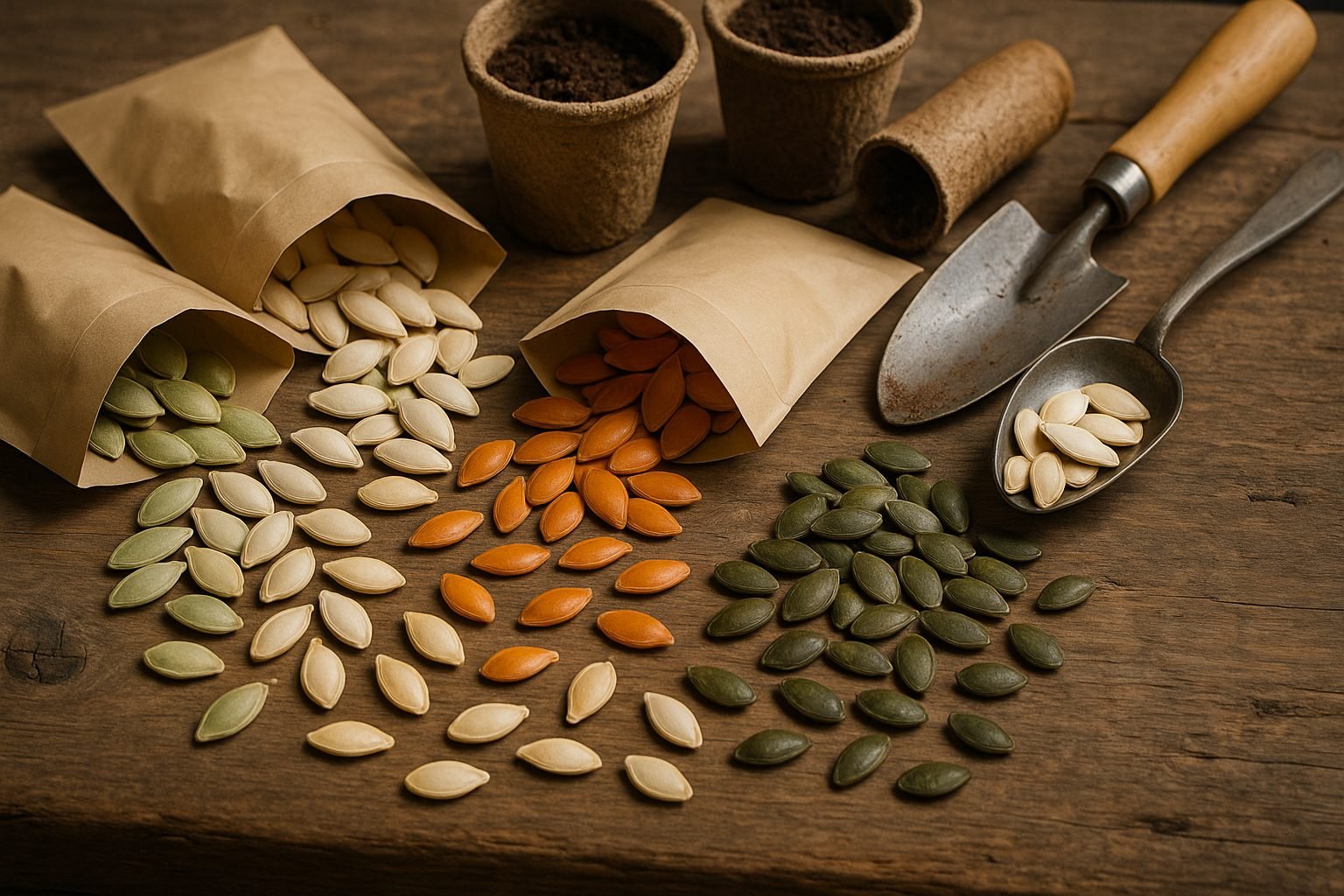
If you want huge, vibrant pumpkins in your garden this year, using the best compost for pumpkins is essential. Healthy, nutrient-rich soil lays the foundation for robust pumpkin vines, abundant blossoms, and those show-stopping gourds you’re hoping to harvest. Compost and mulch each play complementary roles in achieving this: compost feeds the soil, delivering organic matter and nutrients right where pumpkin roots need them most, while mulch helps regulate moisture, reduce weeds, and stabilize soil temperatures—creating the perfect environment for pumpkin plants to thrive.
In this post, we’ll explore why compost is a game-changer for pumpkin growth, which types work best, and how to apply it effectively. We’ll also dive into smart mulching strategies that protect your pumpkin patch through unpredictable weather and scorching sunny days. Whether you’re a new gardener or a seasoned green thumb, you’ll find practical tips and step-by-step guidance to help you boost yields, reduce plant stress, and grow healthier, more productive pumpkin vines—all by harnessing the natural power of compost and mulch.
Understanding Pumpkins’ Soil Needs
Pumpkins have specific soil requirements that can make the difference between a bumper crop and disappointing results. At their core, pumpkins thrive in nutrient-rich, well-draining soil that still retains moisture. They’re heavy feeders—the more organic matter, minerals, and microbial life in your soil, the bigger, healthier, and tastier your pumpkins will be.
Ideally, you want loamy soil with plenty of compost for pumpkins—this keeps nutrients available and the soil crumbly enough for their sprawling roots. However, many home growers face common challenges. Clay-heavy soils can become waterlogged, depriving roots of oxygen and causing rot, while sandy soils drain too quickly and struggle to retain the moisture pumpkins need during hot spells. Nutrient-poor soils—often found in raised beds left unamended for years—can stunt growth and lead to undersized fruit.
Sometimes, even soils that appear rich may lack essential nutrients like nitrogen and potassium or have a pH outside the ideal 6-7 range for pumpkins. Improving your soil with generous amounts of finished compost, aged manure, or balanced organic fertilizer does more than just feed your pumpkins. It enhances soil structure, improves water retention between rains, and encourages beneficial organisms that help roots absorb nutrients.
The result is stronger plants, more vigorous vines, and ultimately those impressive, full-sized pumpkins every gardener hopes for. Whether you’re aiming for a single show-stopper or a patch full of pie pumpkins, pampering your pumpkin soil with the right compost pays off season after season.
The Role of Compost in Growing Pumpkins
Compost is a rich, decomposed organic material that plays a vital role in growing healthy pumpkins by improving soil fertility, structure, and biology. Unlike synthetic fertilizers, which often provide only a few nutrients, compost for pumpkins delivers a balanced blend of essential elements like nitrogen, phosphorus, potassium, and trace minerals.
Beyond nutrients, compost enhances the soil’s physical structure—making clay soils more friable and improving moisture retention in sandy soils. This improved structure allows pumpkin roots to grow deeper and access water and nutrients more efficiently. Compost is also full of beneficial microbes, such as bacteria and fungi, which help break down organic matter, outcompete plant pathogens, and increase nutrient availability for pumpkins.
To give your pumpkin patch a strong start, work 2-4 inches of compost into the soil a few weeks before planting. This pre-planting amendment boosts nutrition and jumpstarts microbial activity. Once seedlings are established and vines begin to sprawl, side-dress pumpkins with an additional inch of compost around each plant—but keep it a few inches away from the stem to prevent rot. This midseason boost supports vigorous growth and fruit development.
When sourcing compost, look for dark, crumbly material that smells earthy rather than sour or rotten. Good options include local garden centers, municipal green waste programs, or trusted bulk suppliers. If you make your own compost, use a mix of food scraps (avoiding meat and dairy), grass clippings, leaves, and shredded paper, turning the pile regularly and maintaining proper moisture. Well-aged compost—typically at least six months old—is safest to prevent burning young pumpkin roots.
Quality compost for pumpkins can make the difference between limp vines and a vibrant patch full of luscious, healthy fruit.
Mulch: A Key Ally for Pumpkin Health
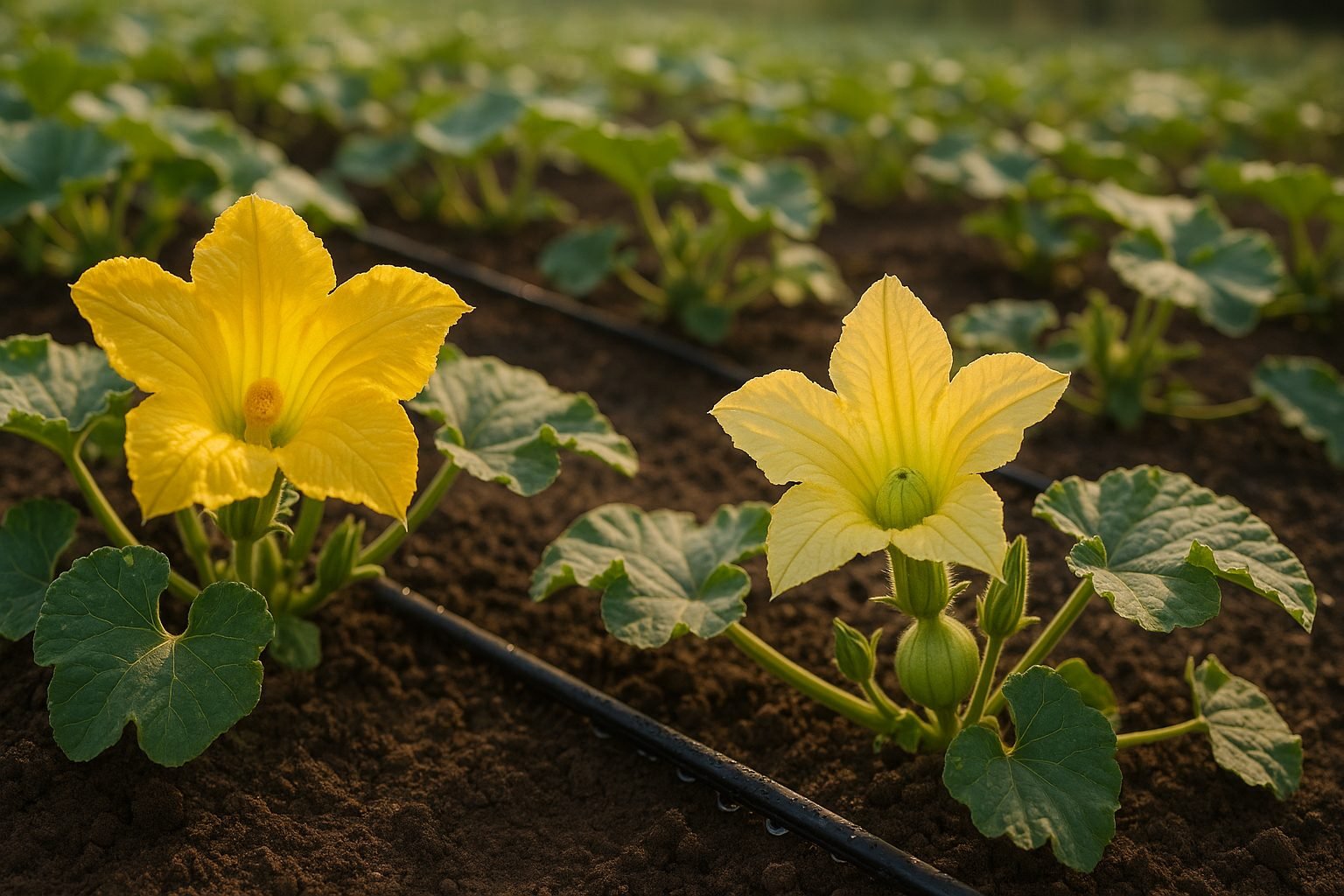
Mulch is a protective layer of organic or inorganic material spread over the soil surface. While it shares some similarities with compost for pumpkins, its purpose is different. Compost for pumpkins is mixed into the soil to add nutrients, improve soil structure, and promote beneficial microbes. Mulch, on the other hand, stays on top of the soil and acts as a shield for your pumpkin patch.
Mulch provides several important benefits for pumpkins:
- Locks in soil moisture, ensuring your thirsty vines have consistent hydration.
- Keeps soil temperatures stable, protecting sensitive roots during hot days and cool nights.
- Forms a physical barrier that suppresses weed growth, saving you hours of weeding.
- Helps prevent fungal spores from splashing onto pumpkin leaves during rain or watering, reducing the risk of diseases like powdery mildew.
The best mulches for pumpkins are natural, untreated materials such as straw, shredded leaves, or grass clippings. Straw is especially popular because it’s airy and breaks down slowly, providing months of protection. Shredded leaves are often free and easy to find in the fall, offering good insulation for the soil. Grass clippings can also work well, but should be applied in thin layers and only if no herbicides have been used, to avoid matting and rot.
Avoid mulches like black plastic, which, while effective at suppressing weeds, can trap too much heat and overheat pumpkin roots, especially in hot climates. Also skip thick wood chips or sawdust, as they can tie up nitrogen during decomposition, reducing soil fertility for your plants.
By choosing the right mulch and applying it properly, you’ll give your pumpkins a healthy head start and set the stage for a productive season.
How to Apply Compost and Mulch to Pumpkin Beds
Applying compost for pumpkins and mulching the beds are essential for growing healthy, vigorous pumpkin plants. Begin a few weeks before planting by spreading a 2- to 3-inch layer of rich, well-rotted compost over your planting area. Use a garden fork or tiller to gently mix the compost into the top 6–8 inches of soil—this improves soil texture and boosts nutrients where young roots will grow.
After planting your seeds or seedlings, wait until they develop a few true leaves (usually 2–3 weeks after germination) before applying mulch. Spread a 2- to 4-inch layer of straw, shredded leaves, or untreated grass clippings around each plant, keeping mulch an inch or two away from the stem to prevent rot.
As the vines begin to sprawl, continue adding mulch along their paths, envisioning a wide, natural “carpet” beneath the leaves. Arrange the mulch in wide, pie-shaped wedges radiating out from the crown of each plant to keep fruits clean and suppress weeds. For sprawling vines, add extra mulch at fruit set to cushion pumpkins and keep them off damp soil.
Replenish compost with a top-dressing midway through the season—gently lift the vines and sprinkle a half-inch of compost around the edges, then cover it again with mulch. By following these simple visual cues and paying attention to timing and depth, you’ll give your pumpkin patch a solid foundation for healthy growth and large, beautiful pumpkins.
Compost and Mulch Mistakes to Avoid
When growing pumpkins, using compost and mulch correctly is essential for strong, healthy plants. One common mistake is applying unfinished compost directly to your pumpkin patch; immature compost can contain weed seeds, pathogens, or substances that may burn tender roots. Always use fully decomposed, earthy-smelling compost for pumpkins to enrich the soil safely.
Another error is piling mulch directly against pumpkin stems. This traps moisture and invites stem rot or pest problems—always leave a two- to three-inch clearing around the base of each plant. Mulch thickness matters too: a thin layer (less than two inches) won’t suppress weeds or retain enough moisture, while too deep (over four inches) can keep the soil soggy, starving roots of oxygen and causing yellowed, languishing vines.
Signs of over-mulching include persistently damp soil, fungal growth, or foul odors; if you notice these, gently rake away the excess and let the area dry. If you’re under-mulching, the soil will dry out quickly and weeds will take over—add more organic mulch in layers until you reach two to three inches thick.
Lastly, avoid the misconception that “more compost means better pumpkins.” Overloading compost can overwhelm plants with nutrients, leading to excessive leafy growth instead of fruit. Remember, the goal of using compost for pumpkins is balance: to provide steady nutrition, while mulch helps moderate moisture and temperature—never smother or encase the plant.
By avoiding these common pitfalls, your pumpkin patch will have the best chance for vigorous growth and a rewarding harvest.
Conclusion & Quick Tips for Bigger, Healthier Pumpkins
Using compost for pumpkins along with mulch is a powerful way to boost their health and size. Rich, well-aged compost delivers essential nutrients and promotes strong root systems, while a generous layer of organic mulch—like straw or shredded leaves—helps retain soil moisture, prevents weeds, and keeps temperatures steady.
For the best results, work 2-3 inches of compost into the soil before planting, then add a 2-inch layer of mulch once seedlings emerge. Water deeply at ground level to reach the roots, and avoid letting mulch touch the vines directly to prevent rot.
Start small and adjust as you learn—try different mulch materials or compost blends to discover what your plants respond to best. If you’re new to gardening, don’t worry about perfection; even simple steps can make a big difference in your pumpkin patch. Keep a notebook or take photos to track what works, and share your progress with friends or gardening groups for extra tips and encouragement.
Growing big, healthy pumpkins is a journey—give these methods a try, and watch your patch thrive!