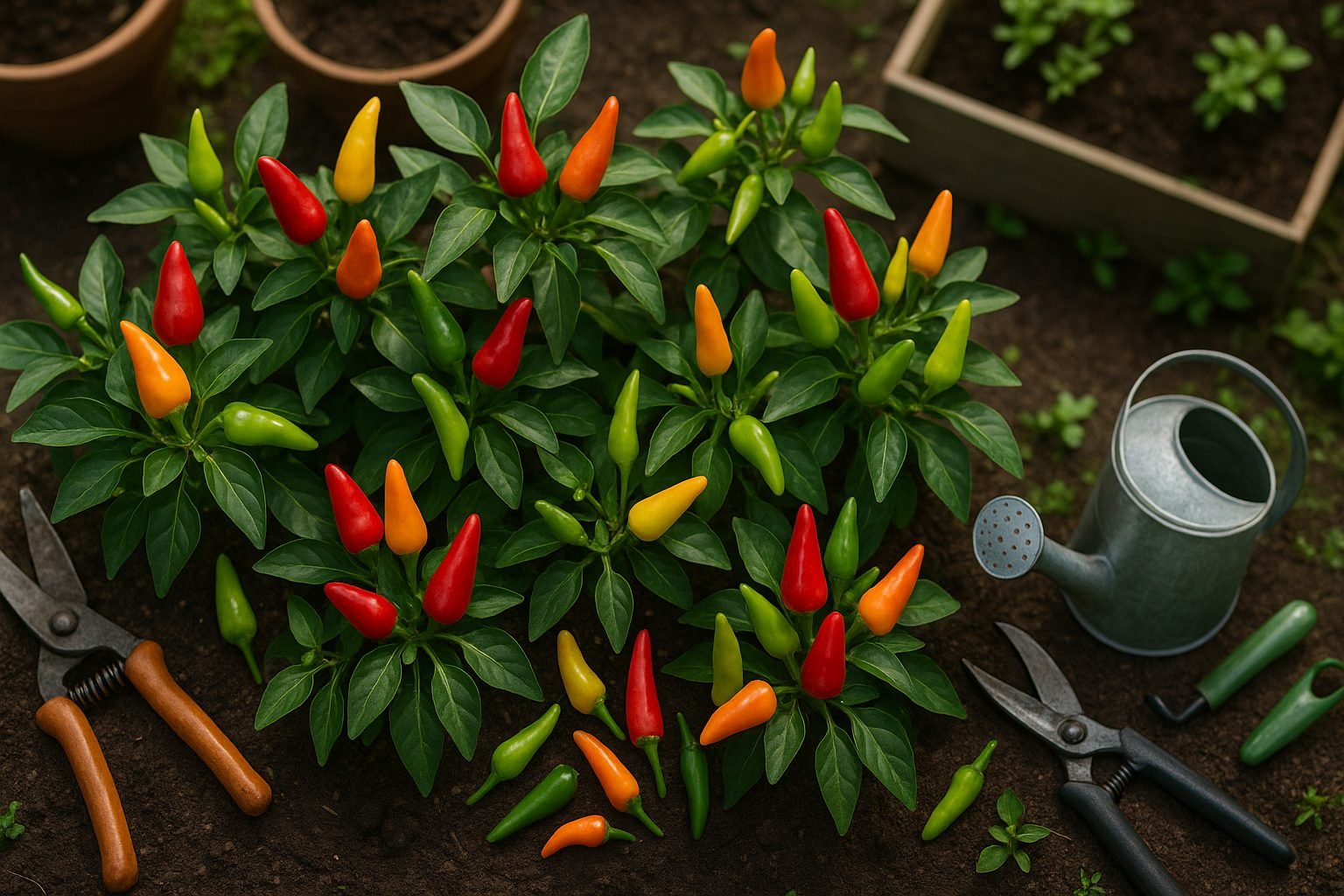
When to Plant Hot Peppers
Knowing exactly when to plant hot peppers can make all the difference between a bumper crop and a disappointing yield. Hot peppers are sensitive to temperature, and planting them at the wrong time can stunt their growth or leave them vulnerable to late frosts and chilly nights.
The key is realizing that the right time to plant varies greatly depending on where you live—what works in a warm, southern garden might not work up north. That’s where understanding your USDA climate zone becomes essential. Your zone acts as a gardening roadmap, helping you pinpoint the ideal window for transplanting hot pepper seedlings without risking cold shock or frost damage.
In this guide, we’ll break down the best planting dates zone by zone, so you’ll know exactly when to get your hot peppers in the ground. Along the way, we’ll share practical tips for monitoring soil and weather, starting seeds indoors, and acclimating your plants to the outdoors.
Whether you’re a beginner or a seasoned gardener, you’ll find actionable advice to boost your growing success this season.
Understanding USDA Hardiness Zones (and Why They Matter)
USDA hardiness zones are a widely used system that helps gardeners determine which plants are most likely to thrive in their geographic region. Based on the average annual minimum winter temperature, these zones are mapped across North America and range from Zone 1 (coldest) to Zone 13 (warmest).
Knowing your USDA hardiness zone is essential when deciding when to plant hot peppers because peppers are highly sensitive to temperature changes—especially frost. Each zone has specific average dates for the last frost in spring and the first frost in fall.
Hot peppers need warm soil and air to germinate and grow well, so planting seeds or transplants too early can lead to stunted growth or even plant death if a late frost occurs. On the other hand, waiting too long means your peppers might not have enough time to mature and produce a good harvest before the first fall frost.
For example, in Zone 5, the last frost date is typically in early May, which signals the safe window to transplant peppers outdoors. In Zone 9, planting could begin as early as March. Using your local zone guidelines helps you sync pepper planting with nature’s cues, resulting in healthier plants and better yields.
Always double-check your zone’s frost calendar and play it safe—if in doubt, wait a week or use protective row covers to extend your growing season. By respecting these time frames, you give your hot peppers the best shot at a productive, flavorful harvest.
“`html
Zone 3-5: Short Season Challenges & Strategies
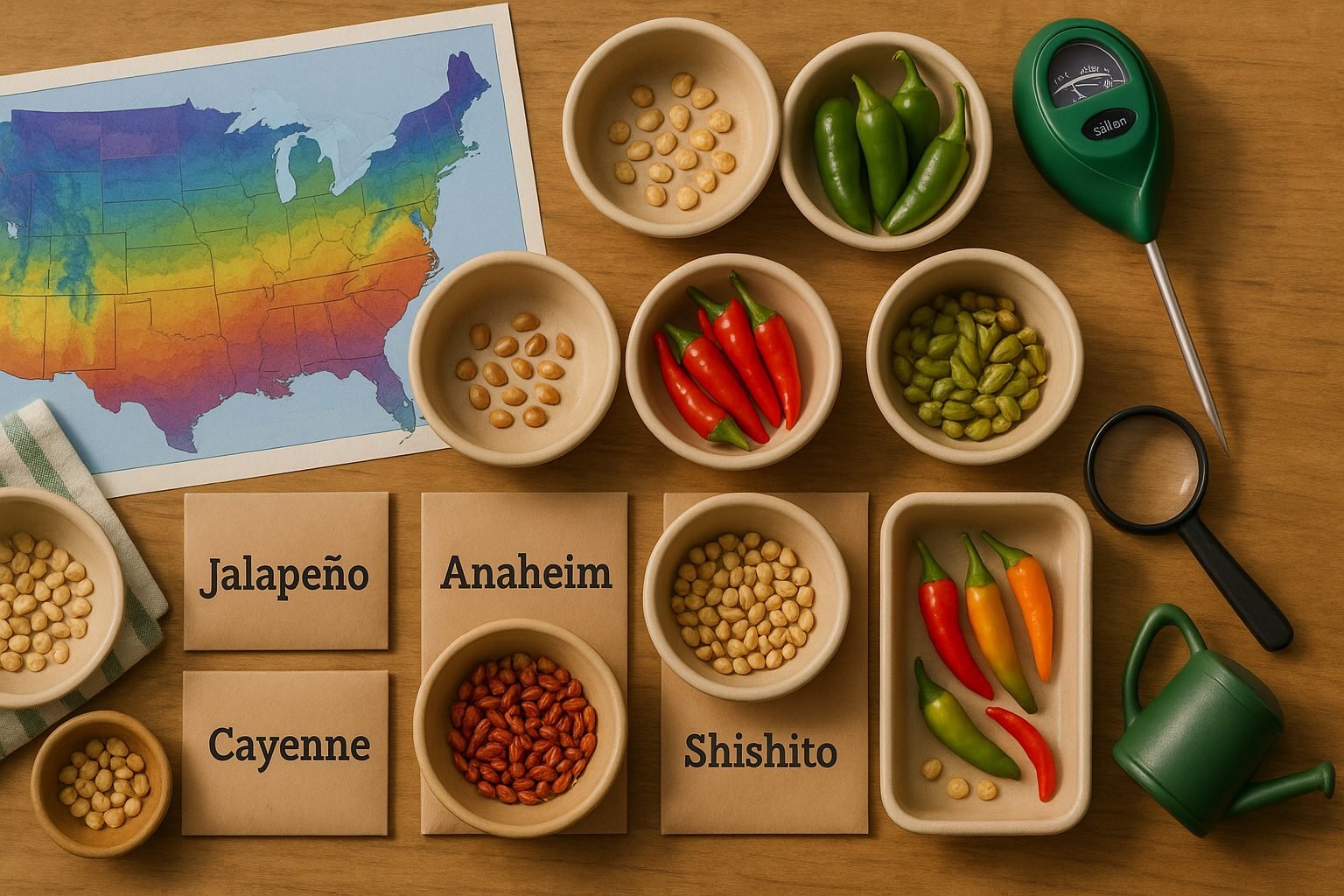
Growing hot peppers in USDA Zones 3 through 5 comes with unique challenges, mainly due to cooler climates and a short growing season. These zones cover northern U.S. states, much of Canada, and higher elevations, where last frosts often linger until late May or early June, and first fall frosts can arrive as early as September. Because hot peppers need warm soil and plenty of time to mature, gardeners must get a head start when deciding when to plant hot peppers.
Start by sowing pepper seeds indoors 8-10 weeks before your average last frost date—typically late February or early March. Use seed-starting trays and heat mats to maintain the consistent warmth peppers need to germinate, ideally around 80°F (27°C). Once the danger of frost has passed and nighttime temperatures consistently stay above 55°F (13°C), usually by late May or early June, harden off your plants and transplant them outdoors.
Choose the sunniest, warmest spot in your garden—raised beds or dark plastic mulch can help keep soil temperatures higher. Extending the season is essential in these zones; row covers, hoop houses, or simple cloches can protect young peppers from cool spring air or sudden cold snaps and prolong their fruiting into fall. Some gardeners use water-filled plant protectors like Wall O’ Water to create a mini-greenhouse effect early on.
It’s also crucial to select pepper varieties suited for short seasons. Early-maturing types such as ‘Early Jalapeño,’ ‘Czech Black,’ ‘Hungarian Hot Wax,’ ‘Aurora,’ and ‘Short Stuff’ can produce ripe fruit in as little as 60-70 days from transplant. Starting seeds earlier indoors and using season extenders give these fast, compact varieties a much better chance to thrive, even in chilly northern gardens.
“`
Zone 6-7: Maximizing the Growing Window
In USDA Zones 6 and 7, gardeners benefit from a moderate climate where the last spring frost usually occurs between mid-April and early May, and the first autumn frost arrives in mid to late October. This provides a growing season of about 150 to 180 days—plenty of time for most hot peppers, though the window is somewhat tight for heat-loving varieties to fully mature.
When considering when to plant hot peppers in these zones, start seeds indoors about 8-10 weeks before your expected last frost date. For most gardeners, this means sowing seeds between late January and early March. Using a seedling heat mat can help promote strong germination, as peppers require a consistent soil temperature of at least 75°F (24°C).
Once the risk of frost has passed and nighttime temperatures consistently stay above 50°F (10°C)—typically from early to mid-May—it’s safe to transplant your pepper seedlings outdoors. Harden off plants over 7-10 days by gradually exposing them to outdoor conditions. If a cold snap is predicted after planting, protect the seedlings overnight with cloches, row covers, or even inverted buckets. Mulching around the plants can also help regulate soil temperature.
For varieties, choose reliable performers like ‘Cayenne,’ ‘Jalapeño,’ and ‘Hungarian Wax,’ which mature relatively early and flourish in these growing seasons. ‘Numex Twilight’ and ‘Anaheim’ peppers are also great, productive options. With these tips, you can make the most of your growing season and enjoy a flavorful, homegrown hot pepper harvest.
Zone 8-9: Early Starts and Long Harvests
Gardeners in USDA Zones 8 and 9 enjoy some of the best climates for growing hot peppers, thanks to mild winters, long frost-free periods, and plenty of warm days. In these zones, the last spring frost typically occurs between mid-March and early April, while the first fall frost may not arrive until November or later. This generous window allows for early sowing and a lengthy harvest season.
To know when to plant hot peppers in these zones, start seeds indoors 8–10 weeks before your average last frost—usually in late January or February. Use seedling heat mats to maintain a steady soil temperature of around 80°F, as pepper seeds need warmth for optimal germination. By the time outdoor temperatures consistently stay above 60°F at night, typically in late March or early April, your seedlings should be strong enough to transplant.
Gradually harden off your seedlings over a week by exposing them to direct sunlight and outdoor breezes to toughen them up. Once planted, mulch around the plants to retain soil moisture and suppress weeds. During extreme heat spells, provide afternoon shade with row covers or lightweight fabric to reduce stress and encourage fruit set.
With the extended warm season, you can experiment with both fast-maturing and slower, specialty pepper varieties like habaneros, ghost peppers, and even some superhot hybrids. Staggering your planting or starting a second round of transplants in late spring will keep production going well into fall. This combination of climate and careful timing ensures a bountiful and diverse hot pepper harvest for Zone 8 and 9 gardeners.
Zone 10-11: Tropical & Subtropical Considerations
Gardeners in Zones 10-11 have a unique advantage when it comes to when to plant hot peppers, thanks to the consistently warm, often frost-free weather. In these tropical and subtropical areas, temperatures rarely drop below 40°F, so you can plant almost any time of year. You can start seeds indoors or sow them directly in the ground, with many gardeners choosing transplants to give their peppers a head start and better resilience against pests.
However, the constant warmth brings some challenges. The intense sun—especially in summer—can scorch delicate seedlings or dehydrate mature plants. To protect your peppers, provide partial afternoon shade using shade cloths or position beds near taller crops for natural cover. Pest pressure, like aphids and whiteflies, tends to be especially high since mild winters don’t reduce their populations. Use insect netting, scout regularly, and encourage helpful predators like ladybugs to keep pests in check.
Consistent watering is essential because soil can dry out quickly. Applying mulch helps retain moisture and prevents roots from overheating. With year-round planting opportunities but increased risks, successful hot pepper gardening in Zones 10-11 depends on smart timing, attentive care, and adapting your strategies to the local climate’s extremes.
General Tips for Planting Hot Peppers in Any Zone
When deciding when to plant hot peppers, gardeners everywhere should keep a few universal tips in mind for a successful harvest. Start by choosing a location with full sun—hot peppers thrive with at least six to eight hours of direct sunlight daily.
Prepare your soil well ahead of planting by mixing in plenty of compost or well-rotted manure to ensure it’s loose, rich, and drains well. Consistent, shallow watering is key: keep the soil evenly moist but never soggy, as peppers are sensitive to both drought and root rot.
Spacing is important too; set pepper plants about 18-24 inches apart to allow good airflow and reduce the risk of fungal diseases. Watch for common issues like aphids or blossom end rot—removing weeds, using mulch, and regularly checking for pests can help keep these problems at bay.
No matter your zone, remember that local microclimates can make your garden warmer or cooler than standard zone maps suggest. Try different planting times by starting seeds indoors or using row covers, and keep a journal to track what works best in your garden each year.
With attention to these basics and some experimentation, you’ll discover the perfect pepper-planting routine for your own patch.
Conclusion
Knowing when to plant hot peppers based on your USDA zone is essential for a successful harvest. Each zone has unique climate conditions, so planting at the right time ensures your peppers receive the warmth and growing season they need to thrive. Taking the time to follow zone-specific guidelines from trusted gardening resources or local extension offices can be the difference between a bumper crop and disappointment.
Have you found a favorite hot pepper variety for your area, or do you have tips for starting seeds in cooler climates? We’d love to hear your stories and questions in the comments below. If you’re eager to keep learning, check out our other posts on hot pepper care, pest management, and choosing the best varieties for your region—your next batch of peppers could be your best yet!