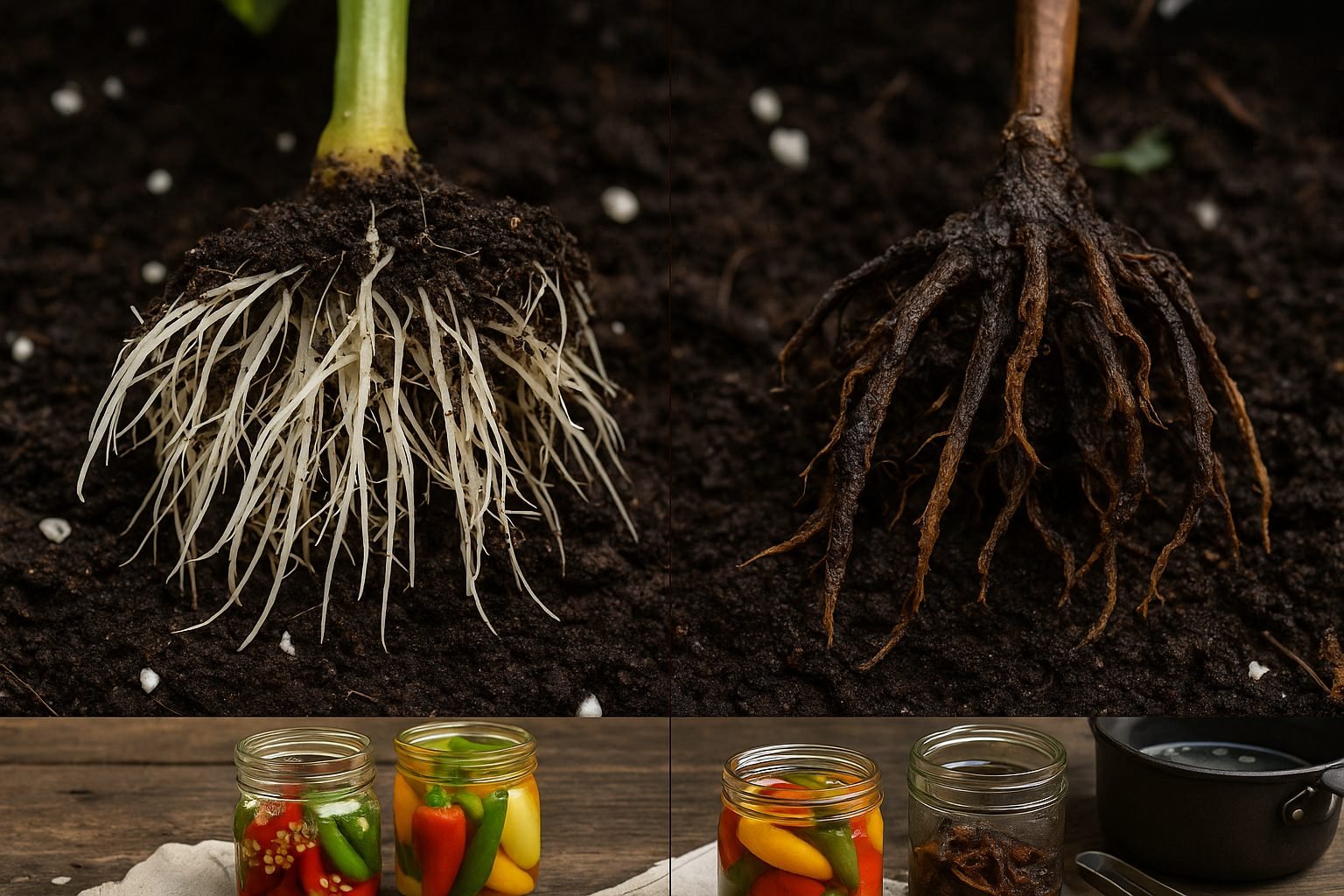
How to Identify Root Rot in Pepper Plants
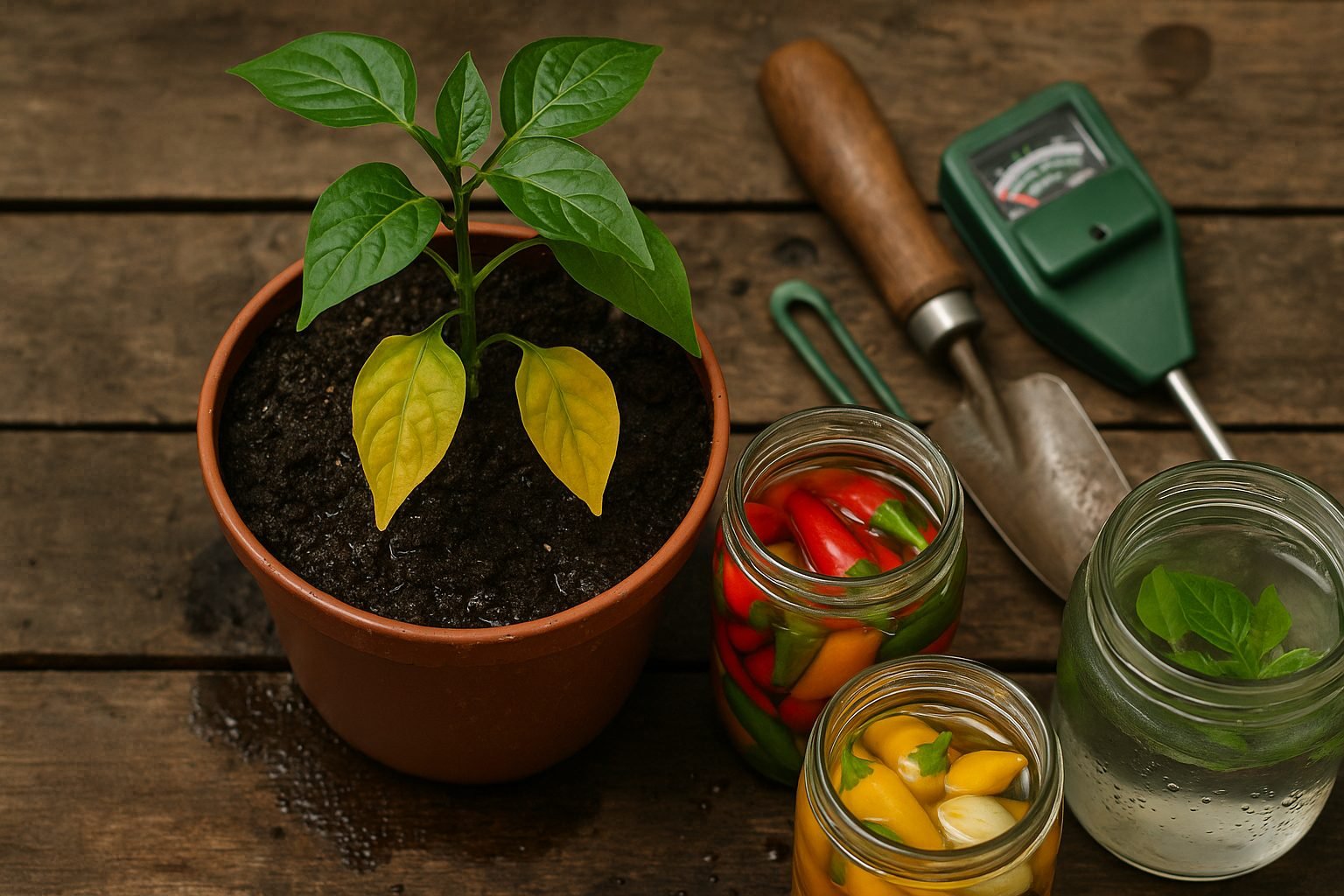
hot pepper root rot can devastate your pepper patch before you know it. This sneaky disease, caused mostly by waterlogged soil and fungal pathogens, targets the roots of your pepper plants, cutting off their lifeline to nutrients and water. As the infection sets in, you’ll first spot changes above ground: leaves wilt even though the soil is damp, and the lower foliage might yellow and fall away. Unlike temporary wilting from drought, affected plants don’t perk up after watering. Stems may develop a soft, darkened appearance at soil level.
But the real story is underground—if you gently remove a struggling plant, the roots with hot pepper root rot are often brown, mushy, and give off a foul odor, a stark contrast to the firm, white roots of a healthy pepper.
Distinguishing Root Rot from Other Issues
To avoid confusing root rot with nutrient deficiencies or pests, pay close attention to the pattern and progression:
- Nutrient shortages often show as generalized leaf yellowing or stunted growth but won’t create mushy, rotting roots or cause the plant to collapse rapidly.
- Pest infestations like aphids and spider mites leave visible insects or webs but keep the roots intact.
- If you’re unsure, check the roots: root rot’s soft, decaying roots are a clear giveaway.
What to Do If You Suspect Root Rot
Whenever you think your hot peppers might have root rot, act fast—remove affected plants, let the soil dry out, and avoid overwatering. Prompt action can sometimes save neighboring peppers before the rot spreads.
Diagnosing Root Rot: Causes and Assessment
Root rot is a common and frustrating problem for gardeners, typically caused by overwatering, poor soil drainage, and fungal infections like Pythium or Phytophthora. When too much water lingers around the plant’s roots, oxygen levels drop, creating the perfect environment for harmful fungi to thrive.
Spotting root rot early can save your plant from irreversible damage, so keep an eye out for warning signs. To assess possible root rot, gently remove the plant from its pot and inspect the roots:
- Healthy roots are firm and white.
- Rotten roots are mushy, brown, or black.
If you notice a strong sour or musty smell from the soil, that’s a classic sign rot has set in. Also, evaluate the plant’s overall vigor—yellowing leaves, wilting, or stunted growth can all signal trouble below the surface.
By checking your plants regularly and reacting quickly, you can catch root rot before it spreads, giving your plant a much better chance at recovery. Don’t ignore these early signs; acting swiftly makes all the difference between saving your plant and losing it to rot.
How to Treat Root Rot in Pepper Plants
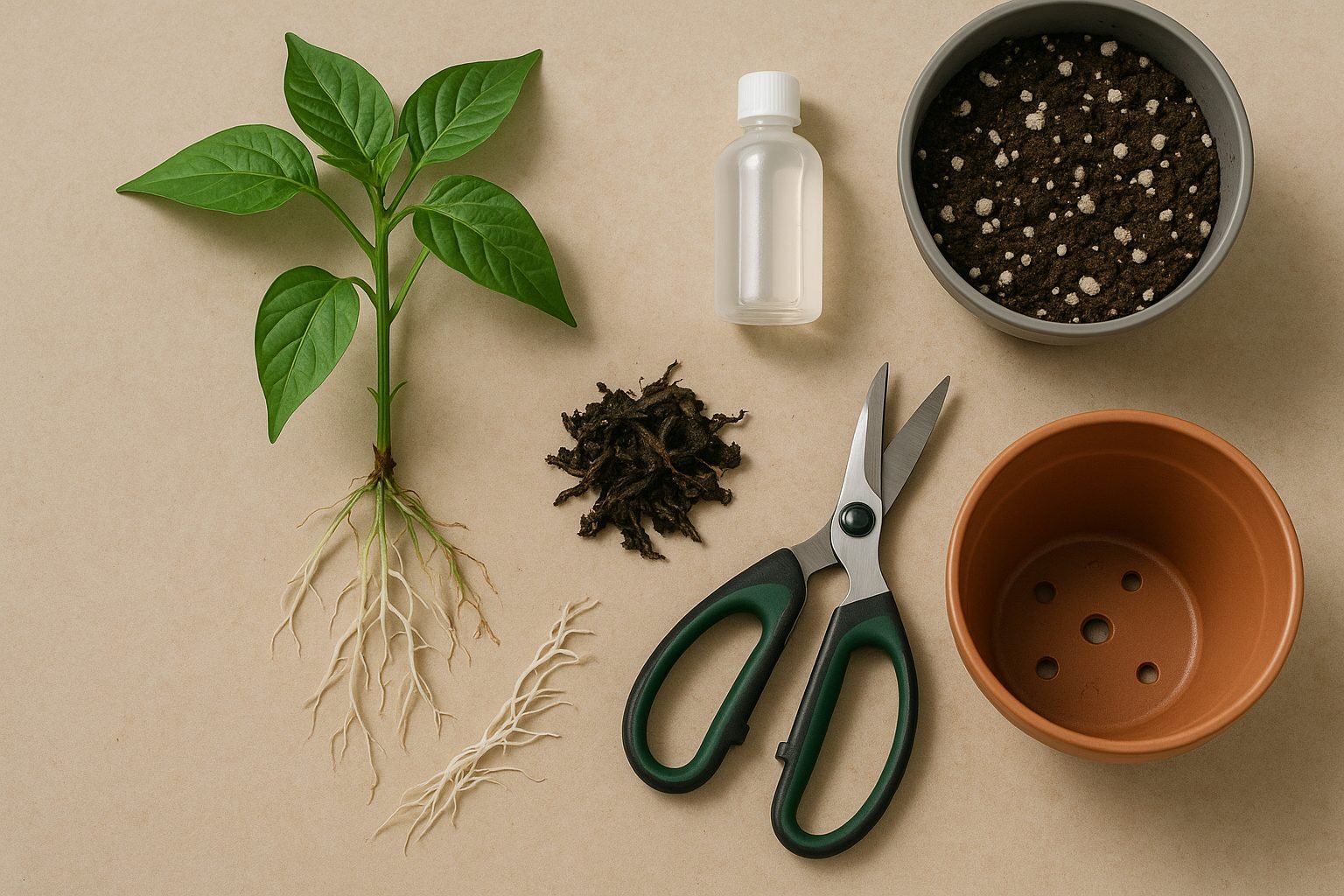
If you suspect your pepper plant has root rot, act quickly to improve its chances of survival. Start by carefully removing the plant from its current pot—be gentle, as the roots will be fragile. Shake off as much of the old, damp soil as possible and examine the roots closely. Healthy roots are usually white and firm, while rotten ones appear brown, black, or mushy.
Using clean, sharp scissors or pruning shears (sterilize them first with rubbing alcohol), cut away all affected roots, leaving only healthy ones behind. Be thorough—removing all the rot is crucial to prevent it from spreading. Disinfect your tools again after use to avoid contaminating other plants.
Next, choose a clean pot that’s just large enough to fit the trimmed root system—going too big can keep soil wetter than the plant prefers, encouraging rot to return. Fill the pot with fresh, well-draining soil (a mix designed for vegetables or a homemade blend of potting mix and perlite works well).
Repot your pepper plant, then water lightly to help it settle in, but avoid soaking the soil. For recovery, keep the plant in a location with bright but indirect sunlight, away from temperature extremes. Water only when the top inch of soil feels dry, and avoid fertilizing until you see healthy new growth.
Monitor the plant daily—if you notice wilting, yellowing, or any sign of rot returning, act quickly. With patience and attentive care, many pepper plants can rebound strongly from root rot.
Preventing Root Rot in Pepper Plants
Preventing root rot in pepper plants starts with being mindful of your watering habits. Overwatering is a common culprit, so aim to water your pepper plants only when the top inch of soil feels dry to the touch, rather than sticking to a rigid schedule. This simple check can help you avoid saturated, airless roots that encourage disease.
Always choose a well-draining potting mix tailored for vegetables—look for ingredients like perlite, sand, or coconut coir, which help excess water flow away quickly. Equally important is using pots with drainage holes; even the best soil can become waterlogged without a way for water to escape.
Make it a routine to inspect your plants weekly: stick your finger in the soil to test moisture, and check under the pot for any standing water. Rotating your pepper plants every few days can also promote even sunlight and airflow, reducing fungal risks.
By combining smart watering with the right soil, containers, and attentive care, you’ll create a healthy environment that keeps root rot at bay and helps your peppers thrive.
Aftercare and Monitoring Healthy Growth
Once you’ve cared for your plant through a stressful period like repotting or recovery from illness, it’s crucial to keep a close eye on its progress. Look for signs that your plant is bouncing back: new leaf growth is a great indicator, as is vibrant, consistent leaf color—greens should be rich, not yellow or brown.
Gently tug at the plant to check for resistance; firm roots suggest it’s reestablishing itself. Consistency in care is key—ensure you’re watering adequately without letting the soil become soggy, and keep light and temperature steady to avoid shocking your plant further.
If you spot symptoms like drooping leaves, mushy stems, or spotted foliage, act quickly. Remove any affected leaves with sterilized scissors to stop potential infections from spreading, and consider adjusting environmental factors or treating with an appropriate fungicide if necessary.
Regularly inspect the soil and the underside of leaves for pests or fungus—early detection and prompt action make all the difference. With patience and attentive monitoring, most plants will show noticeable improvement within a few weeks. Remember, gentle observation and consistency are your best tools for encouraging robust, healthy growth.
Nutrient and Environmental Management for Root Health
Supporting healthy root development starts with balanced fertilization—too much or too little can be just as harmful as improper watering. Use a well-balanced fertilizer, such as a slow-release granular type or a diluted liquid formula during active growth periods. Always follow label directions; over-fertilizing can cause a buildup of salts that burn roots and leave plants vulnerable to disease.
Observe your plants for signs of nutrient imbalances, like yellowing leaves (a possible nitrogen deficiency) or leaf tip burn (potential excess salts), which can mimic or worsen root rot symptoms.
Beyond nutrients, create an environment where roots thrive:
- Provide ample, indirect light to sustain photosynthesis while preventing stress from harsh direct sun.
- Aim for stable temperatures—most houseplants prefer 65-75°F (18-24°C)—since temperature spikes or drops can shock roots and weaken defenses.
- Ensure good airflow; use a fan on low or open windows periodically to promote circulation, which dries the top layer of soil and reduces the humid, stagnant conditions that invite fungal pathogens.
By combining mindful fertilization with optimal environmental control, you’ll give roots the best chance to grow strong and resist disease.