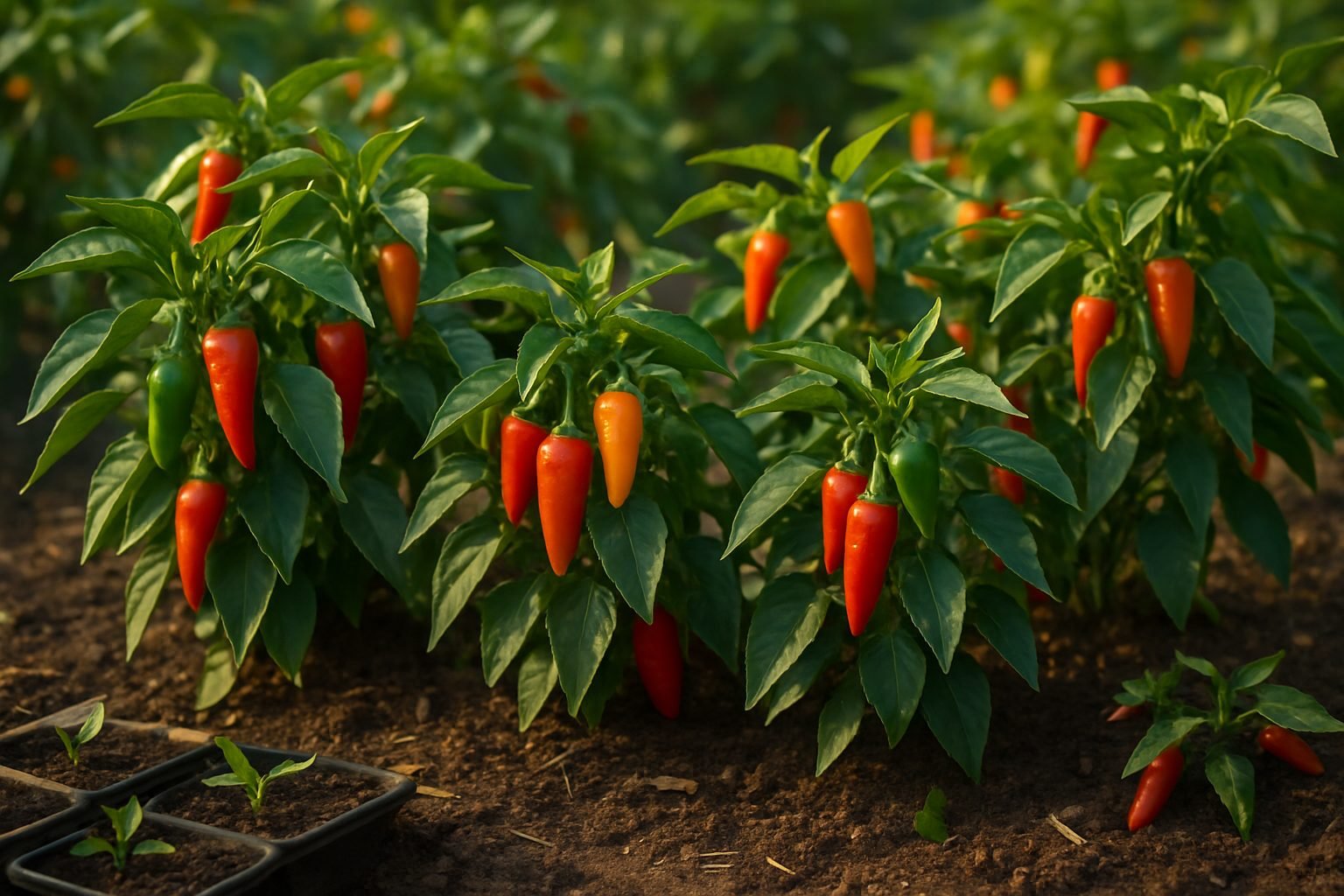
Introduction to Hot Pepper Plant Pests and Problems
hot pepper plants are beloved by gardeners and home cooks alike for their vibrant colors, bold flavors, and culinary versatility. Whether you’re growing fiery habaneros or sweet banana peppers, cultivating your own peppers can be both rewarding and fun. However, nothing can dampen that excitement faster than discovering pests feasting on your carefully nurtured plants.
Pests don’t just cause cosmetic damage; they can lead to stunted growth, reduced yields, and even the loss of entire plants if not managed promptly. For example, aphids can quickly multiply and suck the sap from new leaves, while spider mites spin webs and cause yellowing or browning of foliage. Beyond insects, fungal infections and soil-borne diseases often hitch a ride with these pests, triggering even more issues for gardeners.
In this post, we’ll take a closer look at the most common hot pepper pests you’re likely to encounter, like aphids, spider mites, and pepper maggots, as well as other threats such as fungal diseases and environmental stresses. We’ll also share real-world strategies and practical tips to protect your hot peppers so you can enjoy a healthy, productive harvest all season long.
Most Common Hot Pepper Plant Pests
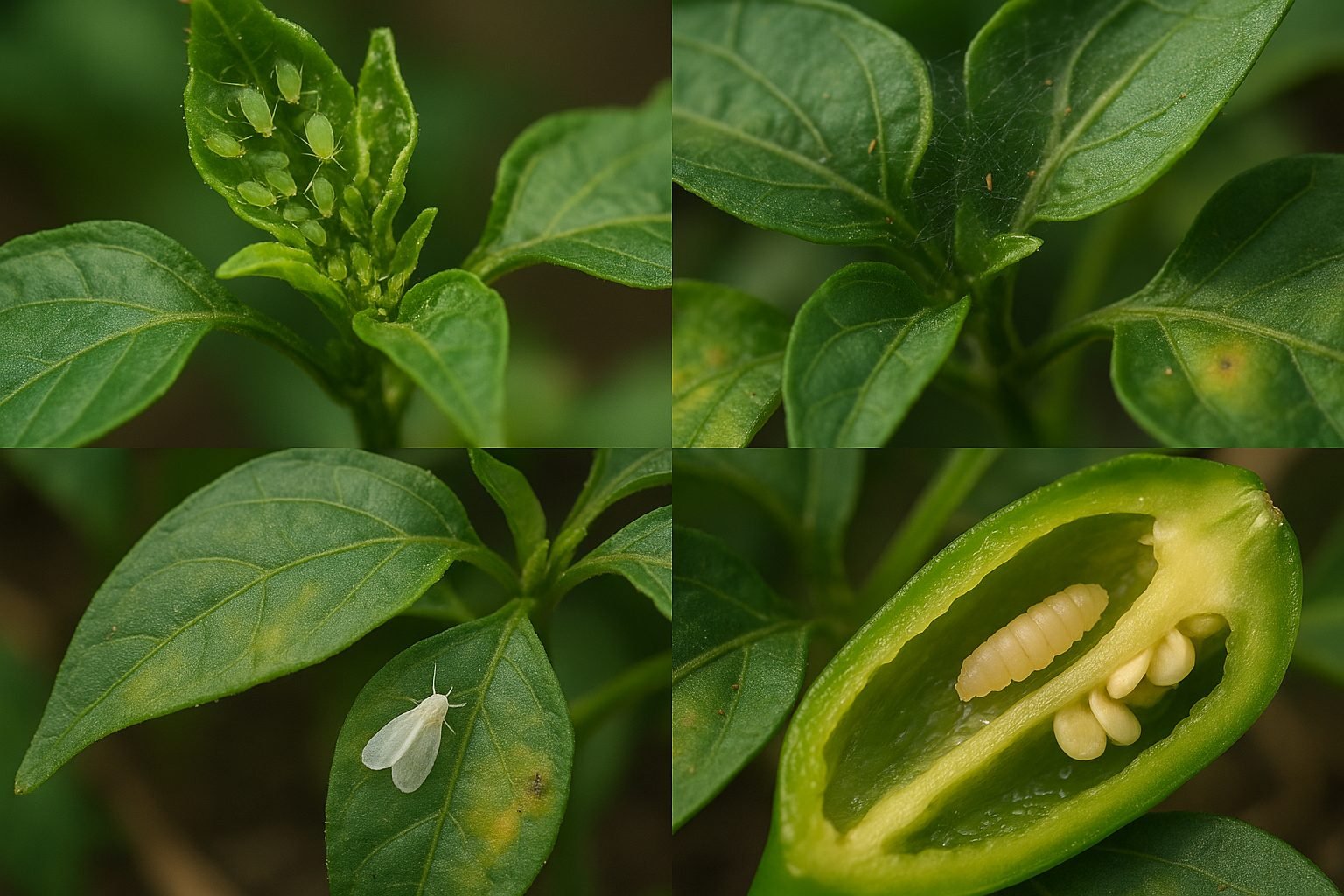
Hot pepper plants often attract a variety of insect pests that can quickly compromise their health and yield.
Aphids are tiny, soft-bodied insects that cluster on new growth, sucking sap and leaving behind sticky honeydew, which attracts ants and promotes mold. Watch for curled or yellowing leaves as an early clue.
Spider mites, nearly invisible to the naked eye, cause stippled, yellow leaves and fine webbing under leaves, thriving in hot, dry conditions.
Whiteflies are small and white with powdery wings. They swarm when disturbed and drain plant sap, leading to wilted, pale foliage; check leaf undersides for their eggs.
Cutworms are night-feeding caterpillars that snip seedlings at the base — look for missing seedlings or fallen stems in the morning.
Pepper maggots tunnel into fruits, causing yellow spots or soft, rotting patches. Split open affected peppers to spot the larvae inside.
Pepper weevils chew small holes in fruits and buds, causing premature drop. Adult weevils resemble tiny beetles with long snouts.
Thrips are slender, fast-moving pests that leave silvery or bronze streaks on leaves and may deform flowers and fruit.
Flea beetles jump when disturbed and pockmark leaves with tiny holes, which can stunt young plants.
Slugs and snails feed at night, leaving irregular holes in leaves and a slimy trail. Hand-picking at dusk or using beer traps can help reduce their numbers.
Less Common but Significant Pests
Cotton leafworms (Spodoptera species) chew large holes through leaves and occasionally bore into fruit. Early detection involves hand-inspecting for caterpillars and egg clusters.
Prevention Tips
- Regularly check leaf undersides and inspect new growth to spot infestations early.
- Remove weeds and garden debris to reduce pest hiding places.
These practices help keep your hot pepper plants healthy and productive.
Spotting and Diagnosing Pest Problems
Recognizing pest problems early can save your plants from serious damage, so keep an eye out for telltale signs like wilting leaves, stunted growth, holes or jagged edges on leaves, and unusual discoloration. Pests such as aphids, spider mites, and caterpillars often leave these clues behind but tend to hide in less obvious spots.
Make a habit of inspecting your plants every few days; don’t just glance at the top surfaces—flip a few leaves over to check the undersides, where many pests lay eggs or gather out of sight. Also, examine stems, new shoots, and the base of the plant for tiny insects, silky webs, or sticky residue that can signal trouble.
For fruiting plants, gently lift and inspect the produce for small holes or browning spots that may indicate an uninvited guest inside. If you notice any of these symptoms, intervene early by picking off visible pests, rinsing leaves with water to dislodge culprits, or using insecticidal soap.
Isolating affected plants, if possible, can help prevent the problem from spreading. Most importantly, act quickly—minor issues can spiral if left unchecked, but with regular checks and prompt action, you can keep pest infestations in check and your plants healthy.
Natural and Chemical Pest Control Solutions
When it comes to protecting your hot pepper plants from pests, both natural and chemical methods have their place. Understanding the pros and cons of each can help you make the best choice for your garden.
Organic solutions, such as neem oil and insecticidal soaps, are popular for effectively targeting common pepper pests like aphids and spider mites without leaving harmful residues on your plants. You can also introduce beneficial insects like ladybugs and lacewings, which naturally prey on these pests and help keep populations in check. These allies are especially useful if you want a hands-off, ongoing solution.
Physical barriers like floating row covers add another layer of protection, shielding your peppers from insects while still letting in sunlight and water.
Chemical pesticides, while efficient at knocking down severe infestations, should be used sparingly and with care. Always choose products labeled safe for edible plants, follow instructions carefully, and spray in early morning or late evening to avoid harming pollinators like bees.
If you must use chemical control, target only problem areas rather than blanket-spraying the whole plant, and keep pets and children away from treated areas until it’s safe.
No matter your approach, rotating between methods and monitoring your plants regularly will help prevent resistance and keep your hot peppers healthy, allowing you to enjoy a bountiful—and safe—harvest.
Capsaicin’s Role in Pepper Plant Defense
Capsaicin, the compound responsible for the fiery heat in hot peppers, is more than just a tongue-tingling spice—it’s actually a clever natural defense mechanism. Pepper plants produce capsaicin to fend off a range of herbivores and pests. When most mammals or insects bite into a chili pepper, the burning sensation caused by capsaicin can be intensely unpleasant, prompting them to quickly move on in search of less irritating snacks. This helps protect the plant’s fruits and seeds, which are vital for reproduction.
Capsaicin is especially effective against mammals such as rodents, who might otherwise munch on the peppers and damage the plants. However, it’s not a foolproof shield. Over time, some pests, like the pepper maggot or certain beetles, have evolved ways to tolerate or even ignore capsaicin’s fiery punch.
For example, birds lack the receptors to feel its heat, allowing them to eat the fruit and help disperse the seeds without harming the plant. Meanwhile, some insects develop thickened mouthparts or enzymes that help them bypass capsaicin’s effects. While capsaicin still provides broad protection, these adaptations remind us that nature is an ongoing arms race between plants and their would-be attackers.
Preventative Measures for Healthy Hot Pepper Plants
Keeping your hot pepper plants healthy starts with smart environmental and cultural practices that reduce the risk of pests from the get-go. Make sure to space your plants properly—crowded peppers are more vulnerable to pests because air can’t circulate, creating a damp, inviting environment for bugs and disease.
Rotate your crops by planting peppers in a different spot each year; pests and diseases that love peppers don’t get a chance to build up in the soil this way. Using organic mulch like straw or wood chips is another simple trick—it stops weeds that can host pests and keeps the soil moist without letting it get soggy.
Water at the base of the plant, preferably in the morning, to avoid wetting the leaves, since damp leaves attract fungi and certain insects.
Regular Maintenance
Regular maintenance is just as crucial. Prune any weak or overcrowded stems so the plant’s energy goes into producing healthy fruits, and always clear away fallen leaves or debris, which can harbor hidden pests.
Finally, make a habit of checking your plants every few days. Early signs of trouble—like holes in leaves, discolored spots, or sticky residue—are much easier to manage when caught right away. If you spot anything odd, address it quickly with organic remedies or by removing affected plant parts.
By blending these preventative steps into your routine, you’ll set your hot peppers up for a season of strong, productive growth.
Conclusion and Where to Find More Help
Proactive pest management is essential for keeping pepper plants healthy and ensuring a bountiful harvest. By regularly checking your plants for signs of trouble—such as holes in leaves, sticky residue, or discoloration—you can catch pest issues early before they become a bigger problem. Using natural remedies like neem oil, companion planting, and maintaining good garden hygiene goes a long way toward preventing infestations.
Keep in mind that every garden is different, so ongoing observation and a willingness to learn will make you a more effective plant caregiver over time. If you encounter persistent pest problems or want to expand your knowledge, reach out to your local cooperative extension office or master gardener program—they offer region-specific advice and can help with tricky situations.
Online resources like university agriculture websites, trusted gardening blogs, and community forums also provide reliable guidance and up-to-date tips. Remember, a little curiosity and vigilance are key to keeping your pepper plants thriving season after season.