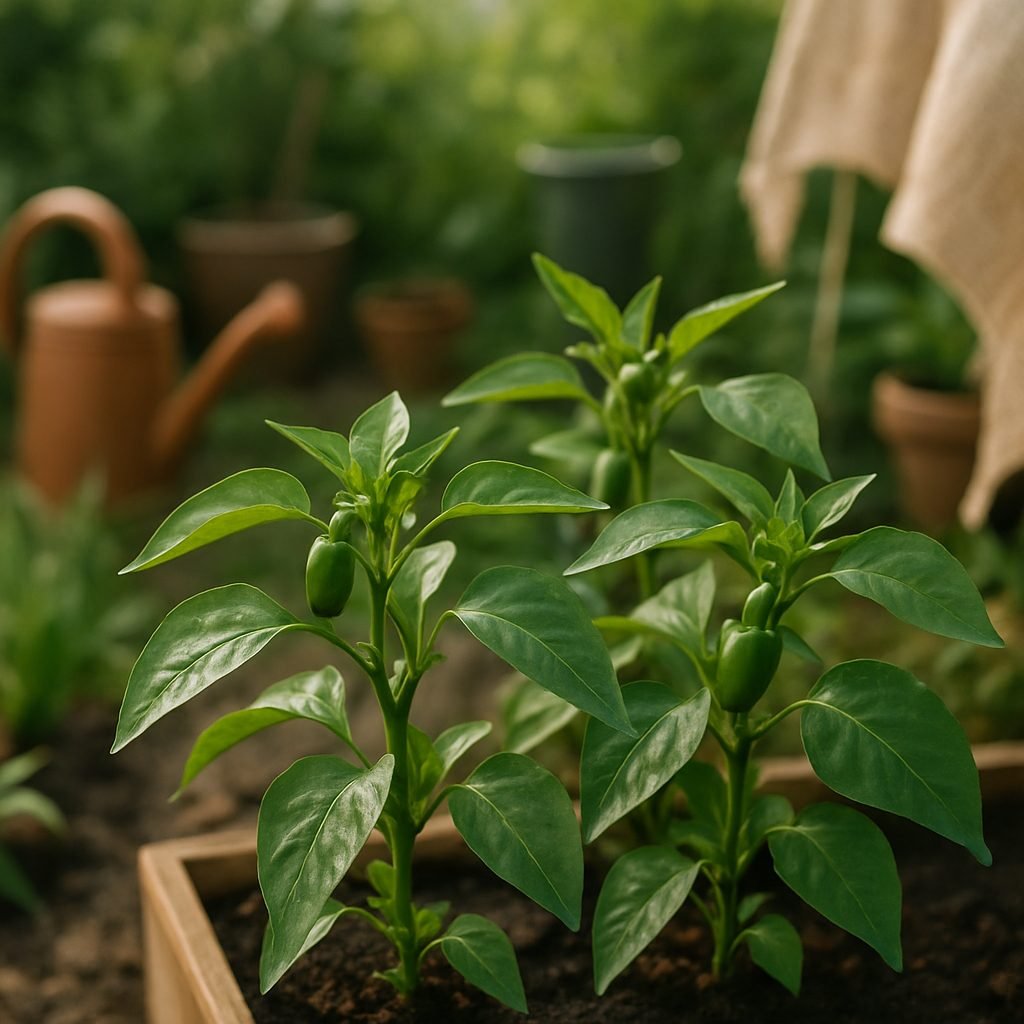
Common Reasons Pepper Plants Aren’t Producing Peppers
If you’ve found yourself wondering about “hot pepper no flowers” popping up in your garden, you’re not alone. Many pepper growers encounter plants that look healthy but stubbornly refuse to bloom or produce fruit. This common problem often boils down to a few key reasons—environmental stress, pollination issues, and missteps in daily care.
For one, hot pepper plants are notably sensitive to changes in temperature. They thrive best with daytime temperatures between 70-85°F (21-29°C) and nighttime temperatures that don’t drop below 60°F (16°C). Exposure to unexpected cold snaps or heatwaves can lead to stalled flowering, as the plant shifts its energy toward survival instead of reproduction. Similarly, inconsistent watering—either too much or too little—stresses the roots, causing the plant to hold back or drop emerging buds. If the soil dries out completely or stays soggy for too long, it can disrupt the plant’s ability to set flowers and develop fruit.
Nutrient imbalances in the soil also play a big role. Hot peppers need more than just plentiful nitrogen; they also depend on adequate phosphorus and potassium for healthy blooms and fruit. A plant getting too much nitrogen, for example, will favor leafy growth over flowers, leaving you with lush green plants but no peppers.
Another essential factor is pollination. In home gardens, a lack of pollinators like bees, or poor airflow, can keep even healthy pepper plants from setting fruit. Gently shaking the plants or using an electric toothbrush on the blossoms can help distribute pollen and jumpstart fruiting.
Ultimately, poor overall plant health—stemming from pests, diseases, or general neglect—can sap a pepper plant’s vitality, putting flowering and fruit production on the back burner. Pay attention to your hot peppers’ care and their growing environment; even small changes can mean the difference between a season of abundance and one with “hot pepper no flowers.”
Temperature and Humidity: Getting It Right for Peppers
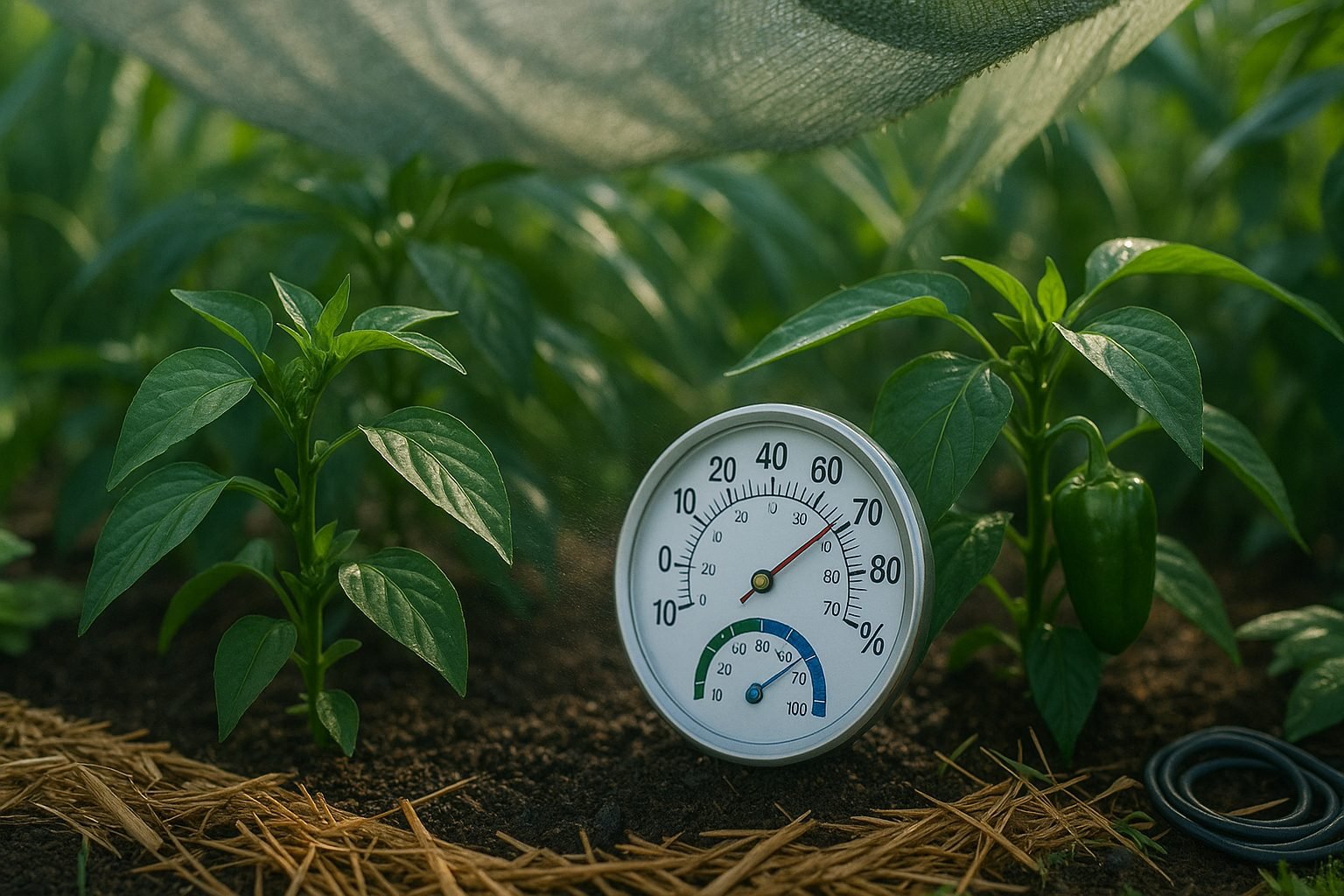
Getting the right balance of temperature and humidity is crucial for growing healthy pepper plants and enjoying a bountiful harvest. Peppers thrive in daytime temperatures between 70°F and 85°F (21°C to 29°C) and prefer nighttime temperatures above 55°F (13°C). If it gets too hot—above 90°F (32°C)—flowers may drop, and fruit can become misshapen or fail to develop. On the flip side, exposure to temperatures below 50°F (10°C) can stunt growth or cause yellowing and leaf drop.
Humidity also plays a key role—ideal relative humidity for peppers hovers around 50-70%. Too much humidity can encourage fungal diseases like powdery mildew, while air that’s too dry can lead to flower drop and poor fruit set. Monitor conditions with a simple thermometer and hygrometer, available at garden stores or online.
For outdoor gardens, consider these tips:
- Use shade cloths during heatwaves.
- Mulch to regulate soil temperature.
- Water early in the day to prevent loss from evaporation.
For indoor or greenhouse settings, try the following:
- Use fans to circulate air and reduce excess moisture.
- Place humidifiers or trays of water near plants to raise humidity if it gets too dry.
- Open windows or use vents when humidity builds up to help keep diseases at bay.
By keeping a close eye on the environment and making small adjustments, you’ll give your pepper plants the best chance to flourish and produce lots of flavorful fruits.
Light Requirements for Healthy Flowering and Fruiting
To ensure healthy flowering and consistent fruiting, pepper plants need plenty of bright, direct light—ideally at least 6-8 hours of sunlight each day. Outdoors, position pepper plants where they receive full sun, as insufficient natural light often causes leggy growth and reduced yields.
If you’re growing peppers indoors, replicate these intense light conditions using artificial lighting, with LED grow lights being a popular and efficient choice. Aim for a daily light schedule of 12-16 hours when using LEDs, placing the lights about 12-18 inches above the plant canopy to avoid burning while still providing strong intensity.
If your plants look pale or grow slowly, try moving the lights a bit closer or extending the daily light period. However, allow for at least 8 hours of darkness to give your plants time to rest—this helps mimic natural day-night cycles.
Position lights so coverage is even across all foliage, adjusting the angle or height as the plants grow taller. Investing in a timer is also helpful for maintaining a consistent light schedule, which reduces the chances of skipped or uneven light exposure.
By paying close attention to both the duration and quality of light, you’ll boost flowering, improve fruit set, and harvest more vibrant, flavorful peppers—whether your garden is outdoors or on a sunny windowsill.
Pollination Problems and How to Overcome Them
Peppers are fascinating in how they handle pollination—they’re mostly self-pollinating, meaning each flower has both male and female parts capable of producing fruit on their own. However, a little help from wind, vibration, or insects can go a long way toward increasing yields, especially in greenhouses or indoor setups where natural forces are limited.
If you notice flowers dropping without forming fruit or peppers not developing fully, it might be due to barriers like still air, scarce pollinators, or excessively humid conditions that cause pollen to clump. To overcome these issues, try gently shaking your plants or tapping flower stems so pollen falls onto the right parts.
A small paintbrush or cotton swab can also be used to transfer pollen between flowers—simply dab the brush into one flower’s center and swirl it around neighboring blossoms.
Attracting Natural Pollinators
To bring in more natural pollinators outside, plant flowers known to attract bees and hoverflies, like marigolds or borage, near your pepper patch. Avoid heavy pesticide use, especially during flowering, since it can harm helpful insects.
Managing Humidity and Airflow
For humidity issues, ensure good airflow with a fan indoors, or space plants adequately in garden beds to reduce moisture buildup.
Combining these simple tips ensures your peppers have the best chance at healthy, plentiful fruit no matter where you grow them.
Watering and Nutrition: Avoiding the Most Common Mistakes
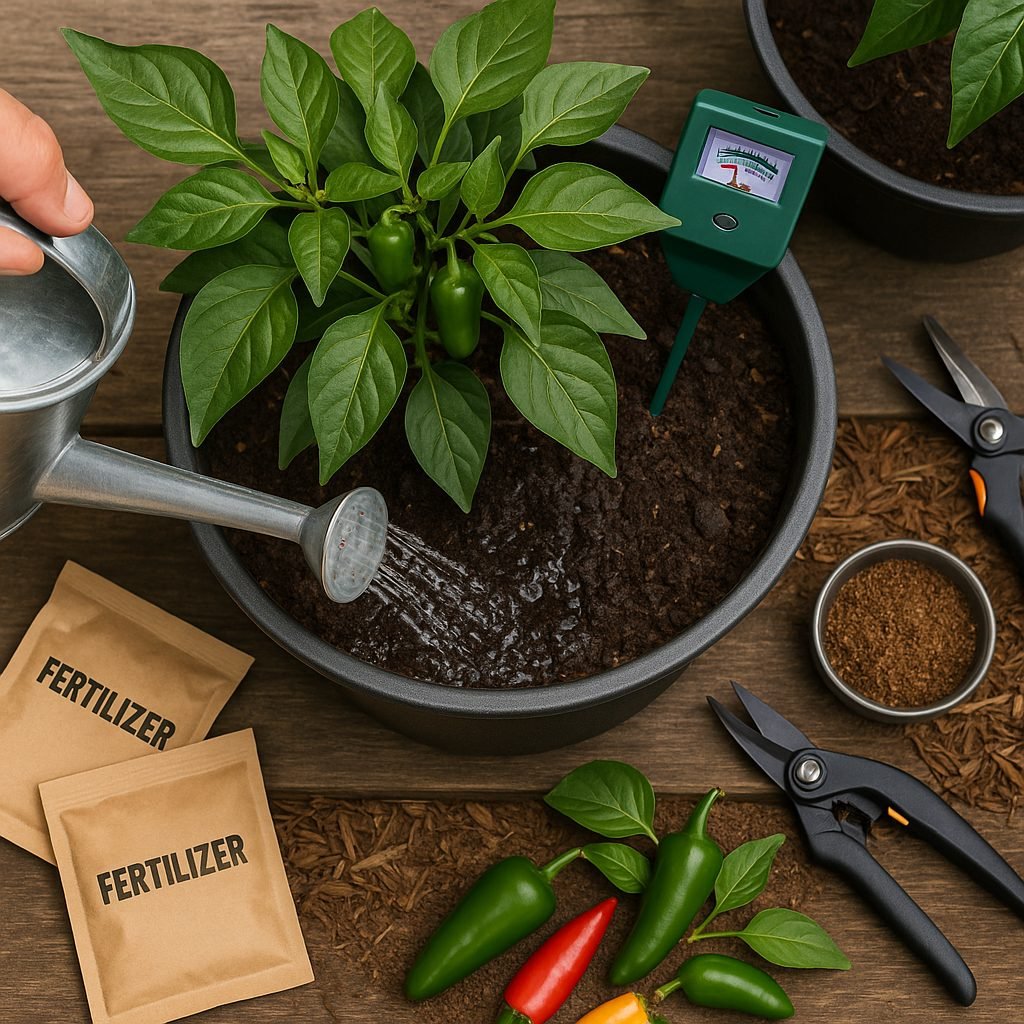
Overwatering and underwatering are two of the most frequent mistakes that can hinder the healthy development of your pepper plants and ultimately affect the quantity and quality of your fruit. Too much water chokes roots and can lead to root rot, yellowing leaves, and blossom drop—meaning fewer flowers and less fruit. On the other hand, underwatering causes drought stress, evident through wilted, curling leaves and undersized, misshapen peppers.
Consistency is key: aim to keep soil evenly moist but never soggy by checking the top inch of soil—if it feels dry, it’s time to water.
When it comes to feeding, improper fertilization can cause just as much trouble. Plants lacking nitrogen may show pale leaves and sluggish growth, while potassium or phosphorus deficiencies can delay flowering or reduce fruit set. Conversely, overdoing fertilizer—especially those high in nitrogen—can encourage leafy growth at the expense of blooms and fruit. Watch for signs of toxicity, such as leaf burn or crinkling, which mean it’s time to slow down on the feedings.
To keep your pepper plants happy, set a simple routine:
- Water deeply once or twice a week, depending on weather, and avoid getting foliage wet to minimize disease risk.
- Use a balanced, slow-release fertilizer at planting time and supplement with a liquid tomato or pepper food every few weeks once flowering starts.
- Regularly inspect your plants for signs of nutrient problems or stress—catching these early makes it much easier to correct them and ensure a bumper crop of healthy, delicious peppers.
Additional Factors—Pests, Disease, and Stress
Pests, diseases, and environmental stress can derail healthy pepper production, often leading to smaller harvests or even complete crop loss. Insects like aphids and spider mites suck sap from leaves, causing yellowing, curling, and stunted growth, while caterpillars and beetles chew through foliage and developing fruit.
Fungal diseases such as powdery mildew or bacterial spot typically appear as brown spots, wilting, or soft, sunken lesions on leaves and fruits, reducing both yield and quality. Root rot, often triggered by poorly drained soil, causes plants to wilt rapidly and collapse, especially during hot spells.
Environmental stress—like drought, heatwaves, or sudden temperature swings—can cause peppers to drop buds or flowers and distort fruit development, compounding the effects of pests and disease.
Prevention is key:
- Regularly inspect plants for signs like distorted leaves, sticky residue (a sign of aphids), or mold.
- Promptly remove unhealthy foliage or fruit.
- Avoid crowding by spacing plants correctly to boost airflow.
- Practice crop rotation and use disease-resistant varieties to reduce recurring problems.
- Introduce beneficial insects—like ladybugs for aphids—and apply organic sprays (such as neem oil) for eco-friendly, integrated solutions.
- Use mulching and consistent watering to lower plant stress, making peppers less vulnerable.
By combining these strategies, gardeners can minimize losses and support a healthy, productive pepper patch.
Simple Solutions & Prevention Tips for Bountiful Pepper Harvests
If your pepper plants are producing lackluster harvests, start by checking for common issues like insufficient sunlight—peppers need at least six hours of direct sun each day—and proper watering habits, since both over- and under-watering can stress plants and reduce yields. Make sure your soil drains well and is rich in organic matter; supplement with compost or a balanced fertilizer if leaves yellow or plants seem stunted.
Watch for pests like aphids and mites, and remove them quickly with a blast of water or insecticidal soap. For bigger, better harvests over the long term, get in the habit of pinch-pruning early growth to encourage bushier plants, and try spacing peppers 18–24 inches apart to improve airflow, which helps prevent fungal diseases. Practice crop rotation each year to keep soil healthy and discourage recurring pests and pathogens.
When possible, mulch around the base to retain soil moisture and suppress weeds, and stake taller varieties to protect them from wind damage or heavy fruits.
Here’s a quick checklist:
- Do: Give peppers full sunlight, water deeply but less frequently, feed with balanced fertilizer, prune for shape, and rotate crops every season.
- Don’t: Let soil stay soggy, crowd plants together, ignore pest infestations, or repeat planting peppers in the same spot year after year.
By staying consistent with these simple steps, you’ll give your peppers the best chance for a fruitful, thriving harvest season after season.