Introduction
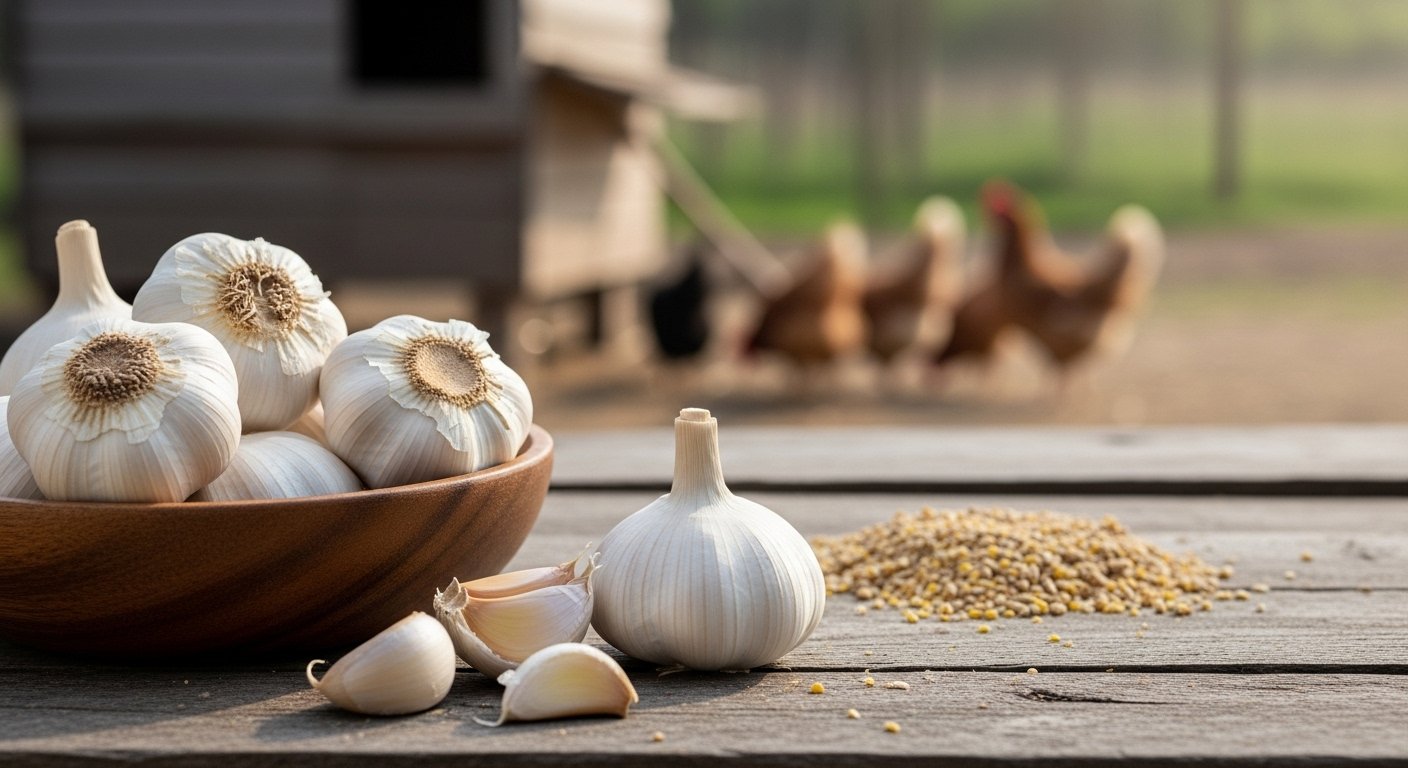
If you’ve ever wondered, “Can chickens eat garlic?” you’re not alone. With more backyard chicken keepers turning to natural supplements for healthier flocks, garlic is popping up in conversations—and feed buckets—across the poultry community.
The idea is appealing: after all, garlic is prized in human diets for its immune-boosting and antibacterial properties. But what happens when your hens peck at a clove or two? Is it safe for them, and could it improve their health, or might it pose hidden risks?
In this post, we’ll unpack what science and real-world chicken owners have found about feeding garlic to chickens. We’ll explore the possible benefits, like promoting stronger immune systems or repelling parasites, as well as the potential downsides—yes, there are a few to keep in mind.
Plus, you’ll get practical tips on how to safely introduce garlic to your flock’s diet, so you can make informed decisions for your feathered friends. Whether you’re new to raising chickens or looking for fresh ways to boost their wellbeing, this guide will help you navigate the pros and cons of this pungent plant in poultry care.
Is Garlic Safe for Chickens?
Garlic is often touted as a natural health booster for backyard chickens, but it’s important for poultry keepers to separate facts from myths when considering it for their flocks. According to most poultry experts, garlic is safe for adult chickens when offered in moderation—it can even support immune function and help deter internal parasites thanks to its allicin content.
A common myth suggests garlic is poisonous to chickens, primarily because it’s mildly toxic to some animals like dogs and cats if overconsumed. However, there’s no scientific evidence that small amounts of garlic, such as a crushed clove per gallon of drinking water or sprinkled over feed once or twice a week, harm healthy adult chickens.
That said, chicks are more sensitive and have different dietary requirements; their developing systems can be disrupted by strong flavors or compounds, so it’s best to wait until chickens are at least several weeks old before introducing garlic in tiny quantities. When in doubt, start with minimal amounts and observe your flock for any changes in appetite or behavior.
For most flocks, occasional garlic supplementation can be a helpful tool, but it should never replace a balanced diet or proper veterinary care. Always consult a poultry-savvy vet if you have concerns, and remember that practical experience from fellow chicken keepers, combined with expert guidance, is the best way to find what works for your birds.
Health Benefits of Garlic for Chickens
Garlic has long been celebrated as a natural health booster for backyard chickens, offering a range of benefits backed by both tradition and emerging research.
For immune support, garlic contains allicin, a compound known to help chickens fend off common respiratory issues and infections, making your flock more resilient during stressful periods or seasonal changes. Many chicken keepers add finely chopped fresh garlic to the feed or water once a week, noting anecdotal improvements in their birds’ energy levels and overall health.
When it comes to digestion, garlic stimulates the gut and may help chickens process food more efficiently, leading to better nutrient absorption and less digestive upset. Its antimicrobial effects are well-documented—both in folklore and in some scientific studies—which show garlic’s potential to inhibit harmful bacteria like Salmonella or E. coli without disturbing beneficial gut flora.
Additionally, garlic has shown promise in parasite control; while it won’t replace regular deworming routines, some studies and plenty of owner anecdotes suggest garlic may help repel external parasites such as mites or lice by altering the scent of the chicken’s skin.
However, it’s important to start small, as too much garlic can be overpowering or cause digestive upset—just a clove or so per gallon of water is usually sufficient.
Though the scientific community is still exploring the full extent of garlic’s benefits for poultry, combining careful supplementation with standard health practices can offer your chickens a natural boost, supporting a thriving, vigorous flock.
How Much Garlic to Feed & Best Feeding Methods
When adding garlic to your chicken flock’s routine, moderation is key—a little goes a long way. For adult hens, a safe guideline is one clove of fresh, crushed garlic per 8-10 birds, offered 2-3 times a week. Overdoing it may affect the flavor of the eggs or cause digestive upset, so avoid feeding more frequently or in larger amounts.
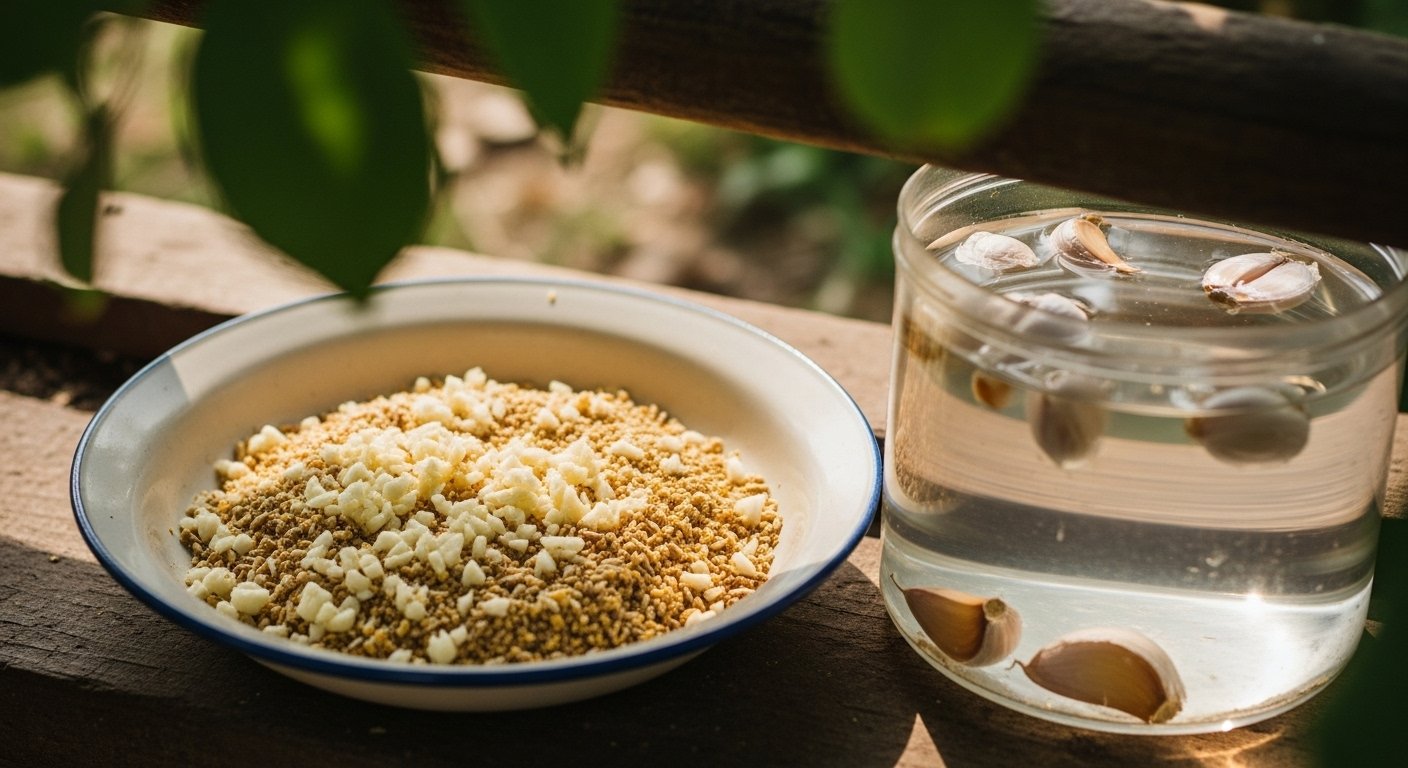
Powdered garlic can be used as a substitute if fresh cloves aren’t available; use ½ to 1 teaspoon for every 1-2 pounds of feed, maintaining the same feeding frequency. Fresh garlic contains more active compounds such as allicin, believed to boost immunity and repel parasites. Powdered garlic is easier to dose and mix but may have slightly lower potency due to processing.
Whichever form you choose, always crush or finely chop fresh garlic before feeding, as this releases beneficial compounds and makes it more palatable for the birds.
To introduce garlic, simply mix it into their regular feed—scatter the chopped or powdered garlic evenly so each hen gets a fair share. Some keepers like to steep crushed garlic in drinking water as a gentle way to introduce its benefits; just one crushed clove per gallon of water is enough. Be sure to replace the water daily to keep it fresh.
Always monitor your birds’ appetite and health when trying something new. Be extra cautious with chicks, sick, or stressed birds: while small amounts may help boost immunity, their systems are more sensitive, so halve the dose and watch carefully for any signs of distress.
For laying hens, avoid large doses, as too much garlic can sometimes give eggs a mild flavor change. This isn’t dangerous but can be off-putting to some people.
Remember, garlic is a supplement—not a cure-all—so use it as part of a balanced diet alongside clean water, good quality feed, and a clean environment to keep your hens healthy.
Potential Risks and Side Effects
While adding garlic to your chickens’ diet can offer some benefits, it’s important to be aware of the potential risks and side effects of overfeeding. One immediate concern is digestive upset—too much garlic can cause loose stools, changes in droppings, or abdominal discomfort in poultry.
Another debated issue among backyard keepers is the possibility of garlic altering the flavor or odor of eggs. Although scientific studies are limited, some owners report a mild change in taste or a faint smell in eggs when chickens are regularly fed large amounts of garlic. This is particularly noticeable in sensitive breeds or when garlic is given daily in high doses.
The quality of eggs might also be affected, though this usually only happens with chronic overuse. Signs that your chickens may be getting too much garlic include decreased appetite, lethargy, discolored droppings, or a noticeable garlic smell coming from the coop or the eggs themselves.
If you notice any of these warning signs, it’s best to stop garlic supplementation immediately and return to a balanced, garlic-free diet. As a general rule, moderation is key—only offer garlic in small, infrequent amounts, and always pay attention to how your flock responds.
If in doubt, consult an avian veterinarian for advice tailored to your birds.
Growing Your Own Garlic for Chickens
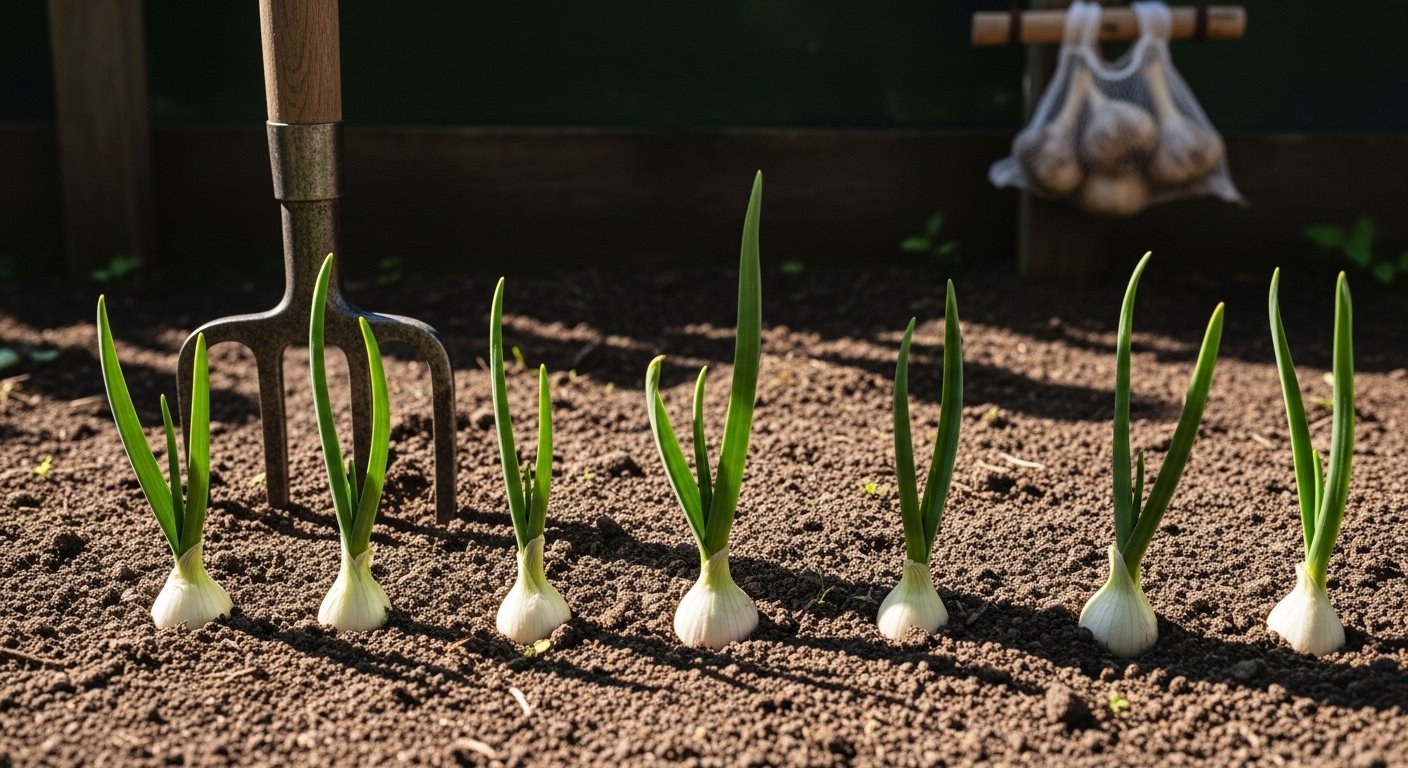
Growing your own garlic for chickens is a simple and rewarding project that ensures your flock gets fresh, chemical-free supplements. Start by choosing healthy garlic bulbs—preferably organic—and separate them into individual cloves. Plant each clove with the pointed end up, about two inches deep and four inches apart, in loose, well-drained soil.
Plant garlic in the fall for bigger, healthier bulbs, making sure the site gets plenty of sun. Water regularly but avoid over-watering; garlic thrives with consistent moisture but doesn’t like soggy roots.
By early summer, the leaves will start to brown, signaling it’s time to gently lift the bulbs with a garden fork. Shake off the dirt and let your garlic cure for at least two weeks in a shaded, airy spot like a porch or shed—this helps it store longer.
Once the bulbs are dry, store them in a cool, dry place, either hanging in mesh bags or laid out in single layers to prevent mold.
When using home-grown garlic for your chickens, offer it fresh and in moderation: mince or crush a clove and mix a small amount into their feed or water no more than one or two times a week. This practice provides your hens with natural health support while keeping their sensitive systems safe.
By growing and using your own garlic, you know exactly what your chickens are eating—and you can avoid the pesticides and chemicals often found in grocery-store produce.
Conclusion: Enhancing Flock Health Naturally
Incorporating garlic into your flock’s diet can be a smart, natural way to boost overall health when done thoughtfully. Garlic, fed in moderation and prepared properly—such as finely chopped or crushed and mixed into feed—can support your hens’ immune systems and help deter common pests.
However, it’s essential to start slowly, introducing small amounts and closely observing your birds for any changes in behavior, appetite, or egg production. Every flock is unique, so what works well for one group may not suit another. Always avoid excessive dosing, as too much garlic could potentially lead to health issues or off-flavored eggs.
Many poultry keepers have found that garlic, along with other herbal supplements, fits well into a broader approach to natural flock management. If you’re trying garlic for the first time, consider keeping a simple health log to track results and spot patterns.
We’d love to hear about your own experiences experimenting with garlic or other natural remedies—share your successes, tips, or questions in the comments. Exploring natural nutrition together helps everyone keep their birds thriving in a sustainable, holistic way.