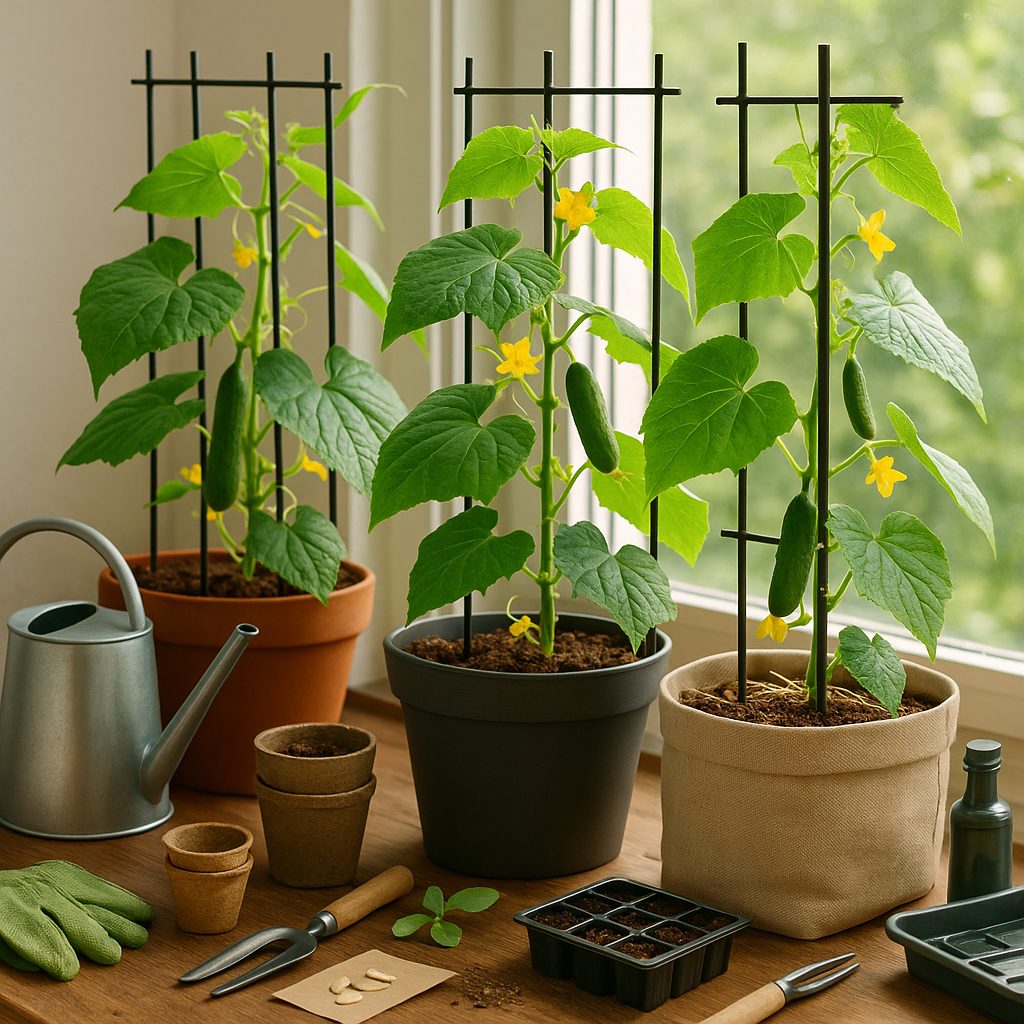
Understanding Cucumber Types and Choosing the Right Variety
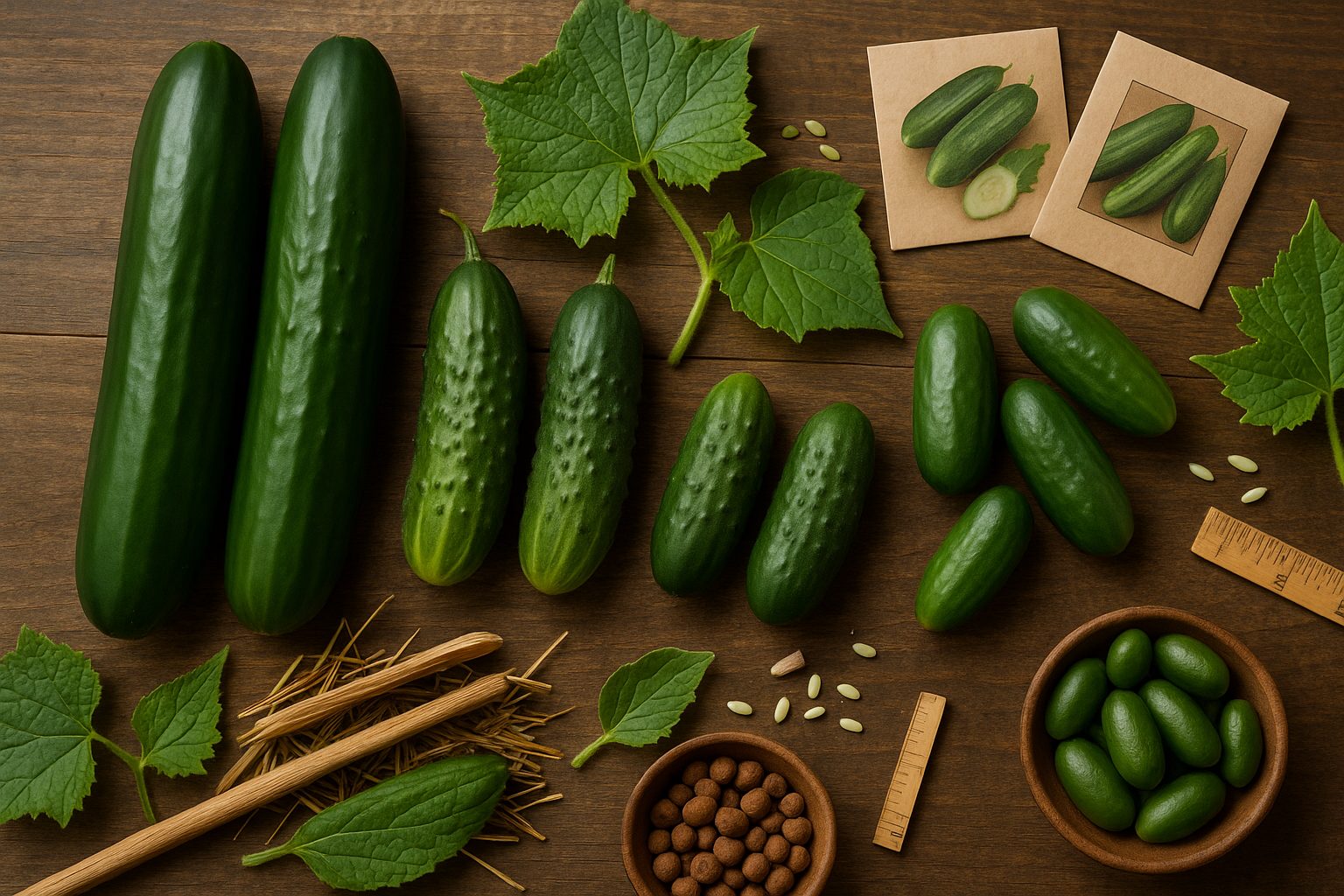
If you’ve ever wondered about growing cucumbers indoors, you’re not alone—many gardeners are discovering creative ways to enjoy fresh produce year-round. Success starts with understanding the different cucumber types and knowing which varieties are best suited for indoor life.
First, cucumbers are typically divided into two main categories:
- Slicing cucumbers, which are great for eating fresh
- Pickling cucumbers, which tend to be shorter with bumpier skins, perfect for making those delicious homemade pickles
When grown indoors, your best bet is to choose varieties bred specifically for compact spaces—often called “greenhouse” or “mini” cucumbers—since traditional outdoor types can quickly outgrow your windowsill or container setup.
Greenhouse vs Outdoor Varieties
Greenhouse cucumbers usually produce seedless, smooth fruits and climb happily on trellises, making them ideal for indoor conditions where you can provide adequate light and support. In contrast, outdoor cucumber types grow vigorously in garden beds and require more space and pollination, which can be a challenge inside the home.
Choosing the Right Variety for Your Space
When selecting a variety, consider:
- Your climate—warmth and sunlight indoors matter just as much as outside
- Your available space—vertical gardening works wonders in small rooms
- How you plan to use your harvest—crisp salads call for slicing varieties; homemade pickles require specialized pickling cultivars
Recommended Varieties for Beginners
For beginners, some cucumbers stand out:
- ‘Bush Champion’ and ‘Salad Bush’ are compact slicing varieties that thrive in containers
- ‘Patio Snacker’ delivers a heavy yield on small, manageable plants
- For pickling, ‘Bush Pickle’ is a favorite choice due to its short vines and prolific fruiting
These cultivars are bred for smaller spaces and adapt well to pots or indoor grow bags with support. No matter your choice, look for “parthenocarpic” varieties—plants that set fruit without pollination, essential for growing cucumbers indoors where bees can’t help out. With the right selection, you’ll enjoy crunchy, homegrown cucumbers no matter the season.
Starting Cucumbers from Seed: Essential Steps
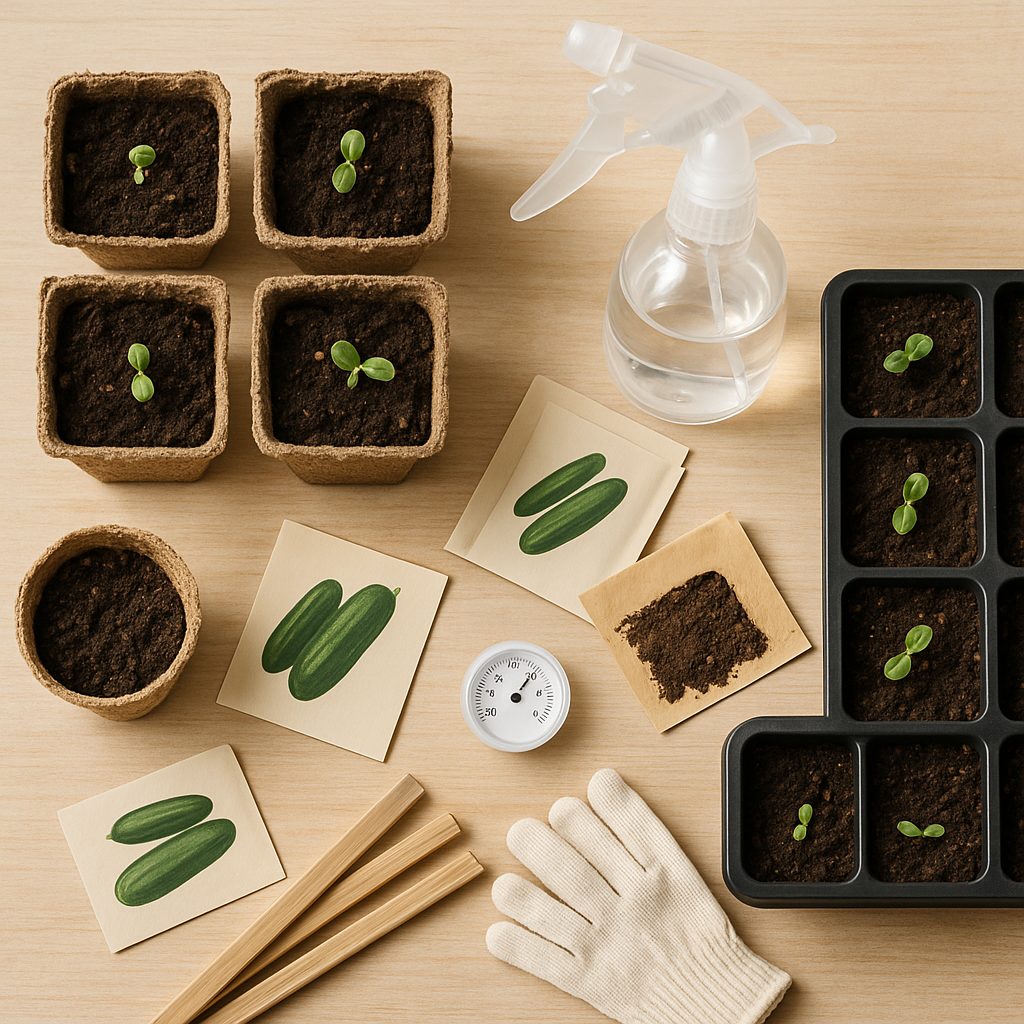
Starting cucumbers from seed is a rewarding process, but timing and technique are key to healthy growth. If you live in cooler climates or have short summers, sow cucumber seeds indoors about three to four weeks before your last expected frost. Use small peat pots or seed-starting trays filled with a light, well-draining mix.
Wait until soil temperatures reach at least 70°F (21°C) before sowing seeds directly outdoors or transplanting seedlings. Cold soil can cause slow or patchy germination. For direct sowing, plant seeds 1 inch deep and space them 6 to 12 inches apart in rows or mounds, allowing plenty of room for vines to spread. (Some bush varieties need less space, so check your seed packet.)
In greenhouses, you can sow a bit earlier and enjoy more stable warmth, leading to faster, more uniform sprouting. Regardless of where you’re growing, pre-warming the soil with black plastic or row covers can give your seeds a head start.
Keep the soil consistently moist but never soggy—cucumbers hate “wet feet!” For best results, soak seeds in warm water for two to four hours before planting to soften their tough coating and boost germination rates.
Once seedlings emerge, provide ample light—at least 12–14 hours under grow lights if indoors—and protect young plants from drafts or sudden temperature shifts. Using a small fan indoors can help strengthen stems. Thin weaker seedlings to prevent overcrowding and encourage healthy, sturdy plants.
With a little attention to timing, soil warmth, and early care, you’ll soon be well on your way to a bountiful cucumber harvest, whether you’re growing outside in beds or inside a greenhouse.
Preparing the Right Environment for Healthy Growth
Creating the perfect environment for healthy cucumber growth starts with thoughtful soil preparation. Aim for rich, well-draining soil with a pH between 6.0 and 6.8—test kits from garden centers make this process simple. Incorporate plenty of compost or aged manure to boost fertility, and consider adding sand or perlite if your soil tends to retain water, since cucumbers hate soggy roots.
When choosing where to plant, weigh your options: traditional ground beds are great for big gardens but can get compacted. Raised beds are excellent for controlling soil quality and drainage, making them a favorite for home growers. If space is tight, large containers (at least 12 inches deep) also work—just ensure they have drainage holes and use high-quality potting mix.
Regardless of your setup, locate your cucumbers somewhere they’ll bask in 6 to 8 hours of sunlight daily, as warmth is crucial for robust vines and tasty fruits. Since cucumbers love to climb, installing a simple trellis or support system boosts airflow and keeps fruits clean. You can use a metal mesh panel, some wooden stakes with twine, or even a sturdy tomato cage—just place the support in the soil at planting time so you don’t disturb the roots later.
These steps lay the groundwork for strong, productive plants, whether you’re a seasoned gardener or just starting out.
Planting and Supporting Your Cucumber Plants
When you’re ready to get your cucumbers growing, you have two main options: transplanting seedlings or direct sowing seeds into the soil.
If you’re transplanting seedlings, wait until your soil has warmed to at least 65°F (18°C) and nighttime frost is no longer a threat. Gently remove seedlings from their containers, keeping as much root mass intact as possible, and plant them at the same depth they were growing previously—burying the stem too deeply can cause rot.
For direct sowing, plant seeds about 1 inch deep and 12 inches apart in rows, or cluster three seeds per mound spaced 3 feet apart for vining varieties or 18 inches apart for compact bush types. Adequate spacing allows for good airflow, which helps prevent fungal diseases and gives each plant room to thrive.
Set up trellises or cages at planting time—installing them later may damage roots or vines. Sturdy garden trellises, fencing, or vertical cages work well. For indoor or greenhouse cucumbers, choose compact trellis frames or string supports that fit your space. Growing vertically saves space, keeps fruit clean, and makes harvesting easier.
Water deeply right after planting or sowing, ensuring the soil is evenly moist without being soggy. Cucumbers are very sensitive to drying out, especially during flowering and fruiting. Drip irrigation or a soaker hose placed at the base of plants is ideal to keep foliage dry and reduce disease.
Lay down a 2-3 inch layer of organic mulch, like straw or shredded bark, to retain moisture and keep soil temperatures steady. Mulch also discourages weeds and reduces splash-back that can spread soil-borne diseases.
Whether indoors or outdoors, cucumbers need consistent moisture—check soil daily and give extra attention during heat waves. In greenhouses, monitor humidity closely and ventilate as needed to keep fungal issues in check.
With careful planting, proper support, and a focus on moisture, you’ll give your cucumbers the strongest possible start and set yourself up for a season of delicious, healthy harvests.
Ongoing Cucumber Care: Watering, Feeding, and Managing Pests
Consistent and mindful care is key to keeping your cucumber plants healthy and productive throughout the growing season. Cucumber plants need regular watering—about an inch per week. During hot or windy weather, you may need to water more often. Aim for deep soaks at the base of the plant early in the morning to encourage strong roots and allow the foliage time to dry, which helps discourage disease. Be careful not to overwater; soggy, waterlogged soil can lead to root rot and encourage fungal problems. Rich, compost-enriched soil will help retain the right amount of moisture without suffocating roots.
Feeding is also essential: begin with a generous application of compost or well-rotted manure before planting, and follow up with organic liquid fertilizers like fish emulsion or seaweed extract every three to four weeks. These options provide a steady nutrient supply without the harsh chemical buildup that can damage soil life.
Managing Common Pests
As your cucumbers grow, watch out for common pests such as aphids and cucumber beetles. Aphids cluster on new growth, sucking plant sap and often causing stunted, curled leaves. You can remove them by spraying the plants with a strong stream of water or introducing beneficial insects like ladybugs.
Cucumber beetles, which can spread bacterial wilt, are best managed by using yellow sticky traps, floating row covers during the plant’s early stages, and removing beetles by hand when you see them.
Preventing and Treating Diseases
Fungal diseases like powdery mildew appear as white, powdery patches on the leaves. Make sure your plants are spaced well for good air circulation and water at the base, not on the leaves. Preventative sprays of neem oil or a homemade mixture of baking soda and water can also help deter mildew.
Identifying and Addressing Common Problems
If your cucumber leaves start turning yellow, it could be a sign of overwatering, nutrient deficiency, or a pest problem. Check the soil moisture before watering again, and consider a soil test to determine if key nutrients like nitrogen are low.
Poor pollination is another common challenge—cucumbers need pollinators like bees, so avoid using pesticides during flowering and plant a mix of flowers nearby to attract pollinators. If you notice misshapen fruit, gently hand-pollinate flowers using a soft paintbrush.
Finally, stunted growth may result from compacted soil or competition from weeds. Loosen the soil around your plants and keep the area weed-free for the best results.
With thoughtful, attentive care, your cucumbers will reward you with crisp, tasty fruits all summer long.
Harvesting Cucumbers at Their Peak
Knowing the right time to harvest cucumbers is key to enjoying their crisp texture and fresh flavor. For slicing cucumbers, pick them when they’re six to eight inches long, deep green, and firm—but before they start to yellow or swell at the ends. Those signs mean they’re overripe and may become bitter or seedy.
Pickling cucumbers are best at about two to four inches long and should feel solid with a slight bumpiness. If they grow too large, they’ll lose their crunch.
Harvest often—ideally every two days during peak season—since frequent picking encourages more fruit to grow and prevents oversized, tough cucumbers from forming.
To avoid damaging the plant, use clean garden shears or a sharp knife to snip cucumbers off their stem, leaving a short stub attached rather than twisting or pulling, which can harm the vine.
If you’re not using your harvest immediately, refrigerate cucumbers in a loosely closed plastic bag for up to a week. Don’t wash them until you’re ready to eat, as moisture speeds spoilage.
Enjoy fresh cucumbers sliced with a sprinkle of salt, tossed into salads, layered on sandwiches, or quickly pickled for a tangy snack to make the most of your garden bounty.
Expanding Your Cucumber Garden: Common Issues & Pro Tips
Expanding your cucumber garden can be both exciting and tricky, as these popular veggies come with their own set of challenges. Common issues include fungal diseases like powdery mildew, which thrive in humid conditions, as well as temperature swings that can stress young plants or stunt fruit development.
Overcrowding is another pitfall—too many plants in a tight space can invite pests and reduce airflow, making diseases more likely. To keep your cucumbers healthy, consider companion planting with marigolds or nasturtiums to deter beetles. Using season extension techniques such as row covers or a small greenhouse can help if late frosts or heat waves are common in your area.
Crop rotation is key, too, since planting cucumbers (or other cucurbits) in the same spot year after year can build up soil-borne pathogens. Try rotating with legumes or leafy greens instead.
Growing Cucumbers in Containers
For both indoor and outdoor growers, a frequently asked question is, “Can cucumbers grow well in pots?” Absolutely! Choose a container at least 12 inches deep and use a sturdy cage or trellis to let the vines climb, saving floor space on small balconies or patios.
Prune regularly to encourage airflow, water consistently at the base (drip irrigation works great), and mulch to retain moisture and suppress weeds. For higher yields, pick cucumbers often—frequent harvesting encourages more fruit to set.
Enjoying Your Harvest
Homegrown cucumbers shine beyond salads: try pickling them, making tzatziki, or slicing them into infused water for a refreshing treat. With a few smart strategies, anyone can turn a simple patch or patio into a cucumber haven bursting with fresh, crunchy rewards.