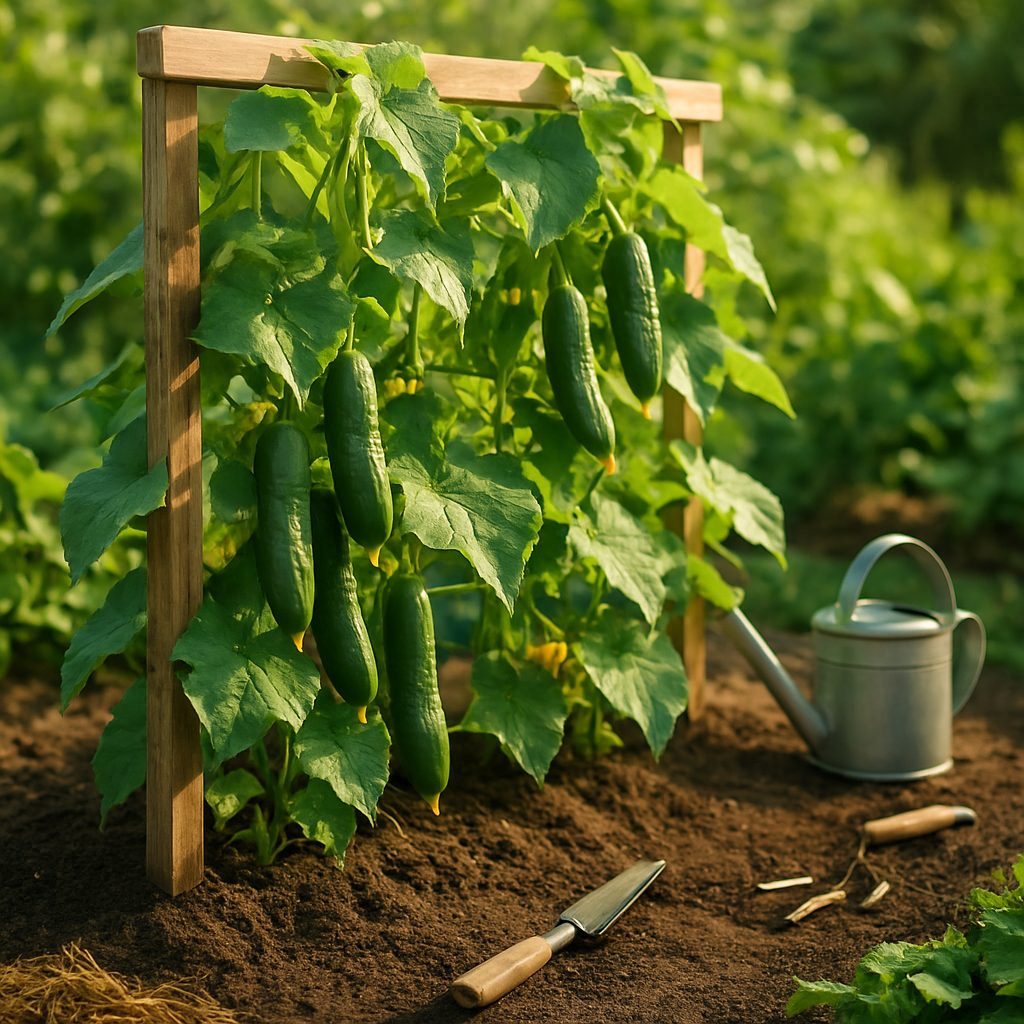
How to Grow Cucumbers
If you’re eager to grow cucumbers from seed, you’re in the right place. Whether you’re a seasoned gardener or just getting started, planting cucumbers from seeds is simpler than you might think—and incredibly rewarding. With a little space, sunlight, and patience, you can enjoy crisp, homegrown cucumbers all summer long.
This guide breaks down the process step-by-step, shares practical tips for choosing the right soil, and highlights common pitfalls to avoid, so your harvest is abundant and delicious. Let’s dig in and discover how easy it is to turn tiny seeds into vibrant, productive cucumber vines—even if you’re working with only a balcony or small backyard.
Choosing the Right Cucumber Variety
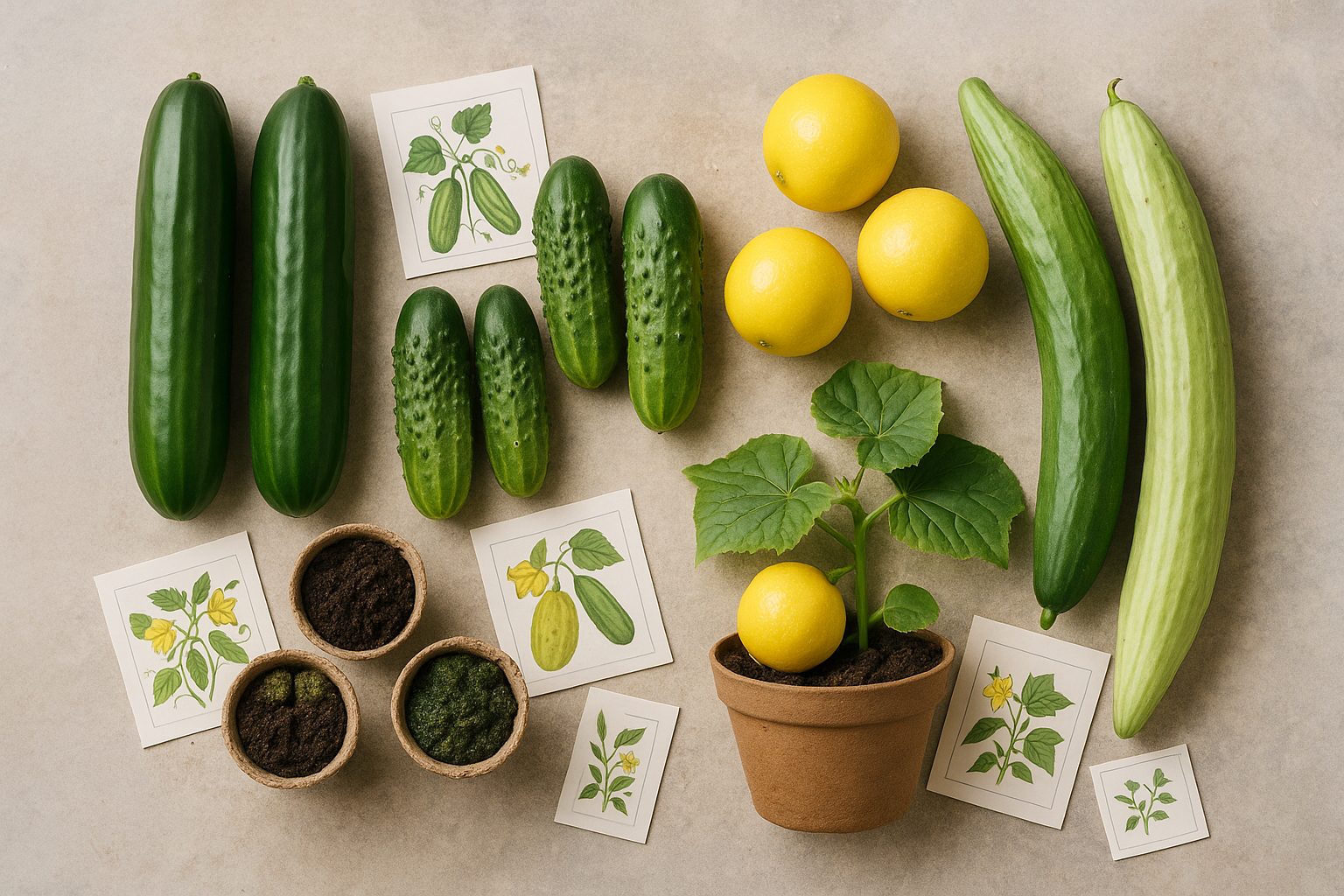
When picking the best cucumber for your garden, start by deciding how you plan to use your harvest. Slicing cucumbers are ideal for enjoying fresh in salads and snacks, prized for their thin skin, crisp texture, and mild flavor. Think of varieties like Marketmore 76, Straight Eight, or the nearly seedless Sweet Success, all top choices for outdoor plots or greenhouse setups.
On the other hand, if crunchy homemade pickles are your goal, pickling types such as Boston Pickling or National Pickling deliver small, bumpy fruits perfect for fermenting and jarring.
Your available space matters, too: vining cucumbers, which produce long trailing stems, yield heavily but need trellises or plenty of garden room, making them a favorite for outdoor gardens or vertically oriented greenhouses. Bush cucumbers like Bush Champion or Spacemaster, however, work wonders in small gardens, raised beds, or even roomy containers, thriving with just a couple of feet to spread.
For something unique, specialty varieties—such as the crunchy, round Lemon Cucumber or robust, thin-skinned Asian types like Suyo Long—add visual interest and unique flavors.
Consider your climate, too; greenhouse growers have the advantage of tweaking temperature and humidity, so European types like Telegraph excel indoors, while outdoor gardeners will do well with sturdy, disease-resistant American heirlooms.
Ultimately, mix and match based on your taste preferences, space, and whether you dream of picking cucumbers for a fresh lunch or bottling jars of zesty pickles. Planting a couple of each type is a smart way for gardeners—especially beginners—to discover what grows and tastes best in their own backyards.
When and Where to Plant Cucumbers
Planting cucumbers at the right time and in the right place is key to enjoying a bumper crop. Cucumbers thrive in warmth, so always wait until the danger of frost has completely passed and soil temperatures are consistently above 60°F (16°C) before planting outdoors.
If you live in a cooler climate with short summers, start seeds indoors about 3 to 4 weeks before your last expected frost date to give your plants a head start. Transplant seedlings only after the soil is warm and nights stay reliably above 50°F (10°C). In warmer regions, you can direct sow cucumber seeds straight into the ground once spring has settled in.
No matter where you plant, pick a spot that receives at least 6 to 8 hours of full sunlight daily, as too much shade will reduce fruit production and make plants more prone to disease.
Aim for a location with rich, well-draining soil—raised beds or mounds work well—and avoid areas where water tends to pool after rain. If possible, rotate cucumber beds each year to help prevent problems with soil-borne pests and diseases.
Also, consider using trellises or cages to give vines room to climb, which improves air circulation and makes harvesting easier. By timing your planting carefully and choosing the sunniest, healthiest spot in your garden, you’ll set your cucumbers up for a strong, productive season.
Starting Cucumber Seeds: Indoors and Outdoors
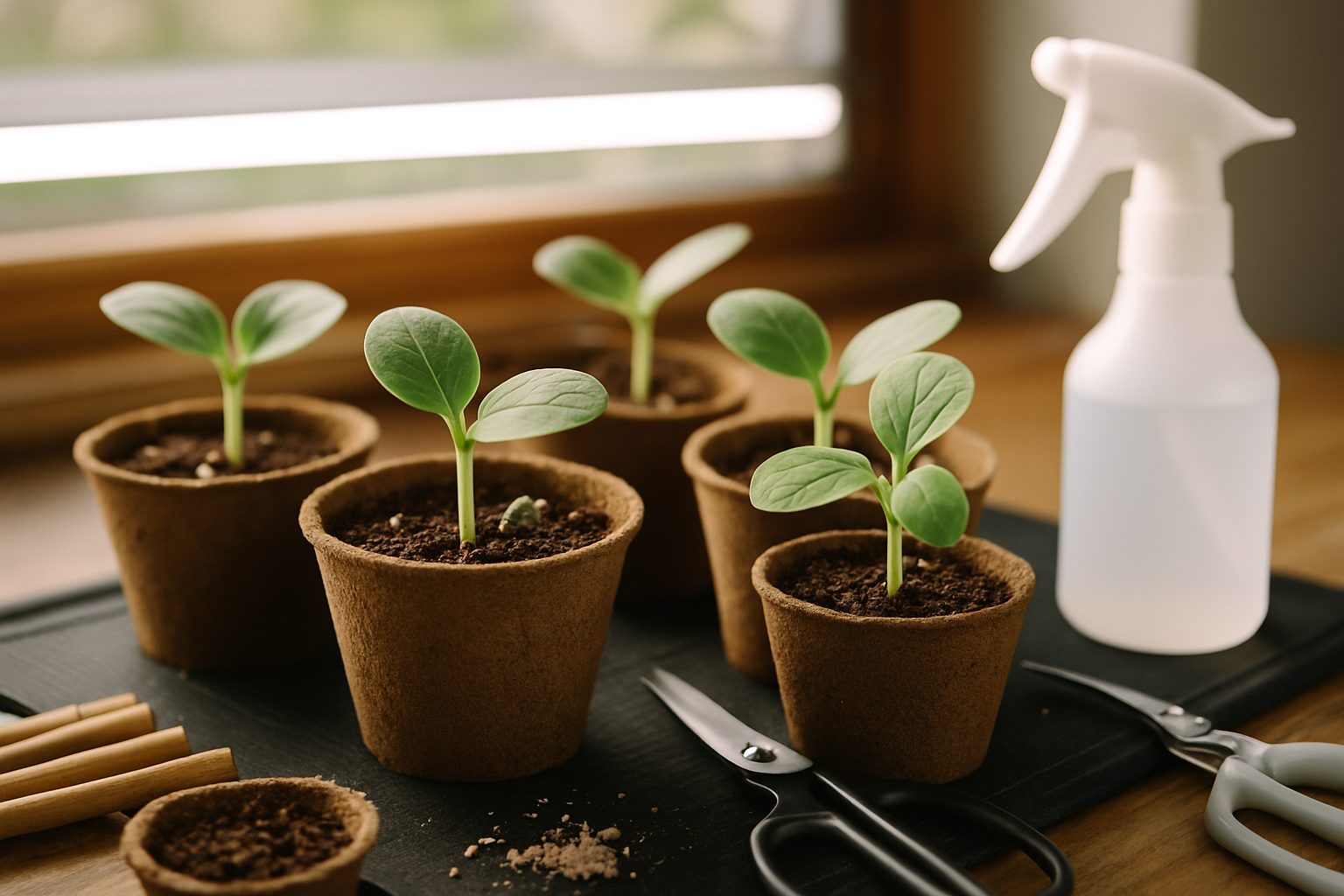
Starting cucumber seeds successfully depends on giving them the right environment from the get-go. For indoor seeding, begin about three to four weeks before your last frost date. Use small pots or seed trays with good drainage—peat pots are handy since they can go straight into the ground later. Fill them with a quality seed-starting mix, and sow seeds about half an inch deep.
Cucumbers love warmth, so keep the soil temperature between 70–85°F, which may mean placing the pots on a seedling heat mat. Keep the soil moist, not soggy, and provide bright light, ideally from a sunny window or a grow light. Once seedlings have two to three true leaves, start gently brushing your hand over them daily to strengthen the stems.
If you’re sowing outdoors, wait until two weeks after your average last frost and when the soil has warmed to at least 65°F. Prepare a sunny garden spot by loosening the soil and mixing in compost. Plant seeds one inch deep and about 12 inches apart in rows or small mounds. Water gently to keep the soil consistently moist until sprouting, typically in about a week.
When transplanting indoor seedlings, harden them off before planting by gradually exposing them to outdoor conditions for a week. Transplant carefully on a cloudy day or in the early evening to avoid sun shock, keeping as much soil around the roots as possible. Mulching after planting helps retain moisture and reduce stress.
With these steps, you can boost your cucumbers’ odds for a healthy, productive season whether you start inside or out.
Planting and Early Care
When planting young seedlings or seeds, proper spacing is key for healthy growth—always check the specific requirements for your plant. A safe general rule is to leave 12–18 inches between vegetables like tomatoes or peppers to allow for enough air circulation and room to grow.
For planting depth, sow seeds at about two to three times their diameter. For transplants, ensure the root ball is just below the soil surface, gently firming the soil around it.
Mulching is a real game-changer at this stage: spread a 2–3 inch layer of straw, shredded leaves, or grass clippings around each plant to help retain soil moisture and keep roots cool.
Water young plants early in the morning, aiming to keep the soil evenly moist (but not waterlogged). A deep soak two or three times a week beats a daily sprinkle, as it encourages strong root systems.
If you’re growing taller plants or vines, set up trellises, stakes, or cages at planting time so you won’t disturb roots later. For example, use strong wooden stakes for tomatoes and teepee-style poles for beans.
Early on, protect tender plants from late frost or chilly nights by covering them with floating row covers, garden fabric, or even overturned pots (but remove covers by mid-morning). Use windbreaks like garden fencing or burlap screens if your plot is exposed.
Guard against pests by placing collars made from recycled plastic or cardboard around the base of stems, or sprinkle food-safe diatomaceous earth near the soil to deter crawling insects.
Checking daily for damage or signs of stress will help you catch problems early, ensuring your plants get off to the healthiest possible start.
Growing and Maintenance
Caring for healthy, productive cucumber plants doesn’t have to be complicated, but a consistent routine makes all the difference. Water cucumbers deeply at the base early in the day, aiming for about 1-2 inches per week—more during hot spells. Let the soil dry just slightly between waterings to prevent root rot, but don’t leave it parched—they’re thirsty plants!
Once a week, feed your cucumbers with a balanced organic fertilizer, following package instructions, to keep vines vigorous. Mulching with straw or compost helps suppress weeds, maintain soil moisture, and keep fruits clean.
Training cucumber vines is key for a tidy garden and good yields; use a sturdy trellis or fence, tying young stems gently with garden twine as they grow. This vertical setup not only saves space but also improves air circulation, which is crucial for preventing diseases. Prune away any crowded or unhealthy leaves to further boost airflow and sunlight exposure.
Stay vigilant for pests—cucumber beetles and aphids are the most common culprits. For organic control, try handpicking beetles early in the morning or spraying plants with insecticidal soap to tackle aphids. Encourage beneficial insects like ladybugs, or use row covers during early growth to block invaders.
With these simple daily and weekly habits, you’ll set your cucumbers up for a robust and fruitful season.
Harvesting and Storing Cucumbers
Knowing when to pick your cucumbers is key to getting the best taste and texture. Most cucumber varieties are ready to harvest when they’re bright green, firm, and about six to eight inches long (pickling types can be smaller, around three to five inches). If they start turning yellow or become too large, they often get tough and bitter.
Check your plants every couple of days—cucumbers grow quickly, and regular picking encourages more fruit production throughout the season. To harvest, use pruning shears or a sharp knife rather than pulling the fruit by hand, which can damage the delicate vines and roots. Snip the stem about a quarter inch above the cucumber, handling the plant gently to avoid harming other developing fruit.
Once picked, don’t wash cucumbers until you’re ready to eat them—excess moisture can speed up spoilage. Store fresh, unwashed cucumbers in a sealed container or produce bag in the crisper drawer of your refrigerator. Keep them away from ethylene-producing fruits like bananas and tomatoes, which can cause cucumbers to soften and yellow more quickly.
For maximum freshness, wrap cucumbers loosely in a paper towel before sealing. This helps manage moisture and extends their crispness for up to a week or more. If you have a bumper crop, consider making quick pickles to enjoy your harvest even longer.
Troubleshooting Common Problems
Cucumber growers often encounter a handful of common problems that can be frustrating but manageable with the right approach. If your plants have poor fruit set, check for proper pollination—plant flowers nearby to attract bees, or try gently hand-pollinating the blooms yourself.
Bitterness in cucumbers often comes from inconsistent watering or heat stress, so keep soil moist with regular, deep watering and mulch to retain moisture and regulate temperature.
Leaves turning yellow can signal nutrient deficiencies or overwatering; try a balanced fertilizer and make sure soil drains well.
Powdery mildew, a white film on the leaves, thrives in humid conditions. To prevent it, space plants for good airflow, water early in the day, and choose disease-resistant cucumber varieties. If mildew does appear, remove affected leaves and use a neem oil spray.
Deformed fruit often results from inadequate pollination or erratic watering. Stay consistent with irrigation and encourage pollinators in your garden.
Practicing crop rotation each year can help keep soil-borne diseases at bay—avoid planting cucumbers or other squashes in the same spot season after season. It’s also wise to avoid overcrowding, as crowded vines attract pests and reduce airflow.
By staying vigilant and using these straightforward tips, you can tackle most cucumber-growing troubles before they get out of hand and keep your patch thriving all season.