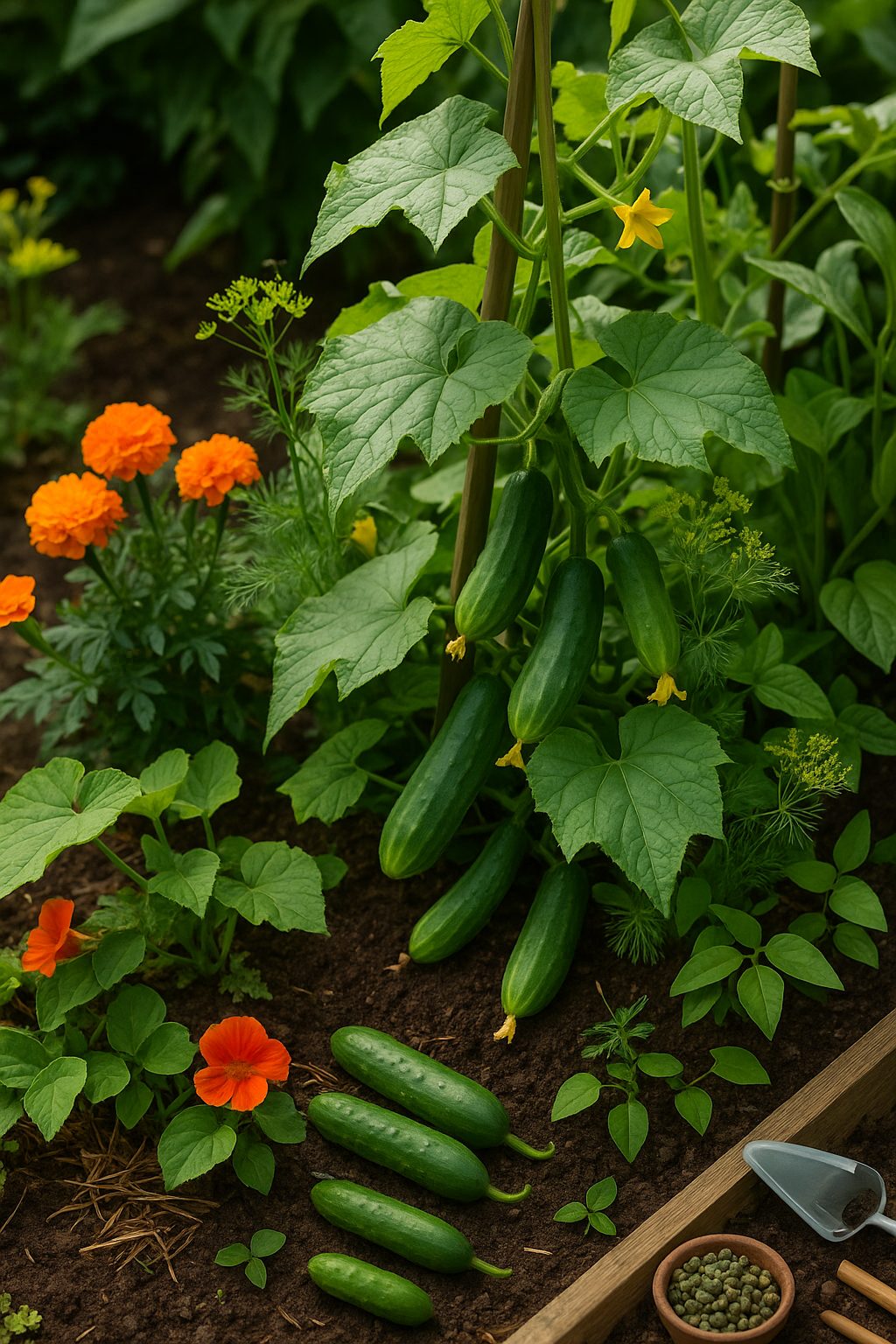
What Is Companion Planting?

If you’re planning a thriving summer garden, understanding cucumber companion plants can make all the difference in your harvest. Companion planting is a time-tested gardening technique where different plants are grown close together, allowing them to benefit each other in unique ways. Rather than simply filling garden beds with random vegetables, seasoned gardeners choose specific pairings to optimize space, boost yields, and reduce the need for chemical interventions.
Companion planting acts as nature’s way of supporting your vegetable patch. Certain plant combinations naturally deter harmful pests, attract helpful pollinators, and even improve soil conditions. For example, growing basil or marigolds near your tomatoes not only makes the garden prettier but also helps keep away insects that threaten your crops. By intentionally pairing vegetables, herbs, and flowers, you create a mini-ecosystem where plants help one another, leading to healthier and more productive gardens with less work for you.
It’s especially valuable to use this approach for cucumbers. Cucumber companion plants—like radishes, nasturtiums, or dill—can protect tender cucumber vines from beetles and aphids, encourage faster pollination, and even boost growth by improving soil nutrients. Imagine planting marigolds to sideline root-knot nematodes or letting beans fix nitrogen for your cucumbers—these partnerships minimize disease, make better use of your garden space, and ultimately yield plumper, tastier cucumbers. In short, companion planting is a simple way to garden smarter, not harder.
Top Benefits of Companion Planting with Cucumbers
Companion planting with cucumbers offers a range of benefits that can help your garden thrive organically. One major advantage is attracting pollinators—plants like nasturtiums and sunflowers encourage bees and beneficial insects to visit, leading to better fruit set and higher cucumber yields.
Certain companion plants, such as marigolds and radishes, naturally deter common cucumber pests like aphids and cucumber beetles, reducing the need for chemical pesticides. For example, marigolds release a scent that repels nematodes and beetles—a tip backed by many home gardeners and supported by studies showing reduced pest presence in mixed plantings.
Beans are excellent companions too, as they fix nitrogen in the soil—an essential nutrient that cucumbers use to grow strong, healthy vines. Additionally, leafy greens such as lettuce or spinach can serve as living mulch around cucumber plants, keeping the soil moist and cool while suppressing weeds.
This not only helps conserve water but also makes better use of limited garden space. Tall, upright plants like dill can maximize vertical growth, while sprawling cucumbers spread along the ground below. Many home gardeners have found that this multilayered approach boosts productivity, with scientific research confirming that diverse plant groupings often yield more produce and fewer disease problems.
By partnering cucumbers with the right companions, you create a more resilient, balanced garden system that thrives using organic principles.
Best Companion Plants for Cucumbers
Companion planting is a smart way to boost your cucumber harvest, and choosing the right plant neighbors can make a big difference. Beans and peas enrich the soil with nitrogen, giving cucumbers extra nutrients they love—plant them along the same trellis or in alternating rows for space efficiency.
Corn offers vertical support that trailing cucumber vines can climb, plus it provides dappled shade in hot weather to protect delicate fruits. Dill attracts beneficial insects like pollinators and predators that eat cucumber pests; intersperse a few dill plants around the patch, but not right next to the cucumbers, as dill can overwhelm young plants.
Marigolds and nasturtium both deter aphids and beetles; surround your cucumber beds with a colorful border for a natural pest barrier. Borage, known for its beautiful blue flowers, attracts bees for better cucumber pollination and is believed to improve overall plant vigor—dot borage among your cucumbers for best results.
Chives and oregano repel harmful insects with their strong scents, so cluster them at the corners or ends of cucumber rows to form a protective perimeter. Sunflowers not only draw in pollinators but also offer tall, sturdy support if you’re tight on space; consider training cucumbers at their bases.
When planning your garden, think in layers and borders—plant tall companions like corn and sunflowers on the north or east side so they don’t shade cucumbers too much, position fragrant herbs at the edges, and weave in pest-repelling flowers for a healthy, thriving, and beautiful cucumber bed.
Rotate crops each year, and avoid grouping cucumbers with plants that compete for the same soil nutrients, giving your companions and your cukes the best chance to thrive together.
Plants to Avoid Growing Near Cucumbers
When planning your cucumber patch, it’s important to know which plants to keep at a distance. Potatoes are one of the worst neighbors for cucumbers because they compete heavily for nutrients and water, often stunting each other’s growth.
Certain aromatic herbs like sage and rosemary also make poor companions; their strong scents can inhibit cucumber growth and even interfere with pollination by discouraging beneficial insects.
Additionally, melons and pumpkins—cucumber relatives—are best planted away due to their high nutrient needs and shared pests, like cucumber beetles, which can spread rapidly between these crops.
To minimize these negative interactions, group your garden by plant families, putting cucumbers alongside leafy greens or beans instead.
Leave at least a couple of feet between cucumbers and any problematic plants, or try using container gardens to keep roots well separated. Mulching and regular weeding help, too, by reducing competition for resources in shared soil.
By being strategic with your garden layout, you’ll set your cucumbers up for a healthier, more abundant harvest.
Companion Planting Tips for Healthy Cucumbers

Setting up a healthy companion-planted cucumber bed starts with thoughtful planning. Give your cucumber plants plenty of space—at least 18 to 24 inches between each plant—to allow for airflow and reduce the risk of disease.
When planting seeds, sow them about one inch deep in small hills or rows, spacing the hills three feet apart. Add companions like nasturtiums, marigolds, dill, or bush beans, as these can deter pests and improve growth. However, avoid planting cucumbers near aromatic herbs like sage or potatoes, which can stunt their development.
Rotate your cucumber patch each year to a new spot where you haven’t recently grown other cucurbits (like melons or squash) to prevent soil-borne diseases. Ensure your bed gets full sun—at least 6 to 8 hours daily—and use mulch to retain moisture.
Water consistently at the base of the plants, aiming for about an inch per week, to avoid wetting the leaves and encouraging mildew. A common mistake is overcrowding: squeezing in too many plants or mismatched companions can lead to poor airflow and disease.
Stick with well-known compatible pairings and keep a journal of what works season to season for your garden’s unique conditions. With these simple steps, your cucumbers will thrive alongside their chosen companions.
Common Pests and How Companion Plants Help
Cucumbers are prone to pests like cucumber beetles, which chew on leaves and spread bacterial wilt, and aphids, tiny insects that suck plant sap and can transmit viruses. Thankfully, companion planting offers a natural line of defense.
For example, planting nasturtiums nearby can act as a trap crop—aphids flock to the nasturtiums instead of your cucumbers, keeping the main crop healthier. Likewise, aromatic herbs such as dill and oregano emit scents that repel cucumber beetles, reducing their numbers without the need for chemical pesticides. Marigolds are another favorite, known for deterring a wide range of pests with their pungent smell.
To create an effective integrated pest management plan, try mixing these companions throughout your cucumber bed and rotating where you plant each season. Check plants regularly, remove any infested leaves by hand, and encourage beneficial insects like ladybugs that feed on aphids.
By combining companion planting with vigilant garden care, you can naturally manage common cucumber pests while boosting your overall garden biodiversity.
Frequently Asked Questions on Cucumber Companion Planting
When it comes to companion planting with cucumbers, many gardeners wonder about mixing crops like tomatoes. While it’s possible to plant tomatoes and cucumbers together, they often compete for nutrients and sunlight. To avoid this, space them at least 18–24 inches apart and monitor for signs of stress.
For the best results, pair cucumbers with companions like beans, lettuce, or radishes, which enhance cucumber growth without heavy competition.
Recommended Planting Distances
A good rule of thumb is to plant companions within a foot or two of your cucumbers—close enough to benefit but far enough to avoid overcrowding.
Benefits of Companion Planting
Companion planting really can make a difference. Marigolds help deter pests, and herbs like dill attract pollinators, leading to healthier plants and bigger yields.
Remember to keep an eye on each plant’s needs and adjust spacing as you gain experience in your own garden.