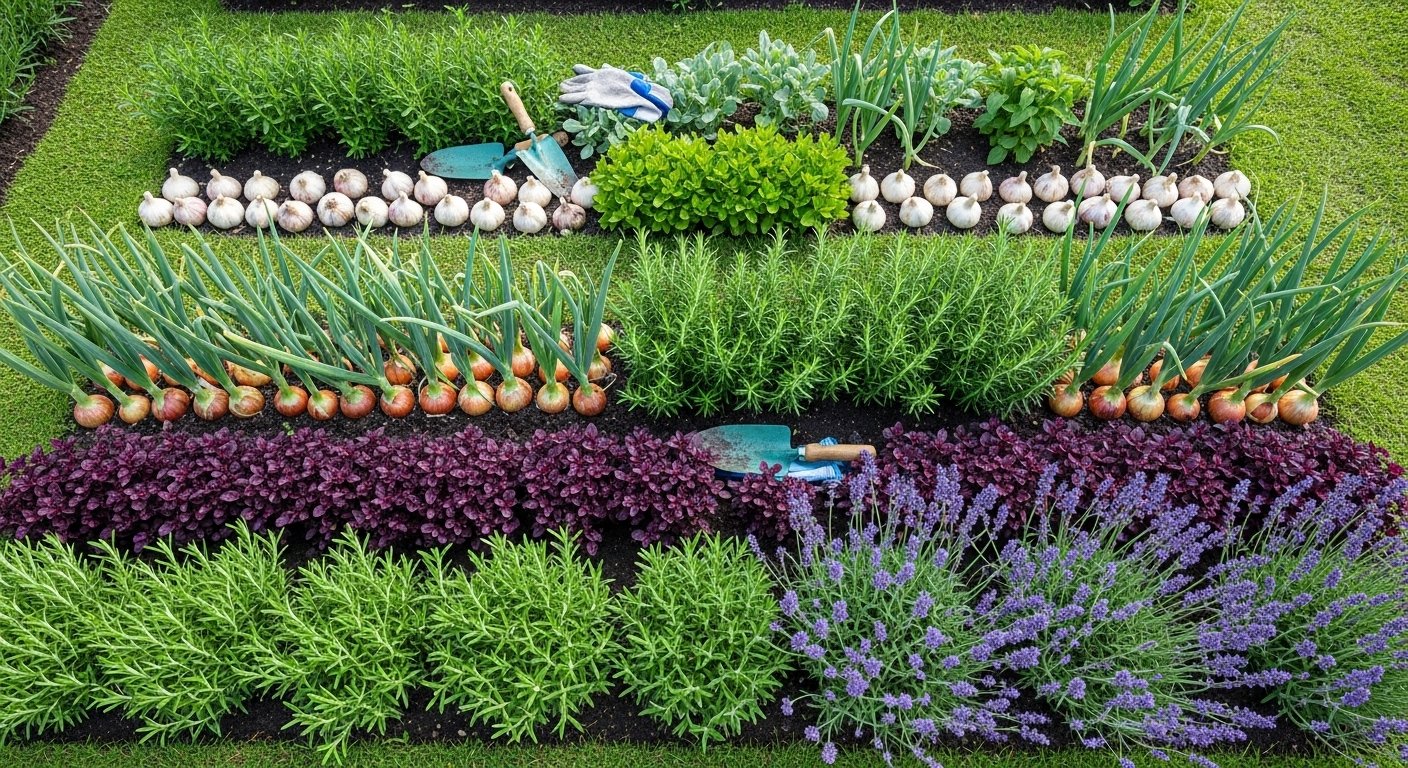
Intro to Vegetables, Fruit, and Herbs Deer Don’t Like
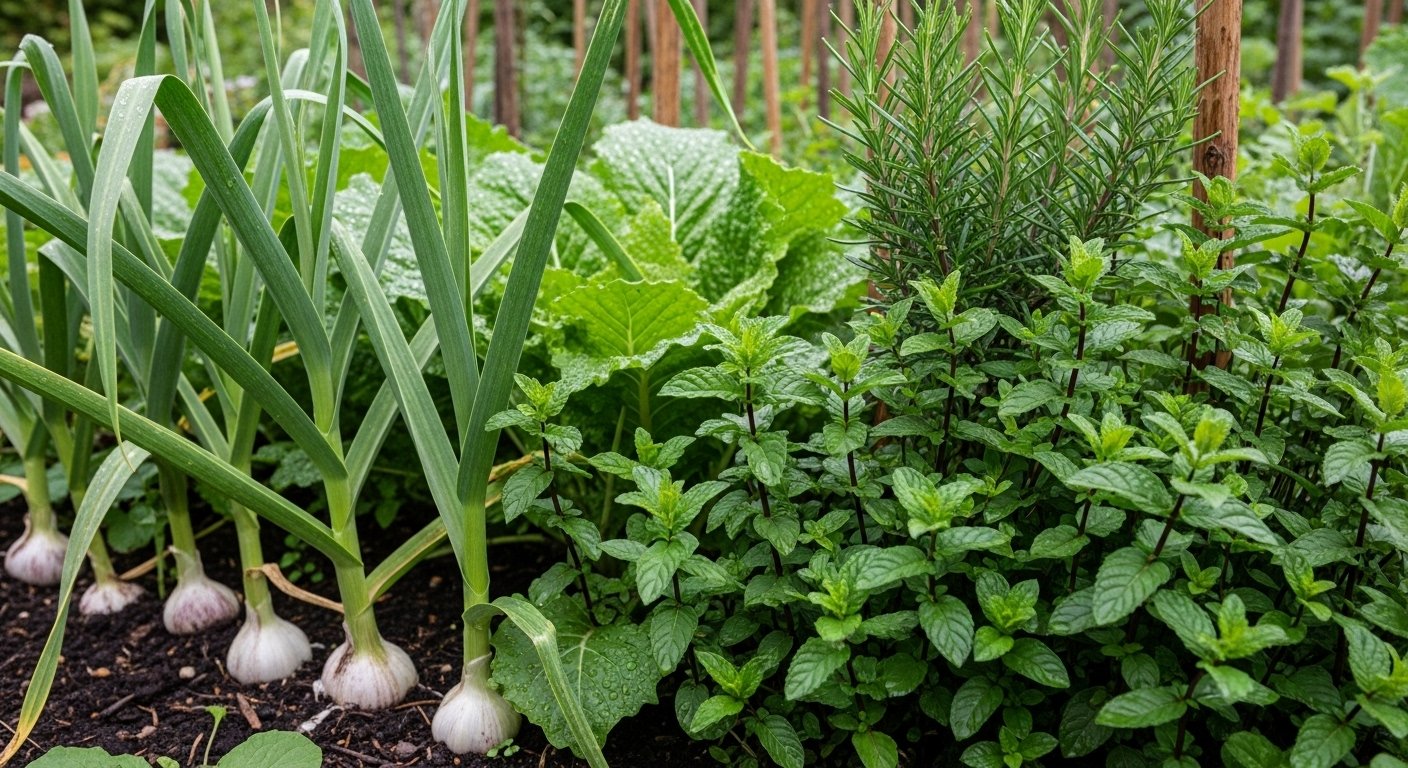
If you’ve ever wondered whether deer eat garlic, you’re not alone—especially if you’re a gardener in British Columbia or a similar region where deer often make uninvited visits. It’s incredibly frustrating to tend your garden, only to find that deer have helped themselves to your hard work overnight. These curious grazers can quickly damage crops and ornamentals, leading to disappointment and lost harvests.
The good news? Not all plants are on their menu. In this article, we’ll explore vegetables, fruits, and yes, herbs like garlic that deer usually steer clear of, offering practical tips to protect your garden and keep it thriving even in deer-prone areas.
Understanding Why Deer Avoid Some Plants
Deer typically steer clear of certain plants because of factors like unpleasant taste, strong or bitter aromas, and natural toxins. For example, plants such as lavender, daffodils, and foxglove have tastes or scents that deer dislike, making them less appealing menu options. Some species even produce compounds that can be harmful or irritating if eaten.
However, it’s important to remember that deer preferences aren’t set in stone—if other food sources are scarce, hungry deer may nibble on these less-preferred plants out of necessity.
While choosing deer-resistant plants can help reduce garden damage, it’s just one piece of the puzzle; combining smart plant selection with fencing, repellents, or garden layout changes will give your yard the best chance of staying safe.
Vegetables That Are Usually Deer-Resistant
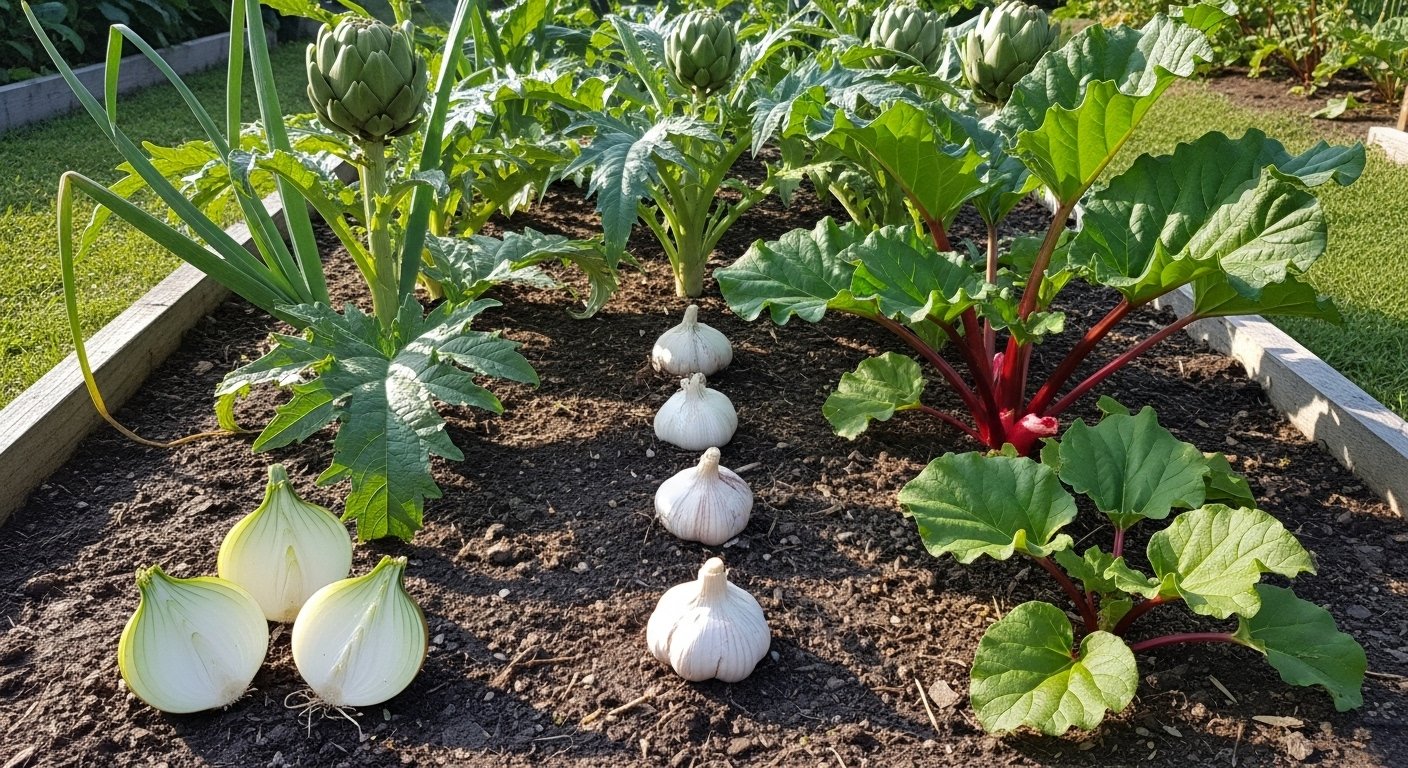
If you’re looking to protect your garden from hungry deer, some vegetables are usually safer bets thanks to their unappealing qualities. Deer tend to avoid munching on onions, garlic, leeks, artichokes, and rhubarb because of their strong, pungent scents and flavors—think of how overpowering a cut onion smells even to us!
Rhubarb, in particular, is mildly toxic to deer, making it even less attractive. While these vegetables aren’t completely deer-proof (a desperate deer might still nibble if food is extremely scarce), they’re generally reliable choices for minimizing damage.
To maximize your garden’s protection, try interplanting these deer-resistant veggies among more vulnerable crops. For example, ring your lettuce patch with onions, or mix garlic bulbs throughout your raised beds. This mixed planting acts as a natural deterrent: the scents help mask the smells of tastier plants and can make your entire bed less appealing to passing deer.
Always remember, though, that variety is key—changing up your planting strategy keeps deer guessing and your veggies safer.
Fruits and Berries Less Likely to Be Eaten by Deer
When choosing fruits and berries for your garden, currants, gooseberries, and figs are smart picks if you struggle with deer damage. Deer often avoid these plants because their leaves and fruit have strong odors, unique textures, or slightly bitter tastes that deer find off-putting.
For example, currants and gooseberries have tart flavors, and figs give off a distinct scent when ripe.
To make your garden even less appealing to deer, plant these trees and bushes close to your home, near patios, or within fenced areas, where deer are less likely to venture. Mixing these less-palatable options with other deer-resistant flowers or shrubs can create an added barrier, helping protect more vulnerable plants in your landscape.
Herbs That Help Deter Deer
Planting aromatic herbs like sage, rosemary, lavender, thyme, and mint is an effective and natural way to keep deer away from your garden. Deer tend to avoid these strongly scented herbs, making them perfect for planting along garden edges or around vulnerable crops.
Not only do these herbs repel deer, but they also attract beneficial insects and can enhance your cooking. For best results, try interplanting these deer-resistant herbs between rows of vegetables or flowers. This creates a natural barrier that makes your garden less inviting to deer while adding visual interest and fragrance.
For example, mixing rosemary or lavender between tomato or lettuce plants can help protect your harvest, all while keeping your garden beautiful and low-maintenance.
Extra Strategies for Keeping Deer Out of Your Garden
Beyond the basics, there are several natural strategies you can use to keep deer away from your garden. Installing a tall fence—at least 8 feet high—is still one of the most effective barriers. You can also use garden design to your advantage by creating dense or thorny borders that deter deer.
Incorporate deer-resistant plants like lavender, daffodils, and yarrow into your beds; deer usually avoid these because of their strong scents or tough textures. Try companion planting as well—pair vulnerable veggies with pungent herbs such as rosemary or sage to help mask scents that attract deer.
By mixing these methods, you create layers of protection that make your garden less appealing, encouraging deer to find their meals elsewhere.
Safety, Pets, and Garden Choices
When choosing deer-resistant plants for your garden, always consider your pets’ safety first. Some popular options, like onions and garlic, can be toxic to dogs and cats if ingested. If your pets have free access to the yard, double-check each plant’s safety before planting. The ASPCA website is a great resource for this.
As a safer alternative, try pet-friendly, deer-resistant options like snapdragons, marigolds, or rosemary, which offer both beauty and peace of mind. Taking these precautions ensures both your furry friends and your garden thrive together.
Conclusion and Next Steps
Growing deer-resistant vegetables, fruits, and herbs helps protect your garden while minimizing frustration and loss. By experimenting with different plant varieties and taking notes on which thrive or get nibbled in your area, you’ll quickly discover the best fit for your local conditions.
Remember, each garden is unique—what works in one yard might not work in another. Stay curious, keep learning about new deer-resistant options, and adjust your strategies to build a flourishing, resilient garden year after year.