Introduction
Learning how to harvest carrots at the right time can make all the difference in preserving their sweet flavor, crisp texture, and valuable nutrients. After spending months tending your garden, you want every carrot you pull from the soil to stay fresh, tasty, and nutritious for as long as possible.
Proper carrot storage doesn’t just maximize enjoyment; it also helps reduce waste and save money by keeping your harvest out of the compost bin. But it’s not always simple—many home gardeners struggle with common issues such as shriveling, rubbery roots, or unexpected spoilage.
The trick is knowing when to harvest for peak quality, how to prepare and clean carrots for storage, and which methods best protect them from moisture loss, mold, and cold damage. In this guide, we’ll walk you through every essential step: how and when to harvest carrots for ideal flavor, simple techniques to prepare them immediately after pulling them from the earth, and practical storage solutions tailored to your kitchen or pantry space.
Plus, we’ll share expert strategies for long-term preservation—think freezing, pickling, and even root cellaring—so you can enjoy homegrown carrots for months to come. Whether you’re dealing with a bumper crop or just a handful of garden-fresh roots, you’ll find real-world tips here to keep your carrots crisp, colorful, and ready for any dish.
When and How to Harvest Carrots
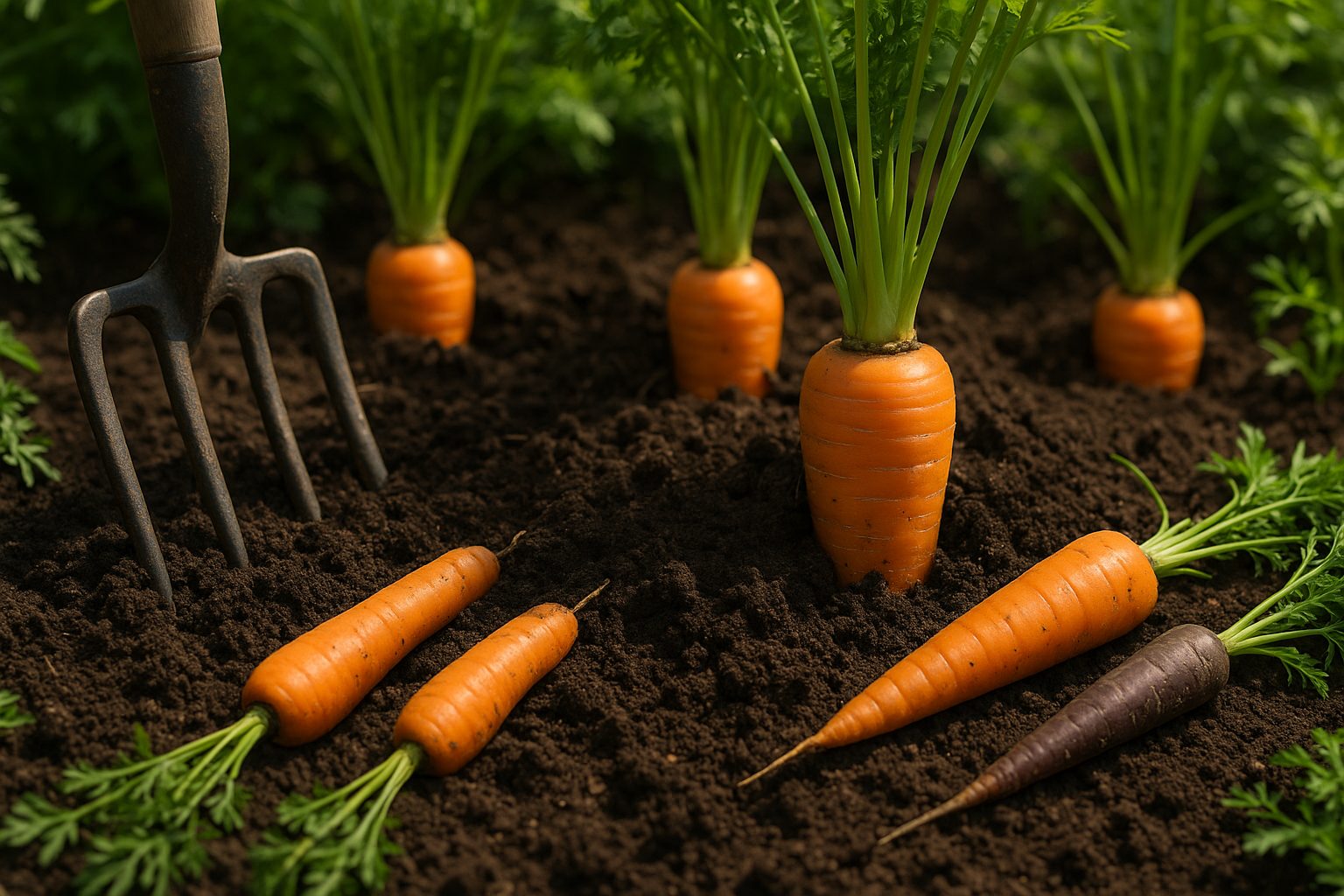
Knowing exactly when to harvest carrots can make a real difference in taste, storage life, and overall success. Look for carrot tops that are about half to one inch across—about the width of a quarter—at the soil line; this is a reliable size indicator for most varieties.
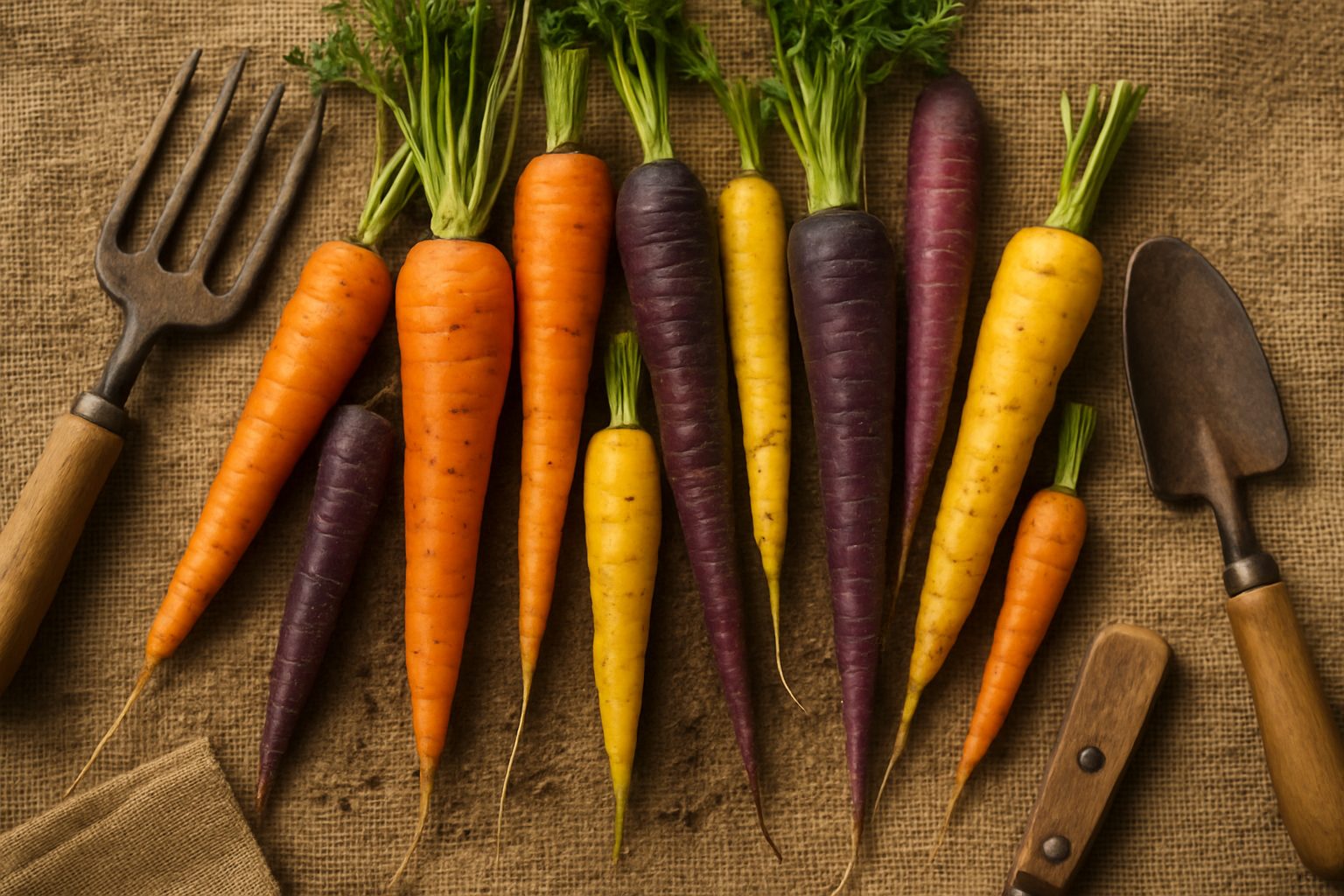
The tops of the carrots (called “shoulders”) may peek slightly above the soil and should display a rich, vibrant orange color, though some varieties appear purple or yellow. If you’re unsure, gently brush back a bit of soil to check the size. Carrots typically reach maturity within 60 to 80 days after sowing, but you can also sample one for texture and flavor.
Avoid leaving mature carrots in the ground too long, as they can turn woody or split. To harvest without damaging these crisp roots, water the bed lightly a few hours beforehand to soften the soil. Gently loosen the earth around the carrot with a garden fork or trowel, then grasp the greens near the root and wiggle it free. Tugging too hard on dry or compacted soil can lead to snapped or bruised carrots.
Once harvested, cut off the green tops to about an inch above the root—leaving greens on can sap moisture and flavor from the carrot. Avoid washing carrots before storage if you’re not eating them right away; simply brush off excess dirt and store them unwashed in a cool, humid place like a root cellar or the crisper drawer of your refrigerator. Only wash carrots right before use, as moisture can spur rot during storage.
By harvesting at the right moment and handling with care, you’ll enjoy sweeter, longer-lasting carrots with less waste.
Preparing Carrots for Storage
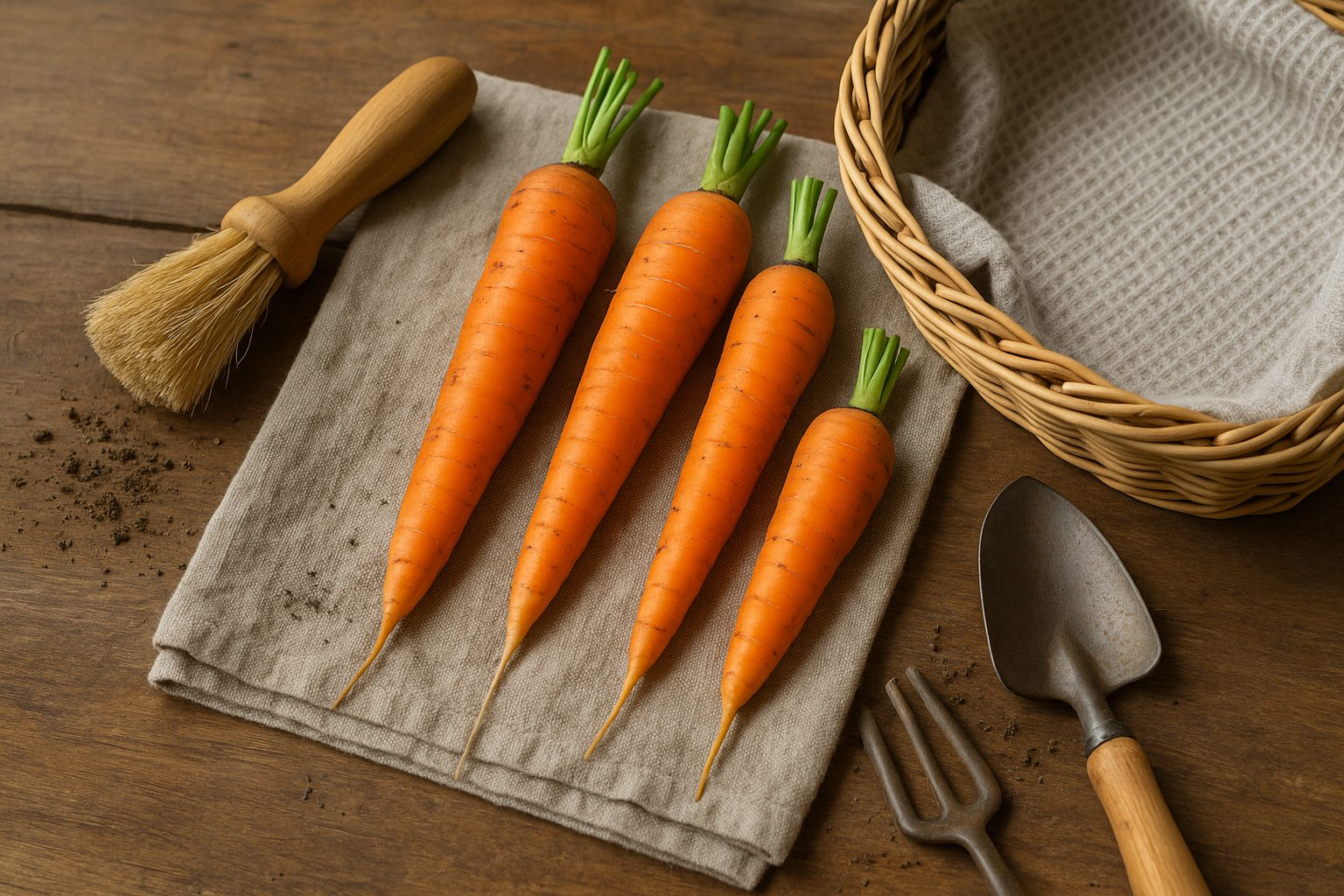
When getting carrots ready for storage, the first question is whether to wash them before putting them away. For carrots you’ll eat soon, rinsing off excess dirt can be helpful, but for long-term storage, it’s best to leave them unwashed. Moisture trapped by washing increases the risk of mold and rot; instead, gently brush off soil while keeping the carrots dry.
Next, trim the green tops, leaving about an inch of stem. Cutting off the greens prevents them from pulling moisture out of the root, which keeps the carrot firmer for longer.
After that, carefully check each carrot for nicks, splits, or soft spots. Damaged carrots won’t last as long and are more likely to go bad first, so set these aside for immediate use.
To sum up, here’s a quick routine:
- Sort all your carrots and remove any with cuts or blemishes.
- Gently brush off excess dirt—skip the wash if you’ll store them beyond a week.
- Trim the tops, leaving about an inch.
- Layer the carrots in a breathable container lined with a damp towel.
- Store them in a cool, dark place like the fridge or a root cellar.
These small steps make a big difference, helping your crisp harvest last for weeks or even months.
Best Storage Conditions for Carrots
To keep carrots fresh and crisp for as long as possible, it’s essential to store them at the right temperature and humidity. Ideally, carrots should be kept at 32-40°F (0-4°C) with a high humidity level of about 90-95%.
Refrigerators are the most accessible option for most people—simply remove the green tops from your carrots, place them in a perforated plastic bag or wrap them loosely in damp paper towels, and store them in your vegetable drawer. This setup maintains both moisture and air circulation, helping to prevent your carrots from drying out or becoming rubbery.
If you have access to a root cellar, that’s also an excellent choice. Line a wooden box or plastic bin with damp sand or sawdust, nestle the carrots inside, and cover them with more sand to keep them insulated and moist—this can keep carrots fresh for months.
Another traditional method is in-ground storage: in mild climates, you can leave carrots in the garden covered with a thick layer of straw or leaves for insulation, and dig them up as needed throughout the winter.
Whatever method you choose, keep carrots away from ethylene-producing fruits like apples and bananas, which can cause early sprouting and spoilage. Avoid sealing carrots in airtight containers, as this can lead to mold and rot due to trapped moisture.
Watch for signs of improper storage, such as limp or wilted carrots, white root hairs, mold spots, or foul odors—all indicators it’s time to refresh your setup or use up your carrots quickly.
Storing carrots properly not only keeps them tasty and crunchy but also reduces waste and saves money.
Storing Carrots in the Refrigerator
Keeping carrots fresh in the refrigerator is all about controlling moisture and airflow. First, trim off any green tops, as these pull moisture from the carrots and cause them to wilt faster.
The best way to store whole carrots is to place them in the crisper drawer in a perforated plastic bag or loosely wrapped in damp paper towels inside a resealable container. The perforations let carrots breathe without drying out, while the damp towel keeps a bit of humidity to maintain that signature crispness.
You can also submerge whole carrots in a container of water, changing the water every few days—this old-school trick works especially well for organic or garden-fresh carrots and can extend their life for weeks.
Avoid storing carrots near ethylene-producing fruits like apples or pears, as this will cause them to soften and sprout faster.
If you spot condensation or sliminess, it’s a sign there’s too much moisture or the carrots aren’t getting enough airflow. Try switching to a container with better ventilation or adjust the dampness of the paper towel.
For pre-cut carrots, always store them in water and use them within a week for peak flavor.
Finally, never store carrots in sealed or unventilated plastic bags, as trapped moisture can lead to mold and rot.
With these simple habits, you’ll enjoy crisp, flavorful carrots for much longer, ready for snacking, salads, or cooking whenever you need them.
Long-Term Carrot Storage Methods
When it comes to long-term carrot storage beyond the fridge, several time-tested methods can keep your harvest fresh for months.
Root Cellaring
Root cellaring is a classic approach—start by trimming carrot tops close to the root, gently brushing off soil, and letting them air-dry for a day. Next, store the carrots in a wooden box or bucket layered with damp sand or sawdust, making sure that they don’t touch each other. Then, keep them in a cool (32–40°F), humid, and dark spot. Be sure to check for any rot periodically.
In-Ground Overwintering
For gardeners in colder climates, in-ground overwintering lets you leave carrots right where they grew. Simply cover the rows with a thick layer (12–18 inches) of straw, leaves, or hay before the first hard frost to insulate them. When you want carrots, pull back the mulch and harvest as needed until the ground freezes solid.
Freezing
Freezing is a handy option if space is limited. Peel and slice carrots, blanch them in boiling water for 2–3 minutes, cool rapidly in ice water, drain, and pack into freezer-safe bags.
Canning and Dehydrating
For even longer durability, consider canning (as slices or chunks in a pressure canner) or dehydrating thin carrot coins for soups and snacks.
Choosing the Best Method
Each method has its pros and cons:
- Root cellaring preserves fresh flavor but needs the right conditions and regular inspection.
- In-ground overwintering is labor-light but may risk losses from hungry critters or soil freeze.
- Freezing locks in nutrients but changes texture, making carrots best for cooked recipes.
- Canning and drying are shelf-stable but take more time and equipment, and may alter taste and texture.
Pick the storage option that best fits your space, climate, and how you like to eat your carrots, and you’ll enjoy garden-fresh flavor through the winter.
How to Tell if Stored Carrots Have Gone Bad
Knowing when stored carrots have gone bad is essential to keep your kitchen safe and avoid food waste. Start by checking each carrot for obvious signs of spoilage like mold, which usually appears as white, black, or green fuzzy spots—these are a clear reason to toss the carrot immediately.
Soft or mushy spots often signal rot, especially near the ends, and should not be ignored. Limpness is another common issue: fresh carrots should feel firm and snap easily, but if they bend without breaking or have a rubbery texture, they are past their prime, though not necessarily unsafe. A sour or off smell is a definite warning that carrots are no longer good to eat.
When inspecting your stored carrots, remove any that show these spoilage signs to prevent the spread of mold or odors to healthy ones. To keep the rest fresher longer, store them in a breathable bag or container in the crisper drawer of your fridge, away from apples or pears, which can accelerate spoilage.
If you notice some carrots are just a little limp but otherwise free from mold or rot, try reviving them by soaking them in ice water for 30 minutes. This simple trick can restore some firmness, making them great for cooking or snacking.
Remember, regular checks and quick removal of any spoiled carrots can extend the shelf life of the rest, saving you money and meals.
Summary & Quick Tips
Storing carrots the right way not only preserves their crunch but also keeps their sweet flavor intact for months. Always start by selecting firm, unblemished carrots and removing the green tops, which draw out moisture and speed up spoilage.
For short-term storage, keep carrots in the fridge, wrapped in a damp paper towel and sealed in a plastic bag or container; this helps maintain the right humidity levels. For longer storage, try placing them in a box of sand or sawdust in a cool, dark spot like a cellar.
Quick Checklist
- Do wash and dry carrots before fridge storage.
- Don’t store carrots near fruits like apples, which release ethylene gas and cause carrots to go bitter.
- Do inspect stored carrots regularly and remove any that are soft or moldy—a bad carrot quickly spoils its neighbors.
Experiment with different methods to see what keeps your carrots crisp the longest in your climate and space. With a bit of care and attention, you can enjoy homegrown or store-bought carrots long after harvest season ends.