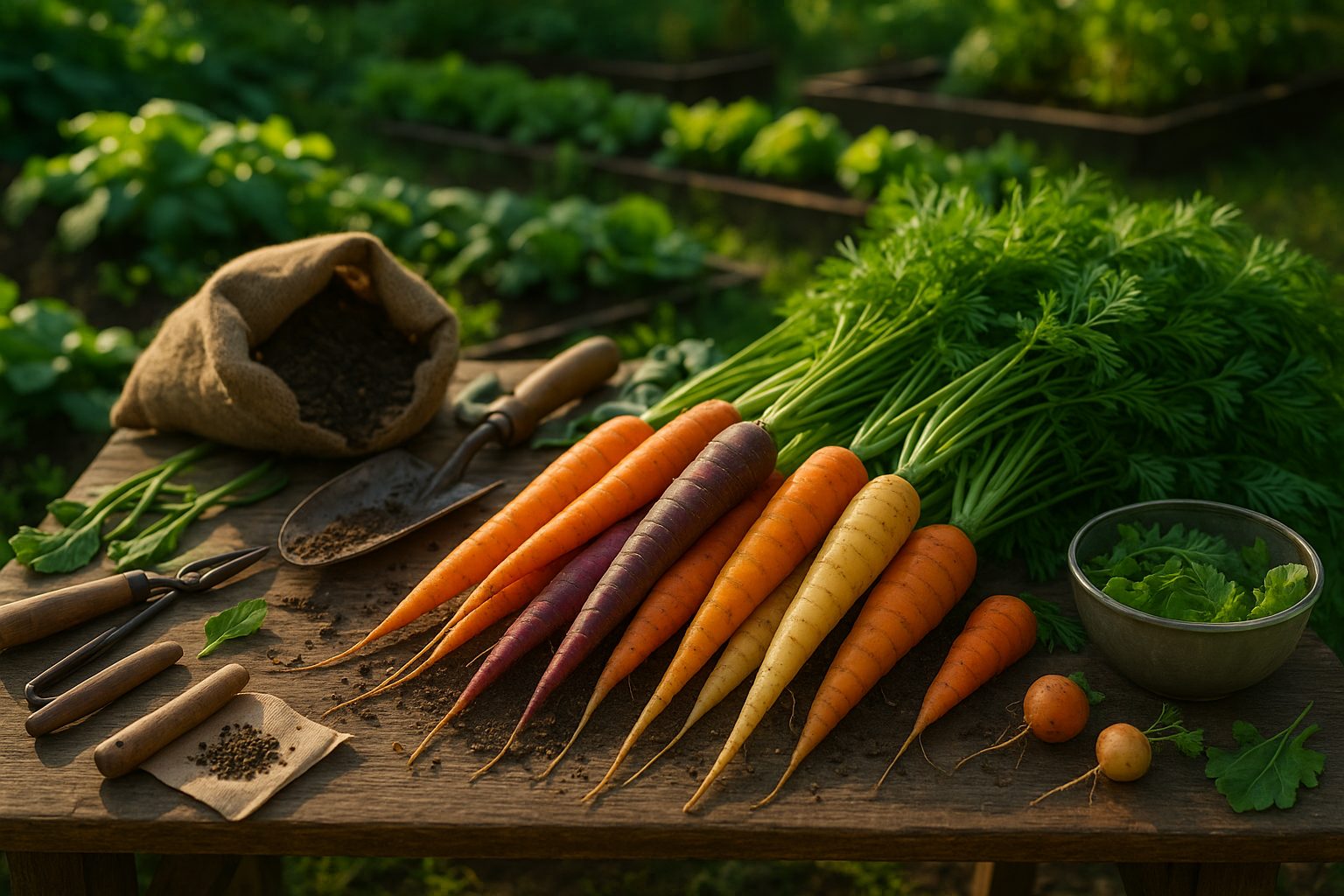
Why Grow Your Own Carrots?
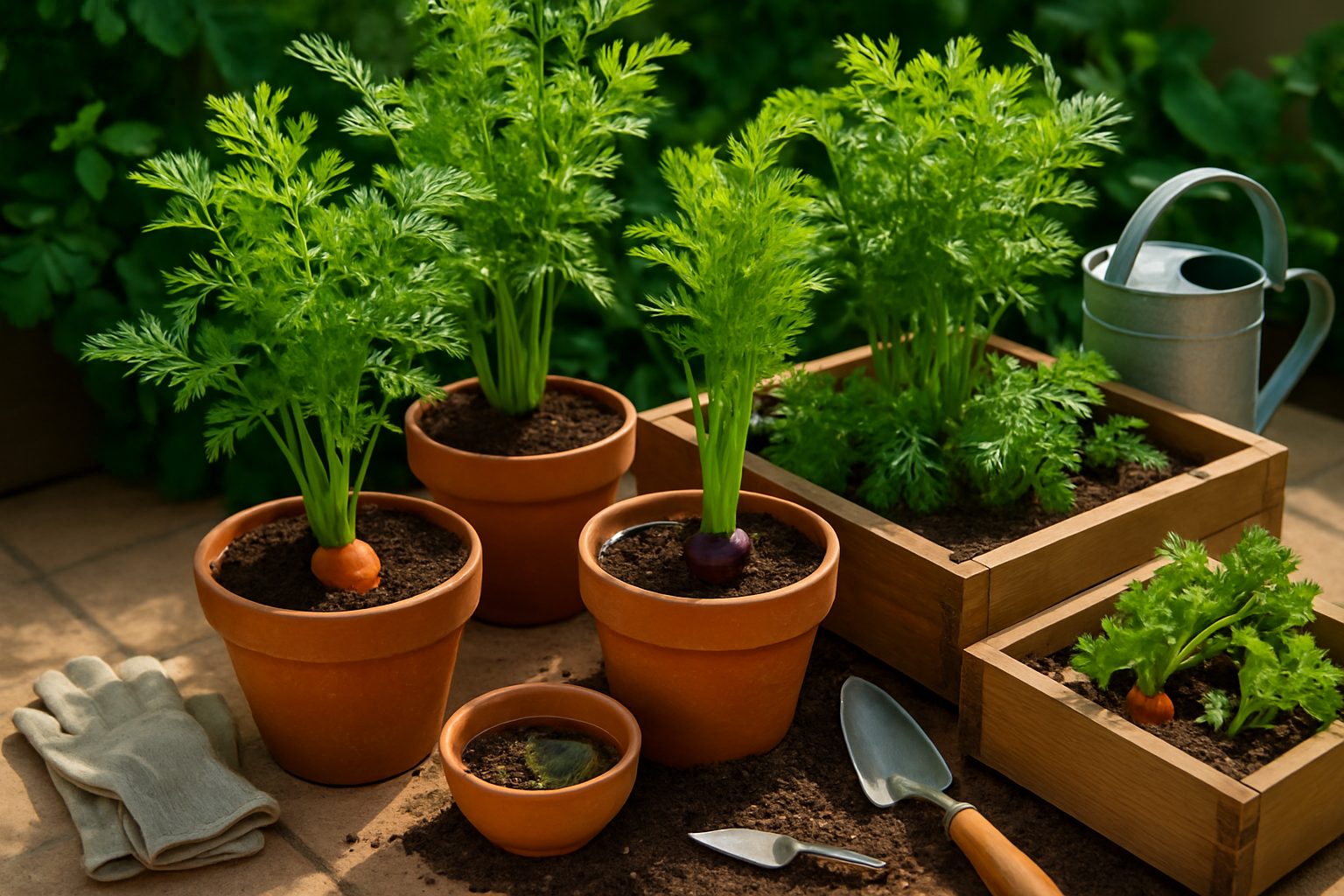
If you’ve ever bitten into a store-bought carrot and wondered why it tastes bland, it’s time to explore the best carrot varieties you can grow right at home. Home-grown carrots offer a sweet crunch and vibrant flavor that far surpass anything you’ll find packaged in a grocery store.
When you grow your own, carrots are harvested at their peak, locking in freshness that commercial options just can’t match. Even better, gardeners gain access to a rainbow of unique colors—think deep purples, sunny yellows, and snowy whites—thanks to heirloom and specialty varieties not typically sold in supermarkets.
Growing your own carrots lets you select from a huge range of options, from classic Nantes to striking Cosmic Purple, making salad bowls and snack plates instantly more impressive. Plus, carrots are highly adaptable, fitting neatly into traditional garden rows, cozy raised beds, or even large containers on a sunny patio.
No sprawling yard? No problem. With a bit of good soil and patience, you can enjoy home-grown carrots in nearly any space—while also knowing exactly how they’ve been cared for. The satisfaction of pulling a flawless, flavorful carrot from your own soil is tough to beat.
Whether you’re after sweet baby carrots for snacking, beefy roots for roasting, or colorful crops to delight kids, choosing the best carrot varieties for home gardens is the simplest way to turn a staple vegetable into something truly extraordinary.
Types of Carrots You Can Grow
Carrots come in several distinct types, each offering unique benefits for home gardeners and cooks. Imperator carrots are what many picture when they think of a classic carrot: long, slender, and crunchy, with a sweet flavor that’s great for snacking or juicing.
Danvers varieties feature a more robust, tapered shape and are well-known for their adaptability to heavier soils, making them perfect for garden beds that aren’t perfectly loose—use them in soups and stews for a rich, classic carrot taste.
Nantes carrots are cylindrical, blunt-ended, and extra juicy, prized for their tender texture and mild sweetness; they’re fantastic for raw salads and lunchboxes.
Chantenay carrots are shorter with broad shoulders and pointed tips, thriving in shallow or rocky soils—ideal for roasting or adding to hearty root vegetable medleys.
Ball or miniature carrots, like ‘Parisian Market’, grow round and adorable, making them excellent for container gardens and as a fun addition to kids’ snacks or pickling jars.
Beyond these, consider experimenting with rainbow or purple carrots to boost garden interest and plate appeal—these lesser-known types often have subtle flavor differences and can turn a simple meal into something special.
Mixing types and colors not only adds visual excitement but expands your taste experience, so don’t be afraid to try something new in your next planting.
Top Carrot Varieties for the Home Garden
When choosing carrot varieties for your home garden, it’s worth exploring a range of colors, sizes, and flavors beyond the typical orange option.
Little Finger is a petite, early-maturing carrot with a crisp, sweet flavor—ideal for containers or tight spaces. It only grows to about four inches long and thrives in loose, well-drained soil.
Amarillo Yellow delivers a mild, buttery taste and a vibrant yellow color. Its hardiness makes it a solid choice for both cooler and warmer regions, especially in soils that aren’t heavy or clay-based.
If you like a classic look but want reliable results, Red Cored Chantenay features deep orange roots with broad shoulders and a sweet, earthy flavor. This variety tolerates heavier or rocky soils and is great for northern climates with shorter growing seasons.
Kuroda, a popular Asian heirloom, produces blunt, deep orange roots known for their juiciness and intense sweetness. These perform well in hot climates and resist cracking, making them a good pick for gardeners in warmer zones.
For a splash of visual interest, Cosmic Purple offers striking purple skin with a crisp, orange interior. It has a peppery flavor that mellows with cooking. This variety prefers loamy soil with steady moisture but will adapt to most gardens given regular care.
Lastly, Scarlet Nantes is a dependable classic—uniform, straight roots with strong tops and a sweet crunch. It’s great for beginners or anyone with variable soil, thanks to its adaptability.
Choosing the Right Variety for Your Garden
When selecting varieties, consider your region’s climate and your garden soil:
- Choose heat-tolerant types like Kuroda for southern zones.
- Opt for strong-rooted types like Chantenay for heavy, clay-rich soils.
- If growing space or soil depth is limited, smaller or container-friendly carrots like Little Finger are ideal.
Don’t be afraid to mix and match varieties for a colorful, flavorful harvest.
How to Grow Carrots for Maximum Flavor
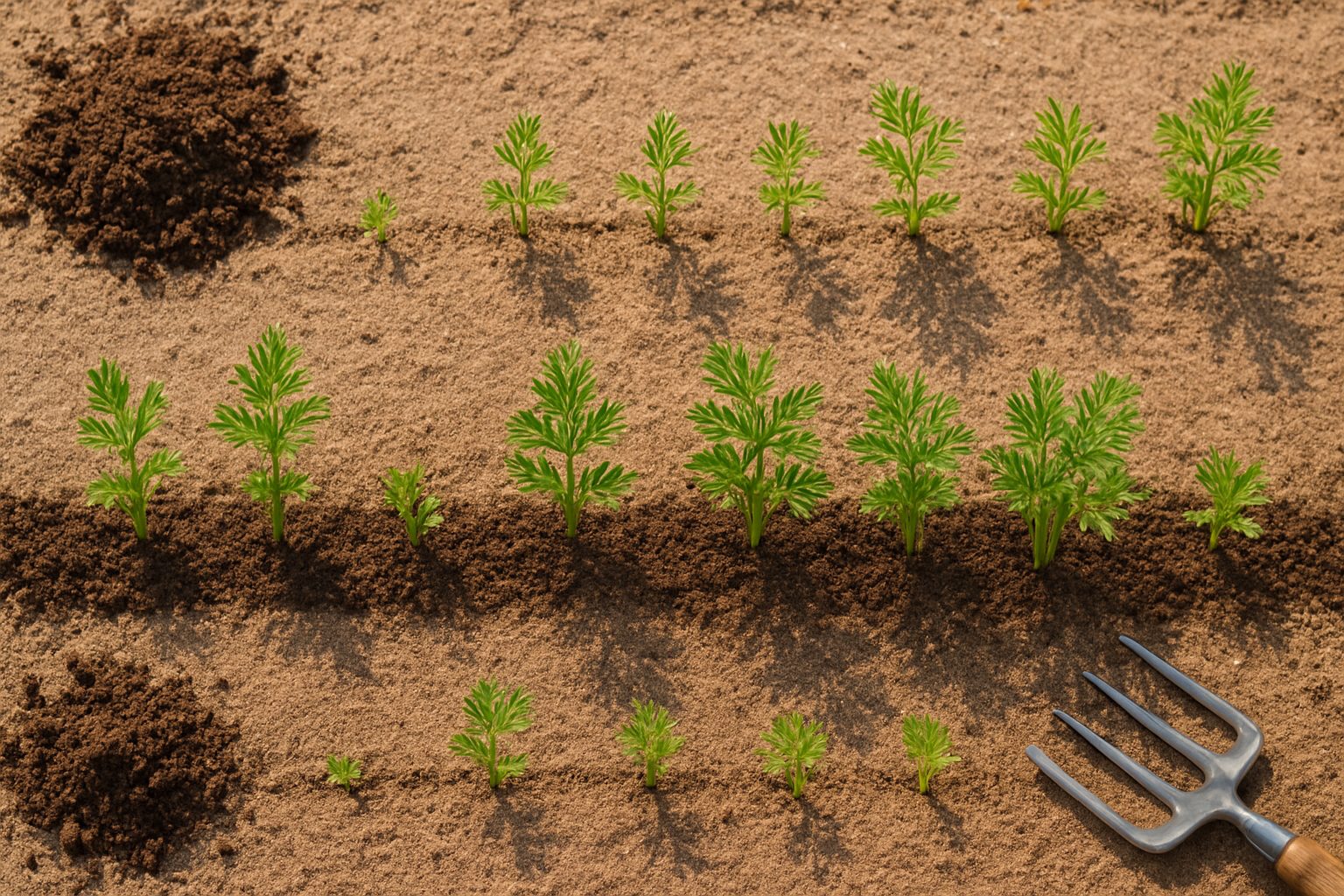
Growing carrots that pack a punch of flavor starts with giving them the right environment. Choose a sunny spot in your garden that gets at least six hours of light daily—carrots thrive on sunshine for natural sweetness.
Before planting, loosen your soil deeply and remove any rocks or clumps; a sandy, well-drained bed is best, as heavy or compacted soil leads to forked and stubby roots. Mix in compost, but avoid manure, which can cause carrots to split.
Sow seeds thinly in rows about a quarter inch deep and two inches apart—carrot seeds are tiny, so try mixing them with sand to spread them evenly. Once seedlings sprout to about two inches tall, thin them out to about two inches apart; crowded carrots don’t grow big or develop their best flavor.
Keep soil consistently moist but not soggy, watering gently several times per week, especially during dry spells. Watch for common pests like carrot flies; thin seedlings in the evening when pests are less active and use row covers if needed.
For healthier roots, rotate where you plant carrots each year and avoid over-fertilizing.
Harvest when the carrots are mature—usually about two to three months after sowing, depending on variety. Use a garden fork to gently loosen soil and lift carrots without breaking them. Pick them in the morning for the sweetest flavor, and don’t wait too long to harvest—overgrown carrots can become woody and bitter.
With a little care and attention, you’ll enjoy snappy, deeply flavored carrots straight from your garden.
Tips for Enjoying and Storing Your Harvest
Freshly harvested carrots are a treat straight from the garden—enjoy them raw as a quick, crunchy snack or slice them into salads for a burst of sweetness and color. For a cozy side dish, toss carrots with olive oil, salt, and your favorite herbs, then roast them in the oven until caramelized.
If you have a big haul, juicing is a great way to use up a bunch and packs plenty of nutrition into a glass.
To keep your carrots fresh for weeks or even months, try storing them in the fridge: trim off the greens (which draw out moisture), place the carrots in a perforated bag, and keep them in the crisper drawer. If you have a cool basement or root cellar, bury carrots in a box filled with damp sand to maintain freshness.
In areas with mild winters, you can even leave carrots in the ground, covering them with straw and harvesting as needed.
For gardeners who love heirloom varieties, select your healthiest carrots to save seeds or roots—just let them flower and seed next season, ensuring a continuous cycle of delicious homegrown carrots for years to come.