Introduction to Growing Cabbage
Fertilizing cabbage is a crucial step toward growing those crisp, flavorful heads that grace so many home gardens and dinner tables worldwide. As a robust cool-season vegetable, cabbage has won fans from Asia to Europe with its adaptability, hearty yield, and remarkable resilience to cooler temperatures—a true staple in both backyard plots and bustling marketplaces across the globe.
Whether you’re a seasoned gardener or a curious beginner, cultivating cabbage at home offers a rewarding array of benefits: it’s packed with vitamins C and K, fiber, and antioxidants, all while serving as a versatile base for slaws, soups, stir-fries, and ferments. Imagine plucking fresh, pest-free cabbage from your own garden beds, knowing exactly how it was grown and delighting in the boost it lends to hearty winter dishes or tangy sauerkraut.
In this comprehensive guide, we’ll walk you through the essential steps to fertilizing cabbage for bigger, healthier heads. You’ll discover how to select the right soil amendments tailored to your garden’s unique conditions, determine the best timing and methods for feeding your cabbage, and understand signs of nutrient deficiency before they become problems. We’ll also share practical techniques for balancing organic and conventional fertilization, touch on watering tips for maximizing uptake, and offer troubleshooting advice for common cabbage-growing challenges.
By following these tried-and-true tips—gleaned from home gardeners and experts alike—you’ll be set up for a season of exceptional harvests, whether you plan to toss your cabbage into bright salads or simmer it in heartwarming stews. Get ready to transform your cool-season beds into a haven for lush, vibrant cabbages, all starting with smart, effective fertilization.
Choosing the Right Cabbage Variety and When to Plant
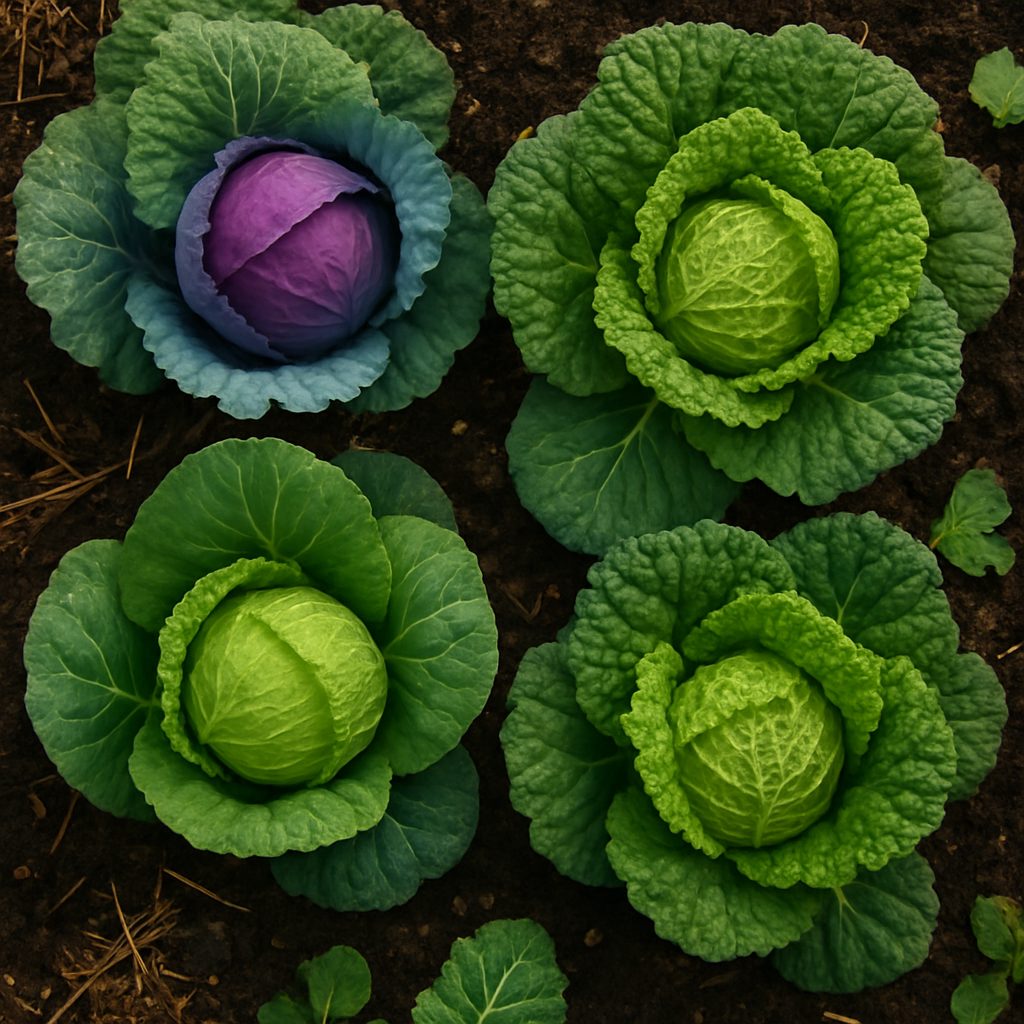
When selecting cabbage for your garden, start by understanding the four main types: green, red, savoy, and napa. Green cabbage is the most common, perfect for coleslaw and stir-fries, with dense, crisp heads. Red cabbage is similar in texture but offers a vibrant color and earthy flavor, ideal for salads and pickling. Savoy cabbage features crinkled, tender leaves that make it great for wraps or light sautés. Napa, also called Chinese cabbage, has oblong, pale green leaves and a milder taste, making it a staple in Asian cuisine and terrific for kimchi.
Your local climate and what you plan to cook should guide your choice. For cooler, northern climates, green and savoy varieties are reliable in both spring and fall plantings since they tolerate frost well. In warmer regions, napa and red cabbage perform better during milder, shoulder seasons because they bolt in the heat.
Decide between sowing seeds directly in the garden or starting with transplants. Transplants are usually preferred for spring crops, allowing you to get a head start indoors 6-8 weeks before your last frost, then set seedlings out as soon as daytime highs average 50-65°F (10-18°C). For fall harvests, sow seeds outdoors directly in midsummer—timing is key, as cabbages need about 70–100 days to mature, depending on the variety.
In the north, direct sow or transplant early in spring or late summer for a fall crop; in the south, fall and even winter plantings often thrive best. Check your seed packet for specific maturity dates, and keep in mind: the goal is to have heads mature when the weather is cool (ideally below 75°F/24°C). This helps ensure sweet, crisp leaves and reduces the risk of bolting or bitter flavors.
By aligning your cabbage type, planting method, and timing with your region’s unique conditions, you’ll set yourself up for a successful—and delicious—harvest.
Soil Preparation and Optimal Planting Conditions
Getting your soil ready is the foundation of a successful garden. Start by choosing a site with plenty of sunlight—at least six to eight hours per day is ideal for most vegetables and flowering plants. The best soil is loamy, meaning it has a balanced mix of sand, silt, and clay. It should drain well while still retaining enough moisture for roots.
Adding compost or well-rotted manure increases organic matter, boosts fertility, and improves both texture and water retention. Aim for a soil pH between 6.0 and 7.0, which suits most crops; test with an at-home kit and adjust with lime to raise the pH or sulfur to lower it as needed.
Begin soil preparation a few weeks before planting: clear weeds and debris, then loosen the soil to a depth of at least 8 to 12 inches using a shovel or tiller, breaking up clods so roots can easily grow. Mix in two to three inches of compost and a balanced fertilizer according to package instructions, or base your choices on a soil test for more precise nutrient amendments.
If you’ve grown a similar crop in the spot before, try rotating to a different plant family this season—rotating crops helps interrupt disease cycles and balances nutrient use in the soil, reducing pest issues naturally.
When planning your layout, provide enough space for airflow and growth: follow seed packet or plant tag recommendations, but as a general rule, set vegetable plants 12 to 24 inches apart in rows spaced 18 to 36 inches apart. Give sprawling plants, like tomatoes or squash, extra space so they’re not crowded.
These steps ensure your garden starts with a healthy foundation, translating to stronger plants and better yields.
Planting and Early Care of Cabbage
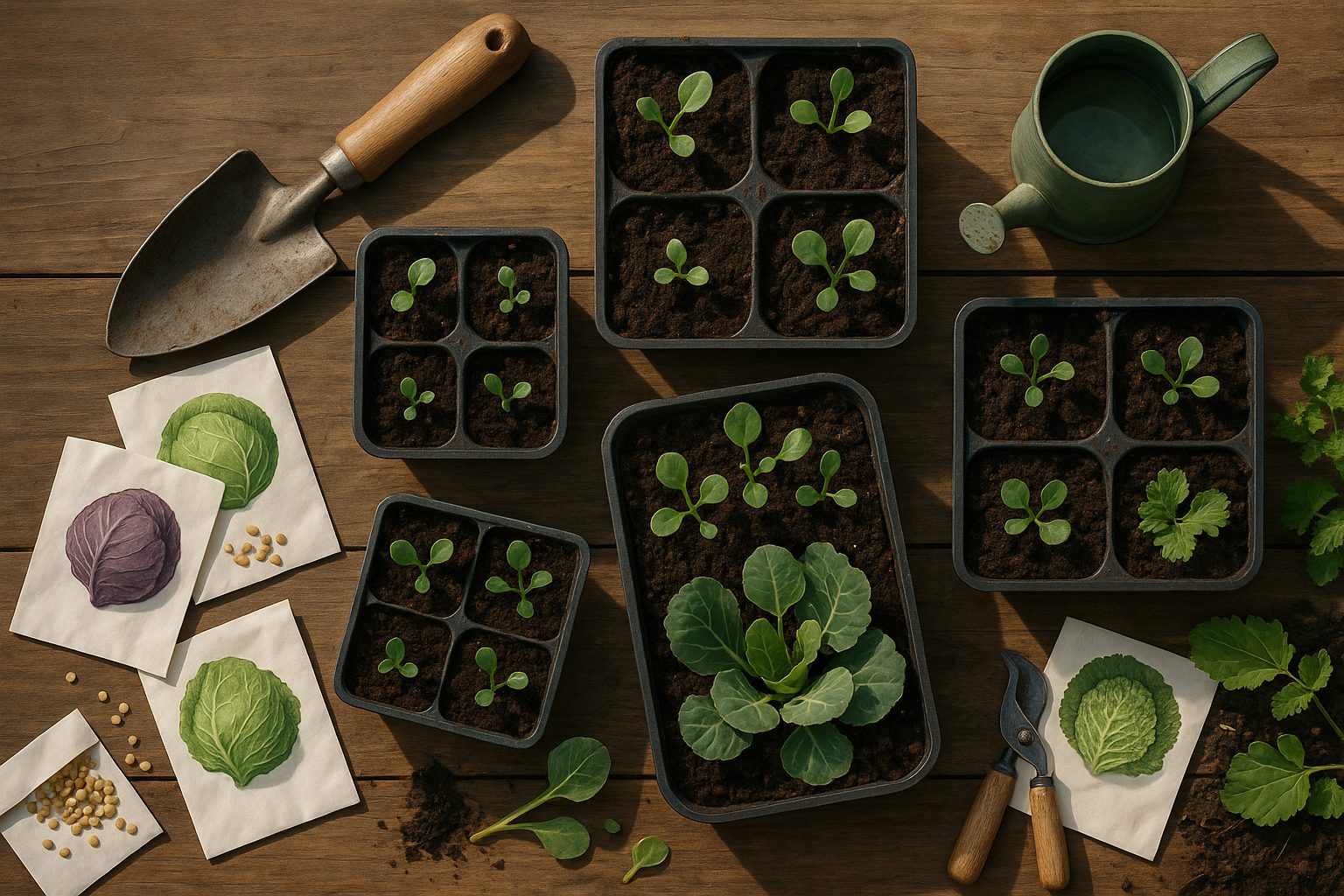
When starting cabbage from seed, you have several sowing options depending on your climate and available growing space. For the best head start, sow seeds indoors about 6-8 weeks before the last expected frost, planting them in trays or pots at a depth of 1/4 inch. Keep the soil moist and warm—around 70°F—for quick germination.
Once seedlings have at least two true leaves and outdoor conditions have settled, harden them off gradually before transplanting outdoors. Space each plant 12-18 inches apart in rows 18-24 inches apart to give mature heads plenty of room.
If you prefer direct outdoor sowing, wait until soil temperatures reach at least 50°F. Sow seeds 1/2 inch deep, aiming for similar final spacing by thinning the seedlings as they grow.
Water newly sown seeds and young plants consistently, ensuring the soil stays evenly moist but not waterlogged. To make irrigation more effective and reduce watering frequency, spread an organic mulch like straw or shredded leaves around the cabbage. This not only locks in moisture but also helps suppress weeds that compete for nutrients and water.
Early pest protection is crucial; cabbage is a favorite of cabbage worms, aphids, and flea beetles. As soon as you transplant or your seeds have sprouted, cover the bed with floating row covers or fine netting. This physical barrier prevents adult insects from laying eggs on the leaves without using chemicals.
Secure the edges of covers to prevent gaps, and adjust them as plants grow taller.
By combining proper sowing, thoughtful watering, strategic mulching, and proactive pest defenses, your cabbage crop will get a healthy, productive start.
Caring for Growing Cabbage: Watering, Fertilizing & Problem Prevention
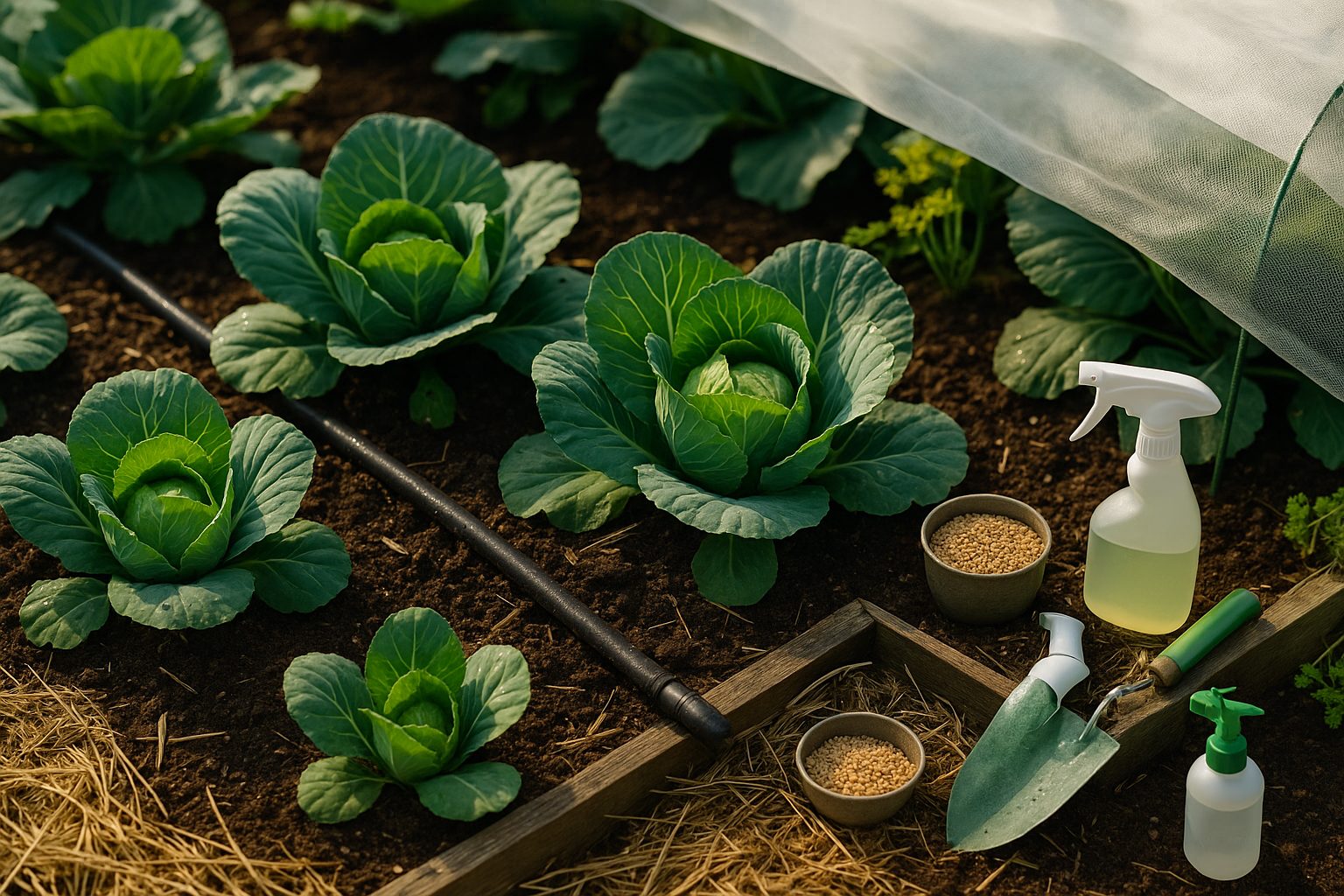
Caring for cabbage from seedling to harvest involves attention to watering, fertilizing, and protecting against pests and diseases. A few smart routines can make all the difference.
Start by keeping your cabbage beds consistently moist—aim for about 1–1.5 inches of water per week, delivered as regular, shallow waterings rather than deep, infrequent soaks. Drip irrigation or a soaker hose is ideal because it keeps foliage dry, helping to prevent fungal diseases like mildew and black rot.
For lush, leafy growth, feed your cabbage every 3–4 weeks with a balanced fertilizer high in nitrogen, such as a 10-5-5 NPK ratio, or use well-rotted compost worked into the soil. Liquid fish emulsion or seaweed extract are excellent organic options that boost nutrients without burning tender roots. Avoid over-fertilizing with phosphorus and potassium early on, as too much can lead to small heads or excessive outer leaves.
Throughout the growing season, remove any yellowed or damaged lower leaves to promote airflow around the base of each plant. This helps discourage pests and disease spores from settling in. Keep beds weed-free and mulch around plants to lock in moisture and deter soil-borne problems.
Managing Pests
Regularly inspect your cabbage for aphids, cabbage loopers, or cabbage worms—tiny green caterpillars that chew irregular holes in leaves. Handpick any pests you spot, spray with neem oil, or introduce beneficial insects like ladybugs and parasitic wasps. Row covers create a physical barrier against moths and flea beetles but remember to remove them during flowering so pollinators can access your garden.
Preventing Diseases
Look out for signs of clubroot and black rot—yellowing, stunted growth, or slimy stems—and immediately pull affected plants to stop the spread. Crop rotation—planting cabbage families (Brassicas) in new spots each year—also helps starve out soil-borne pathogens.
With steady moisture, balanced feeding, and preventive care, your cabbage heads will have the best chance of thriving—crisp and pest-free—all season long.
Harvesting and Storing Cabbage
Knowing when to harvest your cabbage is key to preserving both flavor and texture. Look for firm, dense heads with crisp outer leaves—if you gently squeeze the head and it feels solid, it’s ready. Harvest in the morning or evening when temperatures are cooler to reduce wilting and stress on the plant.
To pick, use a sharp knife to cut the head at its base, leaving a few outer leaves and the roots behind if you want the plant to sprout smaller, secondary heads later. Handle heads gently to prevent bruising, as damaged leaves can lead to early spoilage.
Before storing, remove any loose or damaged outer leaves and let the heads dry out for a few hours in a cool, shaded place.
Short-term Storage
For short-term storage, place unwashed cabbage in the crisper drawer of your refrigerator, where it can last up to two months if kept between 32-40°F and high humidity.
Root Cellar Storage
In a root cellar, hang heads upside-down or keep them on shelves spaced apart, maintaining similar cool temperatures and humidity. Avoid stacking, as tight spaces encourage rot.
Long-term Preservation
For longer preservation, try pickling cabbage slices in a vinegar brine for crunchy results, or fermenting for homemade sauerkraut, which brings probiotics and tangy flavor. In either case, always use sterilized jars and check for off smells or odd textures in your cabbage preserves.
With these storage and preservation tips, you can enjoy your homegrown harvest for months.
Troubleshooting Common Cabbage Problems & FAQs
Cabbage is a rewarding crop, but it can sometimes frustrate gardeners with issues like split heads, poor head formation, and bolting (premature flowering).
Split heads usually occur after heavy rain following a dry spell; to minimize this, keep your cabbage beds evenly moist by mulching and watering consistently.
If heads aren’t forming well, check that your cabbages have enough space—plant them 12 to 24 inches apart, ensure they get at least six hours of sunlight daily, and feed them with balanced fertilizer every few weeks.
Bolting can be caused by sudden temperature swings or planting too early—always wait until the soil warms up in spring and choose bolt-resistant varieties if your season is unpredictable.
Pests are another headache, but for cabbage worms, handpick them early in the morning and use row covers to protect young plants. Organic sprays like neem oil or Bacillus thuringiensis (Bt) work well against worms, while aphids can often be knocked off with a strong water spray or controlled with insecticidal soap. For extra prevention, encourage beneficial insects like ladybugs and lacewings.
Frequently Asked Questions
Can you grow cabbage with other crops? Yes! Cabbage pairs well with onions, dill, and nasturtiums, which help repel pests.
Can you grow cabbage in containers? Absolutely! Just use a pot at least 12 inches wide and deep, and keep the soil moist and rich.
What kind of yield can you expect? Under good conditions, each cabbage plant typically produces one firm head, weighing anywhere from 2 to 5 pounds, within about 70-100 days, making them a satisfying choice for any home vegetable garden.