Introduction
Aphids on arugula can quickly turn your crisp, peppery greens into a gardener’s headache. Arugula, a favorite in salads and backyard plots alike, is cherished for its bold flavor and fast-growing habit—but, unfortunately, its tender leaves attract a host of hungry pests. Of all the tiny threats, aphids are among the most persistent and damaging.
If left unchecked, these minuscule insects can sap nutrients from your crop, leaving behind curled or yellowing foliage and sticky residue. That’s why spotting and managing pests is crucial if you want to enjoy healthy, thriving arugula.
In this post, we’ll guide you through the essentials of pest identification—how to spot aphids and other common invaders, distinguish the telltale signs of their damage, and understand why prompt action matters. You’ll also find practical tips for prevention and a range of control methods, from gentle home remedies to more robust interventions.
Whether you’re growing a small pot on your balcony or tending a backyard bed, mastering the basics of pest management will help ensure your arugula stays vibrant and flavorful all season long.
Recognizing Common Arugula Pests
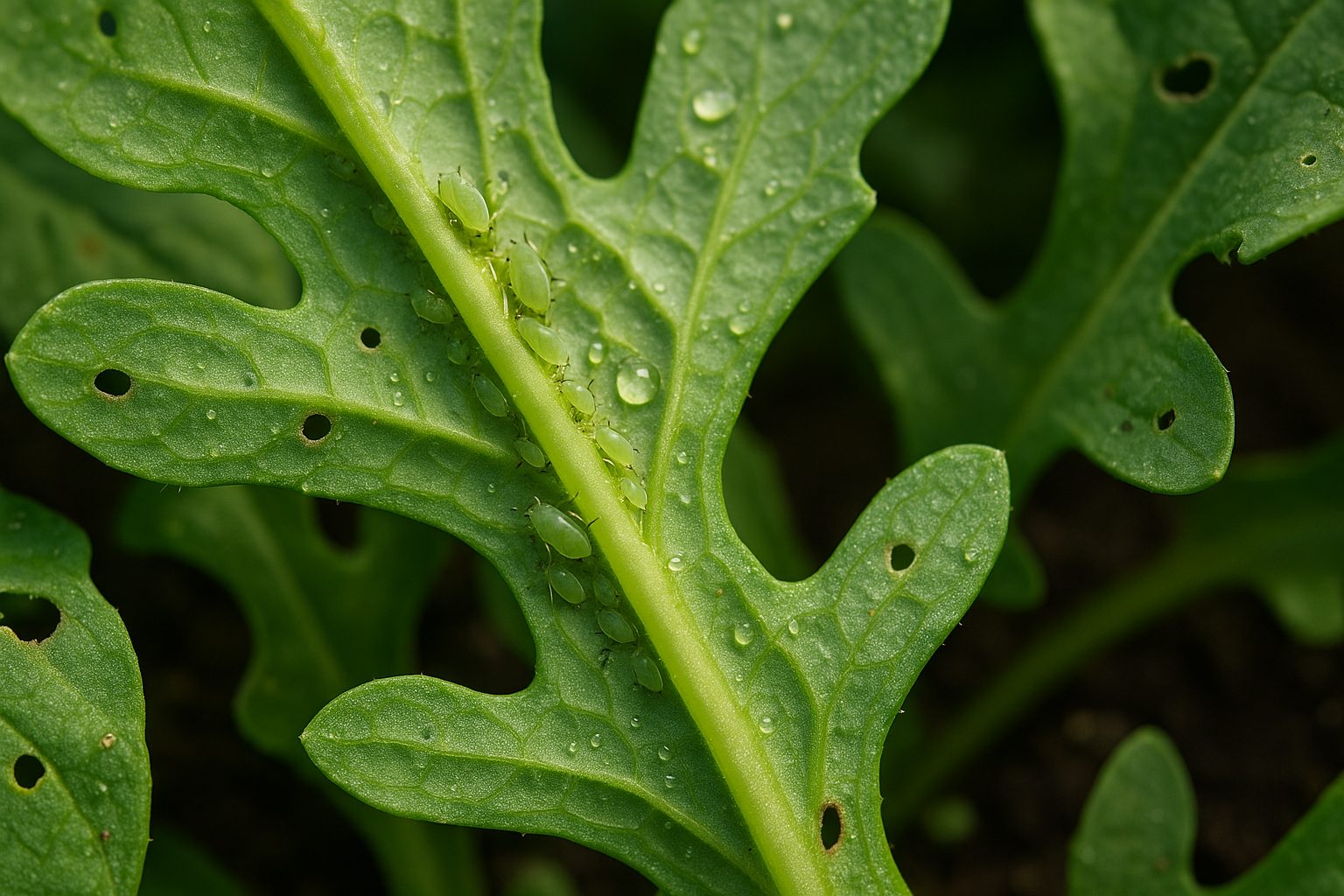
When growing arugula, spotting pest problems early can help you protect your crop and enjoy healthy greens. The most common pests you’ll encounter are aphids, flea beetles, leaf miners, and caterpillars, each with their own telltale signs.
Aphids are tiny—usually less than 1/8 inch—and pear-shaped. They cluster on the undersides of leaves and stems and can be green, black, or even pinkish. They leave behind a sticky residue called honeydew, which may attract ants or encourage mold growth.
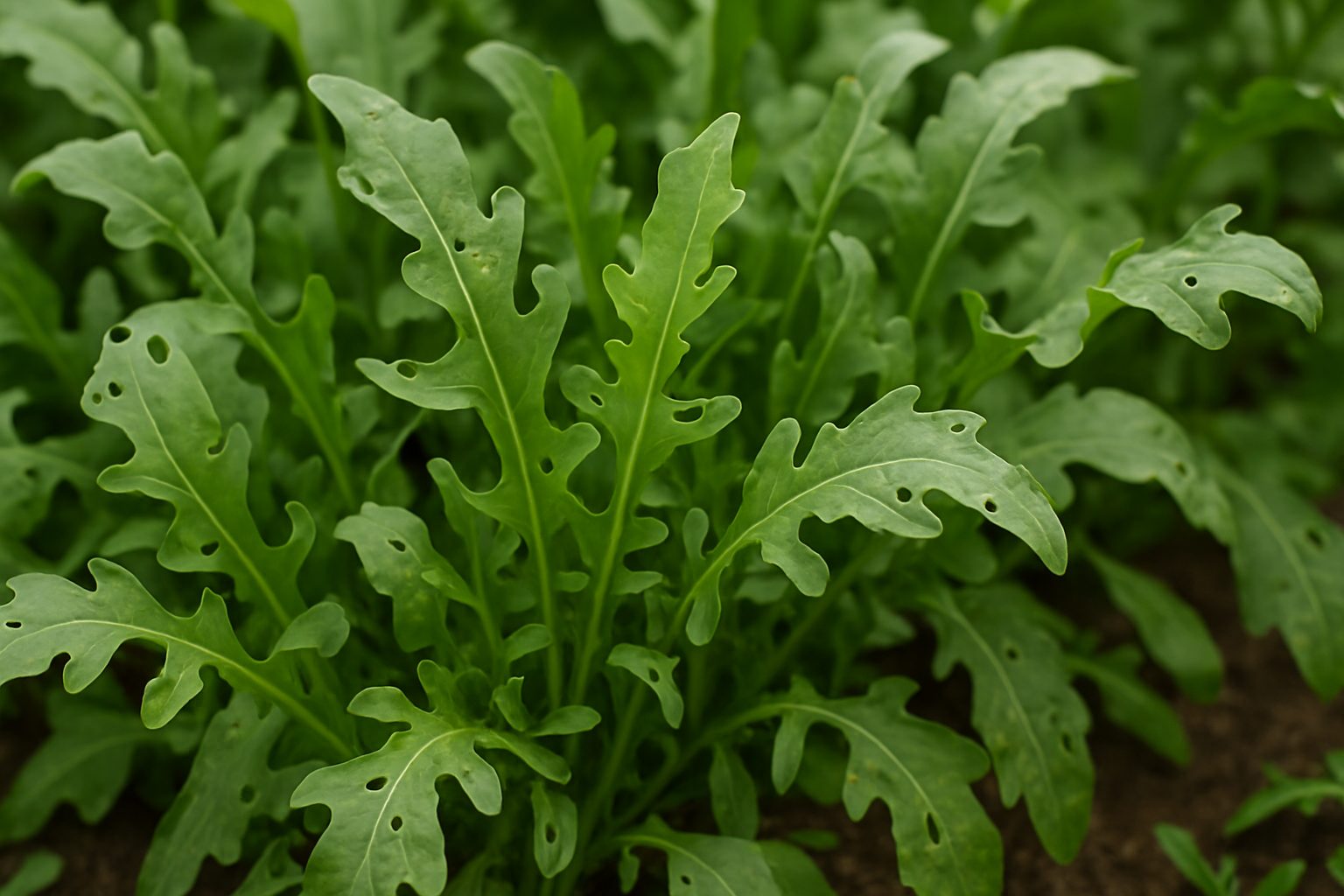
Flea beetles are very small, often metallic black or bronze, and known for their impressive jumping ability. The easiest way to identify their presence is by the small, round holes they chew through arugula leaves, giving the greens a “shotgun” appearance.
Leaf miners are actually the larvae of small flies and are rarely seen themselves, but they leave distinct winding, whitish trails or blotches in the leaf tissue as they eat from the inside out.
Caterpillars, such as those from cabbage moths or loopers, are soft-bodied and green. You might notice dark frass (droppings) on leaves, larger ragged holes, or even see the pests hiding on the undersides of the leaves.
Indirect signs like sticky patches, fine webbing, or sudden wilting can also point to pest activity. Regularly inspecting your arugula—checking both sides of leaves and especially any new growth—will help you catch problems sooner.
If you spot damage but can’t see bugs, use a hand lens and pay close attention to leaf edges and undersides, as pests often hide during the day. Early detection allows you to act quickly, whether by handpicking, using row covers, or employing organic treatments to keep your arugula patch thriving.
Typical Signs of Pest Damage on Arugula
Spotting pest damage early on your arugula can make all the difference in saving your crop. The most common visible signs include chewed holes in the leaves, often caused by flea beetles—tiny black or bronze bugs that love to munch on young arugula.
You might also notice yellowing or curling leaves, classic symptoms of aphid infestations. These small, soft-bodied insects feed on the sap of arugula and leave behind a sticky residue called honeydew, which can attract sooty mold. Sometimes, leaf miners tunnel inside the leaves, creating winding, white “tracks,” while larger caterpillars skeletonize leaves by eating all the green tissue and leaving only the veins behind. Stunted growth or warped leaves may signal root-knot nematodes beneath the soil.
To catch these issues before they get out of control, check the undersides of leaves at least twice a week—many pests hide out of sight. Look closely for eggs, larvae, or clusters of tiny insects, and gently shake the plants to see if small bugs drop off. Regular inspections at different times of the day, especially early in the morning or late afternoon when pests are most active, help catch early stages of damage.
Keep an eye out for any subtle changes in leaf color or shape, as these can be the first clues before more dramatic damage appears. By responding quickly to unusual signs, you can often nip a pest problem in the bud and protect your arugula for a full harvest.
Natural & Preventive Strategies to Protect Your Arugula
Protecting your arugula from pests and diseases starts with a proactive approach using natural, preventive strategies. Start by using lightweight row covers, especially in spring and early summer, to shield your plants from common pests like flea beetles and aphids. These covers allow sunlight and water to pass through but keep invaders out.
Companion planting is another powerful tool; plant arugula near herbs like dill, cilantro, or basil, which can confuse pests and attract natural predators. rotating your crops every season is also crucial—avoid planting arugula or other leafy greens in the same spot two years in a row, as this interrupts the life cycle of soil-borne pests and diseases.
Maintaining healthy, well-drained soil with plenty of organic matter makes your arugula more resilient. Healthy plants are naturally more resistant to stressors, so enrich your beds with compost and avoid overwatering. Good garden hygiene is equally important—promptly remove dead leaves and plant debris to eliminate hiding spots for pests and pathogens, and clean tools between uses to prevent disease spread.
Lastly, encourage beneficial insects like ladybugs, lacewings, and hoverflies by keeping a diverse garden with flowering plants nearby. These helpful bugs will keep harmful pests in check and can boost pollination, resulting in a healthier, more productive patch of arugula.
By combining these strategies, you can enjoy robust arugula greens while minimizing the need for chemical interventions.
Effective Treatments for Arugula Pest Infestations
When tackling pest infestations on arugula, starting with simple, non-chemical methods can be very effective. For small gardens or light infestations, hand-picking pests like flea beetles or caterpillars early in the morning and dropping them into soapy water is a straightforward, eco-friendly option.
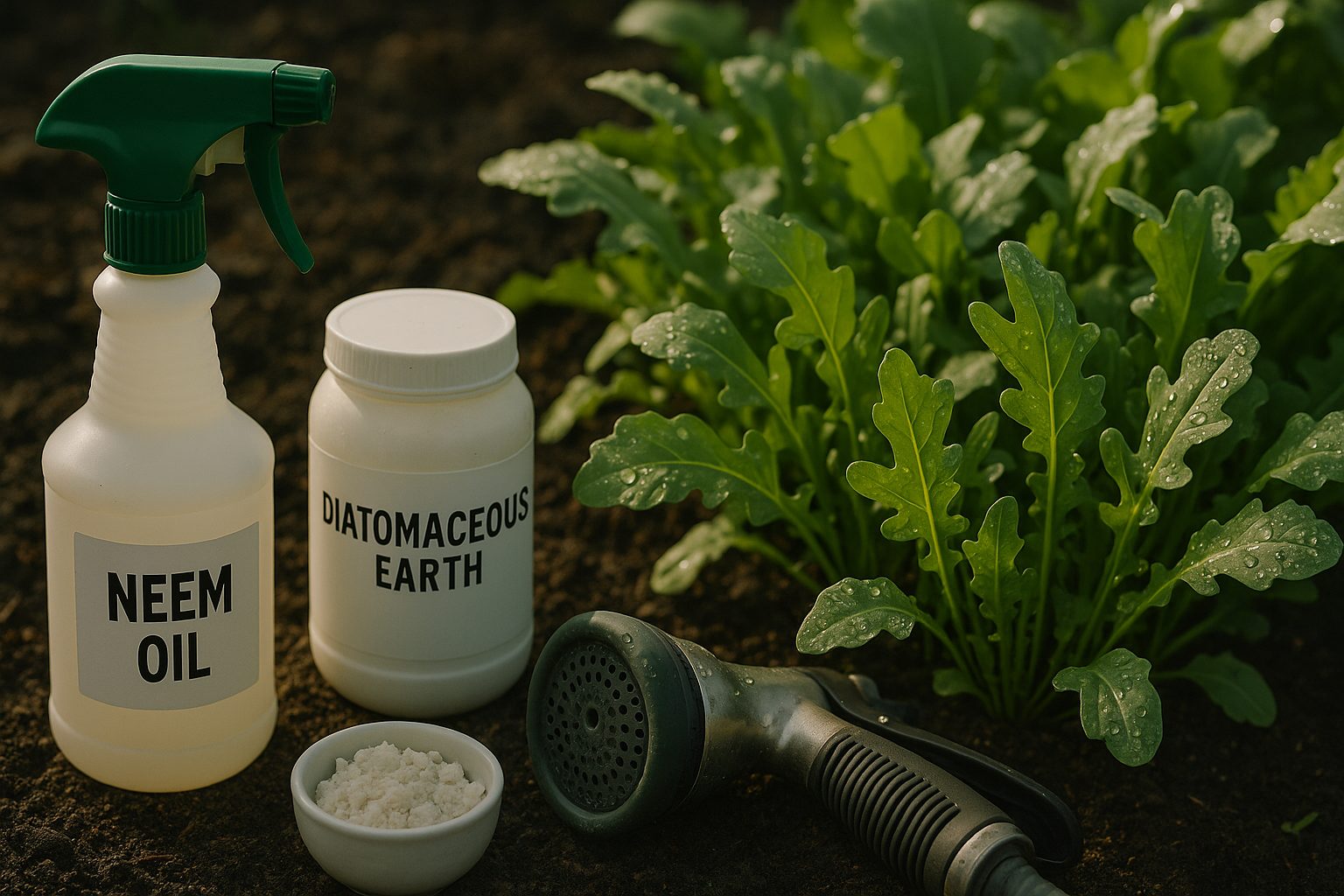
You can also use a strong blast of water from your hose to dislodge aphids and other soft-bodied insects from the leaves—just be sure to do this in the morning so your plants have time to dry out.
For a more robust organic approach, try spraying neem oil or insecticidal soap directly onto affected areas; these treatments are safe for most beneficial insects when used properly and break down quickly in the environment.
Another option is to sprinkle food-grade diatomaceous earth around the base of your plants to deter crawling pests, but avoid applying it when the foliage is wet, as moisture can reduce its effectiveness.
While chemical pesticides may be tempting for heavy infestations, exercise caution—they can harm pollinators and beneficial bugs that help manage pests naturally. Reserve chemical treatments as a last resort, and always choose products specifically labeled as safe for edible crops, following all safety instructions closely.
By staying vigilant and combining these methods, you can defend your arugula crop from pests without resorting to harsh chemicals.
Ongoing Monitoring and Seasonal Management
Ongoing monitoring is essential for effective pest management throughout the growing season. Make it a habit to inspect your plants at least once a week, checking both the tops and undersides of leaves for signs of pests or damage. Early detection is key—spotting aphids, caterpillars, or fungal spots before they spread allows you to act quickly, minimizing plant stress and reducing the need for stronger interventions later on.
Keep a simple notebook or digital log to track what you’re seeing: note dates, the type and number of pests found, and any actions you take. This record doesn’t just help you remember what worked; it can also reveal patterns, like which crops attract certain pests or whether issues pop up after rain.
At the end of the season, tidy up garden beds by removing spent plants and debris, since many pests overwinter in leftover foliage. Consider rotating crops and deep-cleaning tools to break up pest life cycles. A little attention now, combined with a well-kept record, goes a long way toward reducing problems in the seasons to come.
By making regular monitoring and documentation routine, you’ll stay ahead of pest issues and nurture a healthier, more productive garden year after year.
Conclusion
Effective pest management is crucial for healthy, thriving arugula, and it starts with keeping a close eye on your plants. As we’ve discussed, regular inspections help you spot early signs of pests like flea beetles or aphids, allowing you to act quickly before they spread.
Combining different strategies—such as rotating crops, introducing beneficial insects like ladybugs, using row covers, and keeping your garden clean—forms the backbone of integrated pest management (IPM). This holistic approach reduces the need for chemical pesticides and supports long-term garden health.
Remember, early intervention often makes the difference between a minor issue and an infestation that ruins your crop. Don’t wait until leaves are riddled with holes; taking swift, practical steps not only protects your arugula but also makes gardening much less stressful.
Every garden is unique, so be patient and adjust your tactics as you learn what works best in your space. If you have questions, tips, or stories about your own pest battles, I’d love to hear from you—sharing experiences builds a stronger gardening community.