Introduction
Dealing with arugula pests can be a frustrating challenge for even the most dedicated gardeners, as these tiny invaders can quickly damage or ruin your leafy greens. Healthy arugula not only tastes better but also packs more nutrients, making pest control crucial to your garden’s success. In this article, we’ll walk you through how to spot the most common arugula pests, prevent infestations before they start, and use straightforward control methods that actually work. Whether you’re growing arugula in raised beds, pots, or directly in the ground, this guide offers clear tips and easy techniques to keep your plants thriving—all without any guesswork. Let’s get your arugula pest-free and flourishing!
Spotting Trouble: Signs of Arugula Pest Infestation
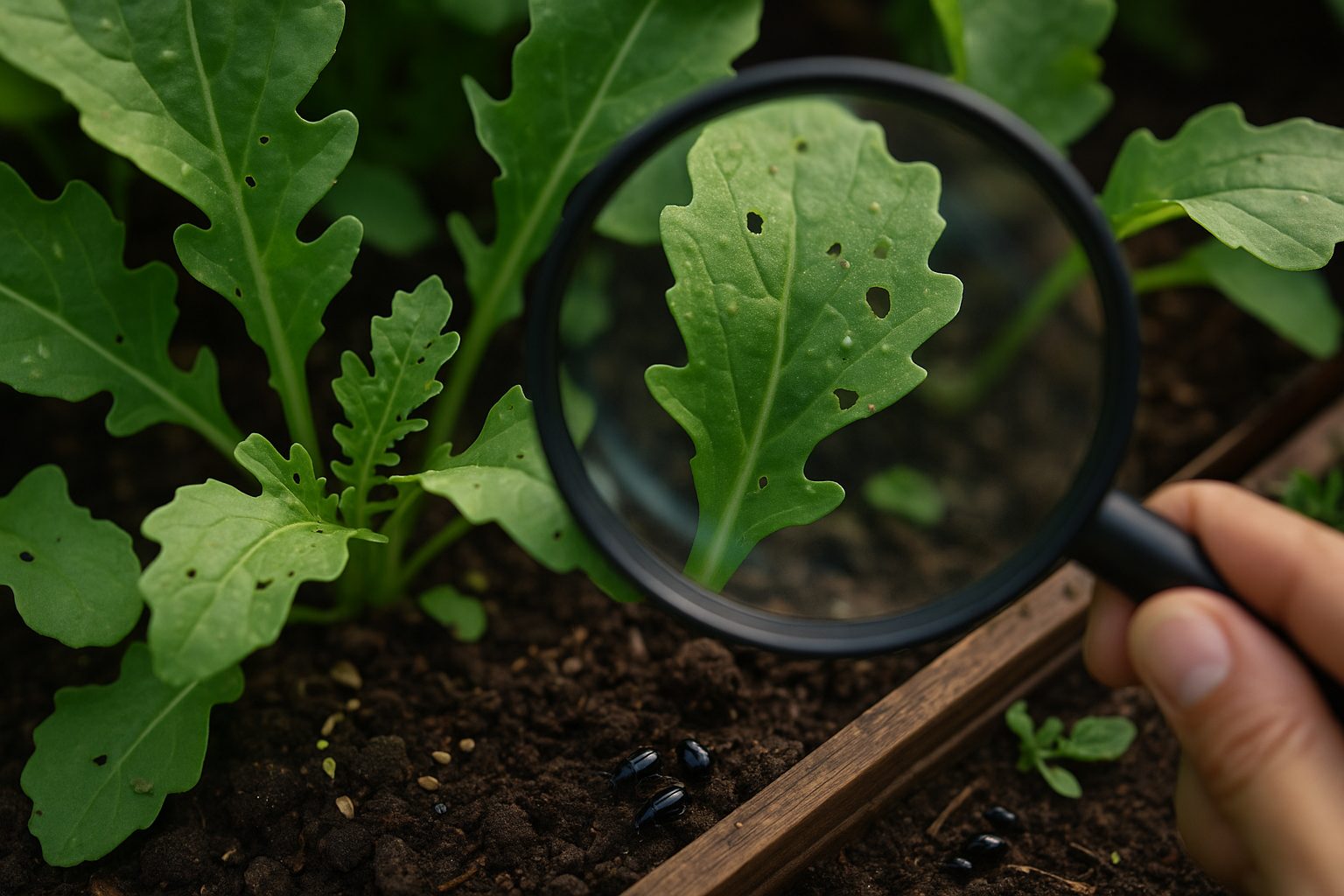
Keeping a close eye on your arugula patch is key to catching pest problems before they get out of hand. Signs that pests have moved in include small, irregular holes in the leaves, which might be left by flea beetles or caterpillars. You might also notice yellow or brown discoloration, leaf curling, or a sticky residue—all potential clues that aphids or other insects are feeding on your plants.
Stunted growth is another warning signal, as pests can sap energy from arugula, causing it to look weak or produce fewer leaves. The best time to inspect your arugula is early in the morning or late afternoon, when pests are most active and visible. Gently check the undersides of leaves, along stems, and in the soil around the base of the plant. Use a magnifying glass to spot tiny invaders.
Early detection is crucial, as catching these issues quickly makes it much easier to control pests without resorting to harsh chemicals, and helps ensure your arugula stays healthy and productive. Regular, quick inspections—just a few minutes every few days—can make all the difference in preventing an infestation from spreading.
Arugula’s Most Common Pests and the Damage They Cause
Arugula is a favorite leafy green among gardeners, but it’s also highly attractive to several persistent pests.
Aphids are tiny, pear-shaped insects often found clustered on the undersides of leaves. They suck plant sap and leave behind sticky residue; in large numbers, they can stunt growth and cause leaves to curl.
Flea beetles, recognizable by their small, black, shiny bodies and their habit of jumping when disturbed, pepper arugula leaves with tiny holes that can quickly merge into larger patches of damage.
Cabbage loopers are green caterpillars that inch along in a looping motion, chewing ragged holes into the foliage. If not caught early, their appetite can defoliate a plant in days.
Slugs, usually spotted by their slimy trails in the early morning or after rain, devour large chunks of leaf tissue, often leaving only the leaf veins behind.
Flea beetles and aphids are particularly notorious for how quickly they multiply; infestations can explode overnight, so regular inspection and fast action are crucial.
To spot problems early, check arugula plants frequently—especially the newest, most tender leaves—and look closely under the leaves and along the soil line.
When dealing with these pests, picking off cabbage loopers and slugs by hand or using barriers like floating row covers can be very effective, while a strong blast of water can help dislodge aphids.
Address visible pests promptly and consistently to prevent small issues from wiping out a beloved arugula patch.
Preventing Pests: Tips for Healthy, Resilient Arugula
Keeping your arugula patch pest-free starts with smart gardening habits. rotate your crops each season to confuse common pests and give the soil a break from hosting the same plant diseases. Space your arugula plants properly—good airflow around leaves helps reduce the risk of fungal problems and makes it harder for pests to settle in.
Watering at the base of the plants, instead of from above, keeps leaves dry and less attractive to unwanted insects. Healthy, nutrient-rich soil is your first defense; mixing in compost or organic matter supports strong plants that can resist pests naturally.
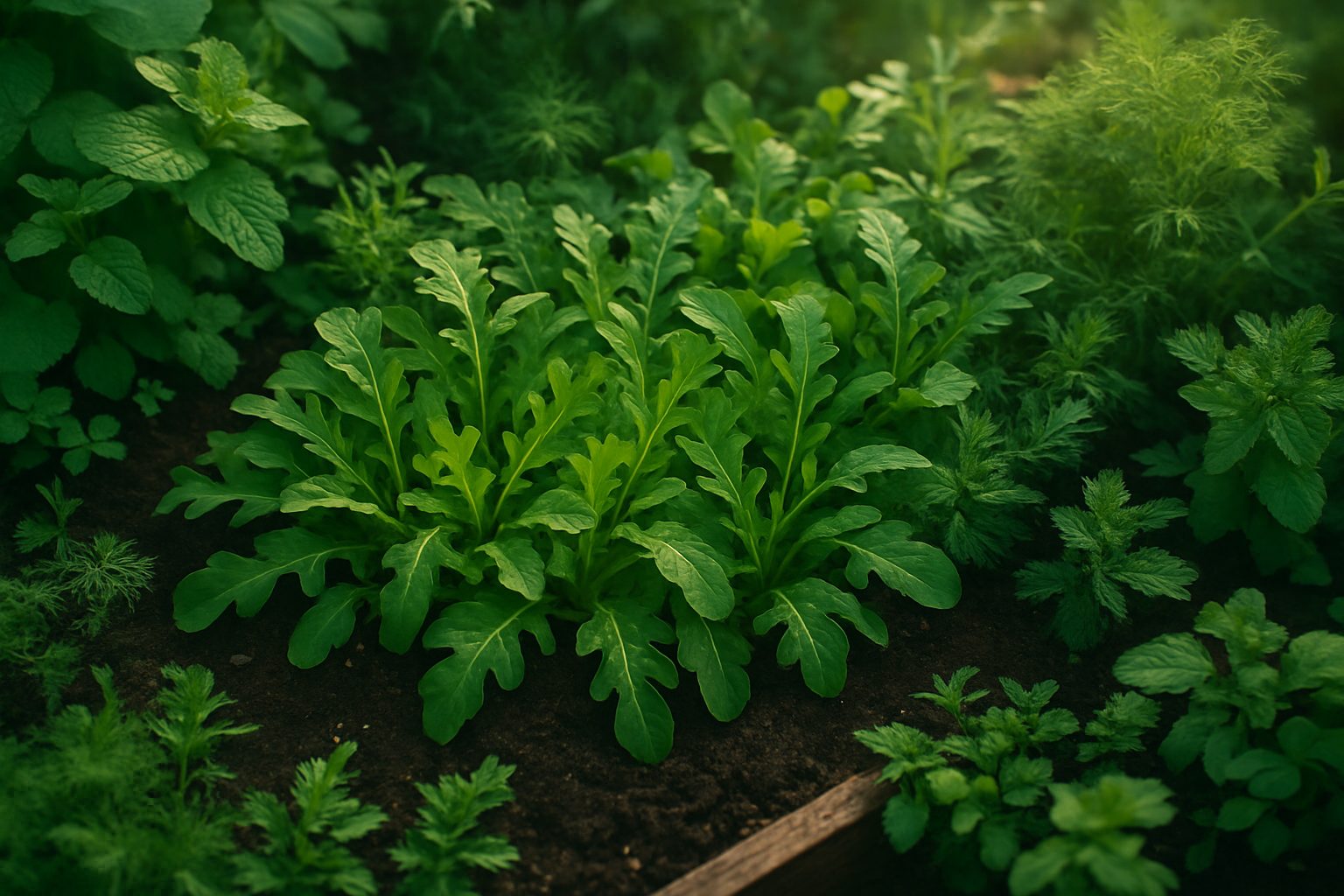
Try companion planting by growing arugula alongside herbs like dill or mint, which mask arugula’s scent and attract helpful insects such as ladybugs or lacewings that dine on aphids and other invaders. Encouraging a balanced garden ecosystem—by adding flowering plants, leaving some wild patches, or setting up insect hotels—invites beneficial bugs that act as natural pest patrols.
With these practical steps, you’ll create resilient, thriving arugula that stands up to pests without heavy-handed chemicals.
Natural and Organic Remedies for Arugula Pests
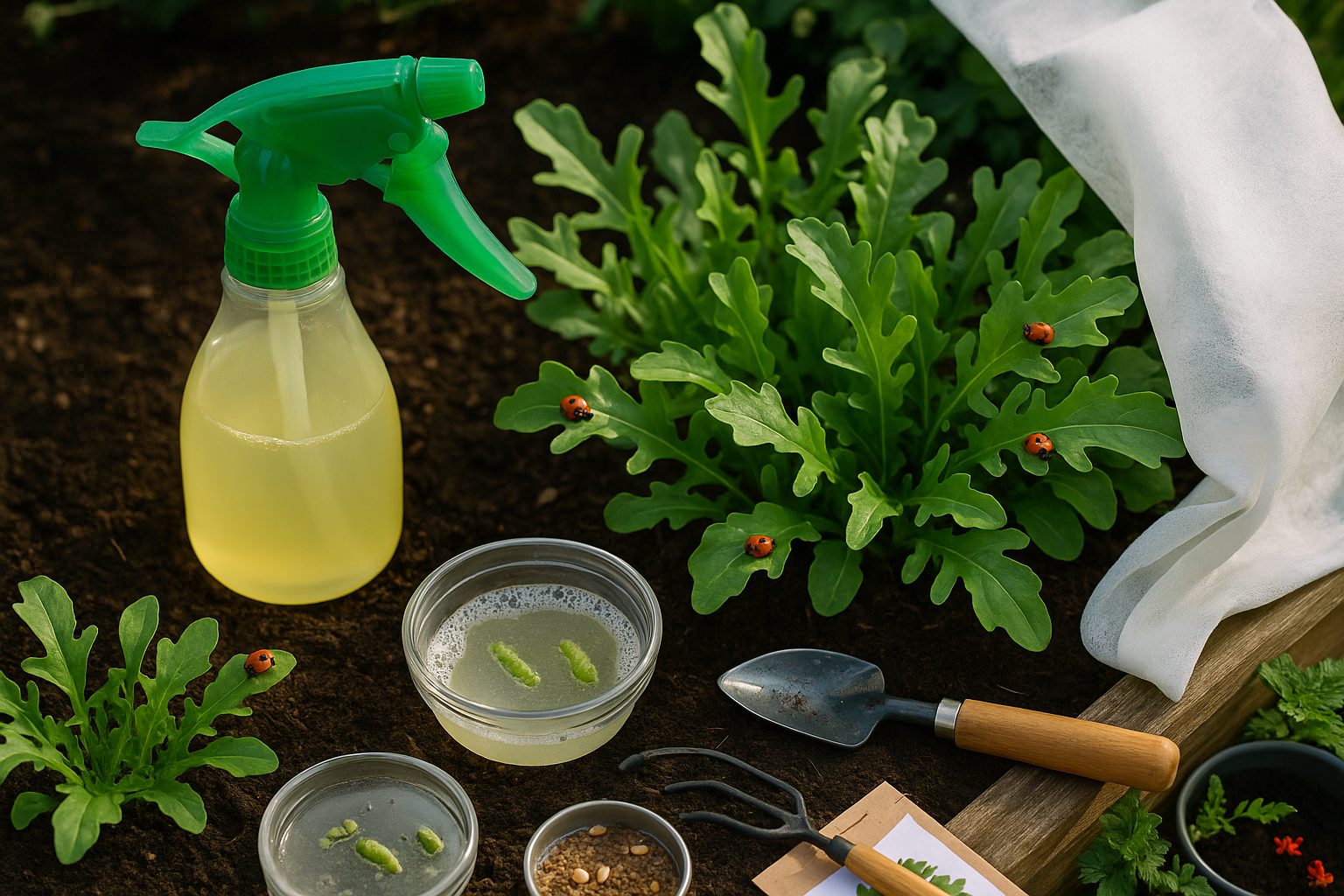
Protecting your arugula from pests doesn’t have to mean relying on harsh chemicals—there are plenty of natural and organic remedies that deliver results while keeping your garden healthy. Start simple by hand-picking visible pests such as caterpillars or flea beetles; drop them into a container of soapy water for easy disposal.
For soft-bodied insects like aphids, spraying plants with a gentle insecticidal soap or a diluted neem oil solution (typically 2 tablespoons neem oil per gallon of water) can effectively disrupt pests without harming the plant. Always spray these treatments early in the morning or late in the evening to avoid direct sun on wet leaves and to minimize impact on pollinators like bees, which are less active during these hours.
If you’re dealing with tiny, fast-moving pests such as flea beetles, lightweight row covers are an excellent physical barrier—just be sure to secure the edges to prevent bugs from sneaking underneath.
Keep in mind that even organic treatments can affect beneficial insects, so target applications directly to the undersides of leaves or wherever pests are most active, rather than broadly spraying the whole plant. By rotating methods and being strategic with your timing and placement, you’ll discourage pests while allowing helpful insects, like ladybugs and lacewings, to thrive and assist with natural pest control.
When to Take Stronger Action: Safe Use of Pesticides
Sometimes, even the most diligent gardeners face persistent pests that threaten to wipe out a crop or ornamental plants. If handpicking, barriers, or natural predators haven’t worked, using an organic or synthetic pesticide might be necessary as a last resort.
Before choosing a product, look for options labeled as “least toxic” or “OMRI Listed” for organic gardens—these typically pose less risk to pollinators and beneficial insects. Always read the label carefully to understand the correct mixing, timing, and application rates.
Apply pesticides only to affected plants or areas, never as a blanket treatment, and avoid spraying during windy days or when bees are active. This targeted approach helps safeguard other garden life and reduces the risk of chemical runoff.
Remember, spot-treating at the first sign of trouble is often more effective and safer than waiting until an infestation becomes overwhelming.
Conclusion & Ongoing Care: Keeping Your Arugula Pest-Free
Staying vigilant is key to keeping your arugula pest-free. Regularly inspect leaves, remove pests by hand, and use natural deterrents like neem oil or companion planting. Preventing problems before they start by maintaining healthy soil and proper spacing goes a long way.
Keep learning about your garden’s needs and adapt as you go. With a little ongoing care, you’ll enjoy a steady harvest of fresh, flavorful arugula right from your backyard. Your efforts will definitely pay off!