Introduction
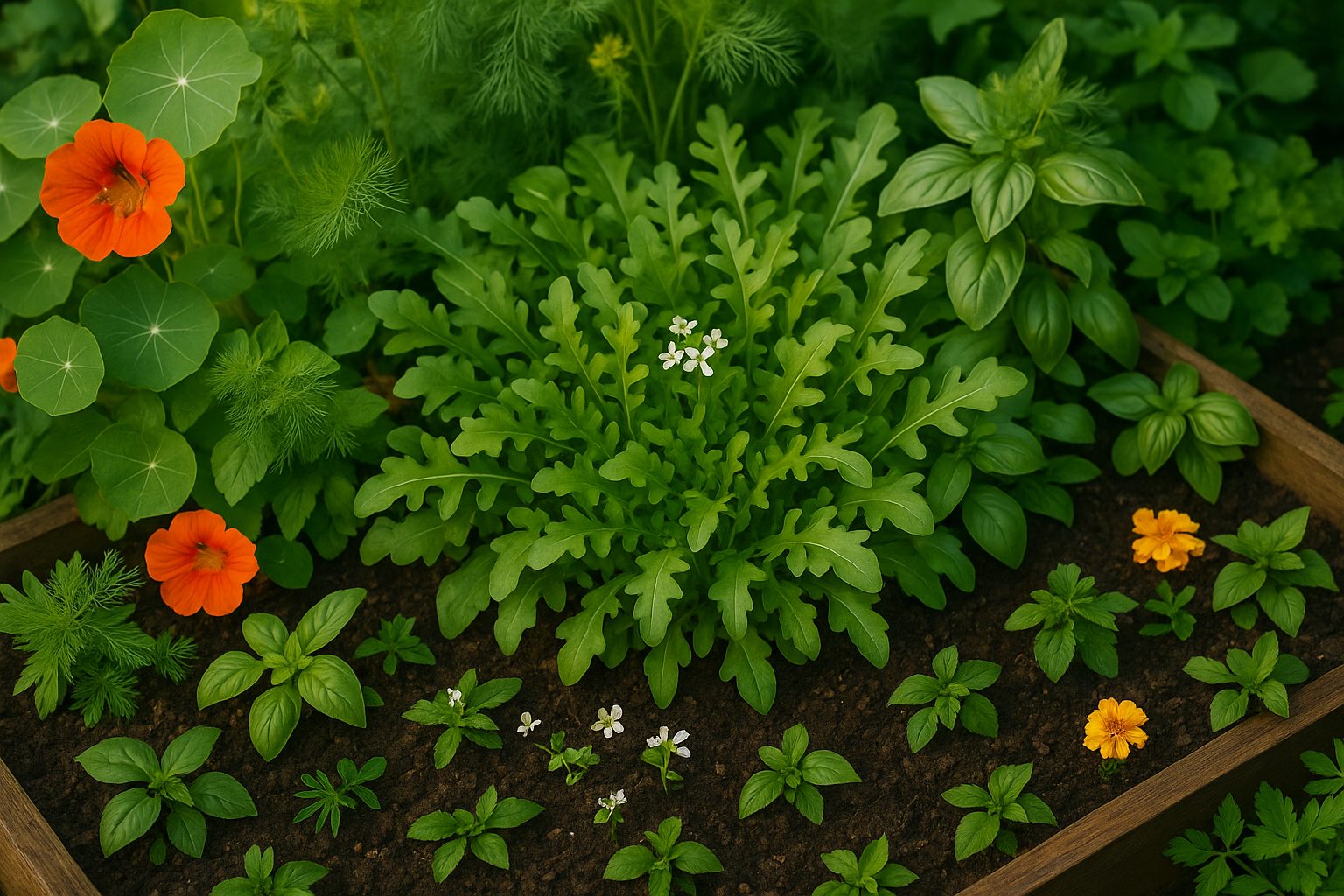
Arugula companion plants can make a world of difference for anyone growing this peppery leafy green in their home garden. Arugula thrives when planted next to certain crops, thanks to the clever strategy of companion planting. This approach involves growing specific plants side by side to help each other with growth, ward off common pests, or even improve flavor.
If you’ve ever dealt with flea beetles devouring your arugula or wished for a fuller harvest, companion planting might be the answer. For example, pairing arugula with herbs like dill or chamomile can repel unwanted bugs, while planting it near lettuce or spinach helps utilize garden space efficiently.
Choosing the right companions not only reduces the need for chemical pesticides but can also support richer, healthier growth. With the right plant partners, your arugula patch can become more resilient and productive all season long.
The Basics of Companion Planting with Arugula
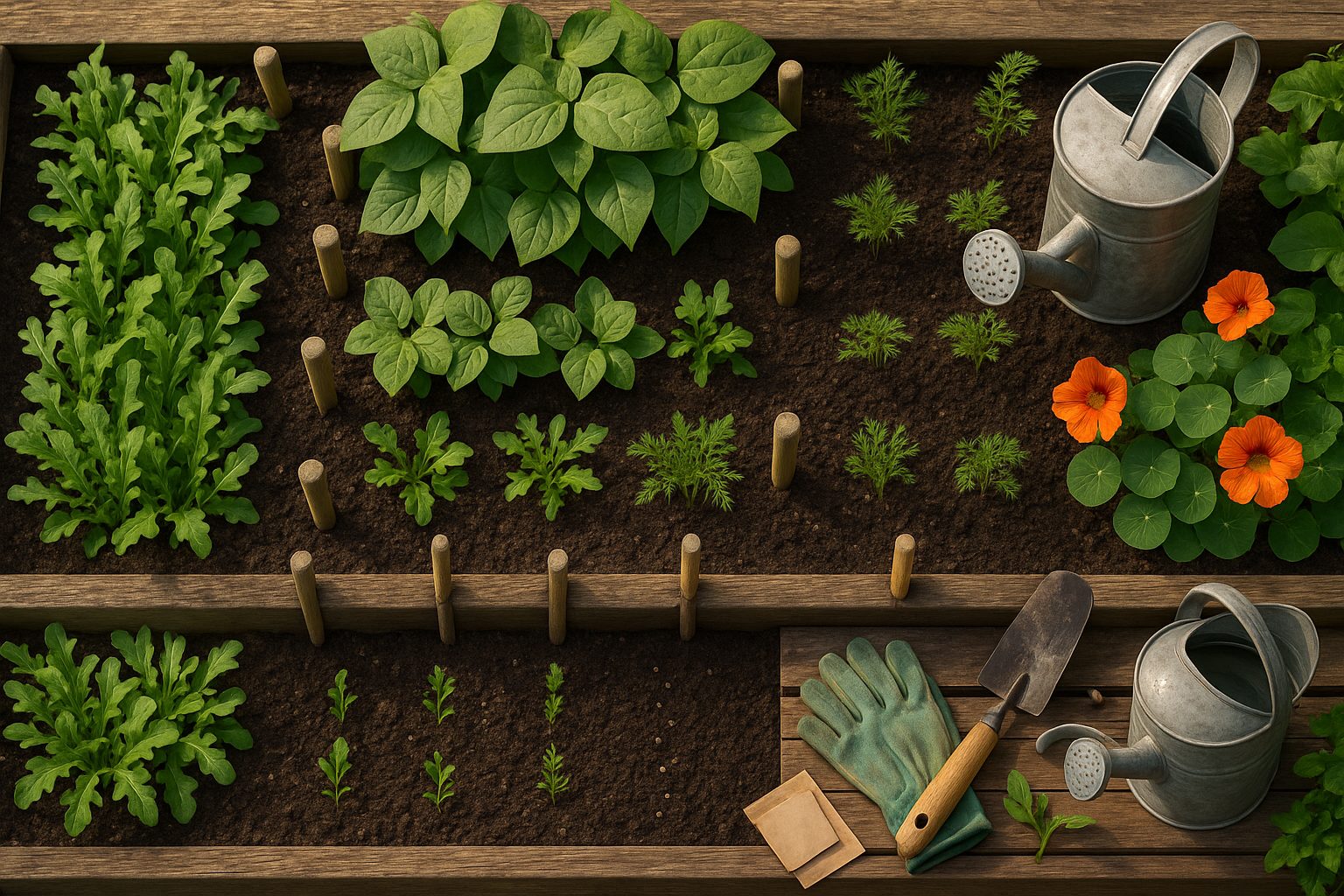
Companion planting is a gardening method where specific plants are grouped together to help each other thrive, often by deterring pests, improving growth, or making better use of garden space. With arugula, a spicy leafy green loved for its peppery bite, companion planting plays an important role in enhancing its health and yield.
Arugula is prone to flea beetles and aphids, but when you plant it alongside herbs like dill and mint, or flowers like nasturtiums, these companions act as natural pest repellents—either masking arugula’s scent or attracting beneficial insects that prey on pests. Crops such as carrots, beets, and onions also make good neighbors, helping to loosen the soil while arugula’s quick growth offers ground cover. This reduces weeds and keeps the soil moist, benefiting all plants in the bed. The roots of beans or peas add nitrogen to the soil, which leafy greens like arugula use to fuel lush growth.
The concept of companion planting has roots in both traditional and modern science; Indigenous cultures have long practiced the “Three Sisters” method, and current research supports certain plant pairings for healthier, more resilient gardens. By paying attention to what you plant next to your arugula, you can naturally reduce your need for pesticides, increase your harvest, and create a low-maintenance, productive vegetable patch—all by letting plants help each other out.
Top Companion Plants for Arugula
Pairing arugula with the right companion plants can boost its growth, flavor, and resilience—especially if you’re working with a small garden bed or containers. Here are some excellent companions to consider:
- Beets: Their roots grow deeper than arugula’s, so they don’t compete for space and help loosen the soil, improving drainage.
- Bush Beans: These enrich the soil with nitrogen, which fuels leafy crops like arugula. Tuck a row of beans behind your arugula patch for a nutrient boost.
- Carrots: With their long taproots, carrots use underground space efficiently without crowding arugula’s shallow roots.
- Edible Flowers (Nasturtiums and Marigolds): They attract pollinators and repel common pests like aphids and flea beetles. Plant them at the borders of your bed or in containers alongside arugula.
- Garlic and Chives: Their pungent scent helps deter insect invaders, making them smart choices to interplant as a living pest barrier.
- Peas: Another legume, peas can be added to trellises behind arugula, enriching the soil and maximizing vertical space—perfect for tight quarters.
- Basil: This aromatic herb discourages pests and can be planted in small pockets between arugula plants, creating a fragrant, multi-use patch.
For limited spaces, try intensive planting by grouping complementary crops closely together, or use container gardening with a few of these companions in larger planters. Rotate plant positions each season to keep the soil healthy and prevent disease buildup.
By mixing these companions with arugula, you’ll enjoy fewer pests, richer soil, and a more productive patch—all within even the smallest growing spaces.
Herbs and Flowers That Support Arugula Growth
Growing arugula alongside certain herbs and flowers can transform your garden into a thriving, low-maintenance ecosystem. Herbs like cilantro, basil, and chives are fantastic companions because they naturally deter common pests.
For example, cilantro’s strong scent confuses aphids and flea beetles, while chives help keep harmful insects like carrot flies at bay. Basil not only repels pests but is also believed by some gardeners to subtly enhance the flavor of nearby greens, including arugula.
When it comes to flowers, marigolds and nasturtiums steal the show. Marigolds emit compounds that repel nematodes and a variety of garden pests, making them a protective border for your arugula patch. Nasturtiums attract aphids away from arugula—a “trap crop” strategy—while also luring helpful predators like ladybugs and hoverflies into your garden.
To make the most of these plant partners, try interplanting by tucking herbs and flowers between rows of arugula or planting them around the garden bed edges. Here are some tips to get you started:
- Space cilantro and basil seedlings about 6-8 inches apart amidst your arugula to maximize their pest-repelling benefits.
- Dot chive plugs in corners or borders for a subtle but effective barrier.
- Place a few marigold plants throughout the bed and intersperse nasturtiums, remembering they’ll sprawl and need some room.
This mixed-planting approach is not only simple and space-efficient, but it also fosters a healthier crop, reduces the need for pesticides, and brings beautiful diversity to your arugula garden.
What Not to Plant with Arugula
When planning your garden, it’s important to avoid planting arugula next to other brassicas, such as broccoli, cabbage, cauliflower, or kale. These relatives share similar nutrient needs and are susceptible to the same pests, like flea beetles and cabbage worms, which can lead to explosive infestations and depleted soil.
Nightshades, such as tomatoes, potatoes, and eggplants, also make poor neighbors for arugula. These plants tend to have large, sprawling growth habits that compete aggressively for space, water, and sunlight, hindering arugula’s development. Additionally, nightshades and brassicas can both attract aphids, compounding pest problems.
To reduce the risk of competition and pests, try border planting—growing arugula in dedicated rows apart from brassicas and nightshades, or interspersing it with herbs like dill or chives that naturally repel harmful insects. Maintain proper spacing (at least 12 inches from unfriendly neighbors) and rotate planting sites each year to avoid soil-borne diseases.
By being mindful about your garden layout, you’ll help arugula thrive and keep your beds healthier overall.
Tips for Successful Companion Planting
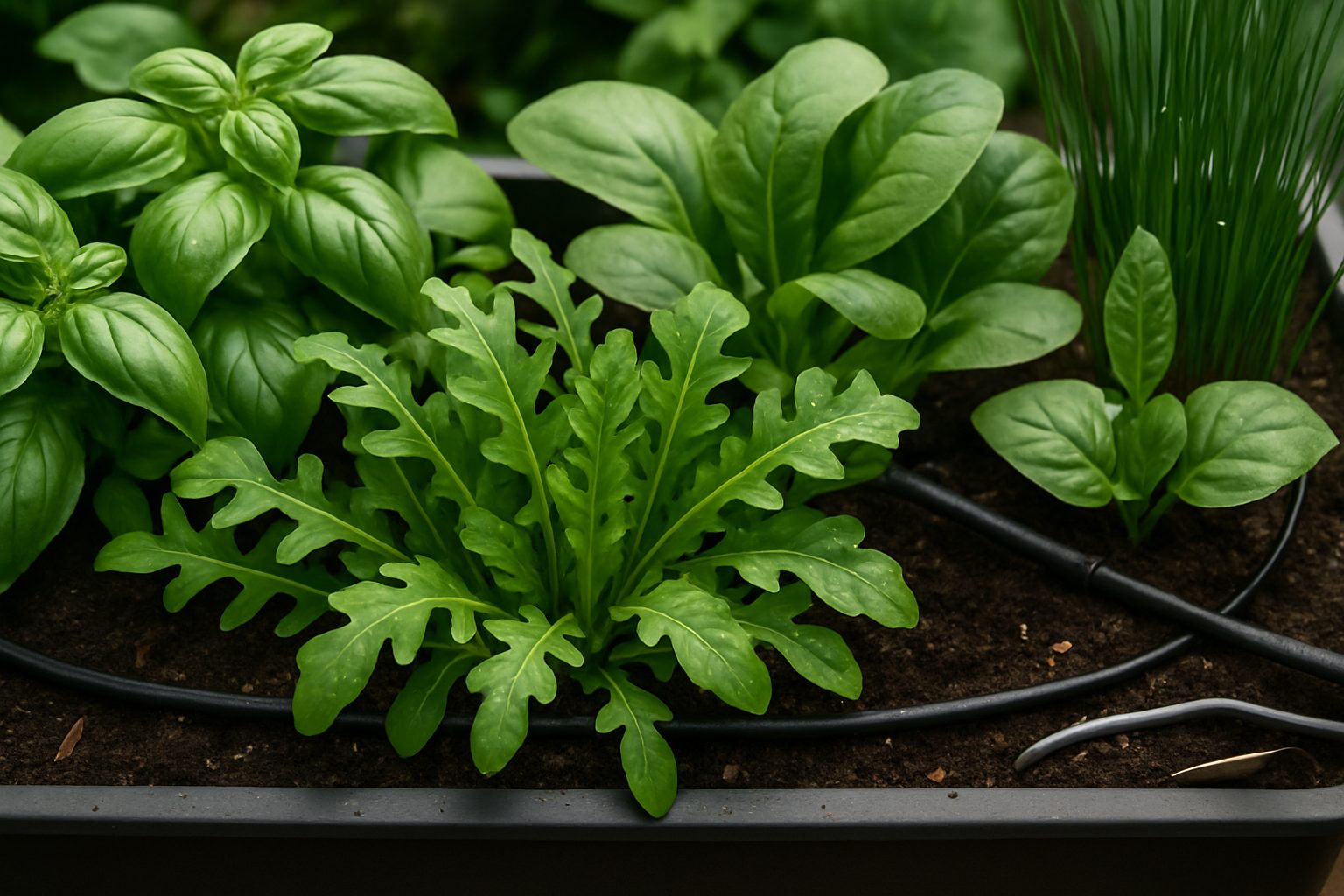
When planning a thriving companion planting bed with arugula, careful layout is key. Start by checking each plant’s spacing needs—arugula prefers about 6 inches between plants, so give companions like radishes and lettuces a similar berth to prevent overcrowding and promote air circulation.
Match companions with similar light and water needs; for instance, arugula and spinach both thrive in full sun to partial shade and enjoy consistent moisture. Grouping them together saves time and helps prevent over- or underwatering.
Avoid planting arugula near crops with very different requirements, like tomatoes, which need much more space and sun. Rotate your crops each season to limit pest buildup and nourish the soil—move arugula and other leafy greens to a new spot after harvest, replacing them with beans or peas that help replenish soil nitrogen.
In a mixed bed, water deeply and evenly, focusing on the root zones rather than the leaves to reduce disease risk. Feed your plants with a balanced, slow-release fertilizer every few weeks.
Make it a habit to check for signs of pests or disease—holes in leaves or yellowing could indicate flea beetles or nutrient stress. Catching issues early keeps your bed healthy and productive all season.
With thoughtful spacing, compatible plant choices, regular rotation, and attentive care, your garden will reward you with a varied and abundant harvest.
Frequently Asked Questions on Arugula Companion Planting
Growing arugula alongside lettuce is a great choice, as both have similar water and sunlight needs. They can help shade each other’s roots, keeping the soil cooler and reducing moisture loss.
For companion planting success, space arugula plants about 6 inches apart, and leave around 12 inches between different crops. This encourages good airflow and gives each plant enough room to grow.
To reduce pests naturally, consider adding herbs like dill, cilantro, or chives nearby. These aromatic plants can help deter common pests such as aphids and flea beetles that often target arugula. Marigolds and nasturtiums are also effective companions, as they attract beneficial insects and act as trap crops for unwanted bugs.
If you’re planting arugula indoors, use smaller pots or window boxes and pair it with low-growing herbs like basil or parsley. This saves space and promotes healthy growth. Rotate your indoor containers every few days to ensure even sunlight, and avoid overcrowding, which can increase the risk of mold or stunted growth.
With a little planning and the right companions, arugula can thrive both indoors and outdoors, providing a steady harvest of peppery leaves while supporting a healthy, balanced garden.
Conclusion
Companion planting with arugula is an easy way to boost your garden’s health, enhance flavor, and naturally manage pests. By pairing arugula with herbs like dill or flowers such as marigolds, you create a more resilient and productive garden bed.
Every garden is unique, so don’t be afraid to experiment and discover which combinations work best for you. Share your findings with friends or gardening groups—you might inspire someone else!
For more planting ideas, check out reputable gardening websites or guidebooks focused on companion planting to continue expanding your knowledge and cultivating a thriving garden ecosystem.