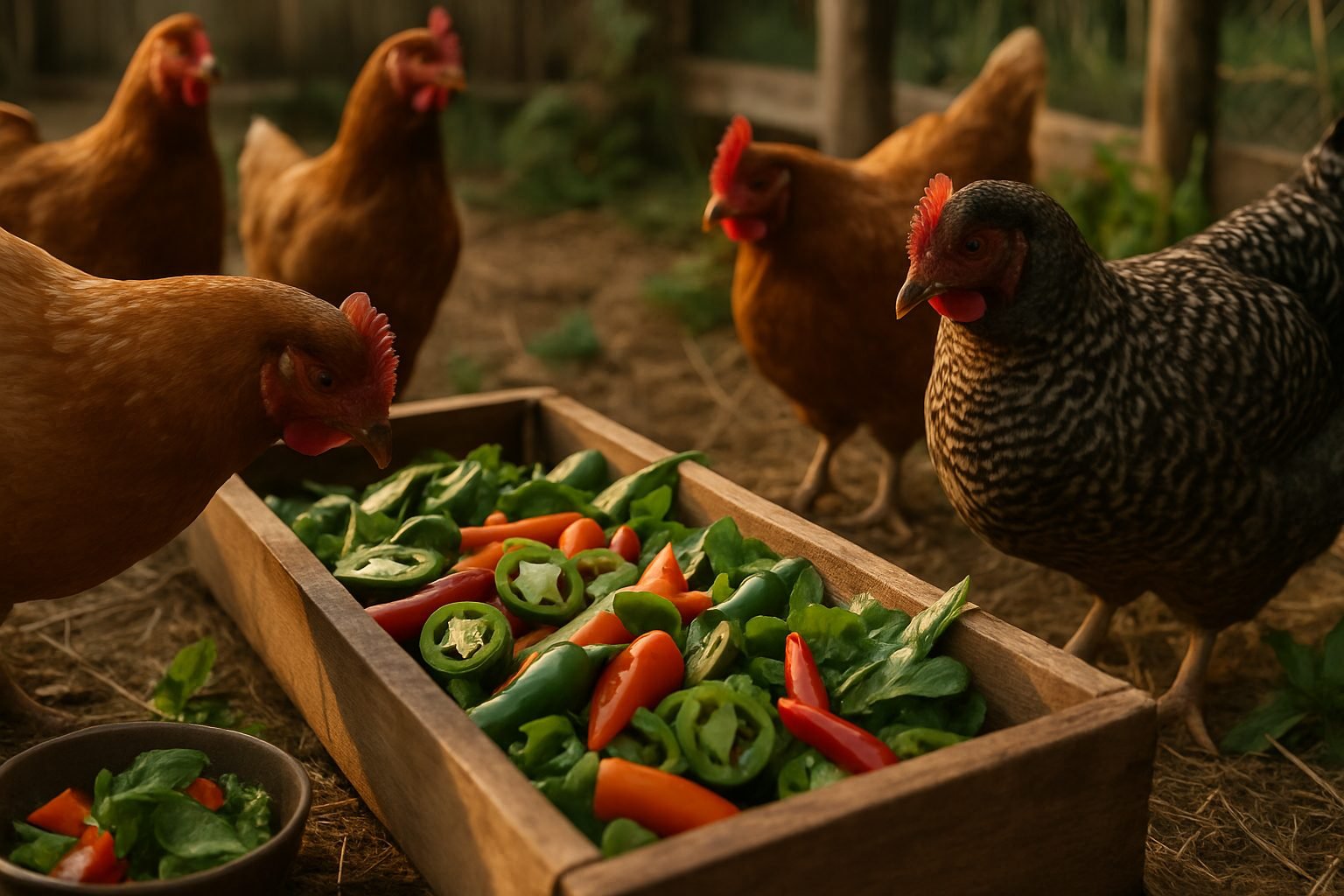
Can Chickens Eat Jalapeños?
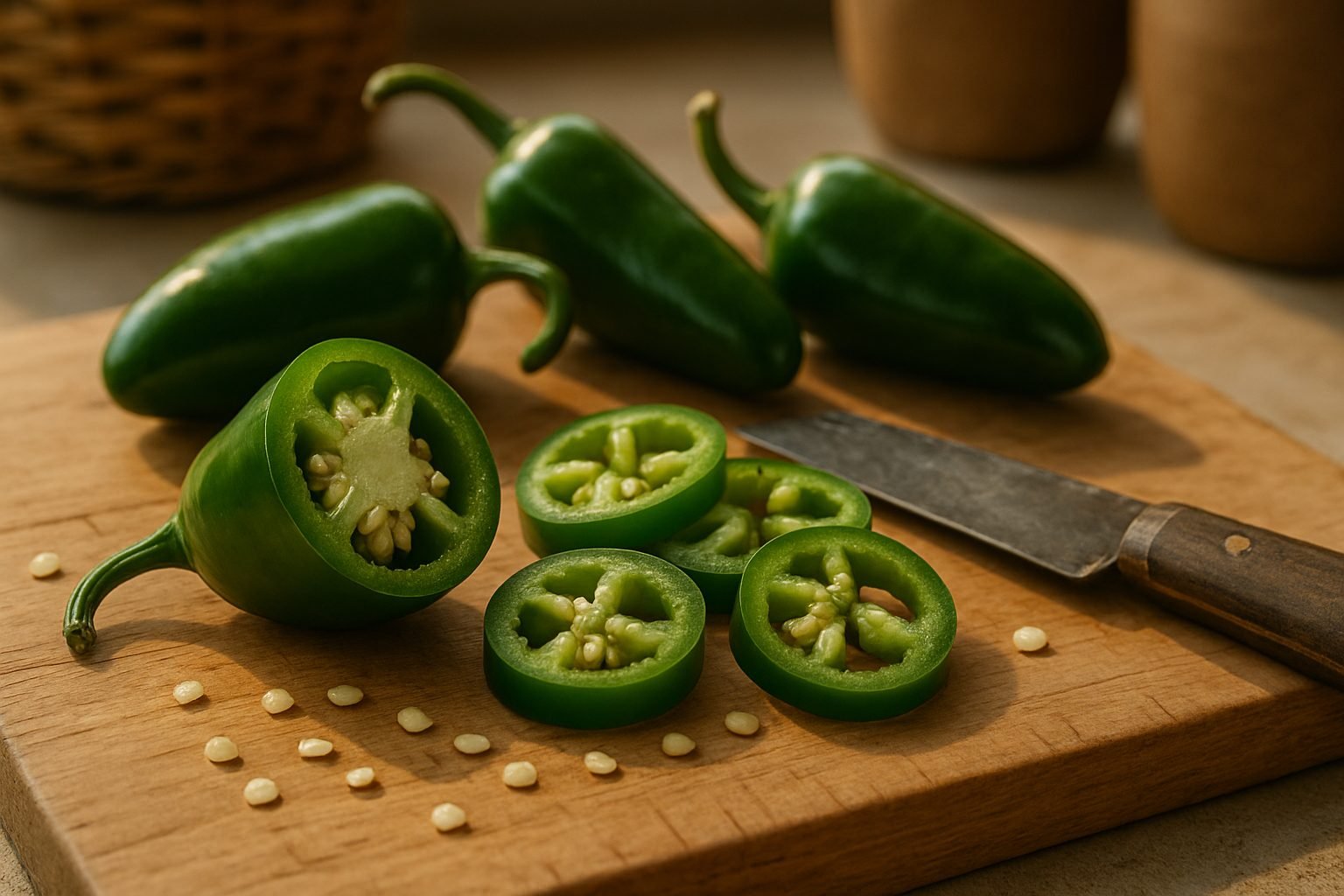
Do chickens eat hot peppers? It’s a common question for backyard chicken keepers sorting through kitchen scraps, especially when they have leftovers like jalapeños. The reality is, yes, chickens can eat hot peppers—including jalapeños—without the fiery discomfort that humans experience. According to poultry experts, chickens lack the receptors that make us feel the heat from capsaicin, the compound responsible for the spiciness in peppers. This means they can happily peck at a sliced jalapeño without even batting an eye, while you might be reaching for a glass of milk.
Interestingly, where jalapeños can leave us sniffling, chickens seem completely unfazed. Their digestive systems simply process the fruit, sometimes even benefiting from the extra nutrients and antioxidants found in peppers. That said, while jalapeños and other hot peppers aren’t dangerous for chickens, moderation matters. Too many spicy peppers can lead to digestive upset—not because of the spice itself, but due to rich or unfamiliar foods.
When offering kitchen scraps, make sure jalapeños are just a small part of a varied treat mix—think of them as an occasional snack rather than a daily menu item.
If you’re running a household that loves peppers and wondering about tossing those leftovers into the coop, rest assured jalapeños are on the safe list. Just always skip anything moldy, salty, or seasoned with too much oil or additives; plain, fresh vegetables (even spicy ones!) are best. By understanding how chickens eat hot peppers, you can safely share a wider range of your kitchen surplus and cut down on food waste, all while keeping your flock happy and healthy.
How Chickens Digest Spicy Foods
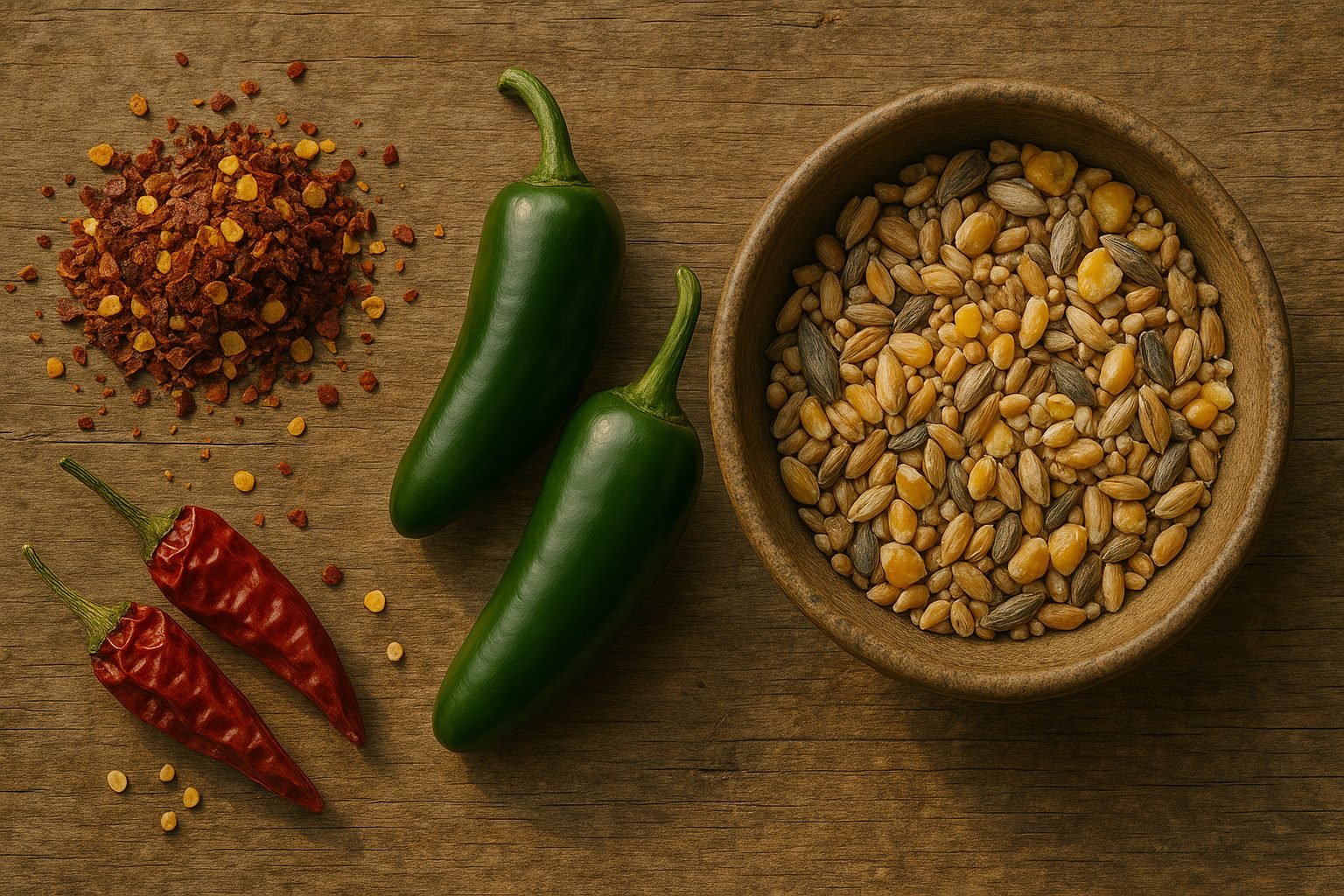
Chickens, like most birds, have a unique advantage when it comes to eating spicy foods: they simply don’t feel the burn. The reason lies in a natural difference in their biology—capsaicin, the compound that makes chili peppers hot, affects mammals by binding to pain receptors in the mouth and digestive tract, causing that familiar spicy sensation.
Birds, however, lack these specific receptors, so capsaicin passes through their system without causing discomfort or irritation. This biological quirk allows chickens to eat fiery peppers that would leave most humans sweating.
In fact, many poultry farmers mix hot peppers into chicken feed to deter pests and rodents without bothering the birds at all. For humans, capsaicin can trigger heat and sometimes even stomach upset, but chickens digest it with ease, allowing the chemical to move through their digestive system harmlessly.
So, giving your chickens the occasional spicy treat isn’t just safe—it can be beneficial since the leftovers don’t attract unwanted animals. Next time you see a chicken pecking at a fallen chili pepper, remember: while you might need a glass of milk, your feathered friends don’t even flinch.
Nutritional Value and Potential Benefits
Jalapeños pack a punch not only in flavor but also in nutrition, offering a variety of beneficial nutrients that can support your flock’s health. These peppers are rich in vitamin A, which is crucial for maintaining good vision, a robust immune system, and healthy skin and feathers in chickens.
They also deliver a boost of vitamin C, another important antioxidant that can help bolster immunity and reduce stress, especially during extreme weather or times of molting. Jalapeños further provide small amounts of vitamin K, potassium, and folate, with their antioxidant compounds helping to fight off cell damage from free radicals.
Including these nutrients in your chickens’ diet, even in small amounts, may lead to improved egg quality, with stronger shells and more vibrant yolks, and contribute to shinier feathers thanks to better overall health.
However, it’s important to remember that jalapeños should be offered only as an occasional treat due to their spicy nature and relatively high levels of compounds like capsaicin, which some chickens may find unpalatable or irritating in large amounts.
A good rule of thumb is to introduce jalapeños slowly, observe how your flock reacts, and always mix them with other treats, such as cut vegetables or grains, to ensure you’re providing a balanced diet.
Avoid making peppers a daily snack; instead, offer small pieces once or twice a week at most, ensuring treats make up no more than 10% of their total intake. This way, your chickens get the benefits of variety and extra nutrients without risking digestive upset or disrupting their regular nutritional balance.
Are There Any Risks?
While jalapeños can add variety to your chickens’ diet, there are a few important risks to consider before offering these spicy treats.
One of the main concerns is pesticide residue; peppers are often sprayed with chemicals, so it’s crucial to wash jalapeños thoroughly or opt for organic options to reduce your flock’s exposure to harmful substances.
Another potential issue is the size and texture of the peppers, as large pieces can pose a choking hazard, especially for younger or smaller chickens. To minimize this risk, always chop jalapeños into small, manageable pieces before feeding.
Digestive upset is another factor to keep in mind—while chickens are less sensitive to capsaicin (the compound that makes peppers spicy) than humans, too much can still irritate their digestive tract and lead to loose stools or discomfort. For safe introduction, start with a very small amount mixed into their regular feed and monitor their reactions closely.
Portion control is key: jalapeños should only be an occasional treat, making up less than 10% of their overall diet to avoid nutritional imbalances.
It’s a common myth that spicy peppers are dangerous to chickens, but in reality, chickens lack the taste receptors to feel the heat and can generally eat peppers without the burning sensation humans experience. Still, moderation and careful preparation are essential to ensure your flock enjoys jalapeños safely and without adverse effects.
Other Vegetables Chickens Can Eat (and Ones to Avoid)
Chickens love variety in their diets, and giving them safe vegetables and fruits is a great way to keep your flock healthy and happy. Popular choices include bell peppers (without the seeds and stems), cucumbers, zucchini, carrots, leafy greens like spinach and kale, and melons such as watermelon or cantaloupe (rinds and flesh, but avoid the seeds in large amounts).
Tomatoes are fine when fully ripe, but steer clear of the plant’s leaves and stems, as these can be toxic. Other safe options are pumpkins, peas, broccoli, apples (remove the seeds), strawberries, and blueberries.
However, it’s important to know which foods to avoid. Never feed chickens avocado (contains a toxin called persin), onions, garlic, green potatoes or their peels, raw beans, rhubarb leaves, or chocolate, as all of these can be harmful or even deadly to your birds.
When feeding kitchen scraps, keep portions reasonable and avoid anything spoiled or moldy. Dice or shred larger items to prevent choking, and always introduce new foods slowly so you can watch for any digestive upset. To minimize mess and pests, offer treats in a dedicated feeder or on a clean patch of ground, and make sure fresh, clean water is always available.
Remember, treats and scraps should supplement, not replace, a balanced poultry feed to ensure chickens get all the nutrients they need. By thoughtfully selecting and preparing what you share, you’ll turn kitchen leftovers into healthy, exciting snacks for your flock.
Quick Recap: Should You Feed Jalapeños to Your Chickens?
Feeding jalapeños to your chickens might sound surprising, but it’s generally safe—they don’t have the same receptors for spicy heat as humans, so chilies won’t bother them the way they do us. In fact, jalapeños can offer a boost of vitamins and even help reduce some internal parasites, making them a potentially healthy occasional snack.
However, moderation matters; too many jalapeños could upset the balance of your chickens’ diet and impact egg flavor. It’s best to offer small quantities only as part of a varied mix with other veggies, grains, and fruits.
Just like people, every chicken is a bit different, so watch for any unusual reactions after introducing new foods—signs like digestive upset or changes in behavior should prompt you to scale back or remove the treat. Always prioritize your flock’s health and overall nutrition, keeping quality layer feed as their main food source.
Jalapeños should never replace core dietary staples, but they can be a fun, nutritious bonus for most chickens. Start slow, observe closely, and remember: variety and moderation are key to keeping your chickens healthy, happy, and producing great eggs.