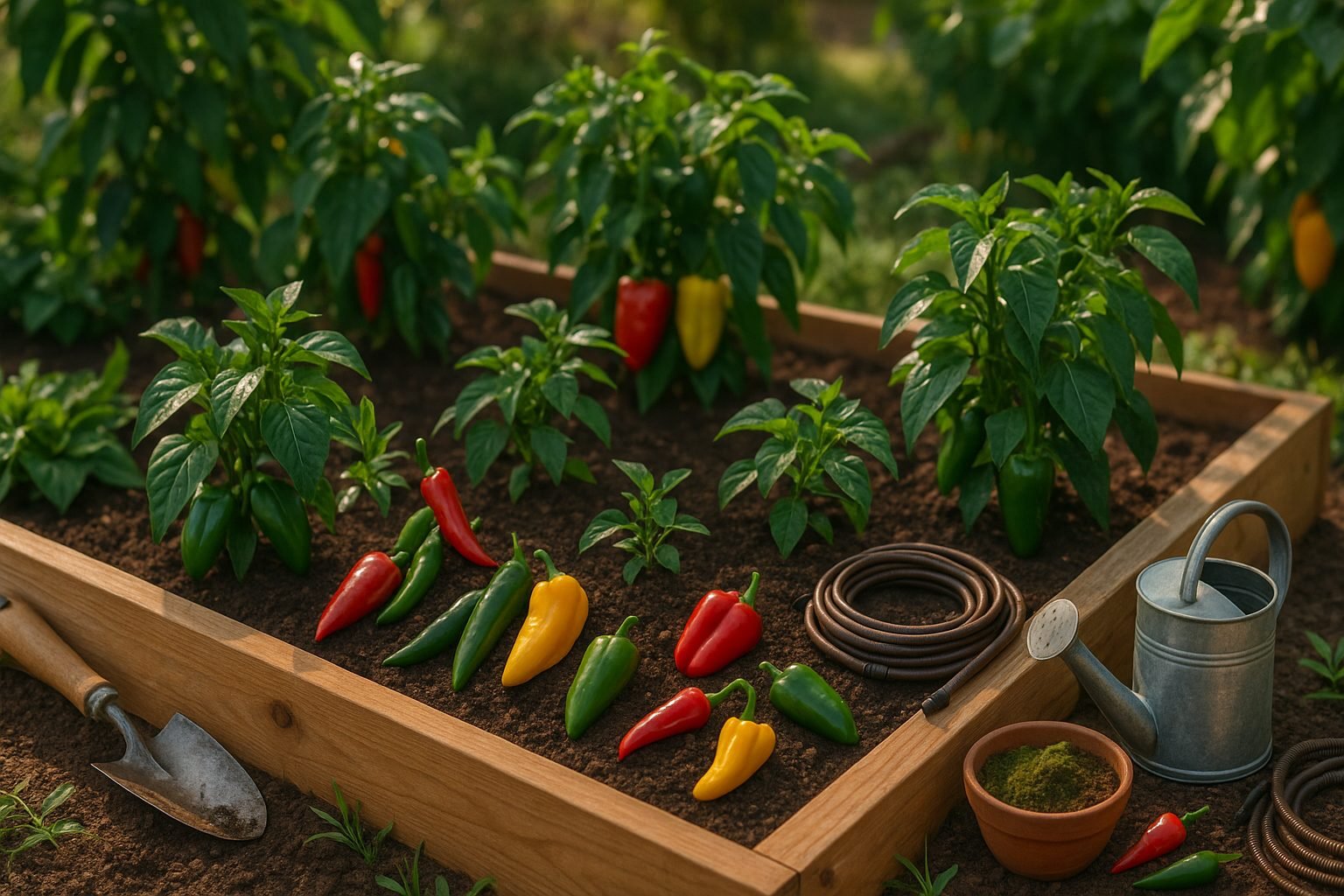
Why Grow Peppers in Raised Beds?
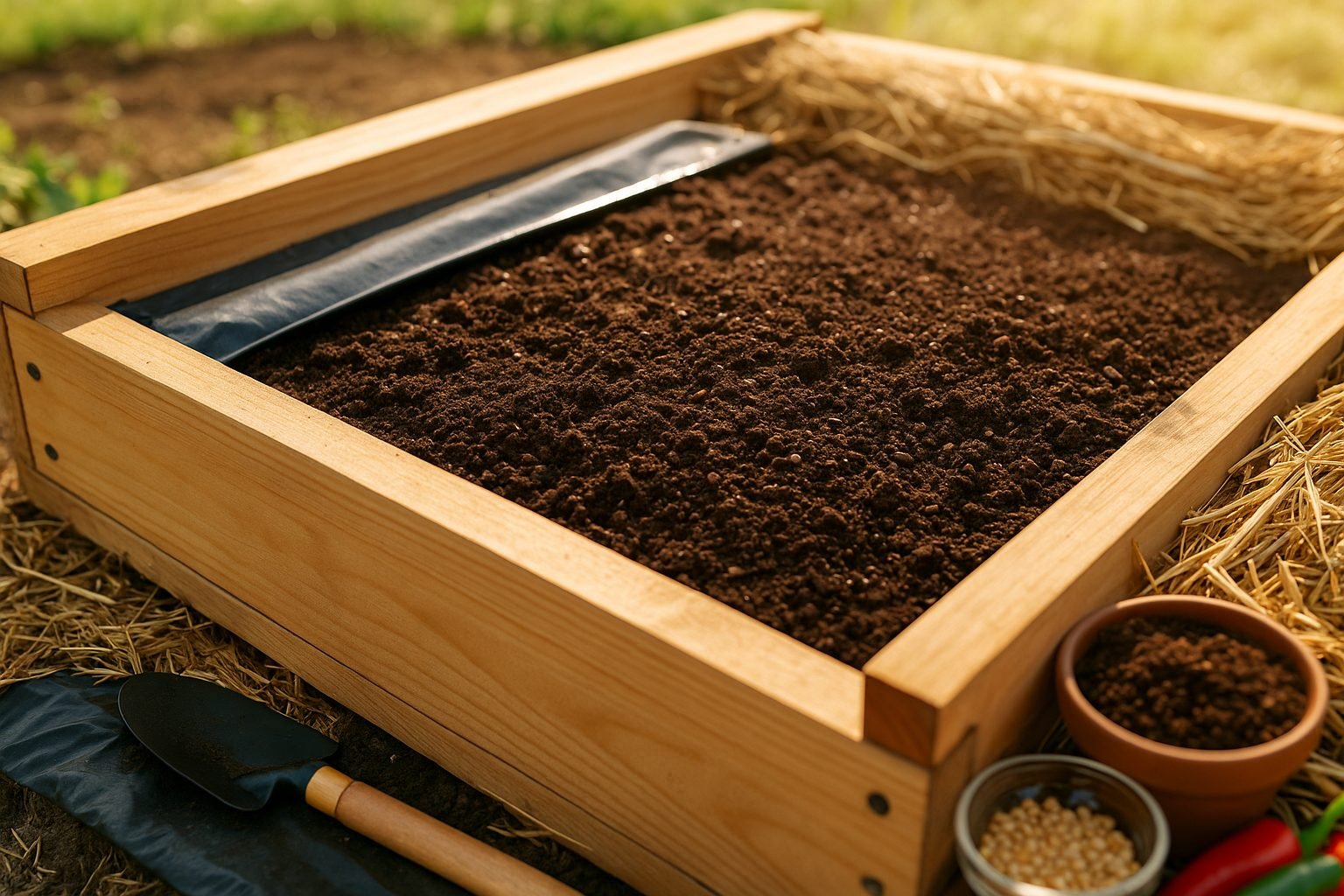
Raised bed hot peppers are a game-changer for gardeners looking to boost their pepper harvests, whether you’re growing scorching habaneros or sweet bell varieties. Raised beds let you control the soil mix, which is crucial since peppers thrive in well-drained, nutrient-rich environments. Unlike in-ground gardens that can become compacted or waterlogged, raised beds efficiently drain excess water, reducing the risk of root rot and disease. This is especially important for hot peppers, which are more sensitive to soggy roots, but sweet peppers benefit just as much—healthier roots mean stronger plants and higher yields all season long.
Another major advantage of raised beds is their ability to warm up faster in spring. Peppers love heat, so being able to plant a bit earlier gives you a jump-start, especially in cooler climates. If you live in a region with heavy clay soil or erratic weather, raised beds make it easy to mix in compost or sand, tailoring the bed to your peppers’ needs. For areas with short summers, consider using black landscape fabric or plastic mulch to capture more heat.
Before starting, think about your local climate and water access. Raised beds require more frequent watering, so having a nearby hose or drip irrigation system saves time. In extremely hot or windy regions, beds can dry out quickly, so mulching with straw or wood chips helps lock in moisture. Also, make sure the bed gets at least 6–8 hours of sun—peppers won’t produce well in the shade.
Whether you’re an urban gardener with limited space or looking to transform a tricky patch of backyard soil, raised beds put you in control. You can isolate problems like nematodes or weeds, rotate crops easily, and even extend the growing season with simple covers. With raised bed hot peppers, you’re setting your plants up for success with larger, tastier yields—proving it’s not just what you grow, but where you grow it that matters.
Planning and Building Your Raised Bed for Peppers
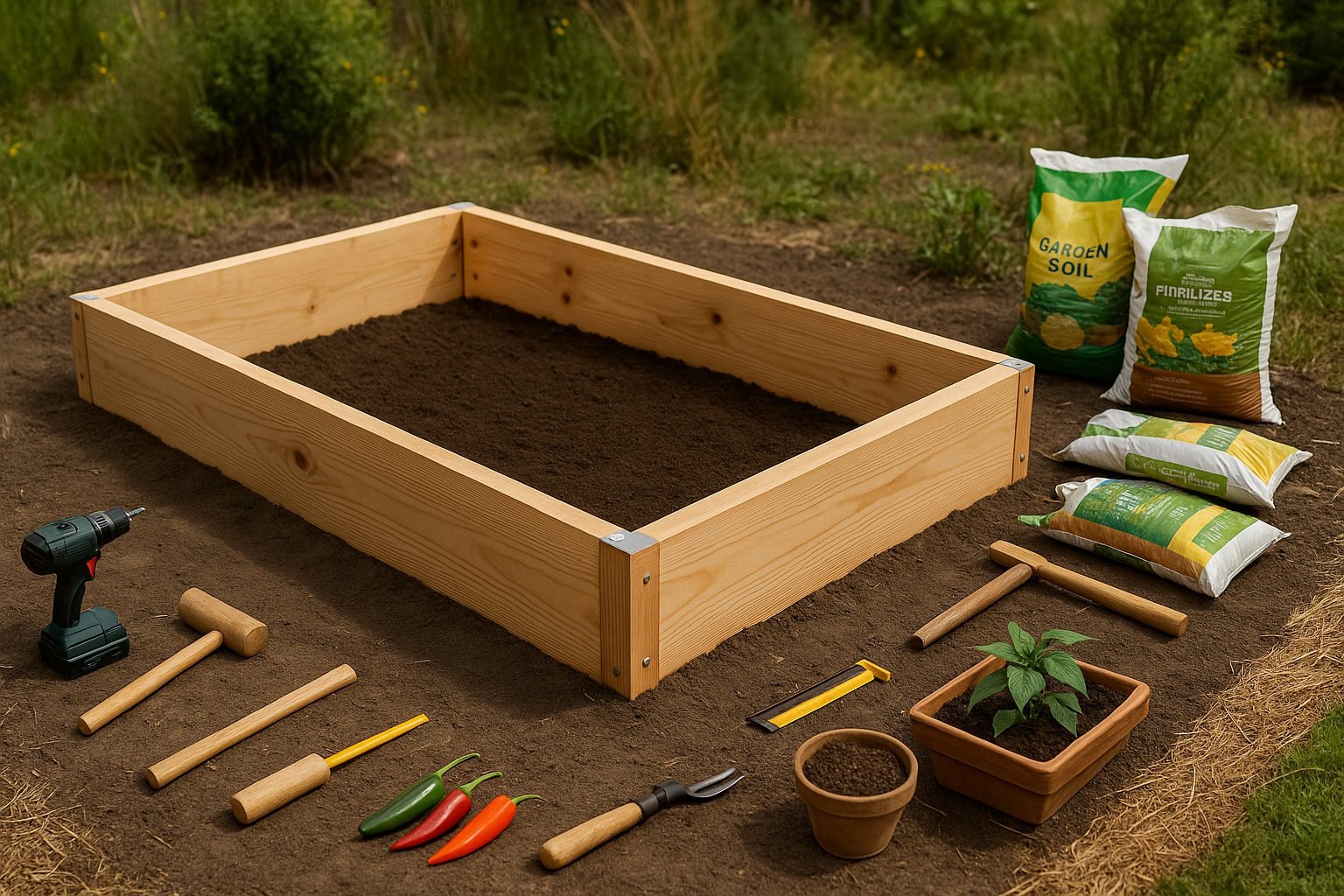
When planning a raised bed for peppers, start by choosing a sunny location—peppers thrive with at least 6 to 8 hours of direct sunlight every day. Avoid spots shaded by trees or nearby structures, as insufficient sunlight can lead to poor fruit development.
Allow enough space between your beds to access plants easily and ensure air circulation, reducing the risk of pests and disease; a walkway gap of at least 18–24 inches is comfortable for most gardeners.
For the bed itself, peppers do best in enclosures that are 3 to 4 feet wide (so you can reach the center easily) and at least 6 to 8 feet long, providing room to space individual pepper plants 12 to 18 inches apart. Aim for a bed depth of 12 to 18 inches, which gives pepper roots ample room to grow and prevents soil compaction.
As for materials, cedar and redwood are naturally rot-resistant wooden options, while galvanized steel offers sleek durability and composite boards blend longevity with eco-friendliness; avoid using treated lumber, which may leach chemicals into the soil.
Make sure to level the ground before assembling the bed and use sturdy corner brackets or heavy-duty screws to keep the structure stable through weather and seasons. Once assembled, fill your bed with a mixture of rich compost, quality garden soil, and some organic fertilizer for a fertile start.
For tall pepper varieties—like certain bell or chili peppers—install simple plant supports or tomato cages at planting time rather than waiting until the branches are heavy with fruit; this way you minimize root disturbance and keep plants upright all season.
With these thoughtful steps, you’ll set yourself up for a healthy, productive pepper harvest.
Preparing the Soil: Depth and Quality for Peppers
When it comes to growing healthy, productive pepper plants, the soil you start with matters just as much as sunlight and water. Peppers thrive in well-drained, loamy soil that’s rich in organic matter. Aim for a mix that includes equal parts high-quality garden soil, compost, and either coconut coir or peat moss to retain moisture without waterlogging the roots. Drainage is critical: peppers dislike “wet feet,” so adding coarse sand or perlite can help air circulate, keeping the soil light and crumbly.
For raised beds or containers, go for a minimum soil depth of 12 to 18 inches. This depth gives pepper roots ample room to spread, anchor, and access nutrients. Shallow soils can stunt growth and reduce yields, while proper depth supports strong, resilient plants.
Enhancing Soil Fertility
To boost fertility, blend in compost or well-rotted manure before planting, which enriches the soil with slow-release nutrients. Peppers particularly benefit from phosphorus for root and flower development, potassium for fruit set, and a steady supply of nitrogen for leafy growth. You can mix a balanced organic fertilizer, such as a 5-10-10 NPK ratio, into the top few inches of soil before transplanting.
If your soil tends to be sandy or clay-heavy, add more compost to improve its texture and nutrient-holding capacity. As peppers grow, top-dress with additional compost or a sprinkle of worm castings every four weeks to keep nutrients available throughout the season.
Preventing Soil Compaction and Improving Drainage
Compaction and drainage issues are common pitfalls, especially in raised beds that see a lot of foot traffic or heavy rains. To avoid this, never walk directly on the planting area; use stepping stones or designated paths. If you notice pooling water after a rain, gently work in more perlite or coarse sand, and use a garden fork to aerate—poke holes throughout the bed to improve airflow and keep the soil loose.
Mulching with straw or shredded leaves can also retain moisture while preventing surface crusting, which helps water penetrate evenly. By starting with the right mix and caring for your soil, you’ll set your pepper plants up for a bountiful harvest and fewer soil-borne headaches.
Planting Peppers: Seed Starting, Transplants, and Spacing
When it comes to growing healthy pepper plants, choosing between starting seeds indoors and using store-bought transplants can make a big difference in your gardening experience. Starting peppers from seed lets you choose from a wider variety and is best begun 8 to 10 weeks before your area’s last expected frost date. Just fill small seed trays or pots with seed-starting mix, plant seeds about 1/4 inch deep, and keep them warm (around 75-80°F) and moist until they sprout. Once true leaves appear, thin out the weaker seedlings and provide plenty of sunlight or use grow lights.
On the other hand, using transplants—young plants purchased at a nursery—saves time because you can plant them outside directly after the frost danger passes. Make sure transplants have at least 4-6 healthy leaves. Whether you grew them or bought them, they need to be hardened off: gradually expose them to outdoor conditions over 7-10 days, starting with a few hours of dappled sun and increasing sunlight and wind exposure daily. This reduces transplant shock and helps the plants establish quickly.
Spacing and Planting Tips
For raised bed planting, peppers thrive when set about 18-24 inches apart, giving plenty of airflow and room for their broad leaves. Plant each pepper at the same depth it was in its original pot; burying the stem deeper can cause rot. Space rows about 24-30 inches apart for easy access and maintenance.
Before planting, ensure the soil is warm (at least 60°F) and rich in organic matter. Water the bed thoroughly a day ahead. Mulch around your pepper plants to retain moisture and suppress weeds, but avoid piling mulch against the stems.
Companion Planting
Good companion plants for peppers include:
- Basil
- Carrots
- Onions
- Spinach
These plants help deter pests or improve growth. Avoid planting peppers near members of the brassica family (like broccoli and cabbage) and fennel, as they tend to compete for nutrients or stunt pepper growth.
With the right start and careful planning, you’ll set your peppers up for a productive, flavorful season.
Caring for Pepper Plants in Raised Beds
Caring for pepper plants in raised beds begins with managing their consistent watering needs. Peppers prefer evenly moist soil but dislike soggy roots. Check the top inch of soil every couple of days; if it feels dry, it’s time to water. Mulching with straw or compost helps lock in moisture and reduces how often you need to water, especially during hot spells.
When it comes to feeding, peppers thrive with a balanced fertilizer. Use a slow-release granular option when transplanting seedlings, then switch to a liquid fertilizer high in phosphorus once buds appear to promote strong flowering and fruiting. Feed lightly every 4-6 weeks, but avoid overdoing it—too much nitrogen can lead to lush leaves but fewer peppers.
Pruning and staking both help peppers focus energy on fruit production and prevent breakage. Pinch off the first early buds and lower branches to encourage root growth and bushier plants. Then, add a stake or small cage as soon as plants are knee-high to support heavy branches loaded with fruit.
Raised beds naturally improve pest and disease resistance because of better drainage and less soil compaction. Still, check regularly for pests like aphids or cutworms. Simple organic solutions such as neem oil, hand-picking, or introducing beneficial insects can stop infestations early. Crop rotation in your raised beds also helps prevent soil-borne diseases.
With careful attention to these basics, your peppers will have the support they need to produce an abundant harvest all season long.
Harvesting and Troubleshooting Peppers
Knowing when your peppers are ready to harvest makes all the difference in flavor and productivity. Mature peppers will typically have full, vibrant color—whether that’s red, yellow, orange, or a deep glossy green—depending on the variety. The skins should feel firm, not soft or wrinkled.
To harvest without damaging your plant, use clean garden shears or scissors to snip peppers from the stem, leaving a short piece of stem attached to avoid tearing branches.
If you’re running into common issues, look closely at your plants:
- Yellowing leaves can mean overwatering or nutrient deficiencies.
- Brown, sunken spots on fruit (blossom-end rot) often signal low calcium or inconsistent watering.
- Premature flower drop or poor fruit set might be due to high temperatures (peppers love 70-85°F) or a lack of pollinators; gently shaking flowering branches can help spread pollen.
- For pests like aphids or caterpillars, check leaf undersides and spray gently with water or use insecticidal soap as needed.
Once you have a bumper crop, peppers store well in the fridge for up to two weeks in a breathable bag. For longer storage, try flash-freezing sliced peppers on a baking sheet before transferring to a freezer bag, or make quick refrigerator pickles with vinegar, salt, and garlic. Drying is also a practical option for hot varieties—just string them up in a warm, airy spot or use a food dehydrator for consistent results.
These simple steps ensure you can enjoy your garden’s bounty and extend your harvest’s shelf life.
Top Pepper Varieties to Grow in Raised Beds
When choosing pepper varieties for raised beds, it’s smart to consider both your preferred heat level and available space. For those who enjoy sweet peppers, bell varieties like ‘California Wonder’ deliver a classic, crisp bite and thrive in roomy raised beds.
‘Lunchbox’ mini sweet peppers are perfect for smaller spaces or container gardens thanks to their compact size and high yields, producing snack-ready, colorful pods.
If you’re seeking a little heat, jalapeños offer a satisfying spice without being overwhelming. Their bushy, manageable plants fit well in raised beds or containers.
Step up the heat with ‘Serrano’ peppers, which are productive and robust, or go bold with ‘Cayenne’ and ‘Tabasco’ if you want slender, fiery fruits for hot sauces and cooking—these varieties benefit from the rich, warm soil found in raised beds.
For chili aficionados craving serious heat, try ‘Habanero’ or ‘Thai Hot’ peppers. Compact ‘Thai Hot’ peppers are particularly great for vertical or tight raised gardens, as they bear dozens of small, potent fruits on a small plant.
Don’t forget ornamental varieties like ‘Numex Twilight’ or ‘Basket of Fire’; both offer eye-catching colors and a fiery kick while thriving in containers or small vertical beds, pulling double duty as edible and decorative plants.
Raised beds warm up quicker in spring, giving peppers an early boost, but be sure to provide six to eight hours of sun and consistent moisture.
Try mixing sweet and hot varieties within one bed for visual interest and a range of harvest flavors.
When space is limited, opt for dwarf or container-friendly cultivars, stake taller varieties for vertical growth, and rotate plant locations each year for the healthiest crops.
Ultimately, with a smart selection matched to your garden’s size and your taste buds, raised beds can deliver a stunning range of peppers—from mild to blazing hot—all within reach.