Introduction
garlic is more than just a staple in kitchens around the world—it’s a valuable crop cherished by gardeners and farmers alike for its robust flavor and numerous health benefits. Whether you’re growing a small patch in your backyard or managing a large garlic field, understanding garlic pests is essential to protect your plants and ensure healthy, abundant harvests.
These tiny invaders can quickly turn healthy bulbs into disappointing yields, often before you even realize there’s a problem. That’s why it’s important to recognize the warning signs early and know which pests and diseases pose the biggest threats to your garlic.
In this article, you’ll learn about the most common garlic pests, the symptoms they cause, and practical, real-world strategies you can use to keep your garlic thriving. Whether you’re new to cultivating garlic or troubleshooting an existing issue, we’ll guide you through how to spot, prevent, and manage the pests and diseases that can stand between you and a delicious, successful garlic harvest. Your plants—and your kitchen—will thank you!
Most Common Garlic Pests: Identification & Damage
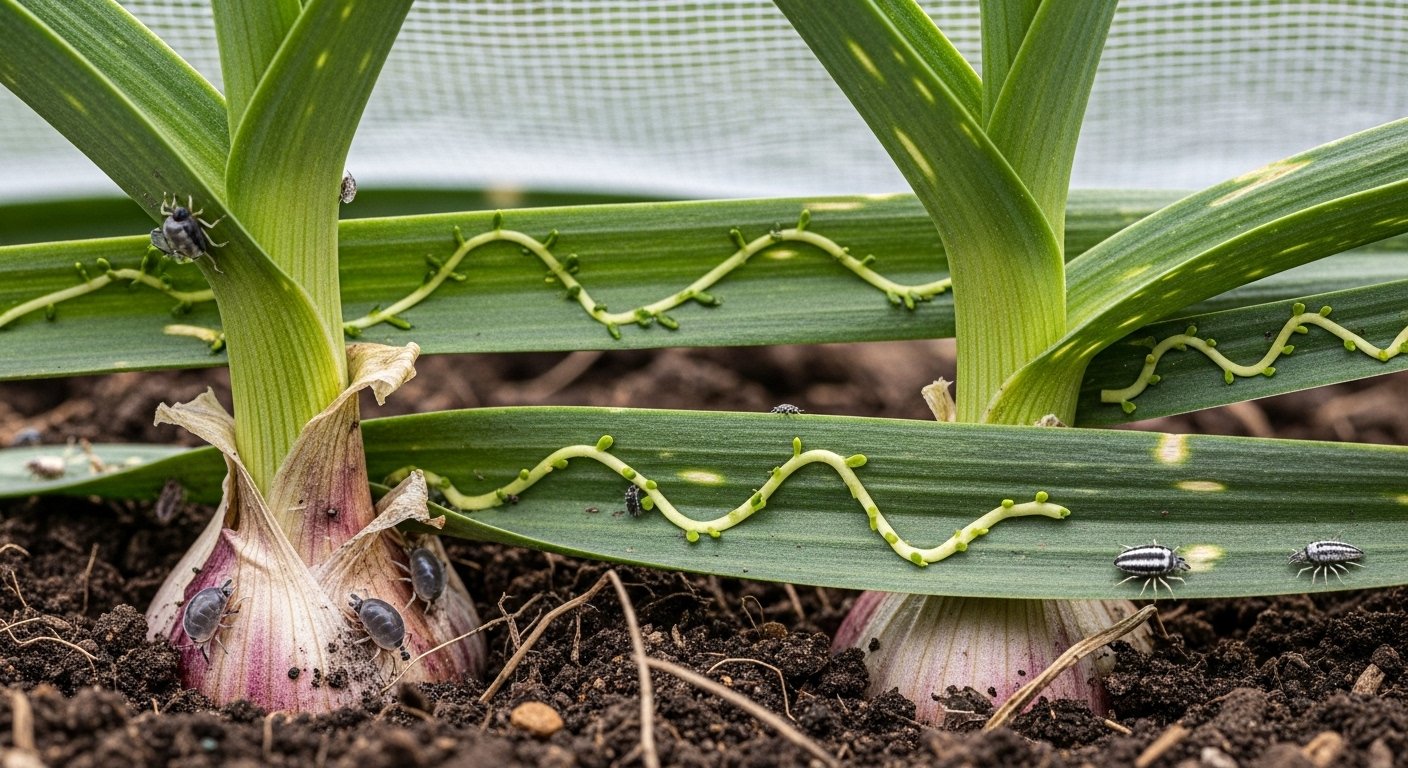
Garlic may seem hardy, but several common pests can quickly sabotage your harvest if left unchecked.
Bulb Mites
Bulb mites are tiny, translucent creatures that burrow into garlic bulbs, often causing soft, spongy cloves and patchy brown discoloration. They’re most active around planting and harvest times when bulbs are stressed.
Leafminers
Leafminers leave telltale winding trails or blotches on the leaves as their larvae tunnel within. This reduces photosynthesis and slows growth, typically peaking in late spring.
Nematodes
Nematodes—especially stem and bulb types—invade roots and bulbs from early stages, resulting in swelling, misshapen cloves, and yellow, stunted plant tops.
Onion Maggots
Onion maggots, small white larvae, feast on roots and bulbs underground, mainly during wet, cool spells in spring. This leads to wilting or collapsing plants and rotted bulbs with slimy interiors.
Thrips
Thrips are minute, slender insects that suck sap from leaves, creating silvery streaks, leaf curling, and tip browning—especially in hot, dry weather during mid to late season.
Leek Moths
Leek moth larvae carve out tunnels and leave ragged holes in garlic leaves, which weakens growth and may let disease in. They’re generally most noticeable from late spring to early summer.
Wireworms
Wireworms, the shiny, slender larvae of click beetles, chew directly into bulbs and stems, causing unmarketable, hole-ridden garlic. This damage is particularly common during the early planting phase when soil is cool and moist.
Preventive Measures
Spotting these signs early—like distorted leaves, slowed growth, or mushy spots on bulbs—is crucial. Regularly inspect your plants to catch problems before they escalate.
For home gardeners, consider the following methods to protect your garlic:
- Rotate crops to disrupt pest life cycles.
- Clean up plant debris to reduce breeding grounds.
- Use floating row covers as a physical barrier against pests.
Major Garlic Diseases: What to Watch For
Growing healthy garlic starts with knowing the major diseases that threaten your crop and spotting issues early. Botrytis neck rot, for example, is a common fungal disease that typically strikes during wet seasons, causing a soft, water-soaked rot at the neck of the bulb. Affected cloves may turn brown or mushy, and the disease can spread quickly in storage, ruining entire batches.
In the field, you’ll also want to watch for Embellisia skin blotch, which shows up as tan to brown streaks or blotches on the outer skins of bulbs. While it often looks cosmetic, severe infection can make bulbs shrivel and reduce their storage life.
Rust, another prevalent problem, reveals itself as small orange or yellow pustules on the leaves, which eventually cause premature leaf death and smaller bulbs due to reduced photosynthesis.
Viral infections, meanwhile, can be harder to diagnose but often result in yellow streaks or mottling on leaves, twisted or limp foliage, and an overall stunted appearance. These viruses can persist from year to year if infected cloves are replanted.
Each of these diseases cuts into your garlic yield—infected plants produce fewer and smaller bulbs, many of which won’t keep well after harvest. To minimize losses, regularly inspect your crop for symptoms and remove any affected plants promptly. Proper air circulation, crop rotation, and using disease-free seed garlic are also crucial strategies.
If storing garlic, make sure bulbs are fully cured and avoid wounding them during harvest, as injuries create easy entry points for pathogens. By keeping a close eye on these warning signs and practicing good garden hygiene, you can protect both your harvest and the long-term health of your garlic patch.
Early Detection & Monitoring Strategies
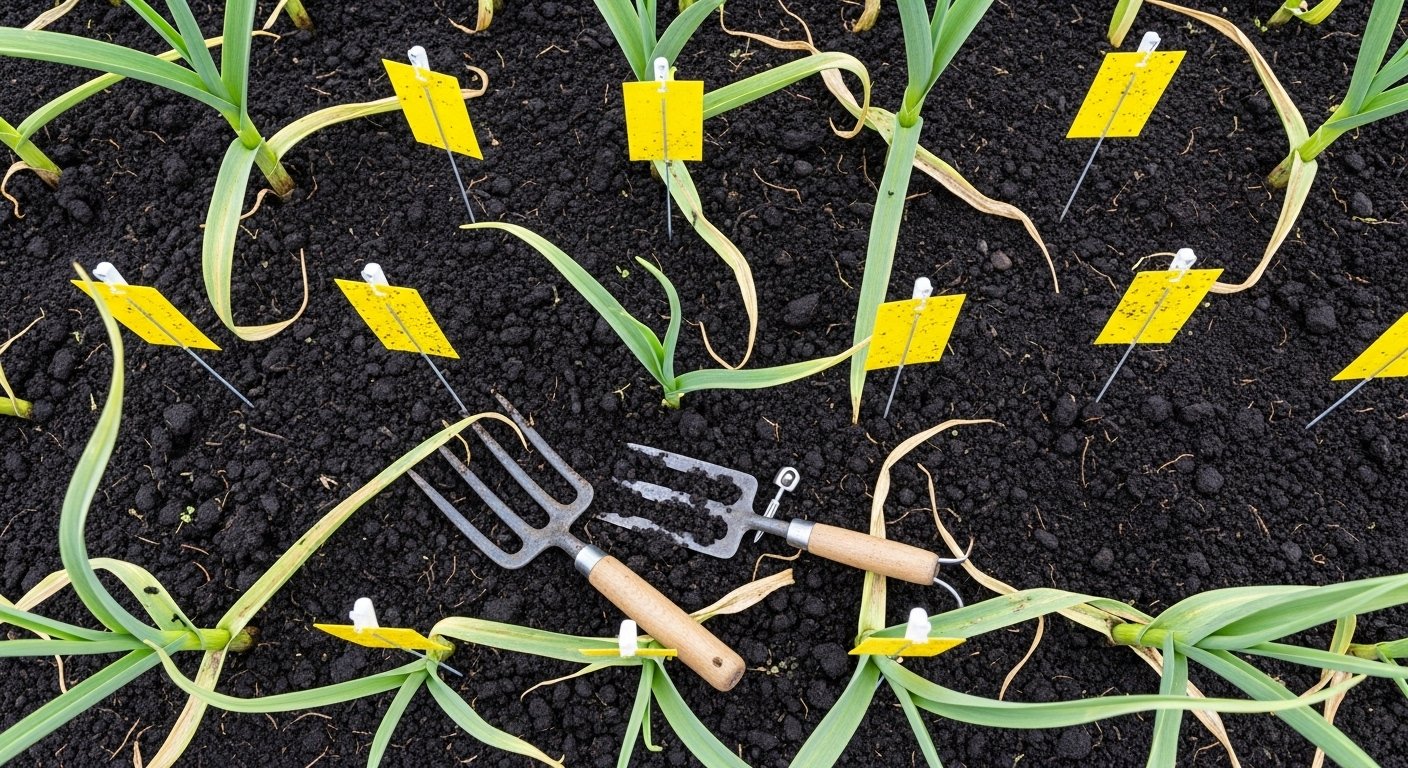
Catching pest and disease problems early can make all the difference in keeping your garden productive and healthy. One of the most effective monitoring strategies is simply making a habit of walking through your garden every few days and inspecting plants up close for wilting, discoloration, chewed leaves, or unusual markings.
Regular visual checks are especially useful for spotting the early signs of fungal diseases or insect infestations before they get out of control. Set up yellow sticky traps around your plants, particularly in greenhouses or vegetable beds—these inexpensive, brightly colored cards attract and trap flying insects like whiteflies, aphids, or fungus gnats, giving you a clear early warning of their presence.
Don’t forget to occasionally dig small samples of soil near plant roots to look for grubs, nematodes, or root-eating insects that are hard to see above ground. Keep a simple garden journal or use your phone’s camera to document what you find during each inspection; these records help you notice patterns over time and spot problems quickly if they start to repeat.
Investing a little time in these monitoring strategies not only makes it easier to catch issues early but also minimizes the need for chemical treatments, saving your plants from larger outbreaks and reducing your workload in the long run.
Integrated Pest and Disease Management (IPM)
Integrated Pest Management (IPM) is an eco-friendly approach that combines different strategies to effectively manage pests and diseases while minimizing risks to people, crops, and the environment. In garlic cultivation, IPM offers clear advantages for long-term sustainability: it reduces reliance on chemical pesticides, preserves soil health, and helps prevent the development of resistant pests and pathogens.
One of the most effective cultural practices in IPM is crop rotation—avoid planting garlic or related alliums in the same field for consecutive years. Rotating with non-host crops like beans or maize helps disrupt pest and disease cycles. Regular field sanitation is also vital; remove and destroy plant debris, especially after harvest, to prevent overwintering of pests and fungi. Early removal of infected plants can stop the spread of diseases such as white rot or downy mildew before they affect the entire crop.
When infestations are severe and require direct intervention, start with organic options such as neem oil or insecticidal soap, which target pests without harming beneficial insects or the surrounding environment. Biological fungicides, like those containing Bacillus subtilis, can safely suppress fungal diseases. As a last resort, use targeted chemical pesticides labeled for garlic, following the manufacturer’s instructions closely—pay particular attention to application rates and pre-harvest intervals to ensure produce safety. Spot treatments rather than blanket sprays help minimize chemical exposure and keep beneficial populations intact.
Beneficial insects and natural predators play a huge role in garlic IPM. Ladybugs and lacewings feed on aphids and other common pests, while parasitic wasps target cutworms and leaf miners. Encourage these helpful allies by maintaining plant diversity around garlic beds—flowering plants provide nectar and habitat for them. If you introduce natural predators, do so gradually and monitor their impact to ensure they’re having the desired effect.
By combining cultural practices, organic solutions, and the support of nature’s pest control agents, garlic growers can maintain healthy crops and reduce their environmental footprint for seasons to come.
Organic and Preventative Approaches
Taking an organic and preventative approach to garlic cultivation is key to growing healthy, robust bulbs without relying on synthetic chemicals. Begin by sourcing clean, disease-free seed garlic from reputable suppliers, since starting with healthy stock is your first defense against many pests and diseases.
Improve your soil’s health with regular amendments like well-rotted compost or aged manure, which provide a steady supply of nutrients while promoting beneficial soil organisms that help suppress pathogens naturally. Compost also enhances soil structure, ensuring your garlic has good drainage—crucial, as soggy soil can quickly lead to rot.
Companion planting is another powerful organic tool; interplanting garlic with crops like carrots, spinach, or even chamomile can help deter common pests such as aphids and onion maggots. Marigolds are especially useful when planted nearby, as they’re known to repel nematodes and other soilborne threats.
Be mindful of proper watering techniques: aim to keep soil consistently moist but never waterlogged, especially during bulb formation. Drip irrigation or targeted watering at the base of plants can minimize excess humidity around foliage, discouraging fungal diseases like white rot or downy mildew.
Regularly rotate garlic with unrelated crops every two to three years to further break the life cycles of soilborne pests and diseases. By focusing on these organic and preventative strategies, you’ll boost your garlic’s natural resilience, reduce reliance on pesticides, and enjoy a bountiful harvest season after season.
Conclusion: Keeping Garlic Healthy Year-Round
Keeping your garlic healthy throughout the year starts with spotting pests and diseases early, before they get out of control. Regularly check your plants for signs like yellowing leaves, stunted growth, or unusual spots—issues caught early are often easier to fix.
Prevention is just as important. Rotate your planting locations each year, avoid overwatering, and keep the area around your garlic free of weeds and debris to reduce the risk of fungus and insect infestations. It also helps to plant disease-resistant garlic varieties and use mulch to regulate soil moisture and temperature.
Take a proactive approach: stay consistent with your care routine, mark your calendar for important tasks like fertilizing and watering, and keep a garden journal to track what works best.
Quick Garlic Care Checklist
- Inspect plants weekly
- Water at soil level to avoid wet leaves
- Remove any sickly plants or leaves immediately
- Space bulbs well for airflow
- Always start with disease-free seed garlic
With a little attention and preventative care, your garlic can stay robust and productive all season long—a true kitchen staple and garden success.