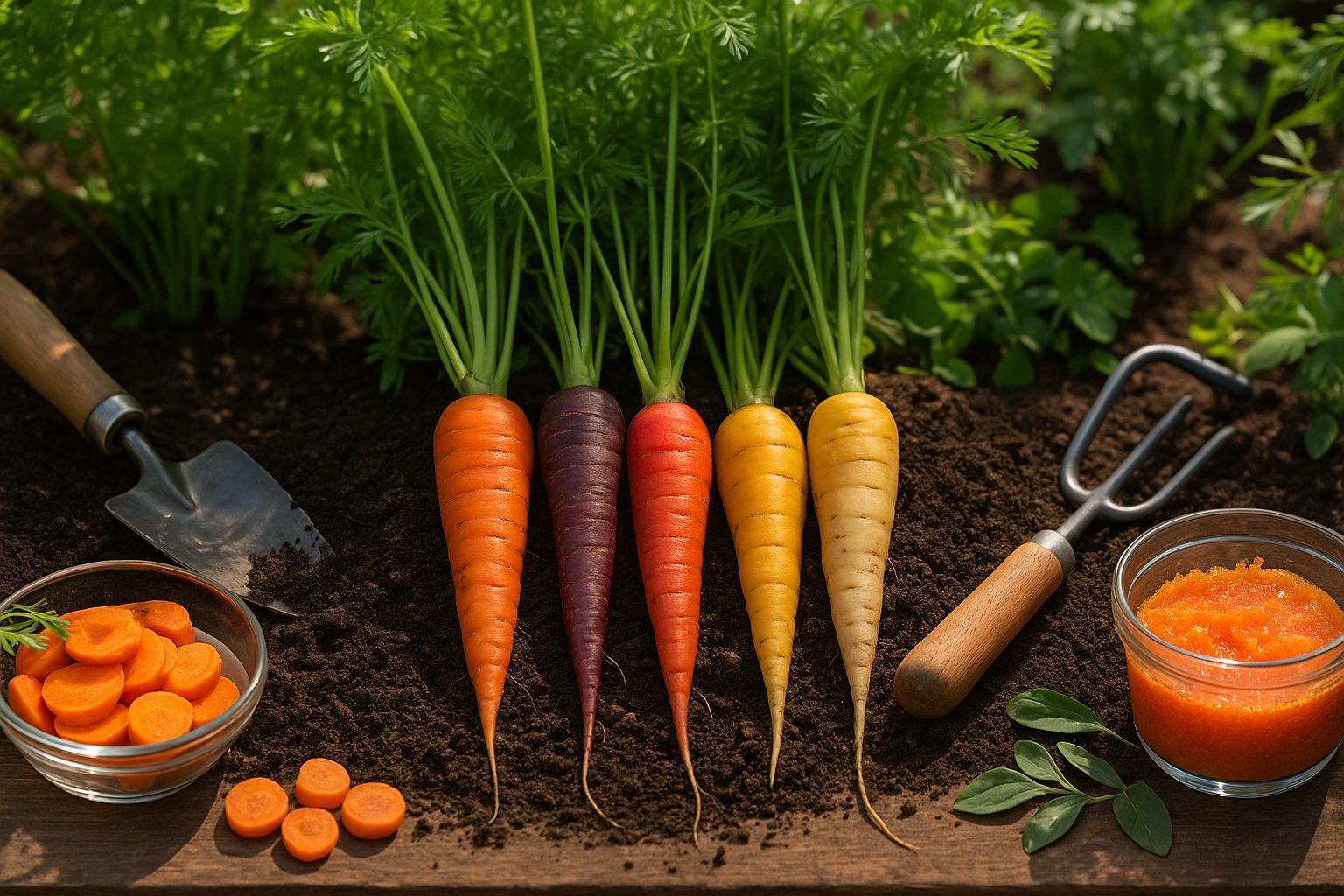
When to Plant Carrots
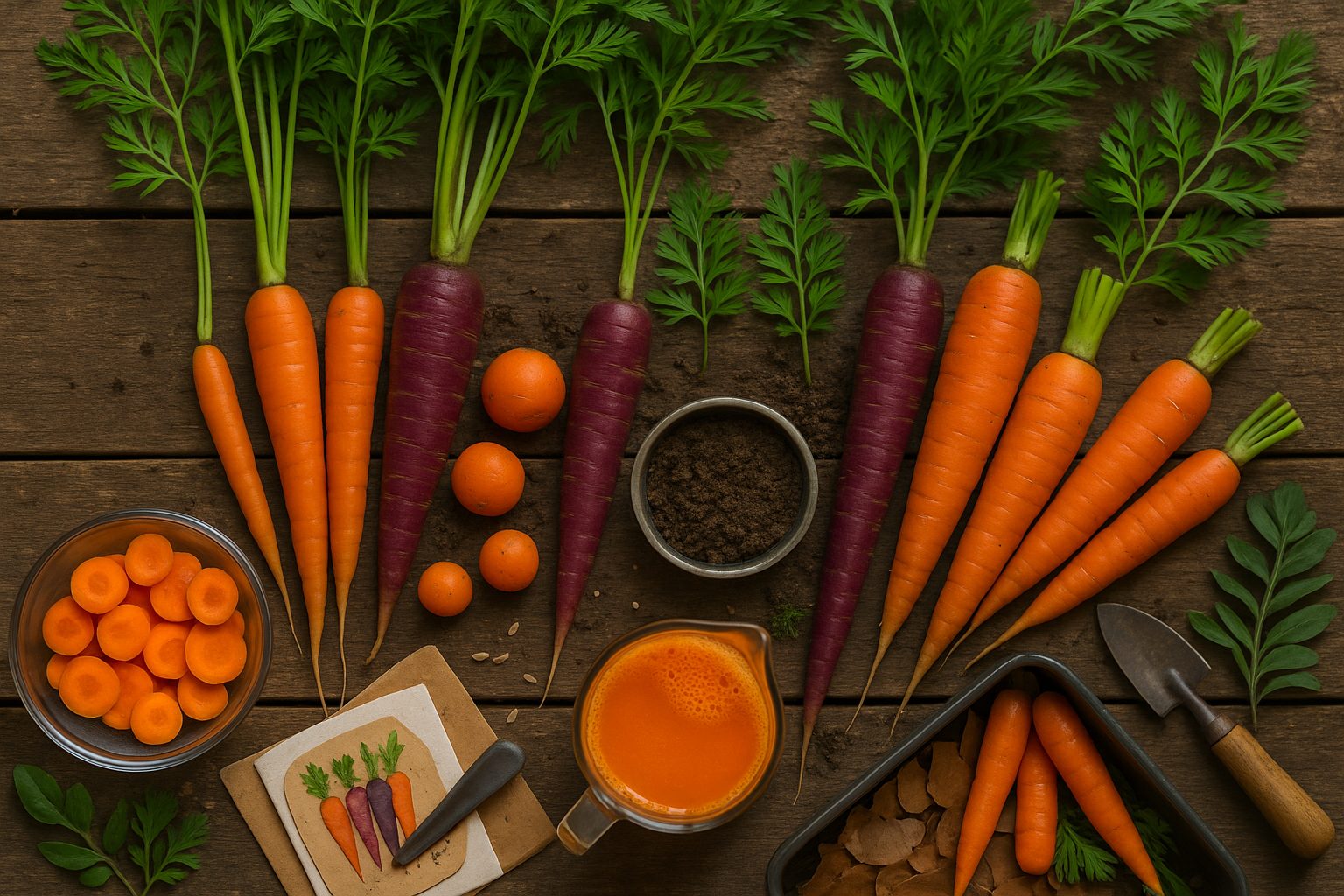
Knowing exactly when to plant carrots can make all the difference between a harvest of crisp, sweet roots and a season of stunted, lackluster growth. Timing is crucial because carrots are sensitive to temperature changes; plant them too early, and the seeds might rot in cold soil, too late, and summer heat can leave carrots tough or bitter.
Here’s the catch: the right timing isn’t the same for everyone—it depends heavily on your climate zone. For example, gardeners in warm southern regions start their carrot crops weeks (or even months) ahead of those in colder northern areas. Understanding your planting zone helps you predict the last spring frost and the first autumn chill, both of which directly impact the ideal carrot sowing window.
In this article, we’ll break down the best times to plant carrots according to different climate zones, so you can sow your seeds with confidence. Whether you’re in a chilly Zone 3 or a balmy Zone 9, you’ll find zone-specific tips and practical advice to make sure your carrots get the right start—and end up delicious on your table.
Understanding USDA Hardiness Zones
USDA hardiness zones are geographic areas defined by the United States Department of Agriculture to help gardeners choose plants suited to their local climates. Each zone is based on the region’s average annual minimum winter temperature, divided into 10-degree increments, ranging from zone 1 (coldest) to zone 13 (warmest). This system is essential for gardeners because it helps identify which plants will thrive and when to plant them—especially cool-season vegetables like carrots.
Knowing your USDA hardiness zone is the first step in learning when to plant carrots, since different zones experience frost and soil warming at varying times throughout the year. To find your specific zone, use the USDA’s detailed online map or trusted gardening websites by simply entering your ZIP code. Once you know your zone, you can refer to local extension services or seed packets, which typically provide recommended planting dates based on your zone.
However, understanding hardiness zones is just the beginning; successful carrot planting also relies on local frost dates and soil conditions. Carrots thrive in cool soil and should be planted a couple of weeks before your area’s average last spring frost—when soil temperatures consistently reach above 40°F (4°C). Planting too early risks seed rot, while planting too late can prevent proper carrot development before the summer heat arrives. Using a soil thermometer to check both frost schedules and soil temperature can make a big difference.
By aligning your planting time with your hardiness zone, frost dates, and soil readiness, you’ll give your carrot crop the best chance for strong, healthy growth.
General Carrot Planting Basics
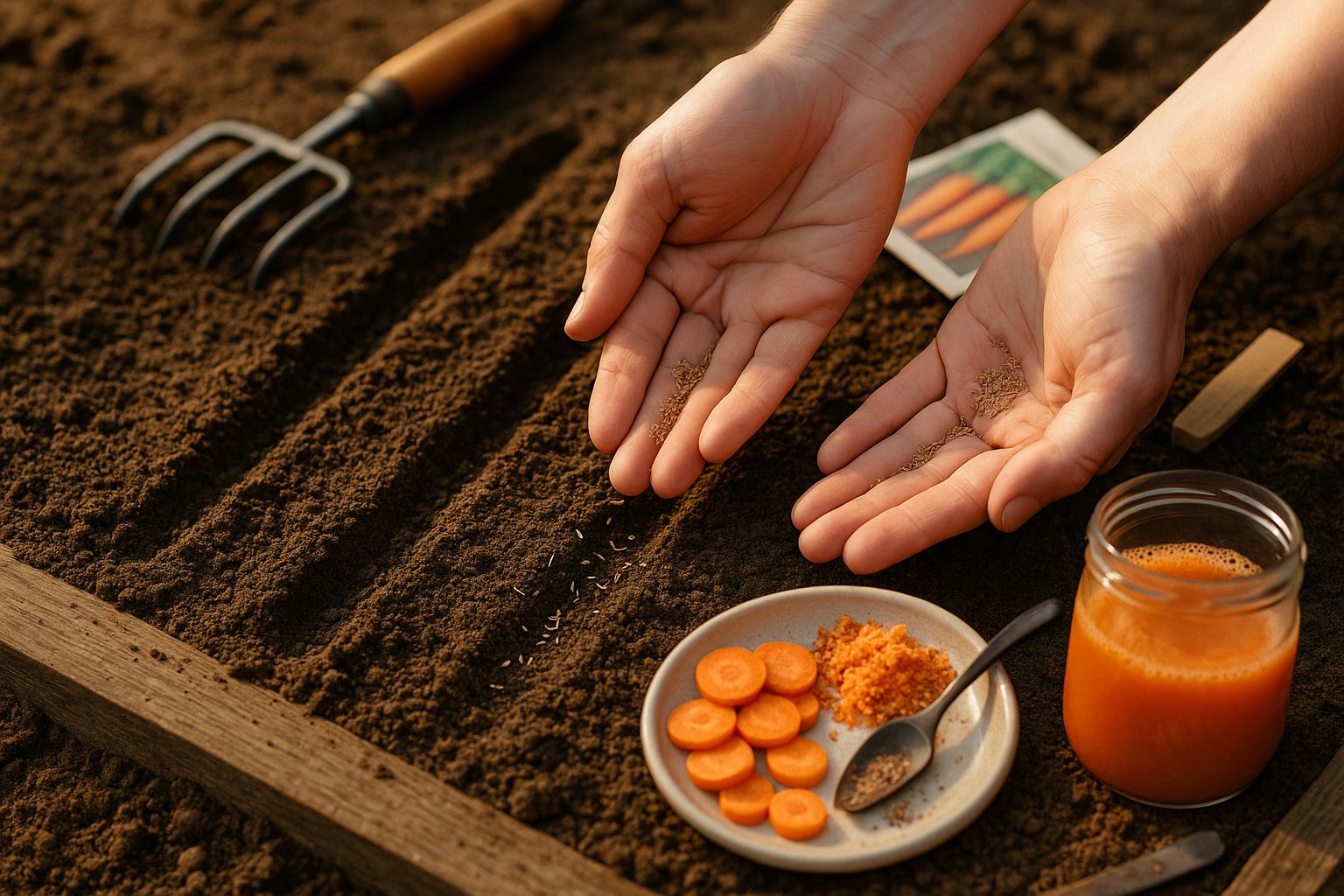
Understanding the fundamentals of when to plant carrots starts with knowing the conditions they need to thrive. Carrot seeds germinate best in loose, well-draining soil that’s free of rocks and clumps—these obstacles can cause roots to fork and twist. Aim for soil worked to a depth of at least 12 inches and enriched with compost for added nutrients.
Carrots are a cool-weather crop, preferring soil temperatures between 50°F and 85°F for reliable germination. In most climates, this means planting carrots in early spring or late summer when the worst heat has passed. For best results, sow carrot seeds about ¼ inch deep directly into the garden, since they don’t transplant well. Space the seeds 1 to 2 inches apart in rows 12 to 18 inches apart—this gives each root enough room to grow straight and long.
Carrots need full sunlight, ideally 6 to 8 hours a day, but in very hot areas, light afternoon shade can help prevent bolting. Once seedlings are a few inches tall, thin them to 2 inches apart to avoid overcrowding and malformed roots. For a longer harvest window, use succession planting: sow new rows every two to three weeks for a continuous supply of crisp, sweet carrots throughout the season. This method prevents your carrot patch from maturing all at once, letting you enjoy fresh homegrown flavor from spring through fall.
Carrot Planting Dates for Cooler Zones (Zones 3-5)
In cooler gardening zones like Zones 3 to 5, knowing when to plant carrots is crucial for a healthy and productive crop. These regions experience long winters and short growing seasons, so carrots should generally be sown outdoors after the soil has thawed and daytime temperatures consistently reach at least 50°F (10°C)—usually between late April and mid-May, depending on your exact location and the year’s weather. Some gardeners can plant as late as early June for a summer harvest.
It’s important to avoid sowing too early, as cold, wet soil can cause carrot seeds to rot or germinate poorly. To help warm the soil and speed up planting, cover your garden bed with a sheet of black plastic a week or two before your planned sowing date. This traps the sun’s energy and raises soil temperatures for better germination.
Choosing the right carrot variety is also key—opt for early-maturing, cold-tolerant options like ‘Napoli’, ‘Yaya’, or ‘Nelson’, which perform well in shorter, cooler seasons. These varieties develop quickly and resist bolting or misshapen roots caused by cool starts.
Even with careful timing, late frosts can happen in these zones. To protect emerging seedlings from unexpected cold snaps, keep frost blankets or lightweight row covers handy—they trap warmth and can make the difference between thriving sprouts and lost crops. Using raised beds is another smart move since they drain better and warm up faster than ground-level plots.
Lastly, monitoring both soil and air temperatures with a weather app or soil thermometer removes much of the guesswork, helping you nail the perfect planting window for carrots and ensuring a sweet, crunchy harvest even in the coolest climates.
Carrot Planting Dates for Moderate Zones (Zones 6-7)
For gardeners in moderate climate zones (USDA Zones 6-7), knowing when to plant carrots is key to a successful harvest. Typically, you can sow carrot seeds as soon as the soil is workable in early spring—usually from mid-March to early April. The important factor is that soil temperatures remain consistently above 40°F (5°C), since cold, wet soil can slow germination or even cause seeds to rot.
If you’re aiming for a fall harvest, plant a second round of seeds in late summer, between mid-July and early August. This timing lets your carrots mature as the weather cools, producing crisper, sweeter roots.
Using row covers during both planting seasons is a great idea. They help insulate seedlings from unpredictable spring chills and frost, while also protecting young fall carrots from hot summer sun and pests like carrot rust flies.
Balancing spring and fall crops in Zones 6 and 7 offers distinct advantages. Spring plantings get an early start, often yielding tender carrots for summer snacking, but they may compete with spring weeds or suffer if a hot, dry period arrives before harvest. Fall plantings face fewer weed and pest problems, and the colder nights enhance sweetness by converting starches to sugars. However, timing is crucial—if you sow too late, cool autumn weather can stop growth before roots fully develop.
For best results, stagger your plantings every couple of weeks within these windows. This strategy ensures a steady harvest and lets you make the most of your moderate zone’s flexible growing season.
Carrot Planting Dates for Warmer Zones (Zones 8-10)
Gardeners in warmer USDA Zones 8–10 enjoy mild winters and longer growing seasons, which open up unique possibilities for when to plant carrots. Unlike cooler regions, where carrots are typically sown in early spring, these zones allow for sowing during late fall, throughout the winter, and very early spring—often from October through February. This timing helps seedlings avoid the fiercest summer heat, resulting in crisper, sweeter roots.
However, rapid temperature swings and unseasonal warmth can stress young carrot plants, so a bit of care ensures a successful crop. To manage heat, cover newly seeded rows with a thick layer of mulch—such as straw, leaf litter, or grass clippings—which keeps the soil cool, conserves moisture, and reduces weed competition. During unexpected warm spells, use a shade cloth to protect seedlings from direct midday sun, and water more frequently but gently, keeping the top layer of soil consistently moist without becoming waterlogged.
Carrot seeds require steady moisture to break dormancy. Using a fine mist or setting a drip irrigation system on low helps maintain the ideal seedbed without disturbing tiny seeds. Choosing heat-tolerant varieties is another smart strategy. Varieties like ‘Danvers 126’, ‘Chantenay Red Cored’, and ‘Scarlet Nantes’ perform reliably in warmer soils and remain tender even if temperatures rise.
For soil moisture management, try covering seed rows with boards until seeds sprout to lock in moisture and shield the soil from drying winds. Remove the boards as soon as green shoots appear. Before planting, loosen soil deeply and work in plenty of compost, as carrots develop best in loose, fertile, and well-drained beds. With these strategies—timed planting, diligent moisture care, mulching, and choosing resilient varieties—gardeners in warmer zones can enjoy homegrown carrots nearly year-round.
Common Timing Mistakes & Fixes for When to Plant Carrots
One of the most common timing mistakes gardeners make with carrots is planting seeds too early in cold, wet soil, which can cause seeds to rot or delay germination. On the flip side, waiting until the heat of summer to sow can stress seedlings, leading to poor root development and bitter flavors.
To avoid these pitfalls, it’s crucial to monitor your soil temperature closely—carrots germinate best when the soil is between 55°F and 75°F. Using an inexpensive soil thermometer makes this easy. If your spring weather is unpredictable, try staggered sowing by planting small batches every two to three weeks. This way, at least some of your carrots will hit optimal conditions.
Improving soil drainage and texture—such as adding compost or sand if you have heavy soil—can also help manage excess moisture in early spring. Don’t be afraid to take notes each season; tracking what worked (or didn’t) for your zone will help you fine-tune when to plant carrots over time.
By paying close attention to temperature, refining your soil, and learning from each attempt, you’ll avoid the most common timing issues and enjoy a more reliable carrot harvest.
Conclusion & Next Steps
Aligning your planting dates with your specific climate zone is key to a successful carrot harvest—planting too early or too late can result in poor germination or stunted roots. Don’t be afraid to experiment a bit each season and keep notes on what works best in your garden; tracking your results will help you fine-tune your approach year after year. For even better outcomes, explore guides on selecting the right carrot varieties for your zone or learn strategies for boosting germination rates. These next steps can help you grow sweeter, more abundant carrots with confidence.