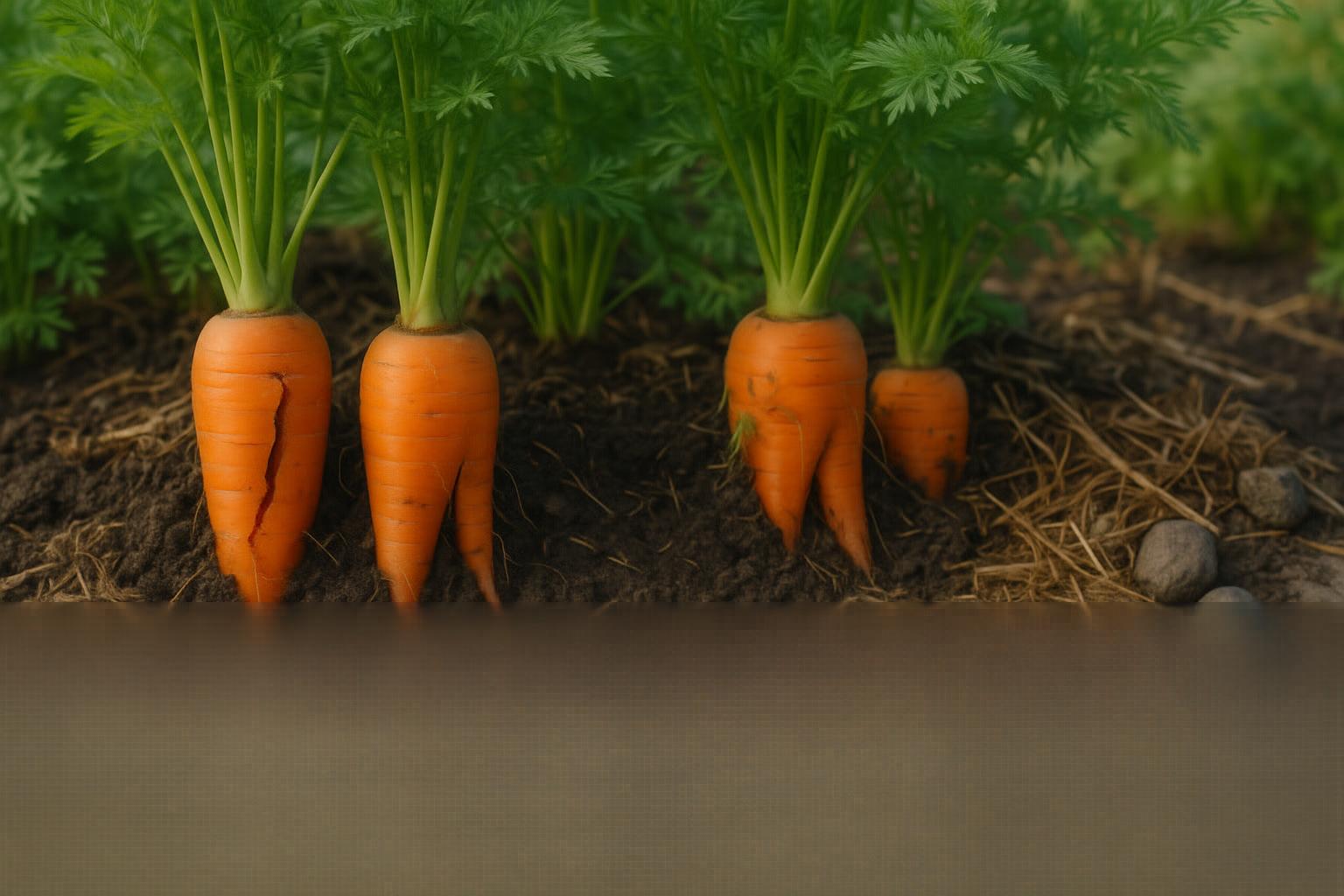
Why Do Carrots Crack?
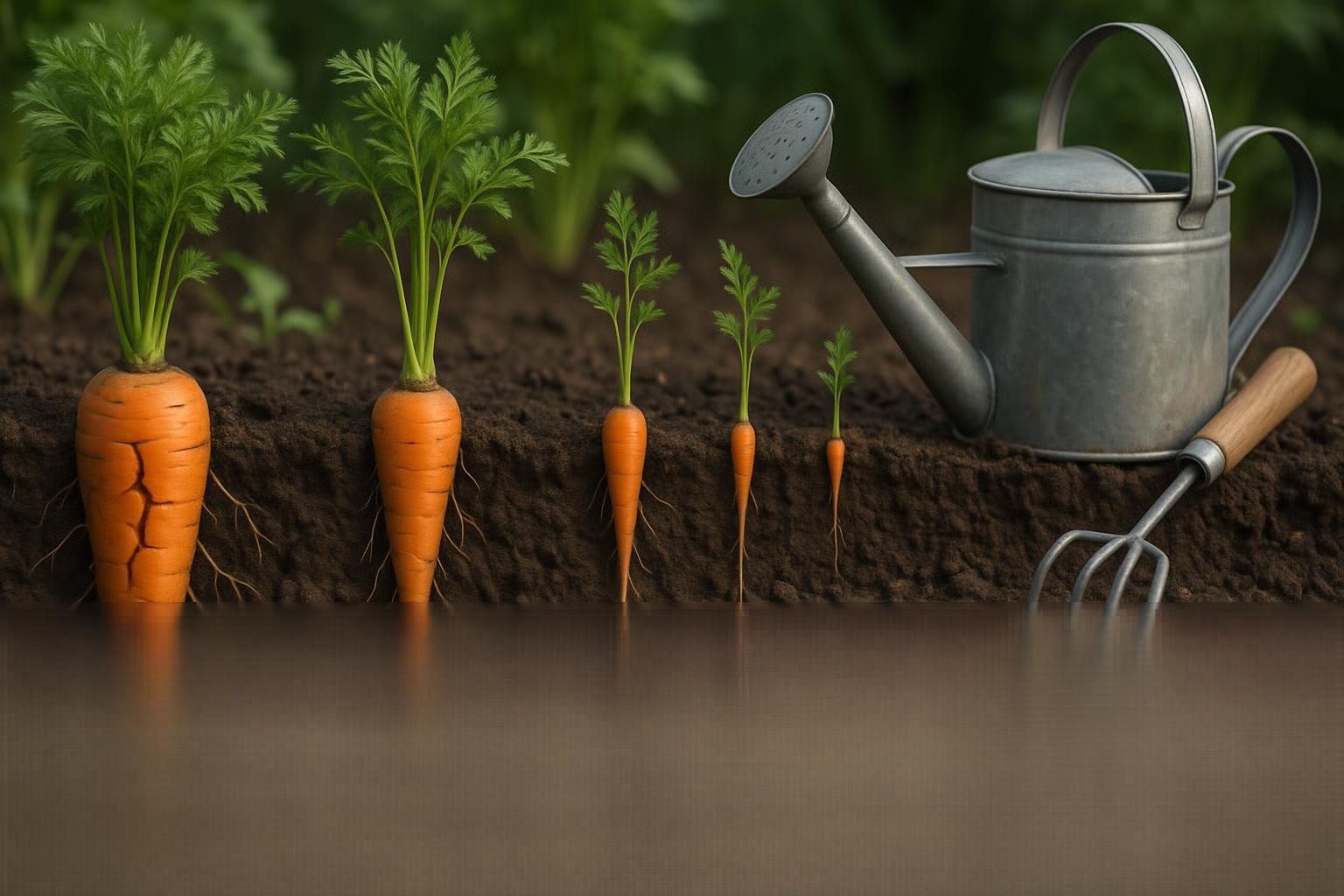
If you’ve ever pulled up cracked garden carrots, you’re probably wondering if they’re still safe to eat and what causes those pesky splits in the first place. carrot cracking is a common problem for home gardeners and is usually the result of environmental stresses. Sudden changes in soil moisture—like a heavy rainstorm after a dry spell or irregular watering—are the main culprits. When carrots suddenly absorb a lot of water after being stressed by drought, the inner part of the root swells faster than the skin can stretch, leading to splits or cracks.
But water isn’t the only issue affecting your carrot harvest. Other factors like heavy or compacted soil can make it harder for developing roots to expand evenly, resulting in pressure buildup and cracking. Over-fertilizing, especially with nitrogen-rich fertilizers, can spur rapid growth spurts above what the skin can handle, leading to splits. Genetic variety also plays a role—some carrot cultivars are simply more prone to cracking than others.
Managing these factors goes a long way. Keep your carrot bed consistently moist by watering deeply and regularly, especially during dry periods. Use well-draining, stone-free soil, and avoid going overboard with fertilizer. Choose carrot varieties known to resist cracking. With a little attention, you’ll not only minimize cracks but also ensure your harvest is healthy and delicious—whether your carrots are perfectly smooth or carry a few harmless scars.
Impact of Soil and Watering on Carrot Health
Healthy carrot growth starts with the right soil and watering habits. Carrots thrive in well-drained, loose soil because compacted or rocky ground causes their roots to split or grow in strange shapes. When growing carrots, take time to prepare your soil by breaking up heavy clumps and removing rocks or debris with a rake or sieve—this helps prevent the roots from encountering resistance as they grow downward.
Raised beds or deep containers filled with light, sandy loam can significantly boost your chances of pulling up straight, healthy carrots.
Just as important as soil structure is a consistent watering schedule. Carrots need regular moisture, but not soggy conditions. If the soil swings between dry and overly wet, carrot roots may crack from the stress of sudden water absorption, often leaving them unappealing and more susceptible to disease.
To avoid this, water deeply once or twice a week, making sure the soil stays evenly moist but not soaked. Mulching with straw or shredded leaves helps retain soil moisture and keeps the temperature steady.
By investing a bit of time upfront in clearing your planting area and establishing a regular watering routine, you’ll keep your carrots stress-free and improve both their size and flavor.
Preventing Cracked Carrots
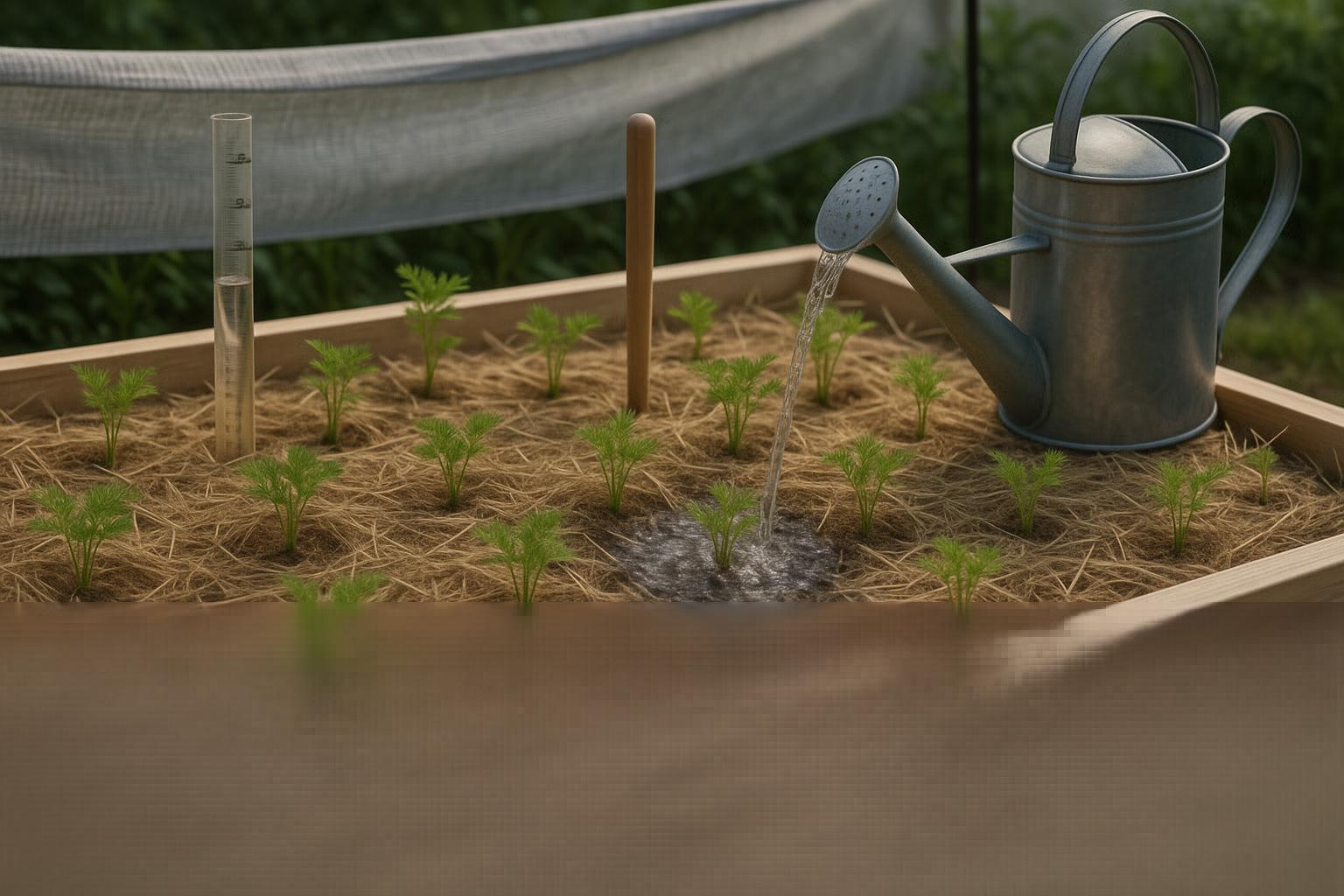
Preventing cracked carrots starts with maintaining steady soil moisture, as rapid drying and wetting cycles are the main causes of split roots. Water your carrot patch regularly—about one inch per week is ideal—making sure to soak the soil deeply rather than giving frequent, shallow sprinkles.
Consistency is key: set a watering schedule, and use a rain gauge or stick your finger into the soil to check for dryness below the surface. Mulching with a 2-3 inch layer of straw or shredded leaves helps keep the carrot bed’s moisture levels even and also suppresses weeds that compete for water.
Just as important is spacing; when thinning seedlings, leave at least one to two inches between each carrot. Crowded plants create competition for resources, leading to stunted or misshapen roots that are more prone to cracking.
By being mindful of both how much and how often you water—plus using mulch and giving your carrots room to grow—you’ll greatly improve your chances of harvesting smooth, intact roots instead of split ones.
The Role of Weather and Environment
Temperature swings and changing seasons play a significant role in carrot cracking. When carrots experience rapid shifts from dry to wet conditions—such as a sudden rain after a dry spell—the roots can quickly absorb excess water, leading to splits as they expand faster than their skin can stretch. Similarly, high temperatures and prolonged dry weather can stress carrots, making them more prone to cracking once water becomes available.
To protect your crop, consider these tips:
- Use lightweight row covers during heatwaves to minimize temperature extremes.
- Add shade cloth to buffer intense afternoon sun.
- Mulch soil to keep moisture levels steady, reducing stress on the plants.
- Be mindful of fertilization; excessive nitrogen, often found in high-powered fertilizers, can cause carrots to grow too rapidly, weakening their skin and increasing the risk of cracking.
- Stick to balanced fertilizers and avoid overfeeding, especially as carrots mature.
By adjusting watering habits, using protective covers, and practicing careful fertilization, you can grow healthier, intact carrots no matter what the weather throws your way.
Are Cracked or Deformed Carrots Safe to Eat?
Cracked or deformed carrots are usually perfectly safe and just as nutritious as their flawless counterparts, so there’s no need to toss them out. Imperfections like splits, forks, or odd shapes often happen because of uneven growth or limited space in the soil, not because the carrot is spoiled.
However, it’s important to check for more serious warning signs before eating. If you see black spots, mold, slimy or mushy areas, or notice a foul smell, the carrot may be rotting or diseased and should be discarded.
As long as the carrot feels firm and smells fresh, simply trim away any blemishes and use the rest. Imperfect carrots are great for recipes where looks don’t matter, such as soups, stews, roasted veggie mixes, or even homemade juices.
Chopping them up small or blending them into purees is an easy way to reduce food waste while enjoying their full flavor.
Common Pests and Diseases That Affect Carrots
Carrots are vulnerable to a variety of pests and diseases that can ruin your harvest or lead to deformed, unappetizing roots. Root-knot nematodes, for example, are tiny soil-dwelling worms that invade carrot roots, causing unsightly galls and stubby, twisted carrots.
Other frequent pests include carrot rust flies, whose larvae tunnel through the roots, making them unfit to eat. On the disease side, problems like cavity spot and crown rot—often caused by soilborne fungi—result in pits and soft spots on the roots. Leaf blights can also weaken plants, reducing their vigor and yield.
To prevent these issues:
- Rotate crops each year.
- Avoid planting carrots where you’ve previously grown them or related vegetables.
- Keep your beds free of decaying plant material.
- Use floating row covers early in the season to thwart invading insects.
- Ensure well-draining soil to help reduce disease risk.