Introduction
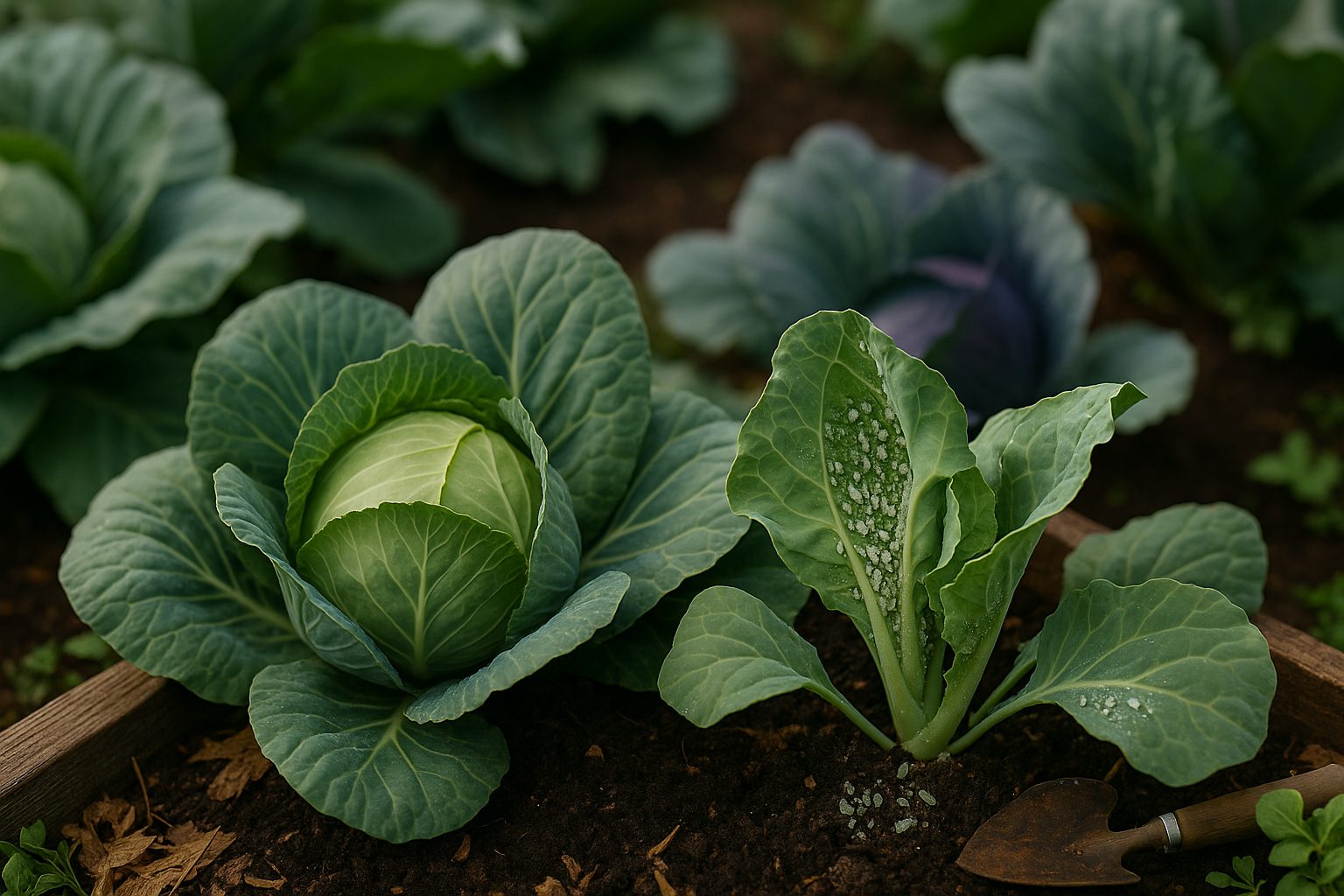
Spotting aphids on cabbage can be every grower’s headache—especially when the culprit is the mealy cabbage aphid, one of the most persistent pests impacting Brassica and related crops. These tiny, grayish-green insects aren’t just unsightly; they sap the life from your cabbage, stunt growth, and can even transmit plant diseases.
Knowing how to identify aphids on cabbage quickly is key, and understanding their lifecycle helps you target them before populations explode. Familiar signs include curling leaves, sticky honeydew, and clusters of aphids hidden in leaf curls.
In this guide, you’ll learn how to recognize aphid damage, when they’re most active, and—most importantly—how to manage infestations using natural, effective methods. Whether you’re tending a backyard patch or managing a larger crop, these practical, time-tested strategies will help you protect your cabbages without reaching for harsh chemicals. Let’s get your greens thriving again, naturally.
How to Identify Mealy Cabbage Aphids
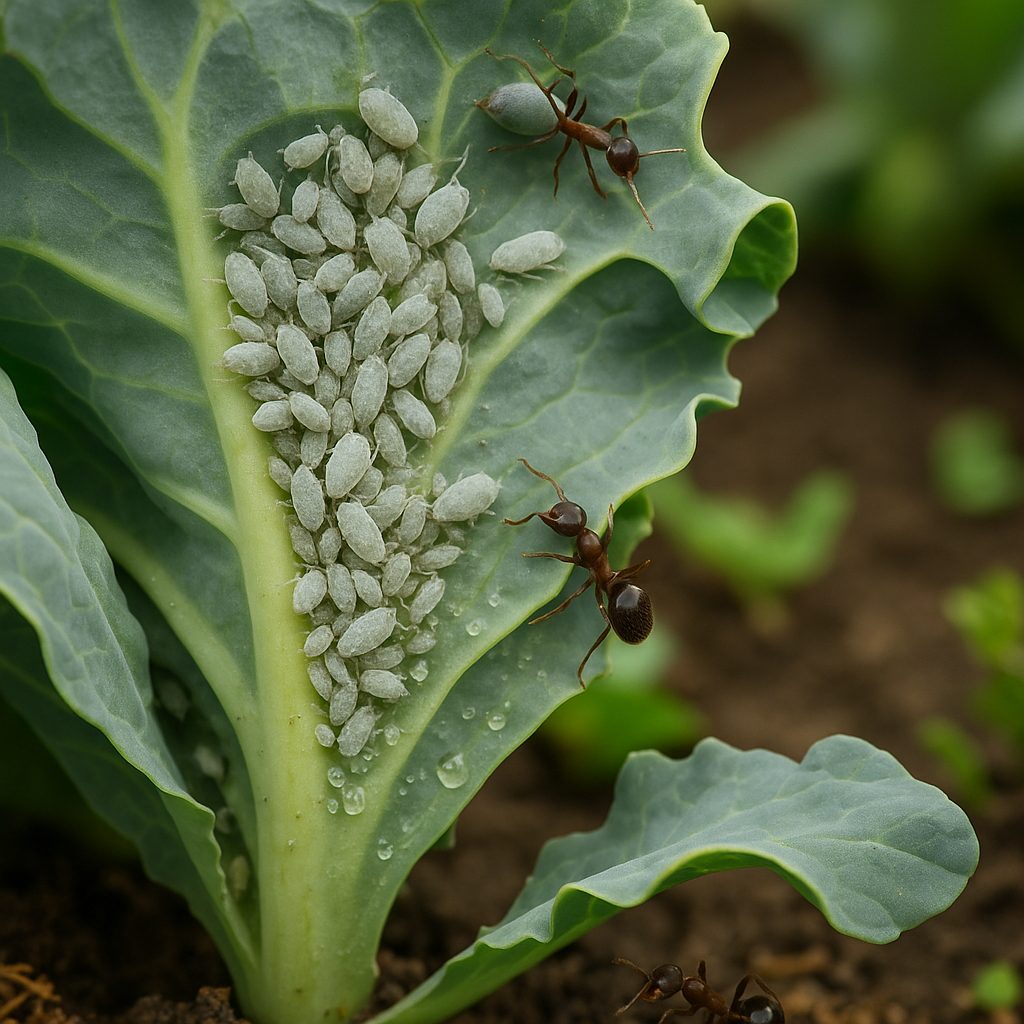
Spotting mealy cabbage aphids isn’t always straightforward, but a few key traits can help you quickly tell them apart from other garden pests. These insects are tiny—usually about 2-3 mm long—and their bodies range from pale green to yellow-green, blending in with the leaves of brassica plants like cabbage, broccoli, and kale.
What sets them apart from other aphid species is their distinctive white, powdery “mealy” or waxy coating, which often gives infested plant parts a dull, grayish appearance. Unlike green peach aphids or other common varieties, mealy cabbage aphids cluster in dense colonies, mainly on the undersides of leaves, inside leaf curls, and along tender stems.
Home gardeners can use a simple magnifying glass to get a closer look if unsure—you’re searching for pear-shaped insects that look dusted with white powder. Another clue: infested leaves often curl, wrinkle, or become sticky with honeydew, and you may spot ants attracted to this sweet residue.
Regularly checking new growth and inner leaves, especially on your cabbages, kales, or Brussels sprouts, can help you catch an outbreak early before damage spreads throughout your garden.
Understanding the Aphid’s Lifecycle and Behavior
Aphids are tiny yet prolific pests, and understanding their lifecycle is key to effective management. Typically, an aphid’s lifecycle begins with eggs that overwinter on host plants, surviving cold months tucked on bark or near buds. As temperatures rise in spring, these eggs hatch into nymphs—wingless, immature aphids that quickly progress through several molts to become adults.
What makes aphids especially tricky is their ability to reproduce parthenogenetically, meaning females can give birth to live young without mating, often producing dozens of offspring per week. This results in explosive population growth during the growing season, with overlapping generations that can blanket plants in little time. In many climates, multiple generations will thrive in a single season, and when conditions get crowded or food becomes scarce, some nymphs develop wings and fly off to colonize new plants.
Behaviorally, aphids are known for clustering in dense groups, particularly on tender new growth or the undersides of leaves, where sap is abundant and predators are easier to evade. Interestingly, many species form mutualistic relationships with ants—the ants protect aphids from enemies in exchange for sweet honeydew droplets, making infestations stubbornly persistent.
Aphid movement usually happens in short, shuffling bursts, but winged forms can travel several meters or even between fields. Their seasonal activity is heavily influenced by local climate and latitude; in mild regions, some aphid species can persist through winter, while harsher conditions limit survival to the egg stage. Warm, wet springs often trigger early outbreaks, and infestations tend to be worse in years with mild winters.
By monitoring the seasonal ebb and flow of aphid populations and staying alert to symptoms like curled leaves and sticky residue, gardeners and farmers can act swiftly before these small insects cause outsized damage.
Damage to Crops and Economic Impact
Aphid infestations in crops can be easy to spot if you know the symptoms: look out for yellowing or curling leaves, stunted plant growth, and a shiny, sticky residue known as honeydew on stems and foliage. As honeydew accumulates, it attracts black, sooty mold, which further limits your plant’s ability to photosynthesize.
The most direct form of damage from aphids comes from their constant feeding; these tiny pests suck out essential nutrients from plants, causing noticeable weakness and visible injury at the feeding sites. However, the indirect effects can be just as serious: aphids are notorious for transmitting plant viruses, which can spread rapidly through an entire field and devastate yields.
Certain crops are particularly vulnerable, including wheat, barley, potatoes, beans, and many fruit-bearing plants. Yield losses often result from both reduced photosynthetic ability and direct tissue injury, while quality declines because of blemished produce or virus-related deformities.
To know when aphids are about to do real economic harm, regularly inspect your plants. If you observe dense clusters of aphids (typically more than 50 per leaf), widespread honeydew or sooty mold, or early signs of stunting and distortion, you have likely crossed the threshold where control measures—such as targeted pesticide use or introducing natural aphid predators—are warranted. Acting quickly at this stage helps prevent irreversible crop and financial losses.
Scouting, Monitoring & Risk Assessment
Regular crop inspections are crucial for managing aphid infestations before they spiral out of control. Early detection gives you a significant head start—catching just a few aphids can prevent larger outbreaks that are harder and more expensive to tackle later.
Effective scouting starts with checking a representative sample across your field; don’t just look at field edges or the tallest plants. Walk in a zigzag or “W” pattern and examine both upper and lower leaf surfaces, paying special attention to young, tender growth where aphids usually cluster.
Ideally, inspect your crops at least once a week, increasing to twice weekly during periods of rapid plant growth or when weather conditions turn mild and humid, which are perfect for aphid reproduction.
Look closely for direct signs like clusters of small, soft-bodied insects, sticky honeydew, and sooty mold, as well as indirect symptoms such as distorted leaves or yellowing.
Risk of infestation climbs if your fields have a history of aphids, nearby weedy areas, susceptible crop varieties, or if recent weather has been unusually warm—conditions that favor aphid populations.
Keeping accurate, dated records of your scouting results is just as important as the inspections themselves. Note where and when aphids were found, population levels, and any observed plant stress.
Over time, these records reveal patterns and help you make data-driven decisions about when and how to intervene, whether with natural predators or targeted treatments, saving money and minimizing unnecessary pesticide use.
Practical Management & Control Methods
Managing aphids effectively on your plants calls for a toolbox approach, where non-chemical strategies come first and insecticides are used only when necessary.
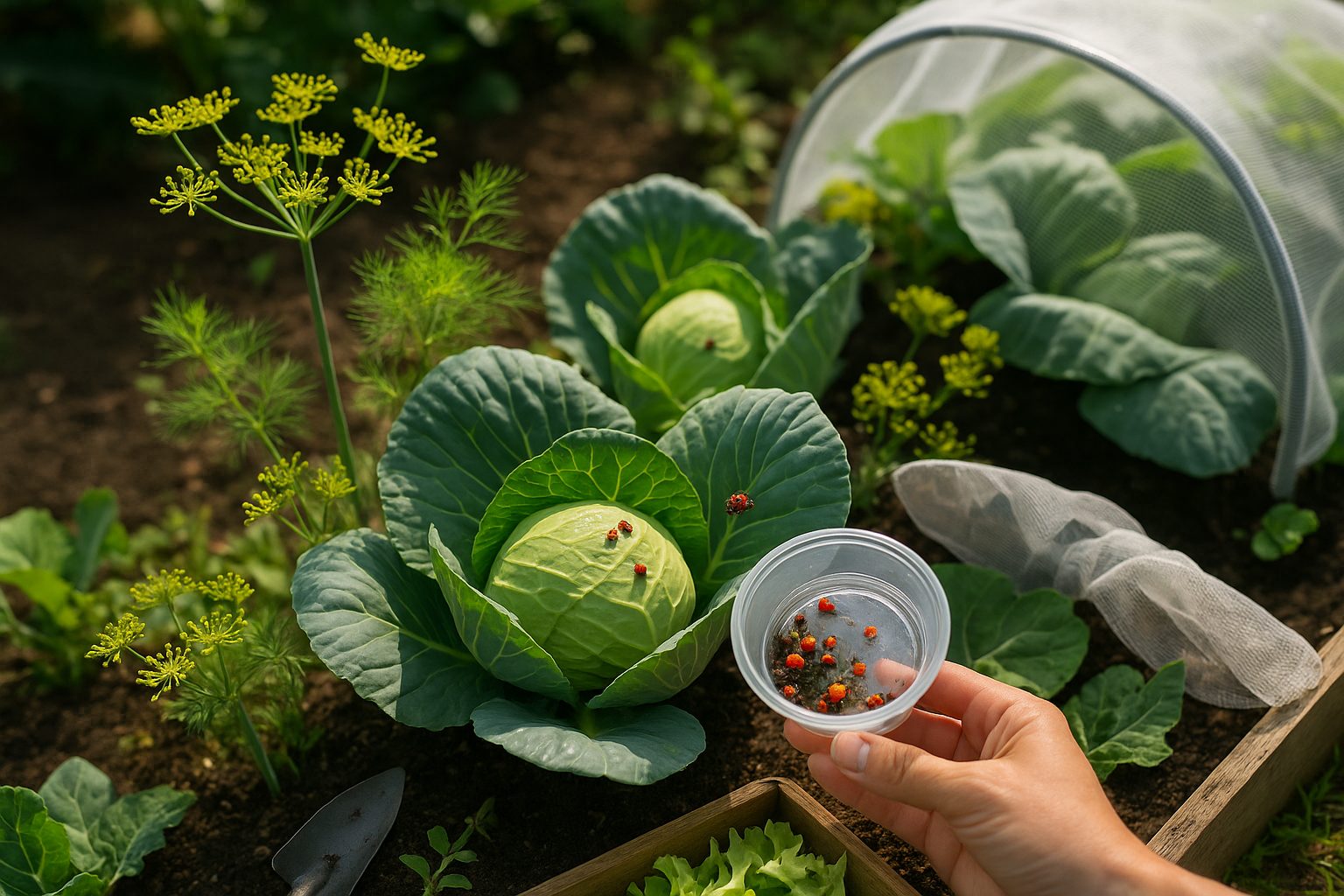
Start by encouraging natural enemies—ladybugs and lacewings are voracious aphid predators you can release in your garden or attract by planting flowering herbs like dill and fennel. Physically removing infested or damaged plant material helps disrupt the aphids’ life cycle and stops an infestation from spreading further. Barriers, such as fine mesh netting, can physically block aphids from reaching your prized crops, particularly during peak infestation periods. Choosing aphid-resistant plant varieties whenever possible can also minimize long-term issues, reducing the need for intervention.
If non-chemical methods can’t keep aphids in check, consider insecticide options as a last resort. Look for targeted active ingredients like insecticidal soaps or neem oil, which are relatively gentle on beneficial insects and the environment. Always apply insecticides during the early morning or late evening hours, when pollinators such as bees are less active, to reduce negative impacts on these important creatures. Be sure to follow label directions carefully and avoid spraying flowering plants directly.
The most effective and sustainable results come from integrated pest management (IPM), blending several of these methods for long-term control without overreliance on chemicals. For example, start the season by planting resistant varieties and encouraging beneficial insects, monitor plant health regularly, and only reach for insecticides when monitoring shows a genuine need. By making IPM your standard practice, you’ll protect your garden, support pollinators, and maintain a healthier, more resilient ecosystem year after year.
Prevention and Planning for the Future
Minimizing future aphid risks starts with planning and prevention. One key strategy is crop rotation—avoid planting Brassica crops (like cabbage and broccoli) in the same location year after year. This deprives aphids of a steady host and disrupts their lifecycle.
Pair this with thorough field sanitation by clearing away all plant debris at the end of each season. Leftover stems and leaves can harbor both overwintering aphids and their eggs, so removing and properly disposing of debris reduces the chance of early infestations in spring.
Planting aphid-resistant crop varieties is another effective step; even partial resistance can keep aphid numbers below damaging levels when combined with other tactics. Consider incorporating companion plants such as nasturtiums or marigolds, which can act as natural aphid traps.
To improve your management year after year, keep detailed records on where you plant each crop, which varieties you use, and the level of aphid pressure you observe. Make note of the controls you tried and how well they worked. Over time, this information will help you pinpoint what’s most effective on your farm or garden, allowing you to adapt your strategy for healthier, more resilient crops.