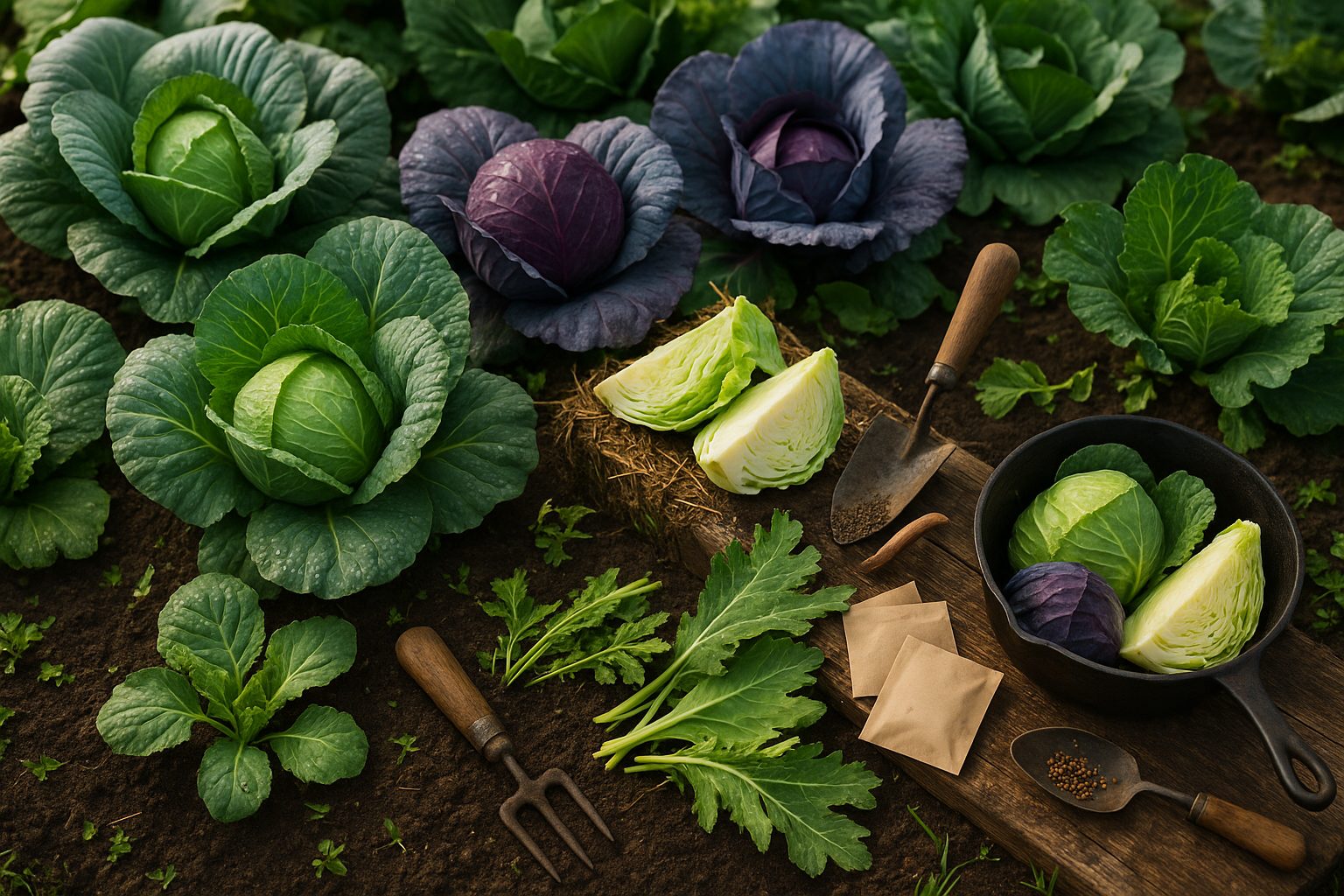
Choosing the Right Cabbage Variety
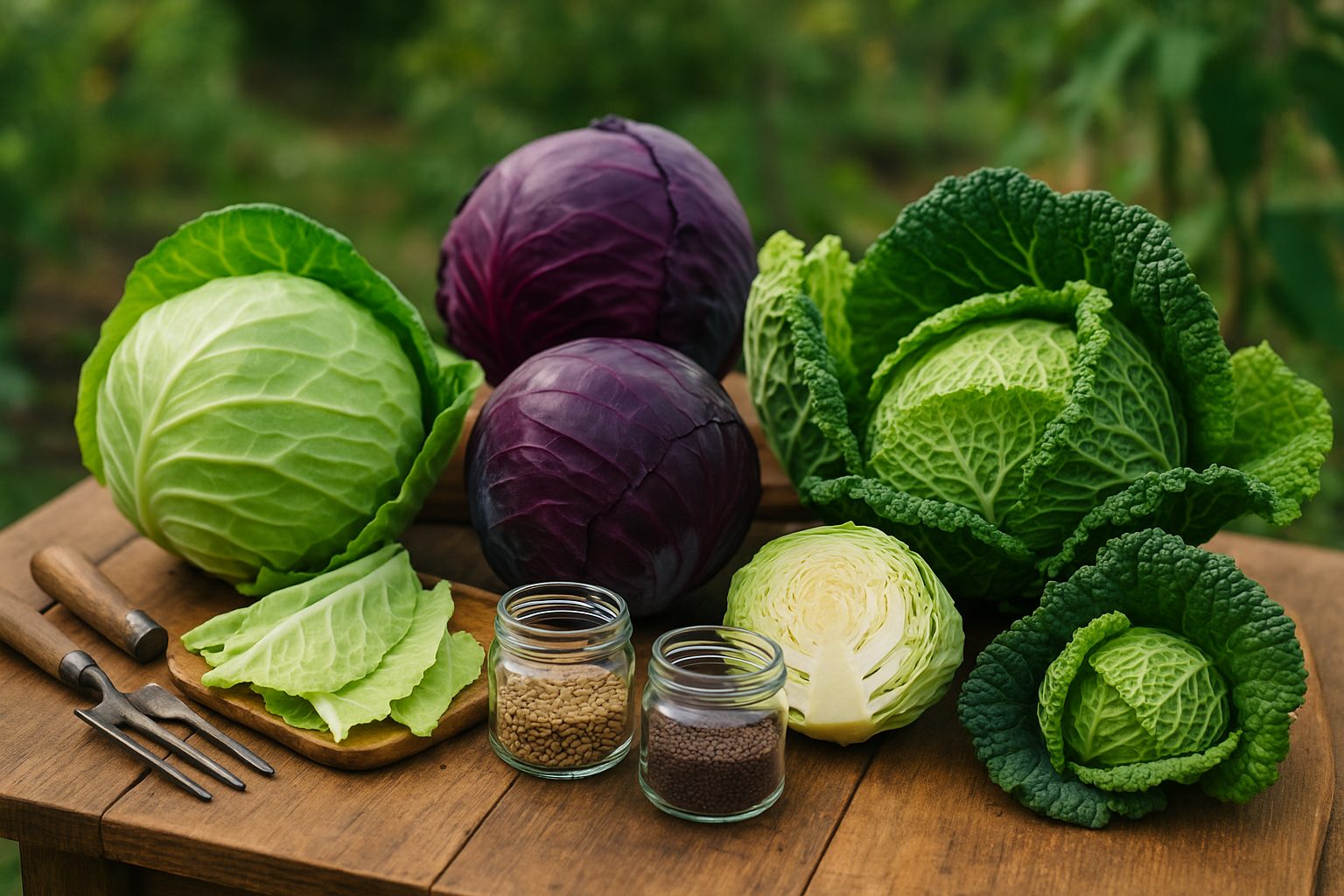
If you’re interested in saving cabbage seeds, one of the very first and most important steps is choosing the right cabbage variety. Not all cabbages are created equal when it comes to seed saving—your future garden’s success starts with this decision.
Understanding the differences between open-pollinated, hybrid, and heirloom varieties will save you both time and disappointment.
Open-pollinated cabbage varieties, often labeled “OP,” reliably produce seeds that grow into plants like their parents, which is what you want for consistent, high-quality crops year after year. Heirloom cabbages are a type of open-pollinated variety with the added bonus of a history of being passed down through generations; they’re known for unique flavors and proven hardiness.
On the other hand, hybrid cabbages, marked as “F1” on seed packets, are the result of controlled cross-breeding. While hybrids often have desirable traits like disease resistance or faster maturation, the seeds they produce don’t stay true to type—meaning the next generation can be unpredictable in taste, size, and performance.
So, for successful seed saving, always start with open-pollinated or heirloom cabbages.
Next, focus on plant health and traits. Choose parent plants that are robust, disease-free, and show the qualities you most enjoy—whether that’s crisp texture, vibrant heads, or tolerance to local weather.
If you want to get specific, tag the best-performing heads early in the season so you remember which to let flower. Avoid collecting seeds from any plants that bolt prematurely or show weakness, as their traits could pass on to future crops.
Remember: saving cabbage seeds is all about selection. The more care you take now in variety and plant choice, the better your results will be for seasons to come.
Understanding Isolation Distance and Pollination
Isolation distance is the minimum space needed between different varieties of the same crop to prevent unwanted cross-pollination and maintain seed purity. This practice is essential for gardeners and seed producers who want to preserve specific plant traits, such as head shape or disease resistance, in future generations.
For cabbage, which relies primarily on cross-pollination, isolation is especially important. Cabbage flowers produce plenty of nectar, attracting pollinators like bees, flies, and other insects that can easily transfer pollen from one plant variety to another. Unlike some crops that readily self-pollinate, cabbage is largely self-incompatible, meaning it needs pollen from a different plant to set seed. This trait increases the risk of cross-pollination when multiple varieties are grown together.
To ensure seed purity, it’s best to maintain an isolation distance of at least 1,000 meters (about 0.6 miles) between different cabbage varieties, particularly if you’re producing seed for replanting or sharing with others. If space is limited, physical barriers like fine mesh netting or fabric cages can be erected over the flowering heads to prevent insect access.
Another practical approach is to stagger planting times so only one variety is in bloom at any given moment, reducing the chance of pollen mixing. For the home gardener, even a combination of modest spacing (at least 250 meters if possible), timed flowering, and hand-pollination or bagging individual flowers can make a big difference.
Remember to monitor pollinators’ activity during the flowering period, as their range and numbers can affect how strictly you need to follow these guidelines. By carefully managing isolation methods, you can enjoy true-to-type cabbage seeds that produce reliable, healthy crops year after year.
Selecting and Preparing Cabbage for Seed Saving
When saving cabbage seeds, start by selecting the healthiest, most vigorous plants from your garden. Look for cabbages that have formed dense, uniform heads, show no signs of disease or pest damage, and exhibit traits you want to preserve—such as color, size, or flavor. This careful selection is crucial because cabbages are biennial, meaning seeds won’t form until their second year, so you want only the best genetics moving forward.
To further improve your seed crop, practice “roguing.” This means regularly removing any subpar or unusual plants, including those with poor growth, off-type leaves, or signs of illness. Roguing prevents undesirable traits from being passed on and helps maintain a strong, reliable cabbage variety for your garden.
After identifying your top candidates, leave them in the ground until they’re mature in their first year. Then, before the onset of winter, carefully dig up each chosen plant, taking care not to damage the roots. Trim the outer leaves, but leave the main head and some inner leaves intact. Store these cabbages in a cool, slightly humid space, like a root cellar or unheated basement, ensuring they don’t dry out or freeze.
When spring arrives, replant the cabbages outdoors, spacing them adequately to allow room for tall flowering stalks. With proper care—watering, staking if needed, and keeping pests at bay—these overwintered cabbages will bolt, send up flower stalks, and produce seed pods by mid to late summer. This process ensures the cabbage seeds you collect will be robust, disease-resistant, and true to type, ready for next season’s planting.
Overwintering and Growing Out Cabbage for Seeds
Cabbage is a biennial crop, which means it takes two years to complete its seed production cycle. In the first year, the plant focuses on growing the leafy head, while the second year is dedicated to producing flowers and seeds—so patience is key if you want to save your own seeds.
Overwintering your cabbage plants is essential, and the best method depends on your climate.
In Mild, Frost-Free Regions
You can leave mature cabbage plants in the ground, mulching them heavily to protect the roots from cold snaps.
If Your Winters Are Harsher
Consider carefully lifting the plants—with roots attached—and storing them in a cool, dark basement or root cellar. Shake off excess soil but don’t let the roots dry out; place the plants in bins of barely damp sand or peat moss.
In Areas with Moderate Cold
Simply cover the in-ground plants with floating row covers or a hoop house to shield them from the worst winter weather. Just be mindful about venting on warmer days to discourage rot.
Once spring arrives, replant any stored cabbage and resume watering. The plants will soon sense the warming days and begin “bolting,” where a central stalk emerges and stretches upwards. This growth spurt signals the cabbage shifting from leaf production to flowering.
Delicate yellow blossoms then appear, attracting pollinators. Soon after, slender seed pods (called siliques) develop. Wait until these pods turn brown and dry before harvesting to ensure mature, viable seeds.
Collect the pods by hand and allow them to dry further indoors, then gently crush them to reveal the tiny cabbage seeds inside. With this process, even home gardeners can successfully grow and save robust cabbage seeds for next season’s crops.
Harvesting and Processing Cabbage Seeds
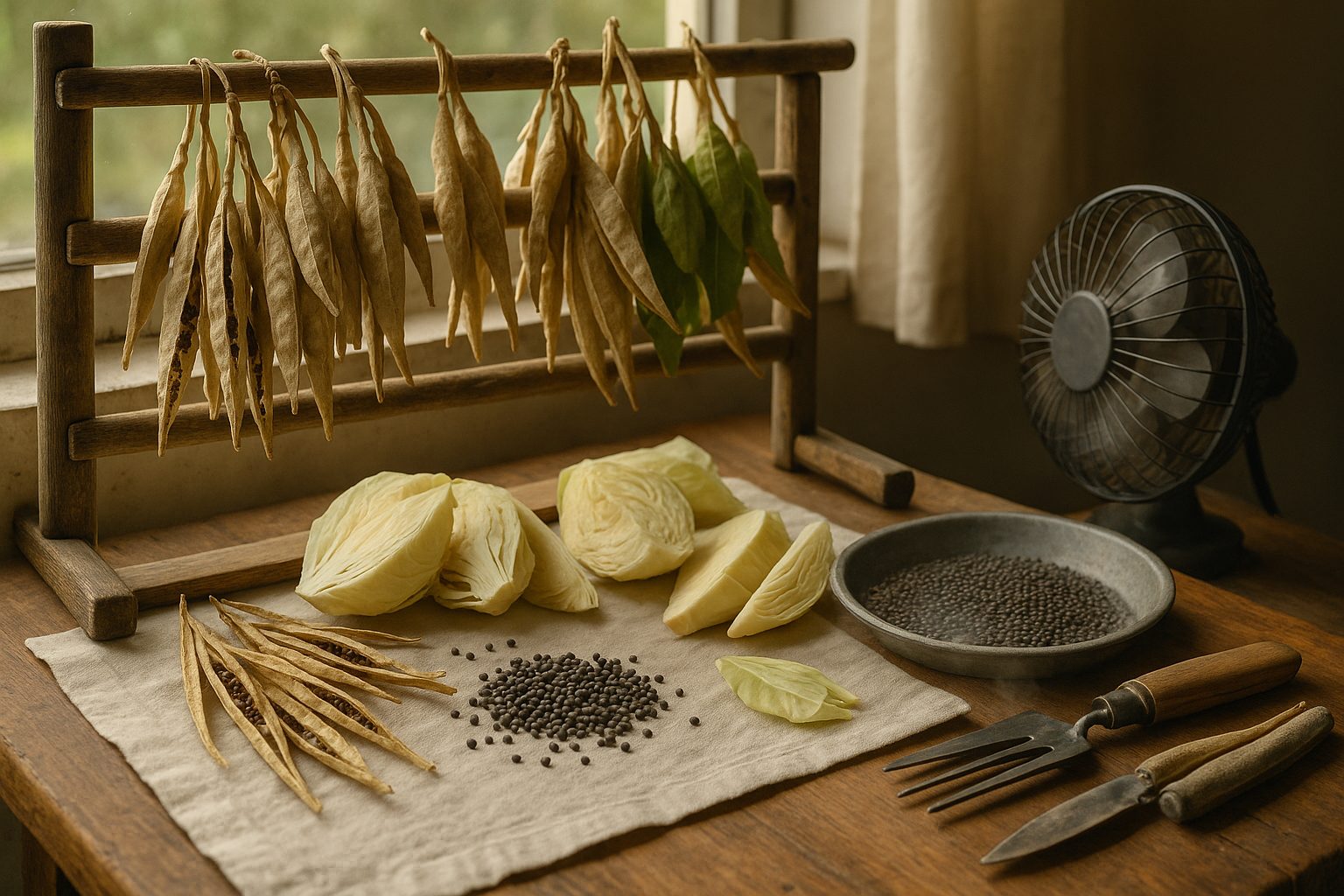
To harvest cabbage seeds with the highest viability, wait until the seed pods, called siliques, turn dry and light brown on the plant, typically a few weeks after flowering ends. The pods should rattle when shaken—avoid picking when they’re still green, as immature seeds won’t germinate well.
Choose a dry morning to cut whole seed heads, as excess moisture increases the risk of mold. Gather the heads into a paper bag or breathable sack to finish drying indoors for about a week.
Once fully dry, thresh the seeds by gently crushing the pods with your hands or rolling them between your palms over a clean surface. To separate seeds from chaff, pour everything onto a shallow tray and use a gentle breeze (or a small fan) to winnow: the lightweight husks will blow away while the heavier seeds remain. Repeat this step as needed for clean seed.
Before storage, spread seeds in a single layer on a plate or screen in a cool, airy spot for another week to ensure no residual moisture remains. Avoid using plastic bags during storage, as they trap humidity; instead, use paper envelopes or glass jars with silica gel packets. Label containers clearly with the date and cabbage variety.
Keep seeds in a cool, dark, dry spot to maintain viability for up to 4 years. To prevent contamination, thoroughly clean all tools and hands before handling seeds, and ensure only pods from healthy, disease-free plants are harvested—this minimizes the risk of spreading plant pathogens and preserves your cabbage seedstock for future plantings.
Storing and Using Saved Cabbage Seeds
Properly storing cabbage seeds is key to preserving their viability for future planting seasons. After harvesting and thoroughly cleaning your seeds, let them dry completely—spread them out on a paper towel in a well-ventilated space for at least a week.
Once dry, transfer the seeds into airtight containers like glass jars or resealable plastic bags, and add a packet of silica gel or dry rice to absorb excess moisture. Make sure to label each container with the seed variety and collection date, then store them in a cool, dark place such as a pantry, basement, or even the refrigerator. Under these conditions, cabbage seeds typically remain viable for up to four to five years.
To avoid disappointment at planting time, run a simple germination test before sowing: place about ten seeds between damp paper towels and keep them warm and moist for a few days—if at least seven sprout, your seeds are still good to use.
Save your best seeds to ensure strong, disease-resistant plants, and rotate your seed stock by using older seeds first. Don’t keep your green thumb to yourself—excess seeds make thoughtful gifts for friends or great swaps at local seed-sharing events, helping build a thriving community of gardeners.
By following these best practices, you can maximize your harvests and support sustainable gardening for years to come.
Troubleshooting and Preserving Cabbage Diversity
Saving cabbage seeds at home can come with a few challenges, but knowing common trouble spots helps you keep your seed harvest healthy and productive. One frequent issue is disease, especially fungal problems like black rot or downy mildew that can destroy plants before they flower. To prevent this, choose only the healthiest plants for seed production, rotate crops annually, and remove plant debris to keep diseases from lingering in the soil.
Pests such as cabbage worms and aphids also target seed crops. To manage them, encourage natural predators like ladybugs or use floating row covers as a non-chemical barrier. Another challenge is low seed set—cabbage usually needs a cold period to “overwinter” and produce seeds. In milder climates, you might need to dig up plants, store them in a cool place, and replant them in early spring.
If your plants still aren’t setting seed, ensure there is good pollinator activity since cabbages are cross-pollinated by insects. Avoid using pesticides when flowers are blooming, and grow several plants to maintain genetic diversity.
Preserving Cabbage Diversity Through Home Seed Saving
Saving cabbage seeds at home isn’t just a gardening hobby—it’s vital for food security and sustainability. Store-bought seeds often come from just a few varieties, but by saving your own, you help protect rare traits like drought resistance, unique flavors, or special growth habits that could be lost over time.
When gardeners in different regions save and share seeds, they build resilience into the food system, helping future crops adapt to changing climates and new pests. Every saved seed is a small act of protection, keeping the story of cabbage alive for seasons to come. Even if you only have space for a few plants, your efforts add up and help maintain the rich tapestry of cabbage diversity worldwide.