Introduction
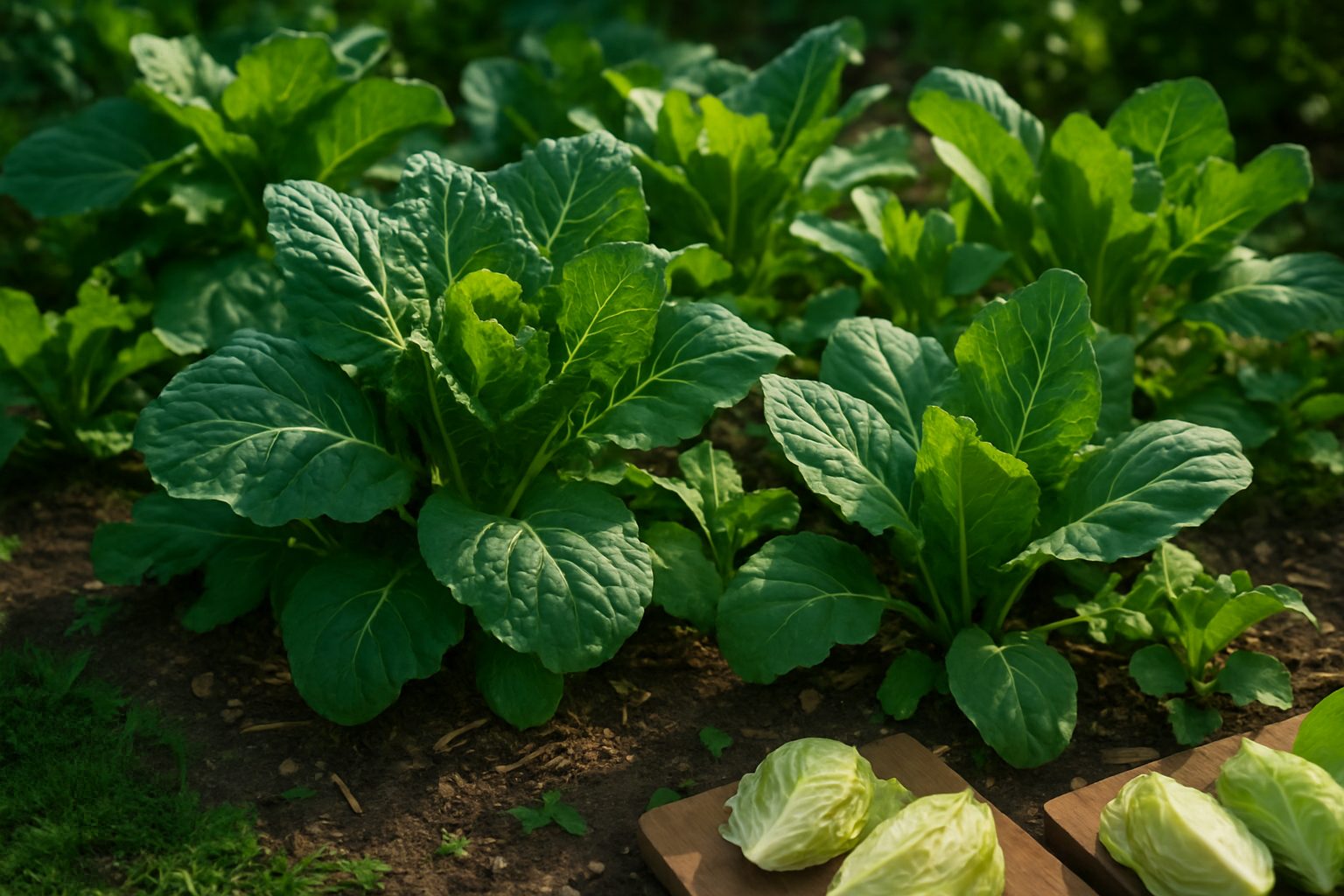
Noticing yellow cabbage leaves in your garden can be worrying, especially for those who appreciate how wild cabbage plays a vital role both as a nutritious crop and as part of natural ecosystems. While vibrant green leaves are a sign of good health, yellowing often signals that your cabbage might be facing stress or disease—conditions that can spread quickly and threaten your harvest.
The good news? Catching yellow cabbage leaves early gives you a chance to turn things around. In this article, we’ll dive into the common causes behind yellowing cabbage, from nutrient deficiencies to pests and weather fluctuations. You’ll learn easy-to-follow tips and real-world fixes for diagnosing and treating these issues so your cabbage can return to its best shape.
Whether you’re a backyard gardener or simply curious about what keeps cabbage thriving, let’s explore how to keep those leaves lush and green.
Recognizing Yellowing Leaves in Wild Cabbage
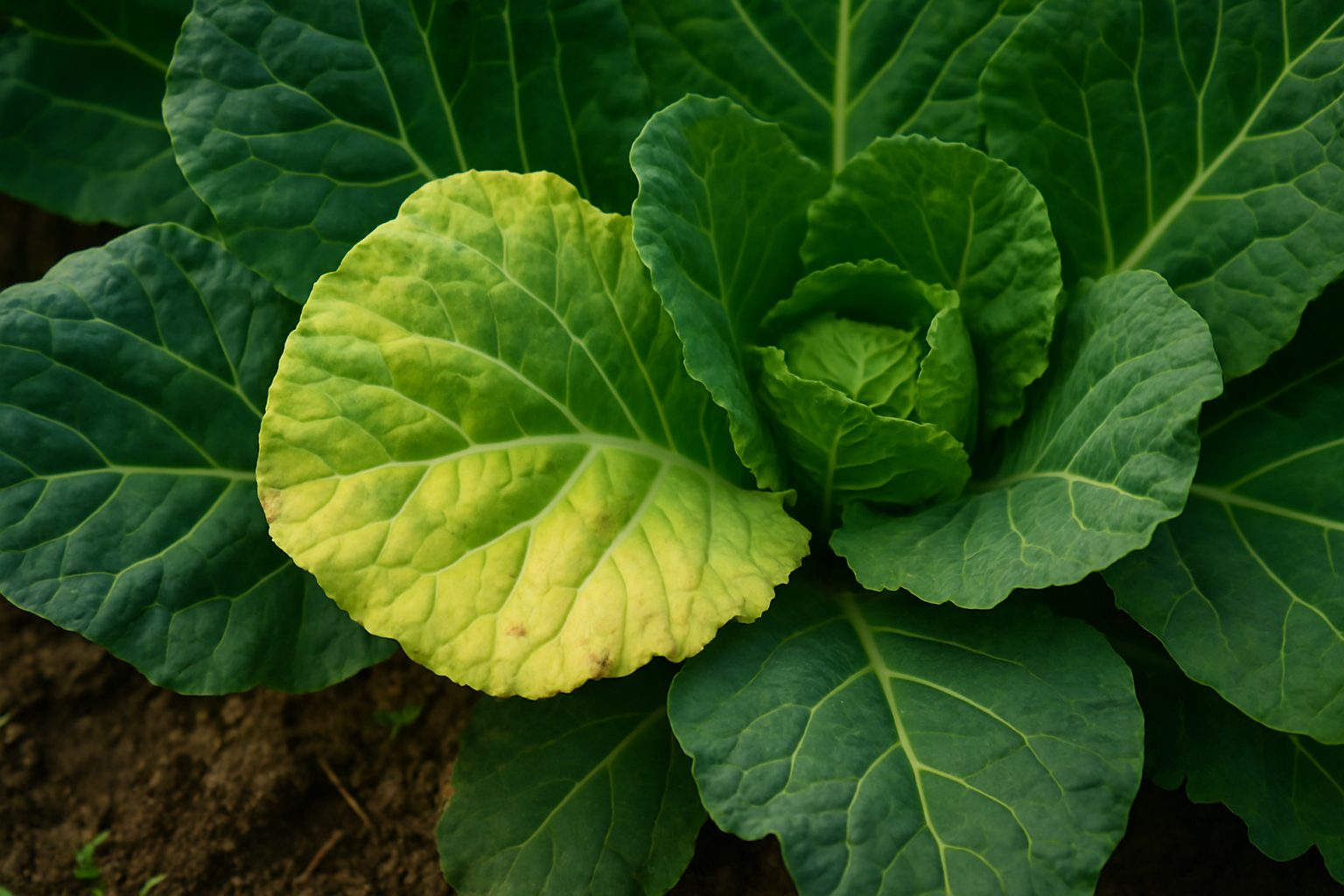
Yellowing leaves are often the first visible sign that something is wrong with your wild cabbage plants, so learning to recognize them early can make a big difference. Healthy wild cabbage leaves are typically deep green, have a firm texture, and rarely show blemishes or spots.
In contrast, unhealthy leaves start to lose their vibrant color, gradually turning a pale or yellow hue that often begins at the edges or near the veins. You might also notice these yellowing leaves feel softer, limp, or even slightly leathery compared to the crispness of healthy foliage. Another giveaway is the appearance of irregular brown or black spots, which can signal pest activity or fungal infections.
It’s important to pay attention to whether the yellowing is isolated to older, lower leaves—a common sign of nutrient deficiency—or spreading rapidly throughout the plant, which might point to disease or root issues. Checking your wild cabbage regularly for these signs gives you an early warning system; catching yellowing leaves early means you can quickly address problems like poor soil nutrition, overwatering, or pests before they spread and weaken the entire plant.
Simple steps like trimming off affected leaves, improving soil drainage, or treating for pests can return your wild cabbage to health if you act swiftly. So, keep an eye out—your vigilance ensures healthier plants and a better harvest.
Key Causes of Yellowing Leaves
Yellowing leaves, or chlorosis, quickly signal that your plant isn’t happy, but pinpointing the cause is essential before taking action. One of the most common reasons is nutrient deficiencies, especially a lack of nitrogen, iron, or magnesium. These nutrients support chlorophyll production, and without them, leaves lose their vibrant green and start to yellow—sometimes with veins staying green while the rest fades.
Overwatering or underwatering can be equally problematic. Roots that are too soggy can rot and lose their ability to absorb nutrients, while parched roots simply can’t deliver enough hydration. Both issues lead to limp, yellowed foliage.
Pests such as spider mites and aphids feed on plant sap, sapping energy and creating yellow, mottled patches. If left unchecked, infestations can quickly worsen overall plant health.
Fungal and bacterial diseases often start as spots or patches but can spread, disrupting nutrient flow and turning leaves yellow—especially if humidity is high or airflow is poor.
Environmental factors also play a significant role. Sudden changes in light, temperature, or humidity can shock a plant, causing yellowing as it tries to adapt. For example, moving a plant from a shady spot to direct sun can scorch delicate leaves, while exposure to cold drafts may cause stress.
With so many possible culprits, it’s important to observe patterns:
- Are all leaves yellowing or just older ones at the bottom?
- Are there spots, webbing, or signs of insects?
By accurately diagnosing the cause—whether it’s adjusting your watering routine, feeding with the right fertilizer, treating for pests, or moving the plant to a better environment—you give your plant the best chance to recover and thrive. Remember: the right solution starts with a careful look at the problem.
Nutrient Deficiencies and How to Fix Them
Yellowing leaves are often a telltale sign that your plants are struggling with nutrient deficiencies, most commonly a lack of nitrogen or magnesium. Nitrogen shortages usually cause older, lower leaves to turn pale yellow, while magnesium deficiencies often result in yellowing between the veins, leaving the leaf edges green.
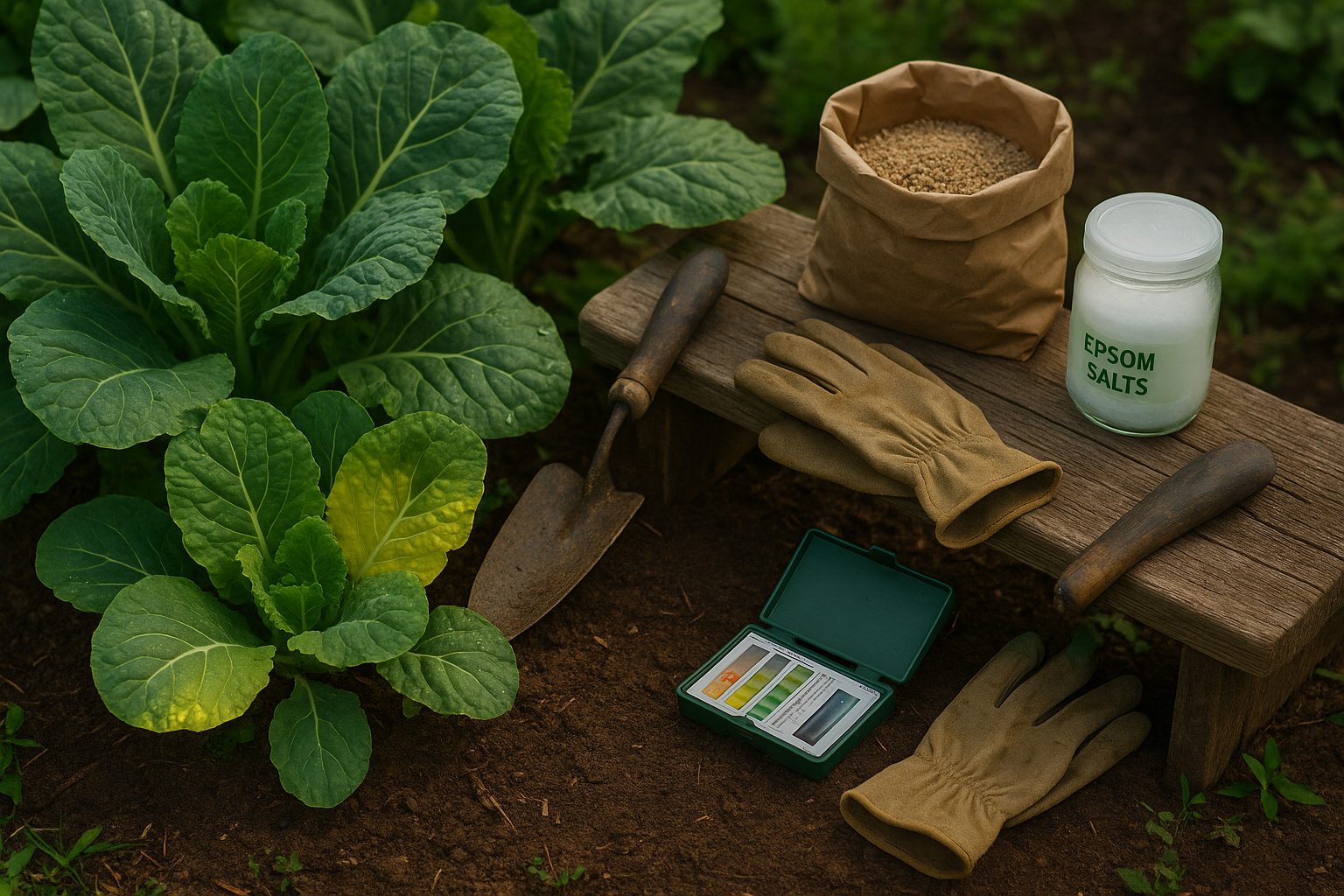
To pinpoint which nutrients are lacking, start by testing your soil using an at-home kit or by sending samples to a local agricultural extension office. These tests provide a breakdown of vital nutrients—like nitrogen, phosphorus, and potassium—plus pH levels, helping you identify which elements are out of balance.
Once you know what’s missing, choose a fertilizer that specifically addresses the deficiency. For instance, use a high-nitrogen fertilizer for general yellowing or an Epsom salt solution (rich in magnesium sulfate) for interveinal chlorosis. If you prefer organic options, consider adding well-rotted compost, fish emulsion, or aged manure for nitrogen, or sprinkling Epsom salts around affected plants for magnesium.
Always follow application instructions carefully to avoid “burning” your plants with too much fertilizer. Amending soil isn’t a one-and-done fix—it’s important to retest periodically, observe your plants’ responses, and adjust as needed so your garden stays healthy and lush.
Watering and Environmental Stress Solutions
Wild cabbage, like many leafy greens, quickly shows environmental stress through changes in leaf coloration and texture. Drought often causes leaves to look dull or wilted, sometimes developing a blue-gray tint as the plant tries to conserve moisture. In severe cases, leaf edges may become crispy or brown.
Waterlogging creates a different problem—roots can’t access oxygen, so leaves may turn yellow, feel soft or mushy, and develop patchy spots. Beyond water issues, temperature extremes—such as prolonged heatwaves or unexpected frosts—can cause the plant to stop growing, display purpling or browning in the leaves, or droop noticeably.
Poor drainage is another silent stressor. If water pools around the roots after rain or irrigation, you might notice mold, root rot, or an unpleasant smell from the soil.
To help your wild cabbage thrive, water deeply but less frequently, allowing the soil to dry out a bit between sessions. Aim for early morning watering to reduce evaporation. If you suspect poor drainage, consider raising your beds, tilling in organic matter like compost, or adding sand to loosen compacted soil.
During heat spells, provide temporary shade using garden fabric or even a patio umbrella. During cold snaps, use mulch or frost cloths to insulate roots.
Regularly observing your plant’s leaves and adjusting watering and protection as needed is the simplest way to keep wild cabbage healthy and vibrant through changing conditions.
Preventing and Managing Pests & Diseases
Yellowing leaves in your vegetable garden are often caused by pesky insects like aphids and caterpillars or by troublesome diseases such as fungal blights and bacterial spots. These issues thrive in unhealthy growing conditions, so prevention starts with smart gardening habits.
Practice crop rotation to disrupt pest life cycles—don’t plant tomatoes in the same spot every year, for example. Give your plants plenty of breathing room by spacing them out, which helps air circulate and keeps leaves dry, making it harder for fungi to spread. Maintain good garden hygiene by removing fallen leaves and plant debris that can harbor disease or insect eggs.
If you spot pests like aphids, try blasting them off with a strong jet of water or introduce beneficial insects like ladybugs that naturally keep their numbers down. For fungal diseases, organic treatments like neem oil or baking soda-based sprays are safe and effective; just be sure to treat early and consistently.
Mulching with straw or wood chips can reduce soil splashing and disease spread, and watering at the base of plants rather than overhead helps leaves stay dry. By combining thoughtful prevention with gentle, eco-friendly controls, you’ll keep your garden healthier and naturally minimize yellowing from pests and diseases.
Best Practices for Ongoing Wild Cabbage Care
Keeping wild cabbage thriving throughout the growing season requires a blend of attentive routine and proactive care. Start by regularly pruning any yellow or damaged leaves—this helps prevent disease from spreading and redirects the plant’s energy into new, healthy growth.
Make a habit of checking your soil’s health every few months; simple home test kits can reveal nutrient deficiencies or pH imbalances that impact cabbage development. Also, keep an eye out for stress symptoms like leaf curling, spotting, or slowed growth, especially after extreme weather changes or heavy rains. If you notice these signs, address them quickly by adjusting watering schedules or providing some shade.
For best results, take an integrated care approach: combine soil health, regular observation, and quick intervention to reinforce your plants’ resilience against pests and disease. Many gardeners find that mulching helps retain moisture and regulate soil temperature, while companion planting with herbs like dill or chamomile can naturally repel common pests.
By tending to these details throughout the season, you’ll help your wild cabbage maintain vigorous growth and increase its chances of flourishing year after year.