Introduction
sweet potato vine support has become a hot topic among gardeners, whether you’re growing these vibrant trailing plants for their eye-catching foliage or their tasty, nutritious tubers. Sweet potato vines aren’t just versatile—they bring life to containers, garden beds, and even hanging baskets, adding color and lushness to any outdoor space.
However, since these vines are eager climbers and sprawlers, providing proper support is essential. A well-placed trellis or sturdy structure does more than keep your garden tidy; it prevents overcrowding, encourages healthier growth, and transforms unruly vines into stunning vertical displays.
In this article, you’ll discover a variety of methods and materials for sweet potato vine support, from DIY trellises to creative upcycled ideas. We’ll share straightforward, actionable tips whether you’re working with a small patio container or a sprawling backyard plot. Plus, find troubleshooting advice for common issues like sagging stems and tangled growth.
With the right approach, you’ll tame your sweet potato vines to promote bigger harvests—or simply create a more attractive garden—all season long.
Understanding Sweet Potato Vines
Sweet potato vines are known for their vigorous growth and prolific vining habit, often sprawling across garden beds and containers with long, trailing stems that can reach up to ten feet or more in a single season. These plants thrive in warm climates and, if left unchecked, will wander across the ground, rooting at nodes and quickly covering large areas.
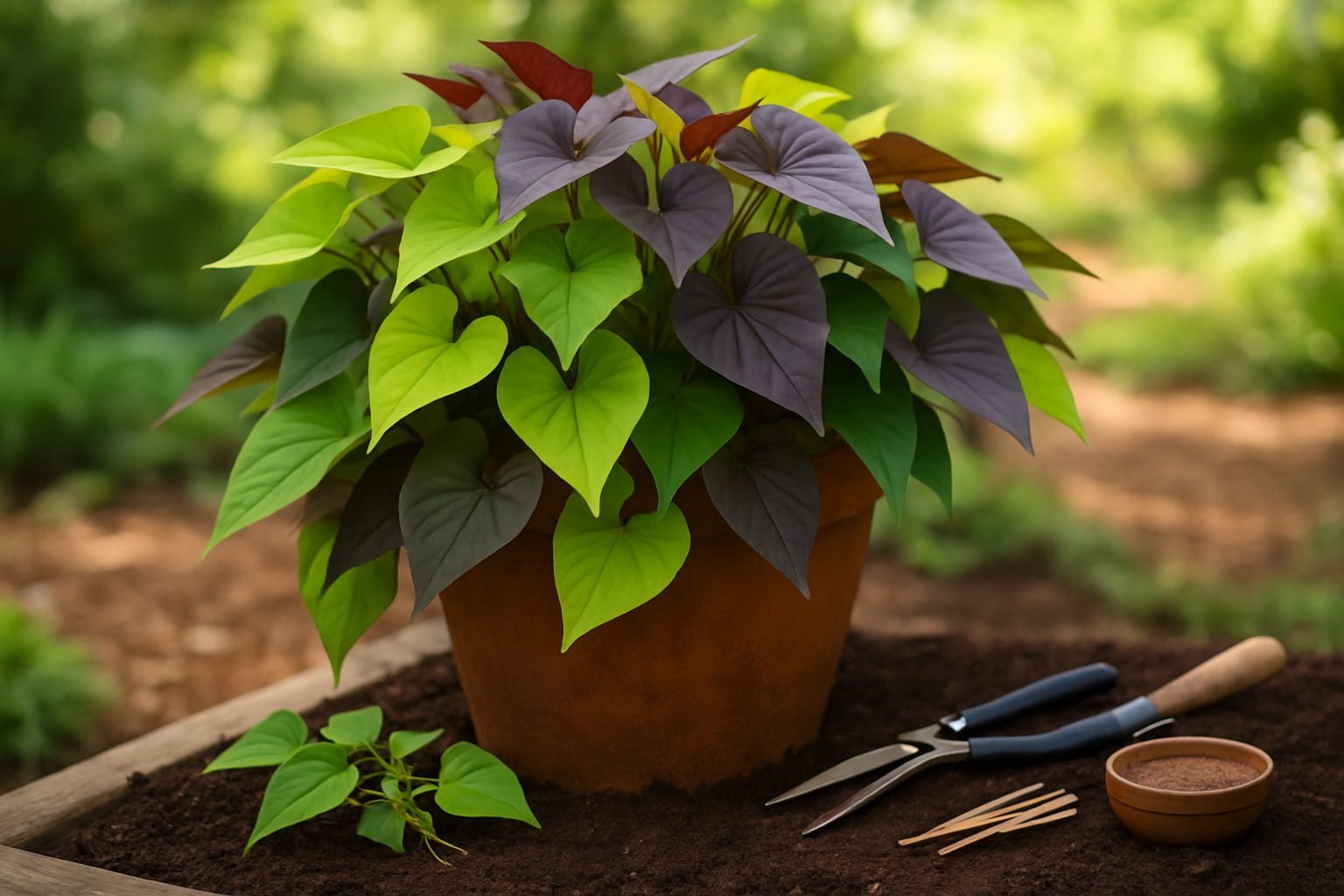
It’s important to distinguish between two main types: ornamental sweet potato vines, grown primarily for their brightly colored foliage in shades of chartreuse, purple, or bronze, and edible sweet potato varieties (Ipomoea batatas), cultivated for their nutritious tuberous roots. While both share similar growth habits, ornamentals are typically used in landscaping and containers, whereas edible types are a staple in vegetable gardens.
Benefits of Sweet Potato Vine Support
Supporting or trellising sweet potato vines offers several advantages. For gardeners with limited space, training vines upward or along fences can maximize growing area—ideal for urban or small-space plots. Lifting vines off the ground improves airflow around the plants, reducing the risk of fungal diseases such as mildew and rot. Trellising also keeps the foliage neater, making it easier to monitor for pests and harvest tubers with less disturbance.
Additionally, vertical growth can enhance ornamental appeal, transforming a mass of tangled vines into a striking focal point for patios or edible landscapes. Whether your goal is a tidy vegetable patch or a decorative display, providing sweet potato vine support can make care and maintenance significantly easier while helping your garden look and perform its best.
Choosing the Right Type of Sweet Potato Vine Support
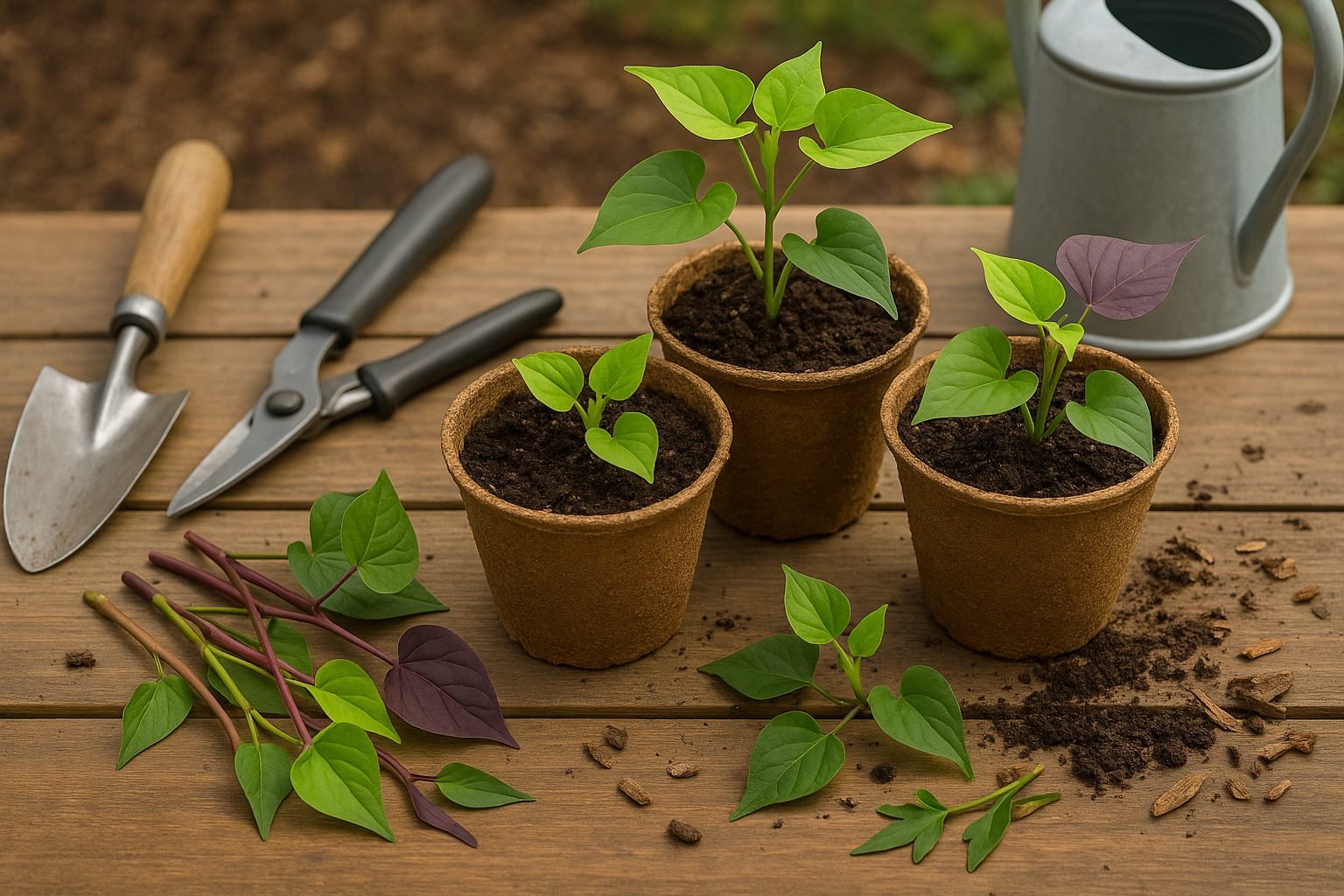
When it comes to sweet potato vine support, various structures can help you manage vigorous growth and maximize your harvest, regardless of your garden’s size. Trellises are a popular choice, especially for small spaces or containers. A vertical trellis saves ground space and keeps vines off the soil, reducing pests and rot. However, since sweet potato vines can get heavy, flimsy trellises may topple or bend, so opt for sturdy materials like metal or hardwood.
Tomato cages are another compact option, particularly for container-grown sweet potatoes. They’re easy to set up and guide vines upward, but be sure to anchor cages well so they don’t tip over as the plant grows heavier.
Stakes offer a flexible, low-cost way to support vines: simply insert sturdy bamboo poles or wooden stakes into the soil and use twine to gently train your vines as they grow. The main drawback is that stakes provide limited spreading room and may need frequent adjustment.
Arbors offer a more decorative solution, allowing vines to arch overhead and create shade; they’re perfect if you want a dramatic look or want to connect planting beds. On the downside, arbors require more space and investment to install.
Fences—especially open-weave or wire types—serve as ready-made supports, ideal along property lines or in larger gardens. They’re sturdy and let you train vines over a wide area, but aren’t suitable for small containers or patios.
Ultimately, your choice depends on the scale of your planting and available space. For container gardens or balcony setups, go with cages or compact trellises. For in-ground beds with more room, sturdy trellises, fences, or even a simple line of stakes will support healthy vine growth and make your sweet potato patch easier to manage and harvest.
Step-by-Step Guide: How to Trellis Sweet Potato Vines
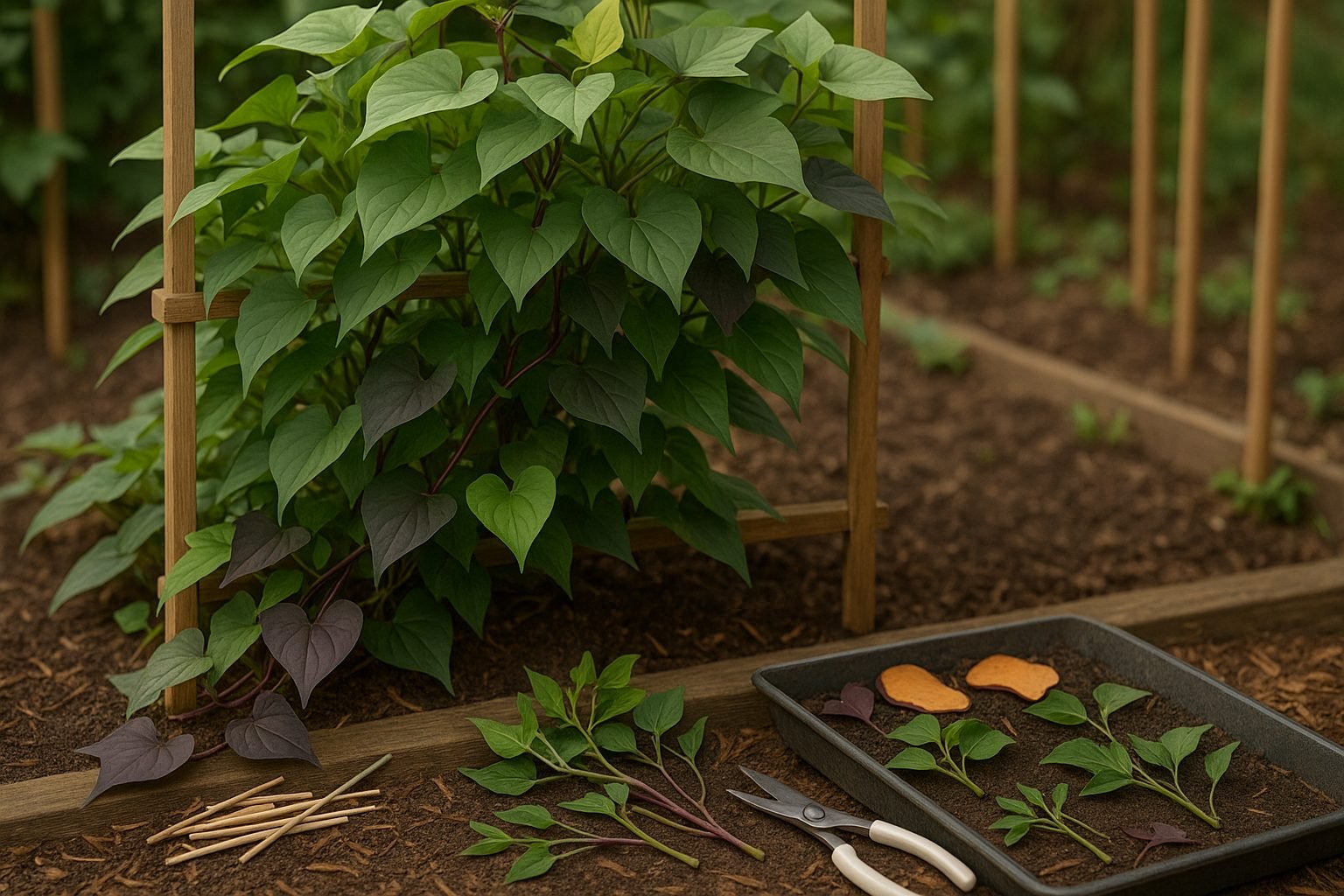
Supporting sweet potato vines with a trellis is an easy and rewarding way to improve air circulation, save space, and create a vibrant visual display. Start by selecting the right time to install your sweet potato vine support—ideally soon after planting slips or when vines begin to develop, usually in late spring to early summer. This helps train the plants early and minimizes root disturbance.
Choose a location that receives at least 6 to 8 hours of direct sunlight daily since sweet potatoes thrive in bright conditions. Your trellis can be a sturdy wire frame, wooden lattice, or even bamboo poles arranged in a teepee shape. Secure the frame firmly in the ground about 6 to 12 inches away from your sweet potato plants to leave plenty of room for tuber development underground.
As the vines grow, gently guide them toward the trellis, weaving them through gaps or loosely tying them with soft twine or garden tape. Avoid pulling or sharply bending stems, as they are prone to snapping. Watch for growing tips that stray from the support and reposition them every few days. Giving your vines frequent attention early on encourages them to climb naturally.
If you’re in a windy area, consider anchoring your trellis more securely to prevent it from toppling. Throughout the season, trim any vines that wander too far to keep the plant manageable and maximize sunlight exposure for all leaves. Regularly check that supports hold firm and that twine isn’t too tight as stems thicken.
By following these steps, your sweet potato vine support will encourage healthy upward growth, making harvest and garden maintenance easier as the season progresses.
Best Materials for Trellising Sweet Potato Vines
When choosing materials for sweet potato vine support, gardeners have a wide range of options, each offering unique benefits to suit different needs and budgets. Bamboo stakes are a popular DIY choice—they’re lightweight, renewable, and affordable, providing a natural look. You can easily lash them together with weather-resistant twine to create simple teepees or grids.
If you want something more robust and long-lasting, metal trellises made from galvanized steel or coated wire are excellent options. They offer great durability and can withstand multiple seasons without rusting or warping. You can find pre-made metal arches or obelisks at garden centers or online, which combine strength with a polished aesthetic.
For quick and budget-friendly projects, heavy-duty plastic netting or garden lattice can also work well. These materials are lightweight and highly resistant to rot and insects, though they may not last as long as metal when exposed to years of sun and rain. Still, they’re perfect for seasonal gardening or renters who need something temporary.
Many store-bought trellis kits combine materials—such as wood frames with plastic or metal grids—offering both sturdy support and design variety for patios, decks, and in-ground beds. When selecting the right material, consider not only price and appearance but also how much weight your sweet potato vines will place on the structure. Stronger vines and heavier growth might require additional supports or anchored posts for stability.
Lastly, think about storage and reuse. Bamboo may break down after a season or two, while metal and plastic options often disassemble easily and can be reused year after year, maximizing your investment.
Care and Maintenance Tips for Sweet Potato Vine Support
Maintaining a sweet potato vine support system takes a bit more hands-on care than letting the vines sprawl on the ground, but the effort pays off with healthier plants and a tidier garden. First, check your vines at least once a week for any stems that have outgrown their supports or started to droop. Use soft garden ties or strips of old T-shirt fabric to gently secure the vines to your trellis, avoiding tight knots that could damage the stems.
Pruning is just as important—snip back any overly enthusiastic growth to encourage branching and fuller foliage, and promptly remove any damaged or diseased leaves to keep the plant healthy. Regularly inspect both the foliage and the supporting structure for signs of pests such as aphids, whiteflies, or spider mites. If needed, use insecticidal soap or introduce beneficial insects to manage infestations.
Watering is crucial for sweet potatoes, but since elevated vines dry out faster, check soil moisture more often and aim for consistent, deep soakings rather than brief, shallow watering. Mulching at the base of trellised plants helps retain soil moisture and suppress weeds.
When fertilizing supported vines, use a balanced, slow-release fertilizer and avoid excess nitrogen, which can encourage leafy growth at the expense of tuber development. To maximize vine growth and visual appeal, train vines outward and upward for an even display, and mix in companion plants with contrasting colors or shapes for added landscape interest.
With these simple adjustments, your sweet potato vine support will help your plants thrive while adding lush, vertical beauty to your garden.
Common Mistakes & Troubleshooting
One of the most common mistakes gardeners make with sweet potato vine support is relying on flimsy trellises or sticks that can’t bear the vine’s weight as it matures. Weak supports often cause drooping, breaking, or collapsing vines, especially after rain or wind. To prevent this, always choose sturdy materials like strong wooden stakes, metal panels, or heavy-duty garden netting that can support both the foliage and any tuber growth.
Overcrowding is another frequent problem. When vines are planted too close together, they compete for space, light, and air, making it hard for individual plants to climb or spread effectively. Give each plant at least 12–18 inches of room, and periodically thin out weak shoots to reduce competition.
Failing to train the vines properly can also lead to poor climbing habits, with tendrils wandering or wrapping inefficiently. Start guiding the vines up their support early in the season by carefully weaving or gently tying them (using soft ties or strips of old t-shirts) onto the trellis. If you notice drooping or breaking, check for loose attachments and reinforce them. For split stems, a gentle splint and some floral tape can sometimes save the vine.
If vines refuse to climb, check whether the support is rough or textured enough for them to grip—switch to mesh or add twine if needed. Regularly inspect your vines, gently redirect any wayward growth, and prune away damaged or diseased leaves.
Following these essential steps will help ensure your sweet potato vines stay vigorous, healthy, and beautifully displayed all season long.
Conclusion
Trellising or providing sweet potato vine support not only promotes healthier, more vigorous growth but also helps keep your garden tidy and attractive. By lifting the vines off the ground, you can prevent rot, reduce pest problems, and create a stunning vertical display. Supporting your sweet potato vines also improves airflow and makes harvesting easier. If you want to enhance both productivity and curb appeal, these simple support methods are definitely worth trying. Give them a shot in your garden—you might be surprised by the results! Have questions or tips to share? Drop them in the comments below!