Clearing Up the Confusion — Are Yams and Sweet Potatoes the Same?
If you’ve ever stood in the produce aisle puzzling over sweet potatoes vs. yams, you’re definitely not alone. In fact, many people—shoppers, home cooks, even restaurant chefs—regularly mix up these two tubers, believing them to be the same thing. This misconception often stems from supermarket labeling that uses “yam” and “sweet potato” interchangeably, even though they’re botanically and nutritionally distinct.
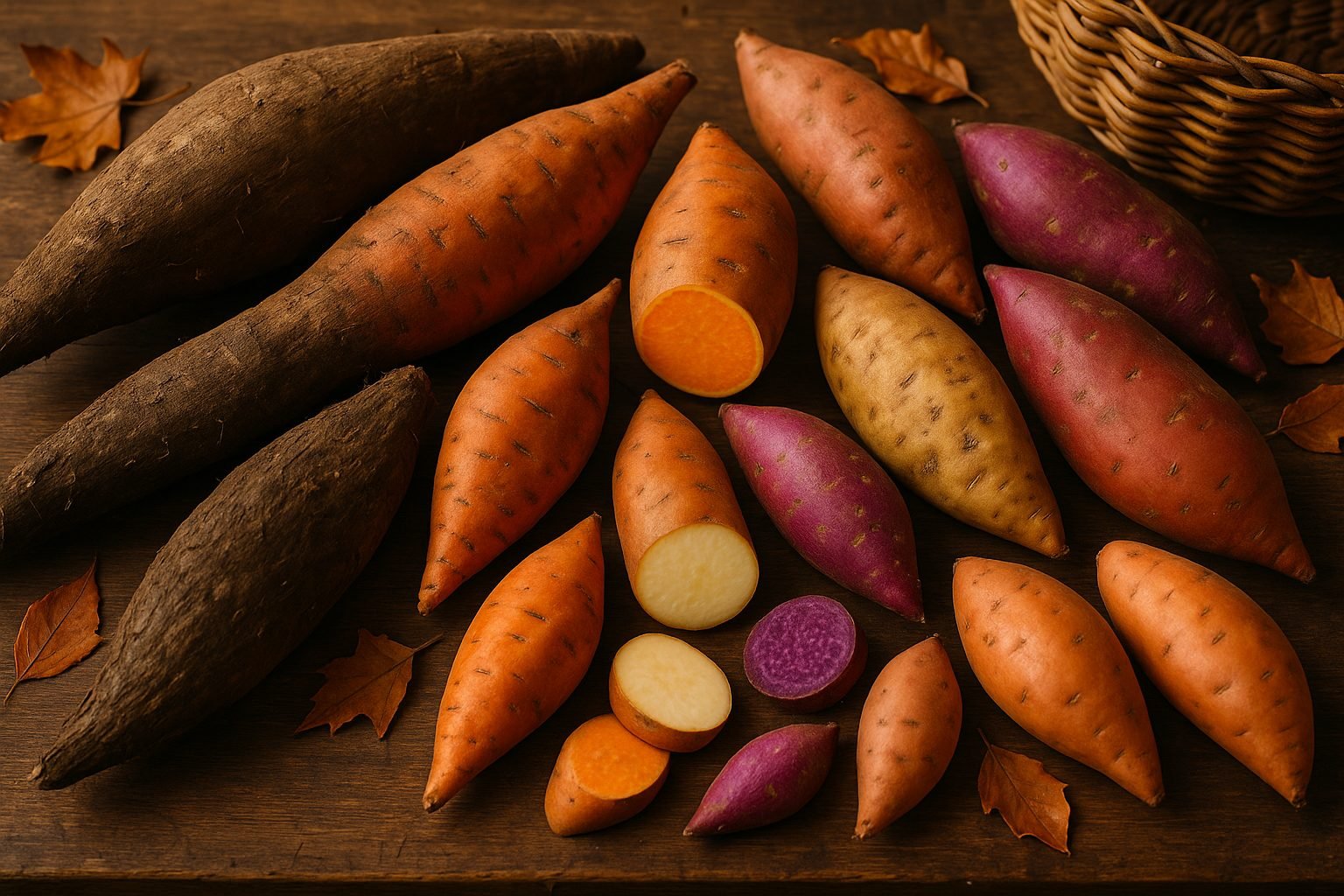
In the U.S., for example, the sweet, orange-fleshed root commonly called a “yam” is almost always a variety of sweet potato, while true yams are starchier and have rough, brown, bark-like skins. Historically, early African slave traders and settlers in the American South began calling soft-fleshed sweet potatoes “yams” to differentiate them from the firmer, paler varieties—and the name just stuck, causing confusion that persists today.
Regional differences add to the mix-up: what’s sold as a yam in the United States could be quite different from what people in Africa, Asia, or the Caribbean know as yams, which are actually a completely different species. This confusion isn’t just a matter of semantics—it can impact your recipes, dietary choices, and even your shopping habits.
For cooks, getting the right tuber means better flavor and texture in dishes. For nutrition enthusiasts, sweet potatoes pack more beta-carotene, while true yams have unique properties like higher starch content. So, whether you’re choosing a perfect pie ingredient or simply aiming to eat more healthfully, understanding the sweet potatoes vs. yams debate is essential for making informed, delicious decisions in the kitchen.
What Is a Yam?
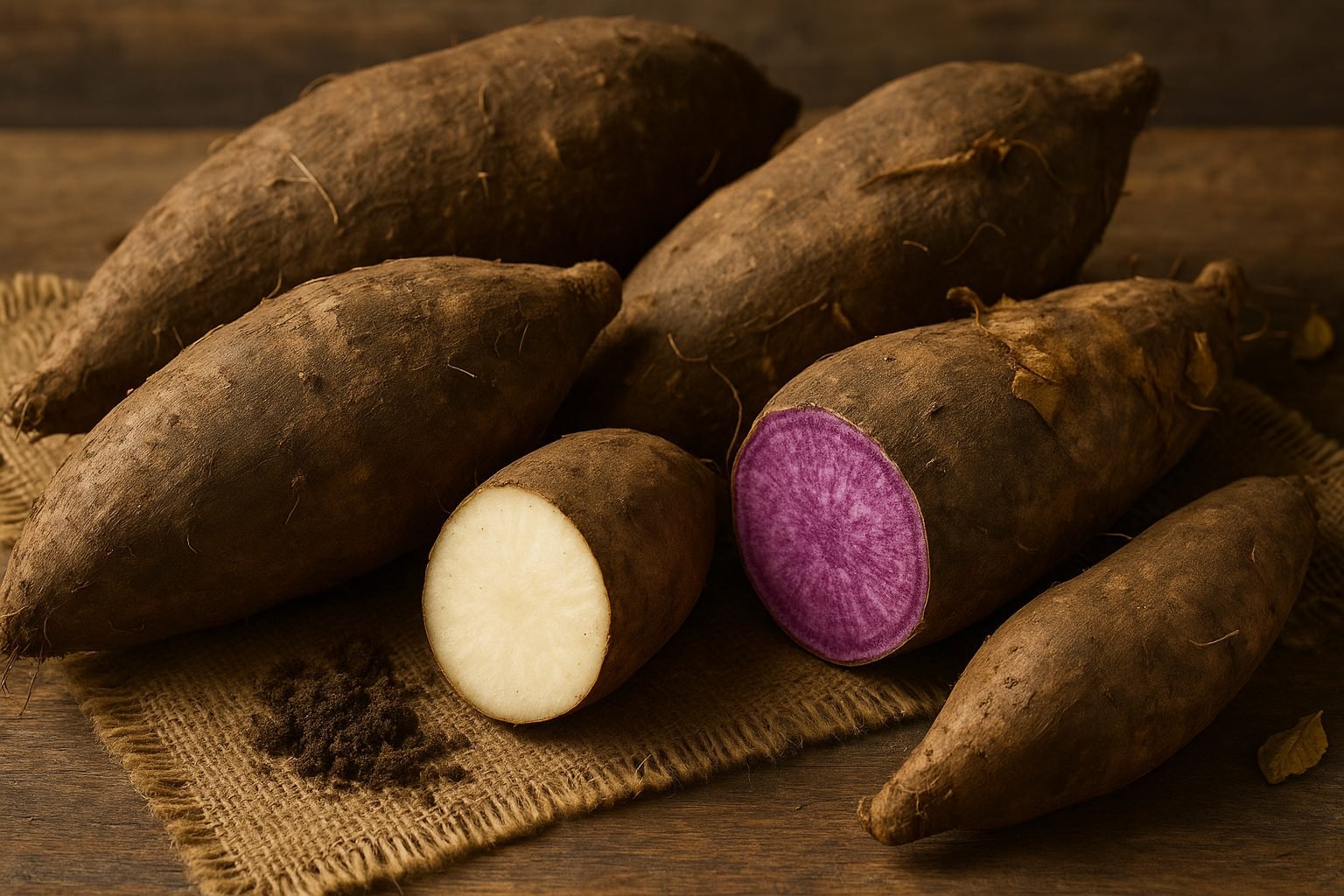
A true yam is a starchy root vegetable belonging to the Dioscoreaceae botanical family, quite different from the common sweet potato. Native to Africa, Asia, and parts of the Caribbean, yams have been cultivated for thousands of years and are a staple food in many tropical regions.
Real yams can vary greatly in size, with some tubers growing as long as several feet and weighing over a hundred pounds. They are typically covered in rough, dark brown, or even hairy skin that can be tough to peel and often looks a bit like tree bark. Inside, the flesh is either white, purple, or reddish, and it tends to be quite dry, starchy, and somewhat crumbly once cooked—distinct from the moist, sweet, and smooth texture people associate with orange-fleshed sweet potatoes.
The flavor of true yams is earthy and less sweet, sometimes even slightly bitter, making them ideal for savory dishes and stews. Despite the frequent use of the term “yam” in U.S. grocery stores—especially for orange-fleshed sweet potatoes—actual yams are rare and usually found only in specialty international markets or African and Caribbean groceries.
This mislabeling stems from old marketing practices and can be confusing, so if you’re looking for a real yam for a recipe, double-check the source or ask a store employee. A genuine yam will stand out with its tough, scaly skin and starchy, neutral flavor—perfect for dishes that need body and subtlety rather than sweetness.
What Is a Sweet Potato?
Sweet potatoes are root vegetables that belong to the Convolvulaceae family, which is different from regular potatoes that come from the nightshade family. Botanically known as Ipomoea batatas, sweet potatoes are native to Central and South America, where they have been cultivated for thousands of years. Today, they are grown worldwide, with the United States, China, and Africa being major producers.
There are several types of sweet potatoes, but three stand out: orange, white, and purple varieties.
- Orange sweet potatoes are the most common in North America. They have smooth skin, tapered ends, and vibrant orange flesh that’s naturally sweet and creamy when cooked.
- White sweet potatoes feature lighter-colored flesh and a more subdued flavor.
- Purple sweet potatoes boast striking violet interiors with an earthy taste and a slightly drier texture.
Flavor-wise, sweet potatoes offer a balance of sweetness and earthy undertones, making them incredibly versatile in the kitchen. They’re delicious baked, roasted, mashed, or turned into fries, and also appear in soups, salads, casseroles, and even desserts—think sweet potato pie or muffins.
Beyond their flavor and versatility, sweet potatoes are packed with nutrients. They’re rich in fiber, vitamin A (especially the orange-fleshed varieties due to their high beta-carotene content), vitamin C, potassium, and antioxidants. These nutrients support eye health, boost the immune system, and promote good digestion, which is why sweet potatoes are often recommended as part of a balanced diet.
Whether you add purple sweet potatoes to brighten up a salad or make classic mashed orange sweet potatoes as a side, this root veggie packs a powerful nutritional punch and works well in both sweet and savory dishes.
Key Differences Between Yams and Sweet Potatoes
Many people use the terms “yam” and “sweet potato” interchangeably, but they’re actually two distinct roots with noteworthy differences. Botanically, true yams come from the Dioscorea genus and are native to Africa and Asia, while sweet potatoes belong to the Convolvulaceae family and originate from Central and South America.
In the grocery store, yams are harder to find and typically have rough, dark brown, or even bark-like skin with white, purple, or reddish flesh inside. Sweet potatoes, on the other hand, have smoother, thinner skin that ranges from orange to purple or tan, with flesh that is most often orange but can also be white or purple.
Culinary Differences
Yams are dry, starchy, and quite bland, often requiring long cooking times, and are popular in African or Caribbean stews. Sweet potatoes have a moist texture and naturally sweet flavor, making them perfect for baking, mashing, or turning into fries and pies.
How to Identify Them
When picking one out, if the root has a cylindrical shape with rough, hair-like skin and feels heavy for its size, it’s likely a true yam. Sweet potatoes are typically knobby, tapered at the ends, and much easier to cut.
Nutrition Comparison
- Sweet potatoes: Rich in beta-carotene (vitamin A), vitamin C, and fiber, making them great for immune health and digestion.
- Yams: Lower in beta-carotene but higher in potassium, and a good source of starch, providing lasting energy.
If you’re after a creamy, sweet addition to your meal, go for sweet potatoes; if you need dense, starchy chunks for a stew, seek out yams at specialty stores or international markets. Remember, in most U.S. supermarkets, those “yams” on the shelf are likely just another sweet potato variety, so check labels and appearances carefully.
Why Are Sweet Potatoes Sometimes Called Yams?
The confusion between sweet potatoes and yams dates back to the 20th century, when Southern U.S. farmers needed a way to distinguish the orange-fleshed sweet potatoes from the paler, firmer varieties that were already popular. To set their crop apart, marketers started calling the orange versions “yams,” borrowing the term from West African languages—where true yams (Dioscorea species) are native, large, starchy tubers.
African slaves in the American South noticed similarities between their traditional yams and sweet potatoes, which reinforced this nickname. Over time, “yam” became a common label in U.S. supermarkets, even though true yams and sweet potatoes are botanically different.
This mix-up has stuck—today, most “yams” in American grocery stores are actually sweet potatoes. Real yams are difficult to find and usually only available in international or specialty markets.
How to Tell the Difference
To make sure you’re buying the right tuber, check the skin and flesh:
- Sweet potatoes have smoother skin and moist, sweet, orange or pale flesh.
- True yams have rougher, bark-like skin and drier, starchy white or purple flesh.
Look for labels—if the store calls it a “yam” but the inside is orange, it’s almost certainly a sweet potato.
Where to Find Real Yams
For a genuine yam experience, visit specialty Latin American, Caribbean, or African markets, and don’t hesitate to ask the grocer about the origin. Carrying photos on your phone can also help avoid confusion and ensure you get exactly what you need for your recipe.
Cooking with Yams and Sweet Potatoes: Tips & Recipes
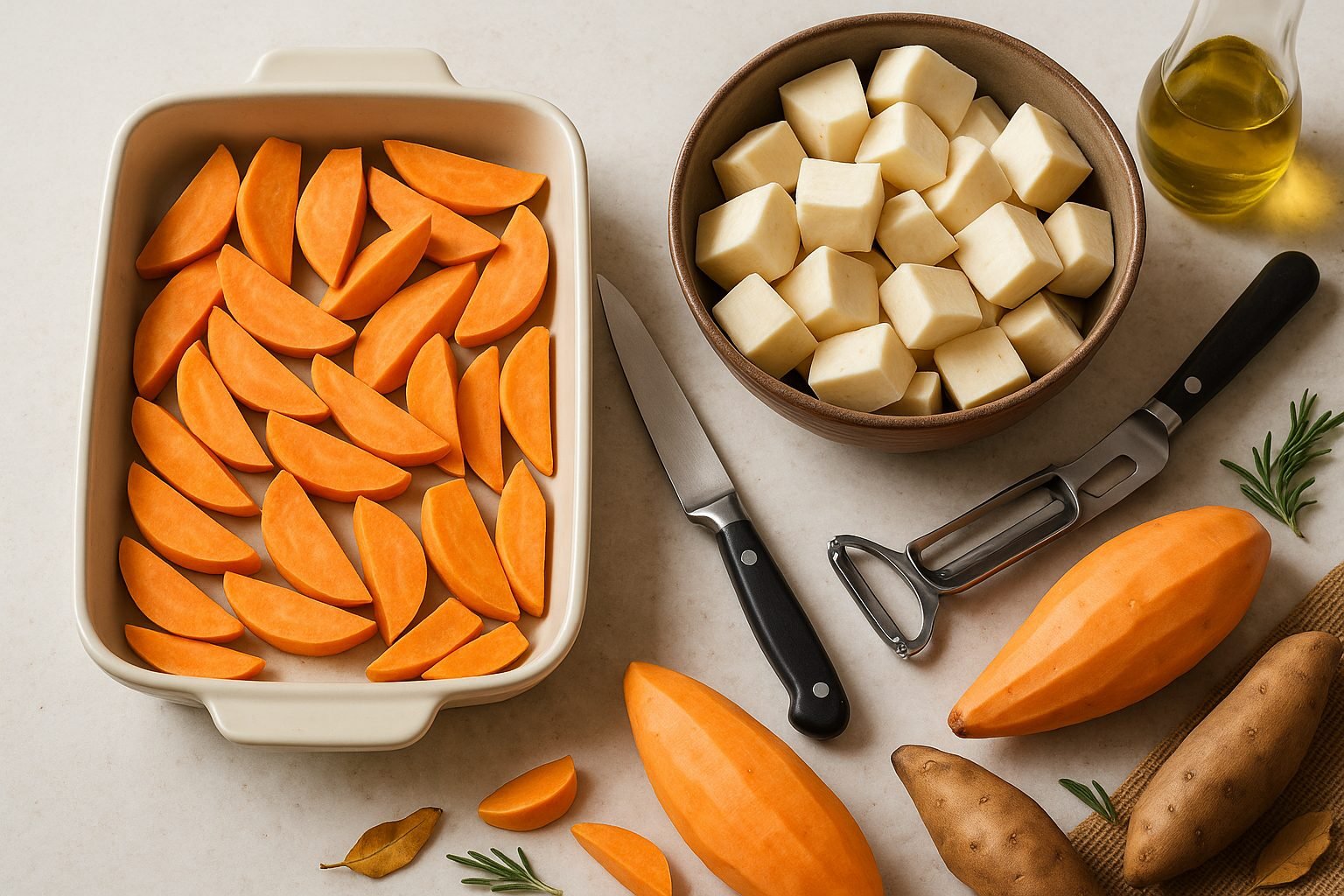
When choosing yams and sweet potatoes at the store, look for firm, unblemished skins and avoid any with soft spots or cracks. Despite often being labeled interchangeably, true yams have rough, dark, bark-like skin, while sweet potatoes sport smoother, reddish or tan skin and a sweeter, moister flesh.
Store both in a cool, dark, well-ventilated place—never the fridge—as cold temperatures can alter their flavor and texture. Before cooking, scrub thoroughly; peeling is optional for sweet potatoes, as their skins are edible and add fiber, but yams’ tough skins are usually best removed.
When swapping yams for sweet potatoes (or vice versa) in recipes, remember that sweet potatoes are noticeably sweeter and creamier, while yams tend to be starchier and milder. This can affect dishes like casseroles and pies, where flavor and consistency matter.
Recipe Ideas
For simple, crowd-pleasing recipes, try roasting sweet potato wedges with olive oil and spices, baking them for fries, or mashing with a touch of butter and cinnamon. Yams shine in hearty stews, soups, or even sliced and baked like chips. Both work well in curries, breakfast hash, or simply baked whole until soft inside.
Tips for Substitutions
When experimenting with substitutions, add a bit of maple syrup or honey if swapping in yams for sweet potatoes in sweet dishes—or cut back on sugar if going the other way.
With these tips, you can make the most of either root veggie, letting their natural flavors and textures elevate weeknight meals or holiday favorites.
The Bottom Line — Choosing What’s Right for You
When it comes to choosing between yams and sweet potatoes, understanding their differences can help you make the right pick. Yams are starchier and have a more neutral flavor, making them great for dishes that need a firm texture, like stews or chunky soups. Sweet potatoes, on the other hand, are sweeter and creamier, perfect for casseroles, baking, or even as a healthier substitute for dessert.
Nutritionally, sweet potatoes offer more beta-carotene, while yams provide more potassium. If you’re cooking a classic Southern pie or want a caramelized side, go for sweet potatoes. For a heartier, less sweet dish, try yams.
The best tip? Try both! Experimenting with recipes—like swapping sweet potatoes into your favorite fries or adding yams to a vegetable roast—can keep meals fresh and help you enjoy a wider range of flavors and health benefits at your table.