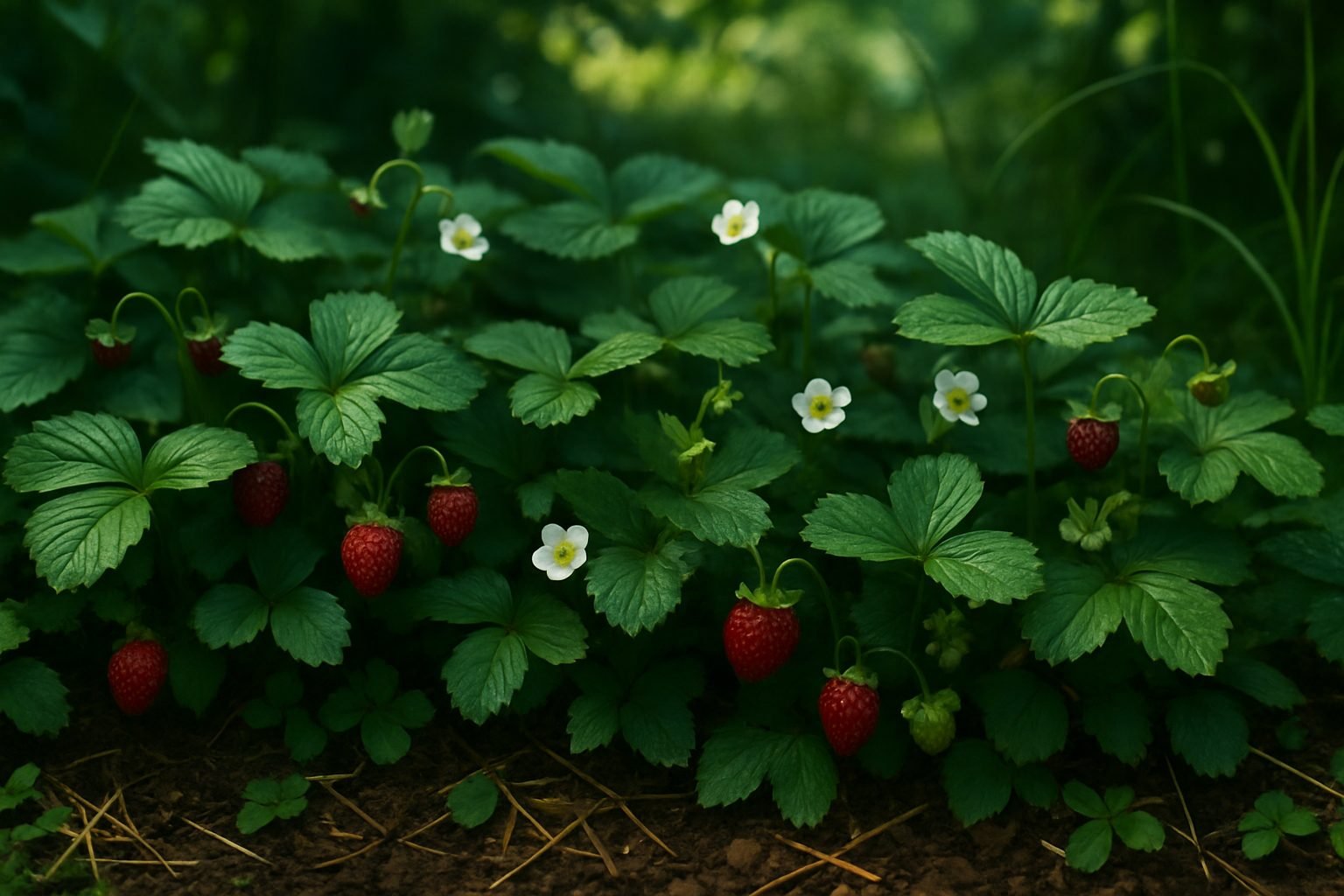
Can Strawberries Grow in Shade?
Harvesting plump, juicy strawberries from your own garden is undeniably appealing. It’s no surprise that one of the most common questions gardeners ask is about growing strawberries in shade. Maybe your backyard is dotted with trees, or you only have a shady balcony to work with—either way, it’s totally understandable to wonder if those sweet red berries can thrive without direct sunlight.
In this article, we’ll take a close look at whether strawberries can grow in shade, which types of shade matter most, and how you can still get a good harvest even with limited sun exposure. You’ll discover practical tips for maximizing berry growth in less-than-ideal conditions and learn what to realistically expect if your patch isn’t bathed in sunlight.
Whether you’re planning a new garden bed or looking to boost an existing shady spot, you’ll get expert advice and real-world examples to help you decide if growing strawberries in the shade is right for you.
How Much Sunlight Do Strawberries Need?
Strawberries thrive best when they receive full sun, which means at least 6–8 hours of direct sunlight each day. This amount of light gives the plants the energy they need to produce a bountiful crop of juicy, flavorful berries. Sunlight powers photosynthesis, helping strawberries develop strong, healthy foliage and, most importantly, sweet, well-ripened fruit. Without enough sunlight, plants often become leggy and weak, producing fewer, smaller berries that may lack the vibrant red color and rich flavor we expect.
While some varieties can tolerate strawberries in shade with about 4–6 hours of sun, their yields and fruit quality usually decline. These shaded plants may produce fewer runners and be more prone to diseases, as shady spots tend to be cooler and damper.
If you’re growing strawberries outdoors, choose a sunny south- or west-facing spot in your garden where trees and buildings won’t block the sun during peak hours. For gardeners with limited outdoor space or challenging conditions, strawberries can also be grown indoors near a south-facing window or under grow lights. Just be sure the artificial lights provide sufficient intensity and duration—usually around 12–14 hours a day. Greenhouse growers have more options since translucent roofs allow plenty of natural light in, and supplemental lighting can be added on cloudy days or in winter.
In all cases, consistency is key: strawberries benefit from stable, strong light sources. Whether you’re growing berries in a balcony planter, under grow lights on a kitchen counter, or in a greenhouse bed, aiming for that vital 6–8 hours of sunlight will give your strawberries the best chance to thrive and deliver a generous harvest—even if you need to get creative with your setup.
Understanding Shade: Types and Effects on Strawberries
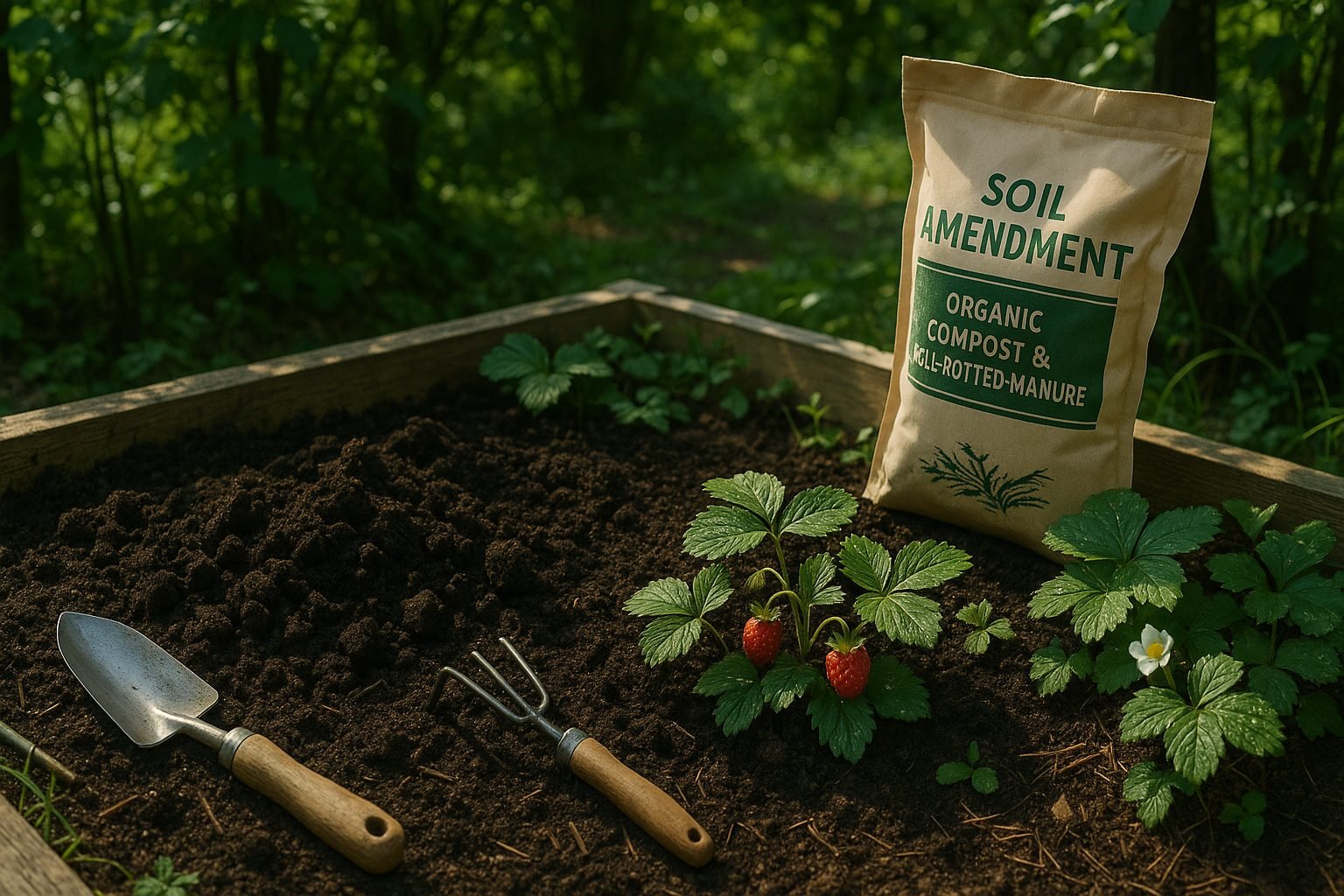
When it comes to growing strawberries in shade, knowing the difference between partial and full shade is crucial. In gardening terms, partial shade means an area receives three to six hours of direct sunlight daily, while full shade means less than three hours or only dappled sunlight throughout the day.
Strawberries are sun-loving plants, and their growth, fruit set, and berry sweetness depend heavily on light exposure. In partial shade, strawberries can still produce fruit, although yields may be lower, and the berries might be smaller and less sweet compared to those grown in full sun. Full shade, however, usually leads to leggy plants, poor flowering, and little to no fruit production.
Common sources of shade in a garden include overhanging tree branches, tall fences, the north side of a house, or shadows cast by neighboring buildings. For instance, a strawberry bed behind a garage may only get morning light, while rows near mature trees might receive dappled sunlight all day.
Understanding the type of shade in your garden helps set realistic expectations and lets you choose the best spot for your strawberry patch—maximizing both your harvest and berry quality.
Can Strawberries Tolerate Shade? What to Expect
Strawberries are sun-loving plants, and their growth and productivity noticeably decline when grown in shaded areas. When exposed to reduced sunlight, strawberry plants often stretch their stems and leaves in search of more light, resulting in “leggy” growth that weakens the plant and reduces yield. Both gardeners and researchers have observed that strawberries in shade typically produce fewer flowers, which means a smaller overall berry harvest.
The berries themselves tend to be smaller and less sweet compared to those ripened in full sun because insufficient sunlight limits the plant’s ability to generate sugars through photosynthesis. For instance, a University of Minnesota study found that strawberries grown in partial shade yielded up to 50% less fruit than those grown in full sunlight, with a more noticeable decline in flavor quality.
Besides reduced productivity, shade slows soil drying, causing foliage and fruit to stay damp longer after rain or watering. This increases the risk of fungal diseases like powdery mildew and gray mold. Home gardeners often report more problems with leaf spot, root rot, and slug damage in shaded beds, making regular plant inspection and good air circulation even more important.
On the upside, a bit of afternoon shade can sometimes protect strawberries in areas with intense summer heat, reducing stress and sunscald. However, if your garden spot receives less than six hours of direct sunlight daily, strawberries in shade will generally lag behind their sun-drenched counterparts in both size and quantity.
To improve your chances of success with strawberries in shade, consider choosing shade-tolerant varieties like the ‘Alexandria’ alpine strawberries. Space plants widely to promote airflow, and use mulch to manage soil moisture and help prevent disease. While growing strawberries in shade is possible, understanding their limitations will help you set realistic expectations and adapt your care routine for a healthier, albeit smaller, harvest.
Best Strawberry Varieties for Shady Spots
When growing strawberries in shade, choosing the right variety can make all the difference. Alpine strawberries (Fragaria vesca) are an excellent option, as they naturally thrive along woodland edges and tolerate less sunlight than traditional garden types. These small, intensely flavored berries are perfect for shady borders and containers, often producing fruit throughout the summer rather than all at once.
Everbearing strawberries, such as ‘Ozark Beauty’ and ‘Quinault,’ are another solid choice for partial shade. They yield two to three smaller harvests during the season and are known for their adaptability and resilience. Day-neutral strawberries like ‘Seascape’ and ‘Tristar’ are especially suited to variable light conditions, producing fruit consistently from late spring through fall, as long as temperatures stay moderate.
While these varieties may not produce the massive harvests seen in full sun, their reliable yield and manageable plant size make them ideal for less sunny gardens or patios. For the best results, source your shade-adapted seedlings or seeds from reputable nurseries such as Johnny’s Selected Seeds, Baker Creek Heirloom Seeds, or local garden centers specializing in fruit plants. When shopping, look for varieties specifically marketed as tolerant of partial shade or woodland environments. With a bit of research and careful selection, you can enjoy sweet, homegrown strawberries in the shadier parts of your yard.
Tips for Successfully Growing Strawberries in Shade
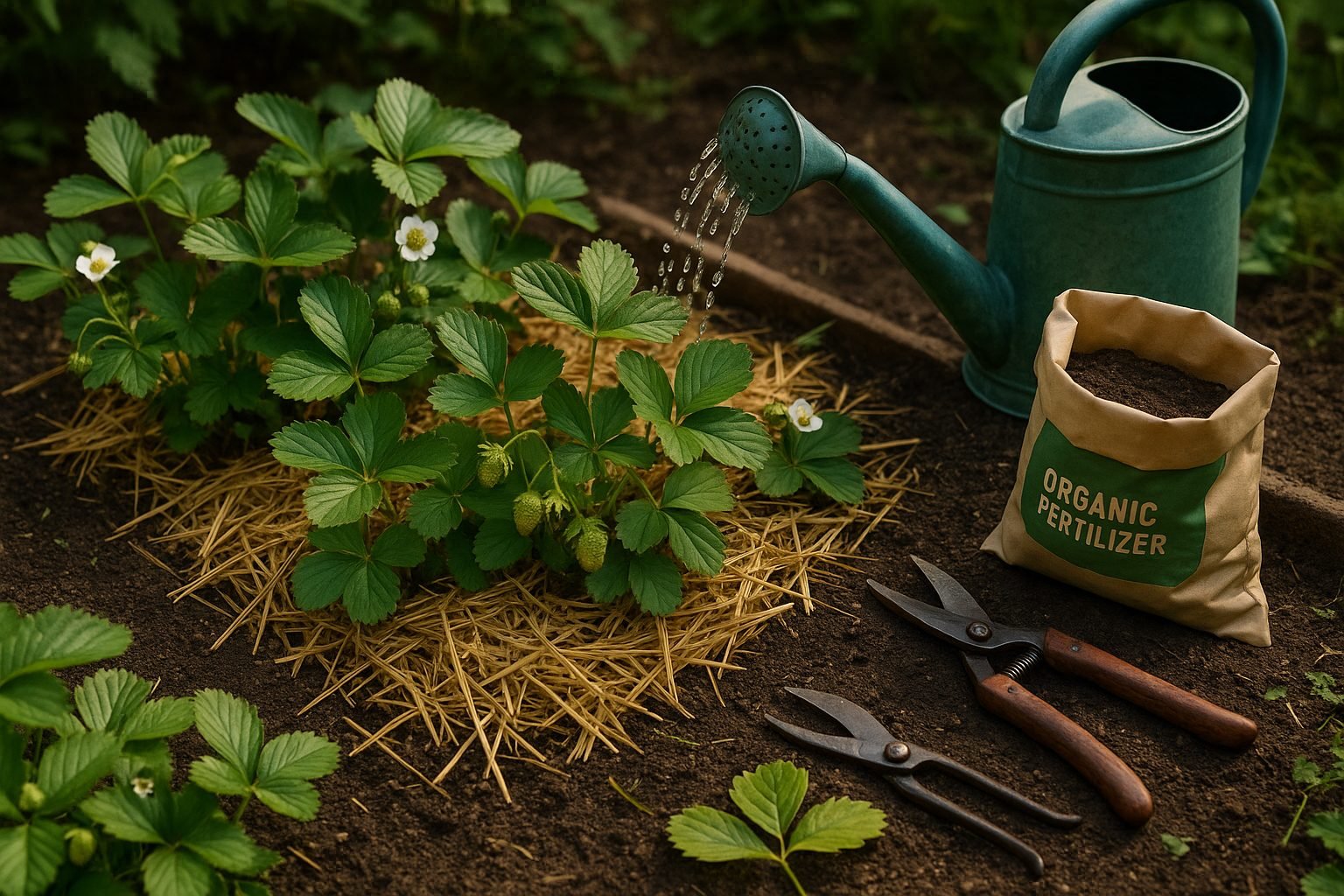
Growing strawberries in shade doesn’t mean you have to give up on a sweet harvest—success just requires a bit of planning and some smart adjustments. Start with rich, well-draining soil since shaded areas can often stay damp, which encourages disease. Mix in organic compost to boost fertility, and consider slightly raising your beds to improve moisture management and air circulation.
Mulching with straw or pine needles helps retain the right amount of moisture and keeps ripening fruit off the soil, reducing the risk of mold in shady, humid spots. For best results, plant your strawberries with extra space—about 18–24 inches apart—to ensure good airflow and make the most of the limited light reaching the area.
When watering, remember that strawberries in shade won’t dry out as quickly as those in full sun. Check soil moisture before watering, aiming to keep the soil consistently damp but never soggy. To maximize available light, try using reflective mulch (like silver plastic) around your plants. This can bounce sunlight onto the undersides of leaves and fruit, encouraging healthier growth and better ripening.
If your shade comes from a fence or neighboring plants, plant strawberries along the brightest edge where they can catch some filtered or morning light. Containers and raised beds are great options if your yard’s shade changes throughout the day, allowing you to move plants to sunnier spots or elevate them for more ambient light. You might also experiment with white-painted containers or placing reflective boards nearby to boost light in especially dim areas.
With these thoughtful strategies, you can turn even a modestly shaded corner into a reliable patch of delicious strawberries—proving that just a little sun and a lot of smart care can go a long way.
Common Challenges and How to Overcome Them
Growing strawberries in shade comes with its own set of challenges, but understanding these issues can help you maximize your harvest. One of the main problems is lower yields; strawberries naturally thrive in full sunlight, so less sun means fewer and smaller berries. This also affects sweetness, as the fruit’s signature flavor develops best under ample sunlight. Additionally, shaded areas tend to retain more moisture, creating ideal conditions for pests like slugs and diseases such as powdery mildew.
To tackle these issues, start by choosing strawberry varieties labeled disease-resistant—these are bred to withstand common problems even in less-than-ideal light. Improving airflow is also crucial; space your plants a bit farther apart than usual and thin them regularly to reduce humidity at the leaf level, which helps prevent mold and mildew. Installing row covers or fine mesh can keep slugs and insects at bay without the need for chemicals. Mulching with straw or pine needles is another great tactic, as it deters pests and prevents wet soil from splashing onto the leaves.
However, if you continue to see poor crops, dull-tasting berries, or persistent disease, it might be time to relocate your strawberries to a sunnier spot. Moving containers or setting up raised beds where they receive at least six hours of sunlight daily can significantly improve yield and flavor. For gardeners with limited sunny space, consider growing strawberries vertically or alongside sun-loving companion plants that can share your garden space efficiently.
Final Thoughts: Is Growing Strawberries in Shade Worth It?
Growing strawberries in shade definitely has its pros and cons. On the plus side, strawberries in shade are less likely to suffer from sun scorch, dry out quickly, or require constant watering—a real bonus for gardeners with busy schedules. Shade provides some protection from extreme heat and can help extend the life of your strawberry plants during hot summers.
However, there are trade-offs to consider. Strawberries grown in shade usually produce fewer and smaller berries, and their flavor can be noticeably less sweet compared to those grown in full sun. If you’re a casual gardener with limited sunny space—like an urban balcony or a shaded backyard—growing strawberries in shade can still be rewarding, especially if you’re gardening for fun or ornamental value.
More serious fruit growers or those hoping for bountiful harvests are better off reserving shady spots for crops that thrive without full sun. Regardless of which approach you take, don’t hesitate to experiment. Try a few plants in a partially shaded spot and see how they perform in your unique microclimate. Set realistic expectations, and you might be pleasantly surprised by what you can grow—even when conditions aren’t perfect.