Introduction
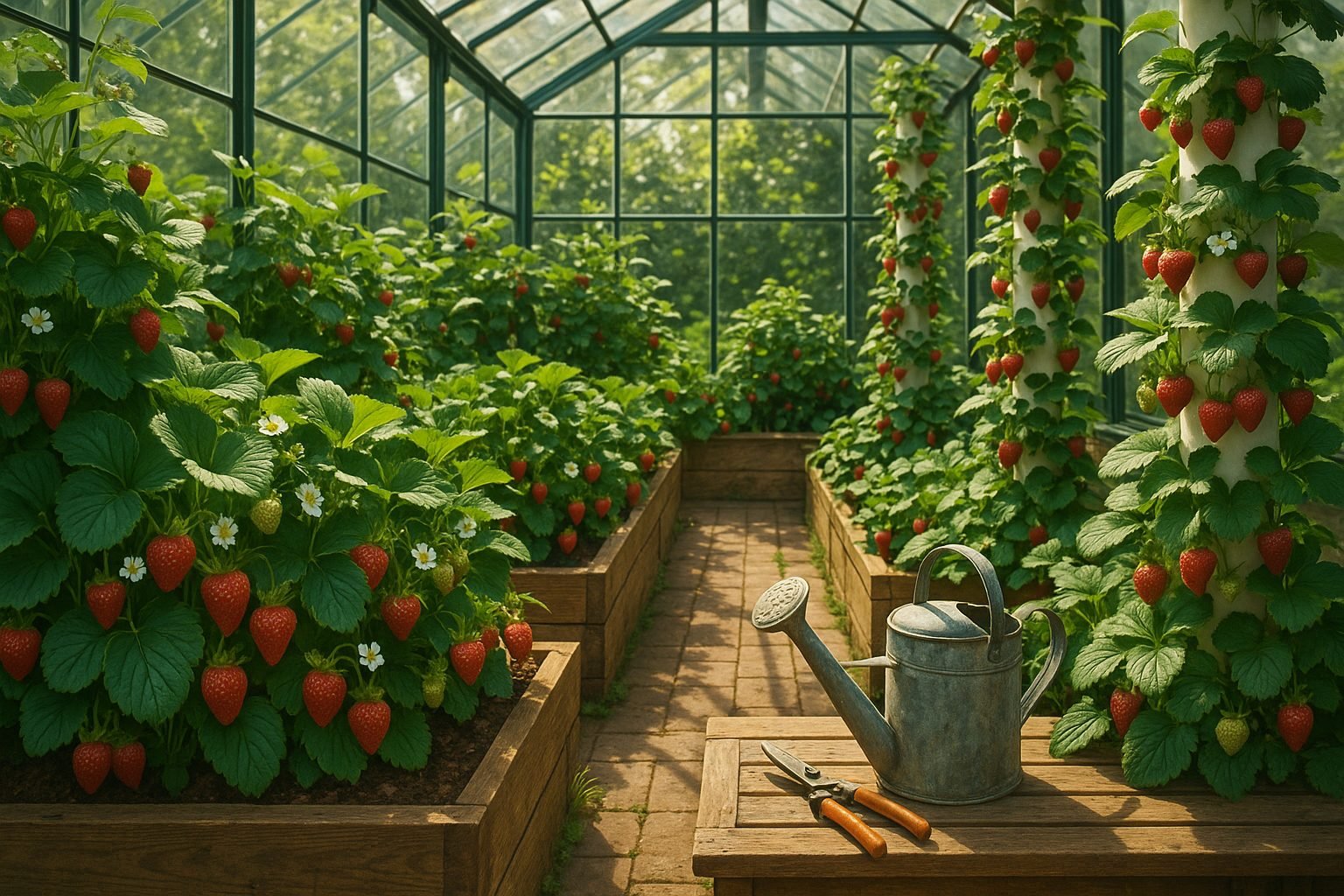
Greenhouse strawberries are quickly becoming a favorite among gardeners who crave sweet, homegrown fruit no matter the season. Unlike traditional outdoor beds, cultivating strawberries in a greenhouse or high tunnel means you can savor juicy berries for months longer—even when frost blankets the ground outside. This method doesn’t just stretch your harvest; it also shields your crop from frustrating pests, pounding rain, and unpredictable spring cold snaps.
Whether you’re a curious beginner, an enthusiastic hobbyist, or a seasoned grower looking to maximize yields, growing strawberries in a controlled environment offers unique rewards and plenty of room for experimentation. In this article, we’ll walk you through everything you need to know to successfully raise greenhouse strawberries—from selecting the best varieties to managing temperature and pollination.
You’ll get practical tips on watering, disease prevention, and harvesting, along with solutions to common pitfalls that might trip up even experienced gardeners. If you’re ready to enjoy fresh, flavorful strawberries almost year-round and want a harvest that’s as reliable as it is bountiful, you’re in the right place.
Let’s explore the ins and outs of growing strawberries in greenhouses and high tunnels—no matter your gardening skill level.
Choosing the Right Strawberry Varieties
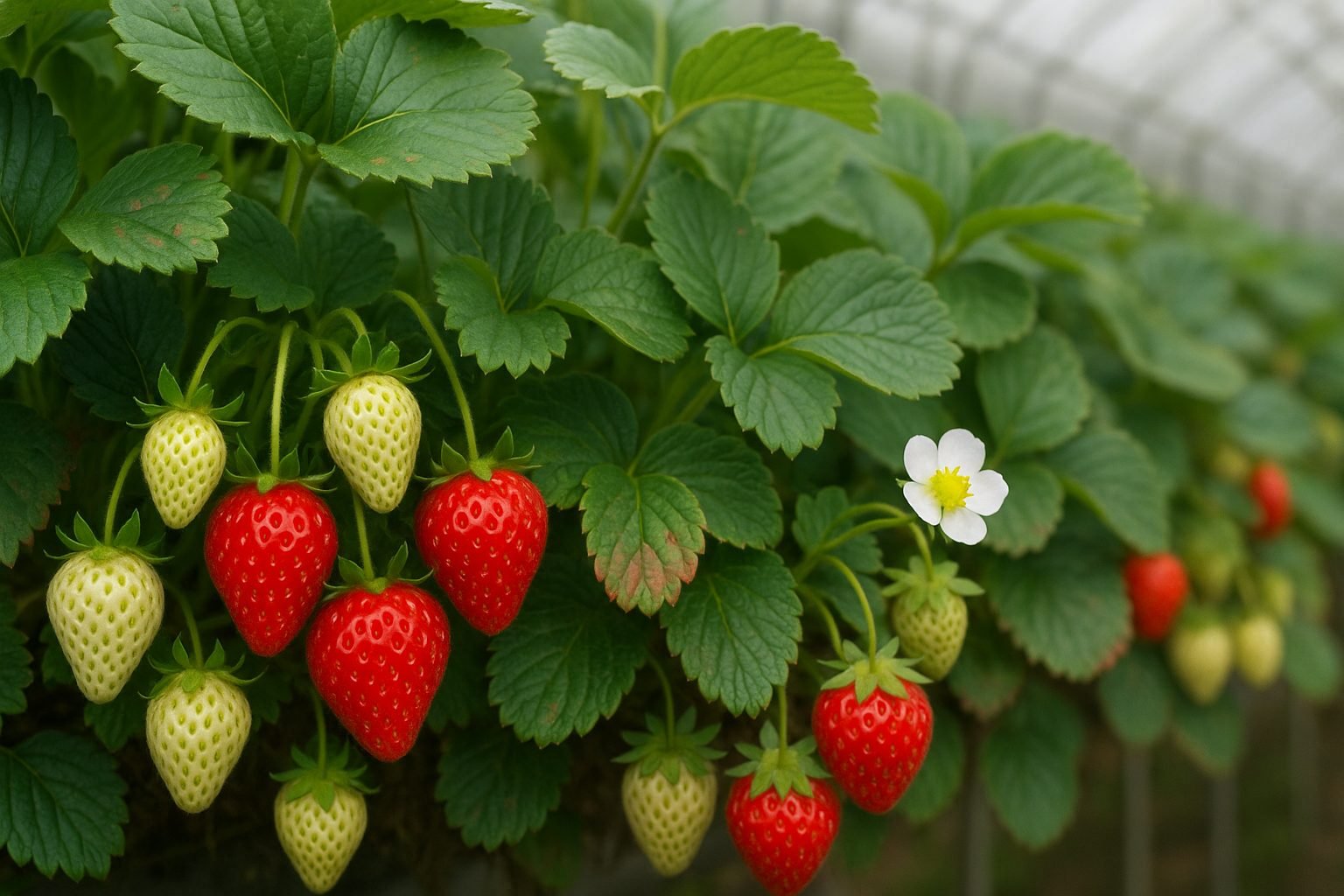
When it comes to growing strawberries in a greenhouse, selecting the right variety is key to a successful harvest. There are three main types of strawberries: June-bearing, everbearing, and day-neutral.
June-bearing varieties produce a single, large crop in late spring or early summer. They’re a solid choice if you want a high-yield harvest all at once, though they may require more space and aren’t ideal for continuous picking.
Everbearing types yield two smaller harvests—one in late spring and another in early fall—but may not be as productive as other options in a controlled environment.
Day-neutral varieties are often the favorite for greenhouse growers. They can produce fruit almost continuously given stable temperatures and light, making them perfect for maximizing your greenhouse’s output.
Popular Varieties
- Day-neutral: ‘Albion,’ ‘Seascape,’ and ‘Evie-2’ are well-suited for greenhouses thanks to their reliable yields, excellent flavor, and compact growth habits.
- June-bearers: ‘Chandler’ and ‘Camarosa’ are worth considering if you prefer this type.
- Everbearers: ‘Quinault’ can perform well under protection.
Choosing Traits to Consider
Look for traits such as disease resistance—particularly to common problems like powdery mildew or root rot—since greenhouse environments can foster rapid spread of pathogens. Flavor is also a key consideration; some high-yield varieties may sacrifice taste, so check reviews or try small batches if possible.
Lastly, factor in your goals: if you’re growing for family consumption, a few day-neutral plants might suffice. For market sales, opt for varieties known for both productivity and shelf life to keep customers happy.
By balancing flavor, yield, and disease resistance, you’ll set yourself up for a sweet and successful strawberry crop under glass.
Setting Up Your Greenhouse for Strawberries
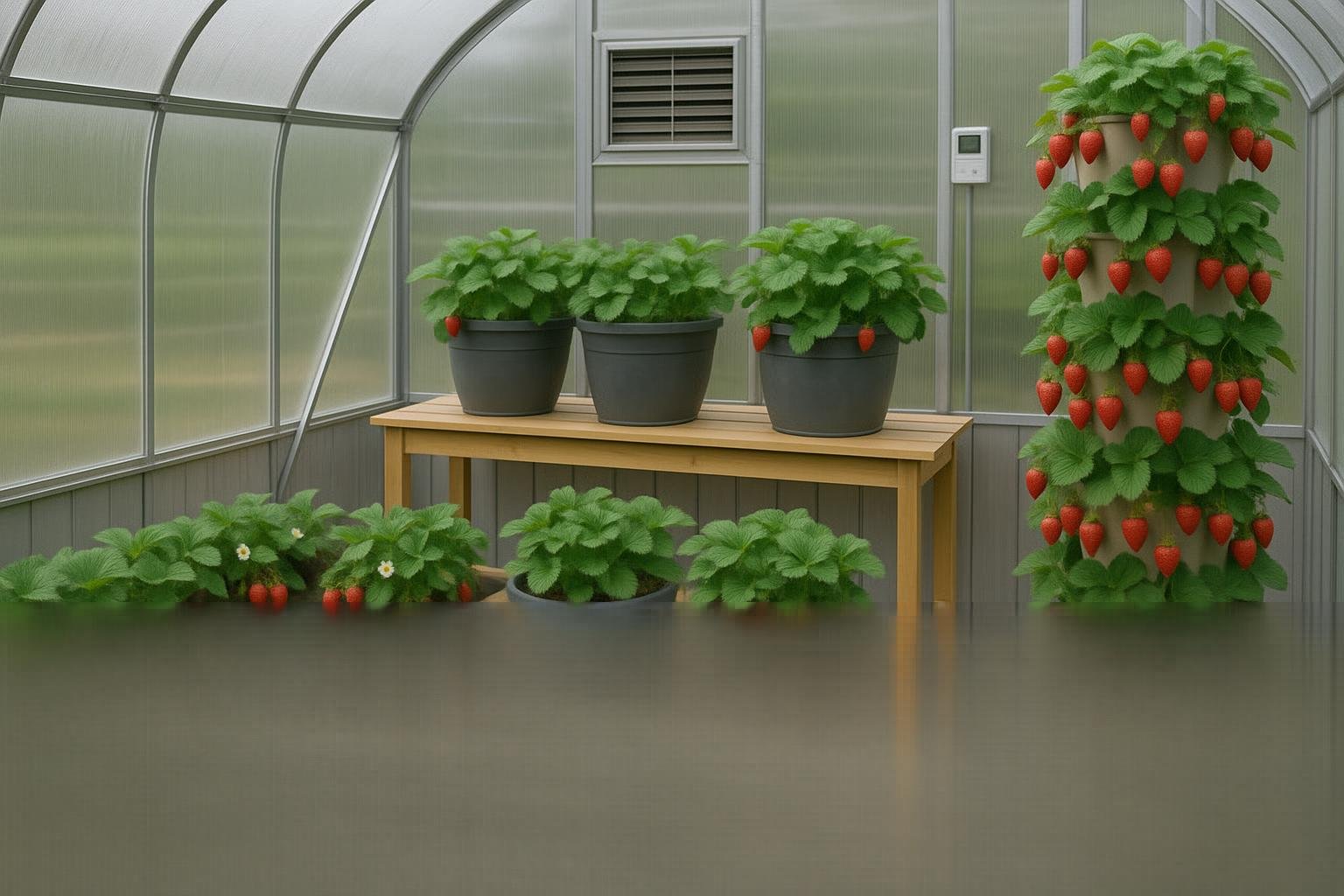
To create the ideal environment for greenhouse-grown strawberries, start by choosing a structure like a polytunnel or a glass greenhouse—both offer good insulation and light, but a glass greenhouse provides better year-round stability if your budget allows. No matter the type, precise environmental control is key: strawberries thrive in daytime temperatures between 60-77°F (16-25°C), so consider a thermostat to avoid heat spikes, especially in summer.
Good ventilation is critical to prevent fungal diseases, so equip your greenhouse with vents, fans, or even automated systems if possible. Humidity matters too; aim for 60-70% relative humidity, monitoring it with a simple hygrometer and adjusting by venting or misting as needed.
When it comes to layout, strawberries are flexible:
- Traditional raised beds are simple and productive.
- Large containers or pots allow easy repositioning and mobility.
- Vertical towers or wall-mounted pockets are great if you’re short on space—these systems can double your harvest per square foot.
- Hanging baskets are also popular, keeping berries off the ground and reducing pest issues.
For soil, strawberries prefer a well-draining mix rich in organic matter. If you’re using beds or large containers, blend equal parts quality garden soil, compost, and horticultural sand or perlite for looseness. For pots or towers, a high-quality, peat-free multipurpose potting mix works great—add in some slow-release organic fertilizer and a handful of worm castings or well-rotted manure for long-lasting nutrition.
Always avoid heavy, waterlogged soil, and consider refreshing your potting mix annually to keep disease at bay. Taking time on these setup steps ensures healthier plants and plenty of sweet, juicy strawberries all season long.
“`html
Planting Strawberries in the Greenhouse
The optimal time for planting strawberries in a greenhouse is late winter to early spring, typically from January to March, when the environment can be kept cool but frost-free.
To start, choose healthy runners (young offshoots from mature strawberry plants), as they establish more quickly and reliably than seeds, which require extra patience and care to germinate. If you prefer seeds, sow them indoors in seed trays a few months ahead of your intended planting date, since strawberry seeds can take several weeks to sprout.
Before planting, acclimatize young plants by gradually exposing them to the greenhouse conditions over the course of a week—start with a few hours in filtered light and slowly increase their exposure to full light and warmer temperatures. This helps avoid transplant shock.
For planting, space each strawberry plant about 12 to 15 inches apart in rows, leaving at least 18 inches between rows to allow for air circulation and easy access. When setting plants in the soil, ensure the crown—the point where leaves emerge—is level with the soil surface, not buried or exposed, to reduce the risk of rot.
Gently tease out the roots of runners, avoiding excessive handling to prevent stress. Water thoroughly after planting, but avoid waterlogging, as strawberries are sensitive to overly wet roots. Use high-quality, well-draining compost enriched with organic matter for best results.
As your greenhouse strawberries begin to grow, keep the environment well-ventilated and check regularly for pests or diseases. Maintaining cleanliness and promptly removing dead leaves helps prevent issues.
With this careful approach, you’ll set the stage for healthy, productive strawberry plants that can reward you with sweet fruit several weeks ahead of the usual outdoor harvest.
“`
Caring for Greenhouse Strawberries
Growing strawberries in a greenhouse lets you control key factors to boost both the health and productivity of your plants. Start with a consistent watering schedule—strawberries like moist but not soggy soil, so check soil moisture daily and use drip irrigation or a watering can to keep it evenly damp, especially during flowering and fruiting.
Good lighting is essential; aim for at least 8-10 hours of sunlight each day, or supplement with grow lights if days are short or your greenhouse is shaded.
Fertilize every two weeks with a balanced liquid fertilizer, but avoid over-fertilization, which can encourage leaf growth at the expense of fruit.
Lay down a layer of straw, pine needles, or biodegradable plastic mulch around the base of each plant to help retain moisture, reduce weeds, and keep ripening berries clean and mold-free.
To maximize yields, stay on top of pruning; trim away yellowing leaves and pinch off runners (long stems that try to root elsewhere) so the plant channels its energy into flowering and fruiting instead of spreading.
For the first few weeks after planting, remove early flowers from young plants to help strong root establishment, then allow subsequent blooms to develop into fruit. Regularly thinning excess flowers can also help ensure bigger, juicier berries, since the plant won’t be stretched too thin.
With the right attention to watering, lighting, feeding, mulching, and pruning, your greenhouse strawberries will provide sweet, plentiful harvests even when outdoor conditions are less than ideal.
Pest, Disease, and Problem Management
Managing pests, diseases, and common problems is essential for a thriving greenhouse strawberry crop. Among the most frequent pests are aphids and spider mites, both of which can be controlled using natural predators like ladybugs or predatory mites. You can also regularly spray plants with a dilute soap solution to help keep pest populations in check without resorting to harsh chemicals.
When it comes to disease, powdery mildew and botrytis (gray mold) are the main threats. Prevent these by ensuring good air circulation: avoid overcrowding plants and promptly remove dead leaves. Water strawberries at the base to keep foliage dry, and make sure humidity levels don’t stay too high, as these conditions encourage fungal growth.
For routine troubleshooting, if you notice poor growth, first check the temperature and light—strawberries need at least 8–10 hours of sunlight and temperatures between 60–75°F. Malformed fruit can be caused by inconsistent watering or poor pollination; try to keep soil consistently moist (but not soggy) and gently shake flowering plants to help distribute pollen if bees are absent.
Blossom drop often signals stress from extreme heat or a sudden drop in nighttime temperatures, so monitor your greenhouse climate and shield plants during temperature spikes or cold drafts. Regularly inspecting your strawberries and responding early to signs of trouble can prevent small issues from becoming bigger setbacks.
Harvesting and Enjoying Your Strawberries
You’ll know your strawberries are ready to pick when they turn a deep, uniform red and give off a sweet, fragrant aroma. Don’t wait too long, as overripe berries can spoil quickly or attract pests.
Gently grasp the stem just above the berry and pinch or snip it with scissors, being careful not to tug or tear the plant, which can damage future yields. To keep your strawberries fresh, harvest them during the cool morning hours and cool them as soon as possible. Since strawberries are delicate and bruise easily, place them in a single layer in shallow containers.
Avoid washing the berries until you’re ready to eat them, as extra moisture can lead to mold and shorten their shelf life. For immediate use, store unwashed berries in the refrigerator in a loosely covered container lined with paper towels to absorb excess moisture—this can extend their freshness by several days.
If you’ve picked more than you can eat, freeze whole strawberries on a baking sheet, then transfer them to a freezer bag for smoothies or desserts later. You can also try making simple strawberry jam or infusing water for a refreshing treat.
Homegrown strawberries are incredibly versatile: toss them with salads, bake them into muffins, or blend them into homemade ice cream. The possibilities are endless and always sweeter when fresh from your garden.
Conclusion
Growing strawberries in a greenhouse offers a range of rewards, from enjoying sweet, homegrown berries to the satisfaction of creating the perfect environment for your plants. With fewer pests and the freedom to experiment with different strawberry varieties and creative growing methods, each harvest becomes an enjoyable and fulfilling experience. Don’t hesitate to start your own strawberry adventure—whether you’re a beginner or an experienced gardener, there’s always something new to discover.
For extra guidance and inspiration, consider joining online gardening communities or exploring resources like the National Gardening Association forum, where you can connect with fellow enthusiasts and troubleshoot challenges together.