Introduction
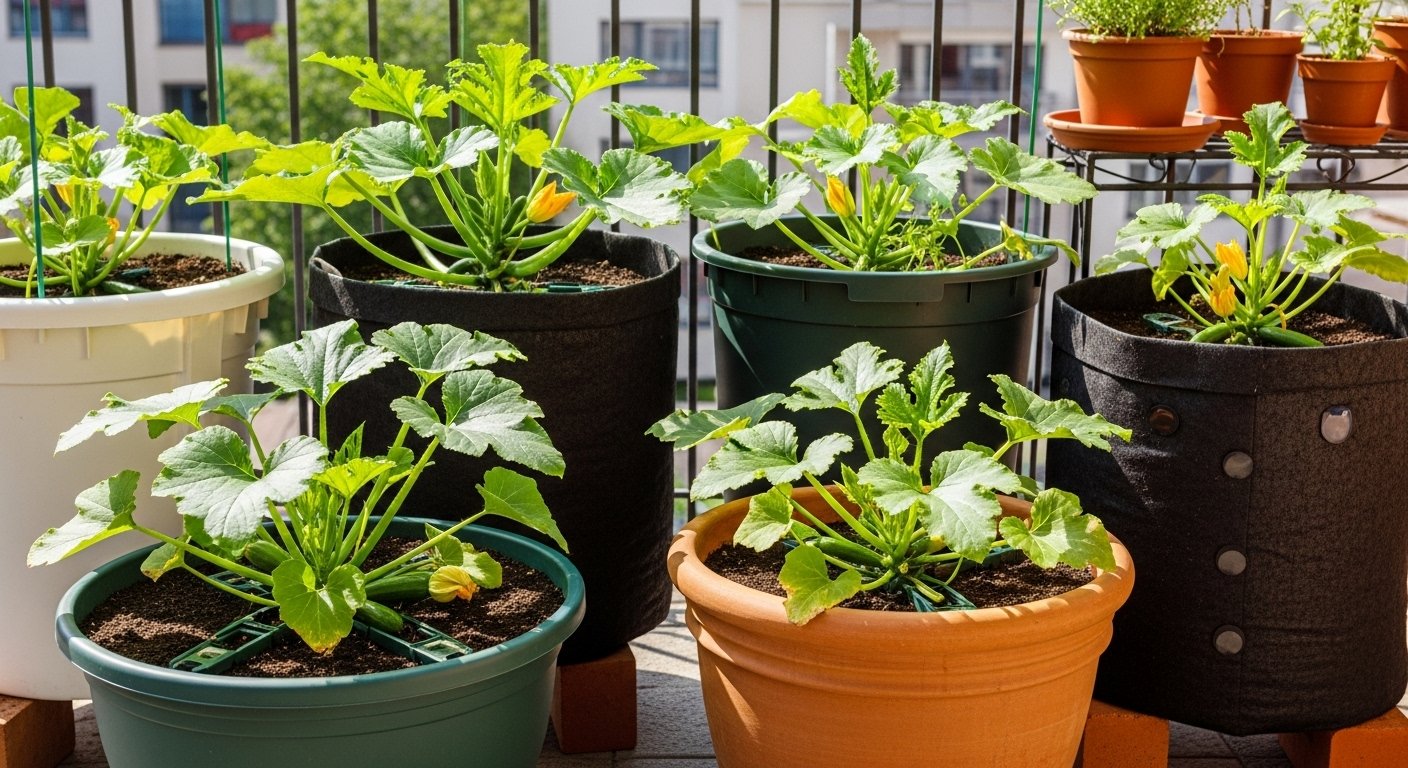
Self-watering zucchini is quickly becoming a favorite option for urban gardeners and anyone short on outdoor space. Growing zucchini in pots—especially with self-watering systems—allows you to enjoy a bountiful harvest even if you only have a patio, balcony, or small container garden.
The benefits are clear: you use less water, avoid wilted plants, and reduce the daily hassle of hand-watering. Plus, you can keep your zucchini out of reach of ground pests. Whether you’re a beginner or just looking to maximize your success, this guide covers the best self-watering systems for zucchini and provides straightforward steps to help your plants flourish.
With the right setup, you’ll be biting into homegrown zucchini in no time—no matter how small your available gardening space might be.
Best Container & Location for Zucchini
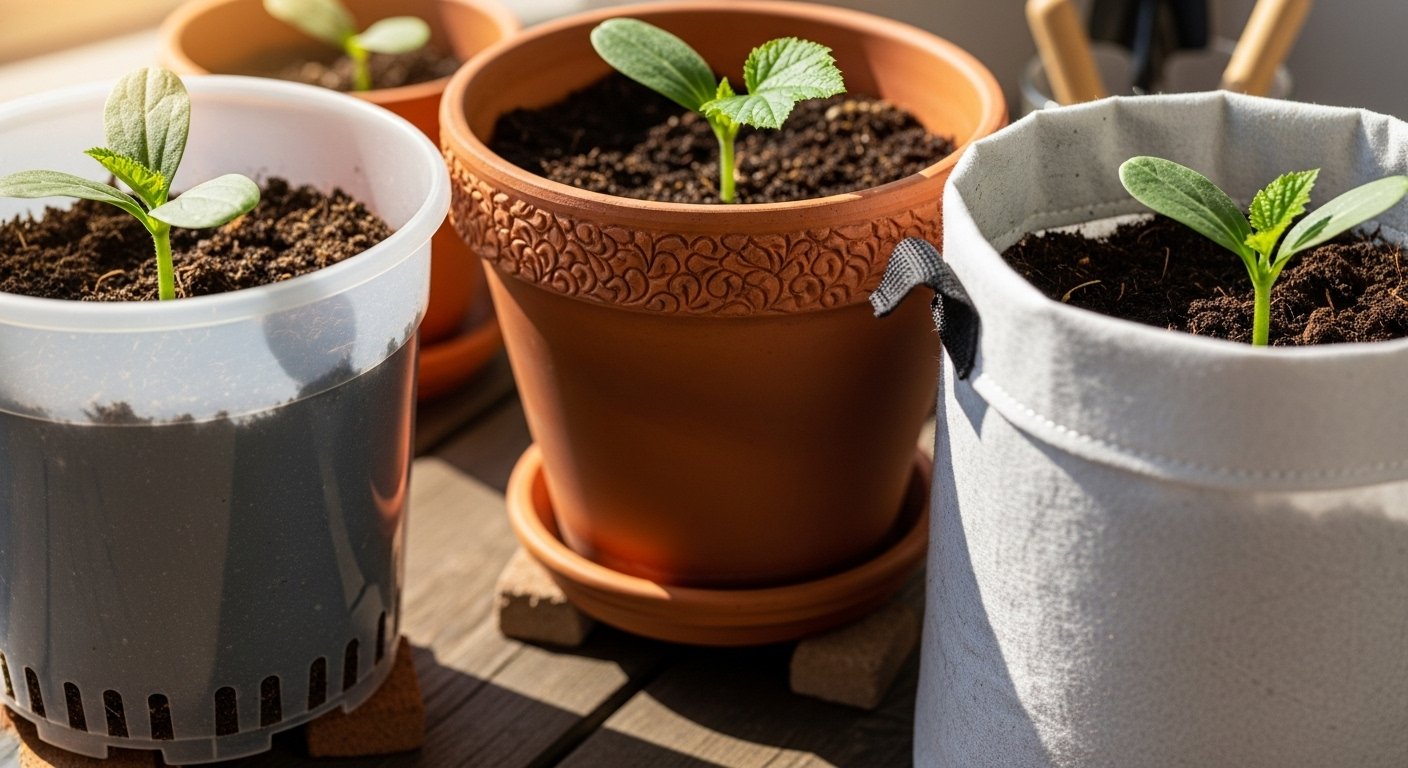
To grow healthy zucchini in containers, choose a pot that’s at least 24 inches wide and 12 inches deep to give the roots plenty of room to spread out. Make sure your container has multiple drainage holes—zucchini roots hate soggy conditions and are prone to rot if water sits at the bottom. Good drainage is non-negotiable!
For the best growth and highest yields, place your pot where it gets at least 6 to 8 hours of direct sunlight every day. Zucchini plants are sun lovers, and without sufficient light, they’ll become leggy and produce fewer fruits. If you’re gardening on a balcony or patio, monitor how the sunlight moves during the day and shift your pots as needed to capture those precious rays. South or west-facing spots usually work best.
When it comes to container materials, each has advantages:
- Plastic pots: Lightweight and retain moisture better, which is great for hot balconies.
- Clay pots: Look stylish and allow excess water to evaporate but dry out much faster—this means more frequent watering.
- Fabric grow bags: Their breathable design prevents both overheating and root rot but will need extra watering, especially in summer.
No matter which pot you use, elevating it slightly with pot feet or bricks helps drainage and lets excess water escape, keeping your zucchini thriving in any small-space garden.
Choosing the Right Zucchini Variety
When deciding which zucchini variety to grow in containers, it’s important to understand the difference between bush and vining types. Bush zucchini, such as ‘Raven,’ ‘Astia,’ and ‘Eight Ball,’ are compact and bred for small spaces, making them perfect for containers on patios or balconies.
Unlike vining varieties, which can sprawl several feet and require ample garden space and support structures, bush types stay contained and won’t overtake your pots or neighboring plants. Some of the best container-friendly varieties also offer added perks like disease resistance—look for options labeled with resistance to common issues like powdery mildew or mosaic virus, which can keep your plants healthier with less intervention.
‘Astia’ is a French hybrid developed specifically for pots and often produces high yields even in tight quarters, while ‘Eight Ball’ and ‘Round Zucchini’ types are both space-saving and delicious.
For best results, always source seeds or seedlings from reputable garden centers or seed catalogs to ensure they are disease-free and haven’t been stressed by poor storage or handling. Examining seedlings for vibrant green leaves and sturdy stems—rather than leggy or yellowing ones—will set you up for a successful growing season.
Remember, investing in compact, container-friendly zucchini varieties not only saves space but also makes plant care more manageable, rewarding you with a steady crop of fresh zucchinis right at your doorstep.
Planting Process & Potting Mix
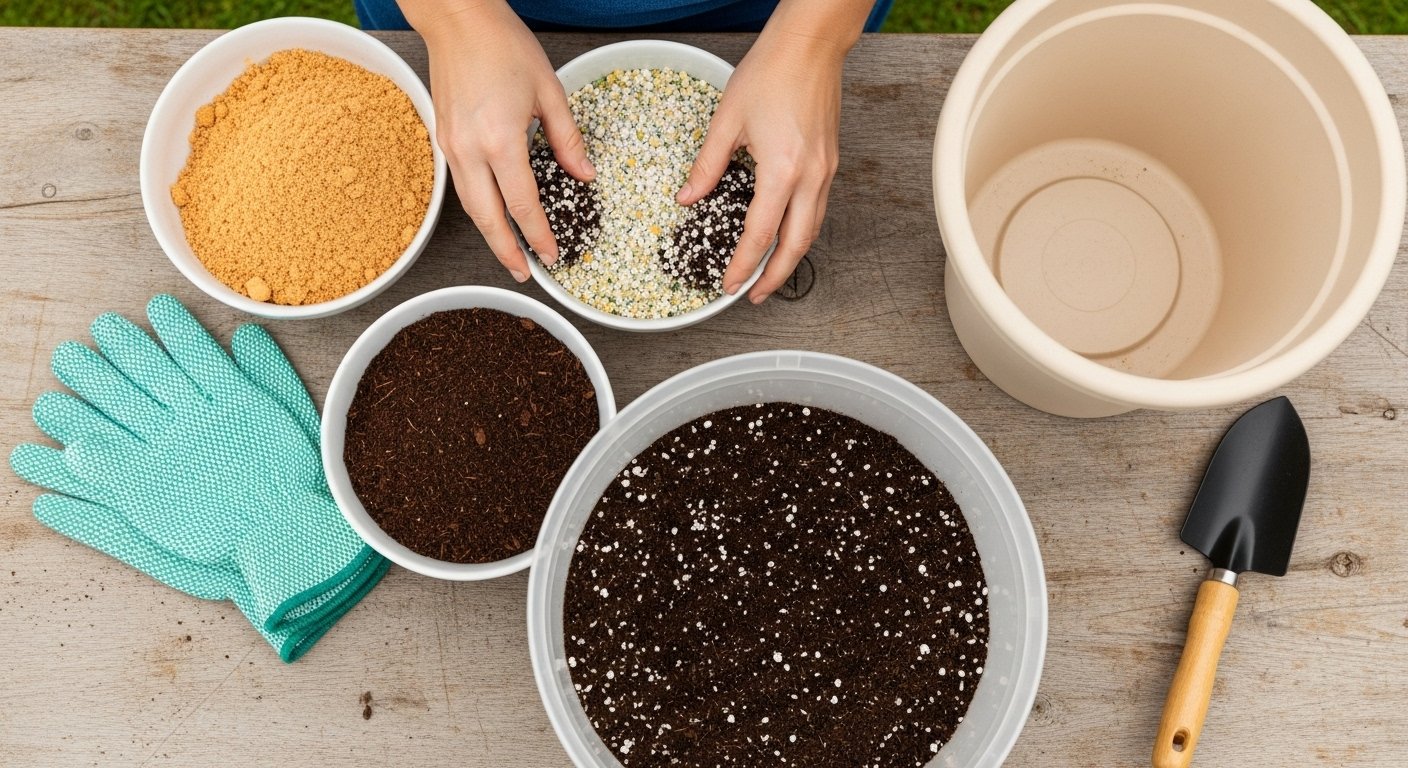
Starting your container garden begins with the right potting mix. Fill your pots with a high-quality, well-draining soil blend—look for mixes labeled “potting mix” rather than “garden soil,” as these are formulated to keep roots healthy in containers. If you’d like to make your own, mix equal parts peat moss (or coconut coir), perlite, and compost for nutrients and drainage.
When planting seeds, follow packet directions for depth; tiny seeds just need a dusting of soil, while larger ones (like peas or beans) usually go about 1 inch deep. Transplants, such as young tomato or lettuce plants, should be set at the same soil level as they were in their nursery pots.
For spacing, avoid crowding—check plant tags or seed packets, but as a rule of thumb, give leafy greens four to six inches, and larger plants like peppers or tomatoes at least one foot between each.
To boost pest control naturally, try companion planting: basil near tomatoes can deter aphids, and marigolds around veggies help keep nematodes at bay.
Timing is key; sow seeds indoors about 6–8 weeks before your last expected frost date for an early start, then transplant them outdoors after all danger of frost has passed. For direct outdoor sowing, wait until the soil warms up in spring, or follow recommendations on each seed packet.
Remember, proper spacing, good soil, and thoughtful plant partners can make a big difference in your garden’s success and help minimize common problems.
Watering, Feeding & General Care
Keeping your container-grown zucchini thriving starts with a simple watering routine: aim to check soil moisture every day, especially during the heat of summer. Stick a finger about an inch deep into the soil—if it feels dry, it’s time to water. Zucchini prefers consistent moisture, so give the plant a deep drink rather than a light sprinkle, ensuring excess water can drain away to prevent root rot. Early mornings are often the best time to water, as leaves and soil have the day to dry out, which helps prevent fungal issues.
For feeding, choose a balanced liquid vegetable fertilizer (such as 10-10-10 or 20-20-20) and apply it every two to three weeks once your plant is established and starts producing leaves. Be careful not to overdo it—too much fertilizer can lead to lots of leaves but fewer fruits, so always follow the package instructions.
Mulching is a simple yet powerful trick: add a 1-2 inch layer of organic mulch like straw or shredded bark around your plants. This helps keep the soil moist longer, reduces temperature swings, and blocks weeds that compete for nutrients and water.
Light pruning—removing damaged or yellowing leaves—can improve airflow and reduce disease risk. If your plant starts sprawling or feels top-heavy, gently stake the main stem with a bamboo cane or garden stake to support its growth and prevent stems from breaking.
With consistent routine care, you’ll be rewarded with robust, productive zucchini plants all season long.
Managing Pests & Diseases
When growing zucchini in pots, pests like squash bugs and aphids are common problems, but they can be managed with a few organic strategies. Check your plants often—squash bugs lay clusters of bronze eggs on the undersides of leaves, while aphids usually gather in sticky groups around new shoots.
To keep them in check, regularly inspect leaves and remove eggs or bugs by hand. A gentle spray with insecticidal soap or a homemade mix of water and a few drops of mild dish soap can help control aphids without harming your plants or soil.
Diseases such as powdery mildew or bacterial wilt appear as white powdery spots or sudden leaf wilting. Prevent these by not crowding pots together, ensuring good air circulation, and watering at soil level—wet leaves are more prone to trouble.
Remove dead leaves and plant debris from around the containers weekly, as pests and fungi often hide there. If you grow zucchini each year, try rotating pots to different locations on your balcony or patio. This helps disrupt disease cycles and improves overall plant health.
With these proactive steps, your container zucchini can thrive with fewer pest and disease headaches.
Harvesting & Preserving Your Zucchini
Knowing the right time to harvest zucchini is key for the best flavor and texture. Pick your zucchini when they are 6 to 8 inches long—larger fruits can become tough and seedy. Check your plants daily because zucchini grow quickly and can double in size overnight!
Use a sharp knife or garden shears to cut the stem about an inch above the fruit. This helps avoid damaging the plant and encourages more production throughout the season. Gently twisting or tugging can harm the vine, so always opt for clean cuts.
For storing fresh zucchini, place unwashed fruit in a perforated plastic bag in your refrigerator’s crisper drawer; they’ll last about a week.
Freezing Zucchini
If you end up with more than you can eat, try freezing:
- Slice the zucchini.
- Blanch in boiling water for two minutes.
- Cool in ice water.
- Dry before freezing in airtight bags.
Shredded zucchini is also great for baking—just squeeze out excess moisture and portion into freezer bags for future muffins or bread.
Other Preservation Ideas
For a savory way to preserve your harvest, consider quick pickling or incorporating extra zucchini into soups, casseroles, or stir-fries that freeze well. This way, you’ll enjoy your garden’s bounty long after summer ends.
Conclusion & Quick Tips
Growing zucchini in pots is a rewarding way to enjoy fresh, homegrown veggies, even if you have limited space. You’ll get the satisfaction of watching your plants thrive—plus, zucchini is a generous producer!
For the best results, pick zucchinis while they’re small. Frequent harvesting keeps the plant productive and ensures tender fruit. Make it a habit to check your plants daily for pests, flowers, and soil moisture.
Don’t forget to use a large pot and good-quality soil to support healthy roots. Give container gardening a try this season—you might be surprised at how easy and enjoyable it can be!