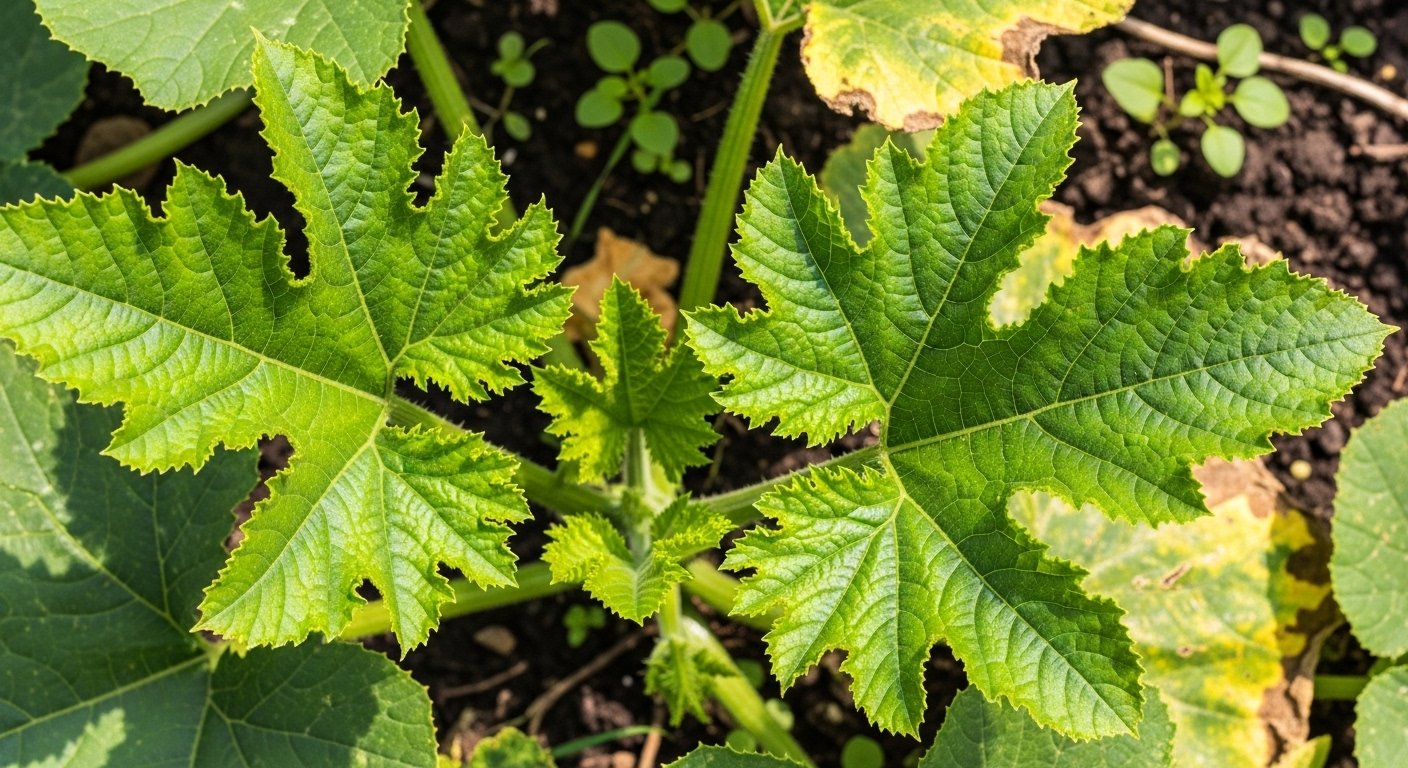
Identifying Curling Leaves in Squash Plants
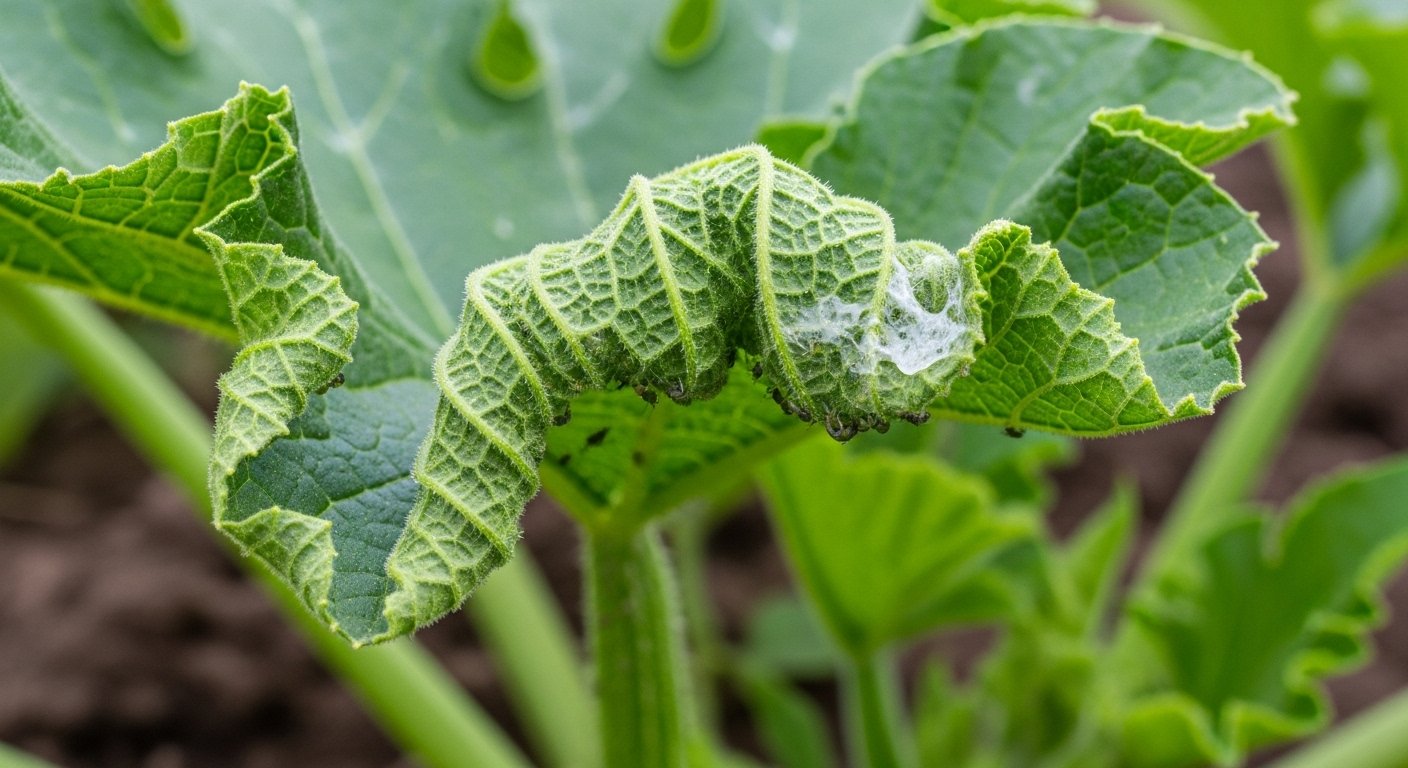
zucchini leaf curl is often an early warning sign that your squash plants need attention, and knowing what to look for makes all the difference. When inspecting your zucchini, you might notice leaves beginning to curl inward or outward along the edges, almost as if they’re shielding themselves from stress. Sometimes the leaf edges become wavy or tightly rolled, which can be accompanied by changes in color—like pale streaks, yellowing, or dark patches. In some cases, the entire leaf takes on a puckered, rumpled appearance, making the plant look unwell overall. These visual cues are easy to spot once you know they matter.
Leaf curling isn’t just a cosmetic issue; it often signals that your plant is coping with underlying stress. Whether it’s caused by inconsistent watering, pest infestations like aphids or whiteflies, or even viral infections, early intervention is critical to keeping your zucchini healthy. For instance, if you notice the curling is paired with sticky leaves or tiny moving dots, pests are likely to blame. Environmental factors, such as sudden swings in weather or poor soil quality, can also show up in the curls and folds of your squash leaves before other symptoms appear.
Besides curling itself, be on the lookout for additional warning signs:
- Wilting leaves, especially during cooler parts of the day, which point to possible root problems or water stress.
- Dark or light spots, powdery growth, or rapid discoloration, hinting at fungal or bacterial infections lurking beneath the surface.
- New growth that appears stunted or deformed alongside older, curling leaves.
- Leaf veins losing their typical green color, turning yellow or brown, which indicates nutrient deficiencies or disease.
By keeping a close eye on these early indicators, you’ll be better equipped to troubleshoot issues quickly and give your zucchini plants the care they need to thrive.
Major Causes of Leaf Curling (Environmental Factors)
Leaf curling in squash plants is often linked to environmental stress, with improper watering being the main culprit. Both underwatering and overwatering interfere with the plant’s ability to transport nutrients and maintain cell structure, leading to curling leaves as a visible distress signal.
When the soil becomes too dry, squash leaves curl inward to conserve water and reduce exposure, often becoming crispy at the edges. Conversely, overly soggy soil suffocates roots and promotes fungal growth, causing leaves to curl, turn yellow, and droop due to root stress.
If you notice curling, check soil moisture by feeling a few inches below the surface—water only when it feels dry but not cracked.
The Role of Weather
Weather plays a significant role in leaf curling. Intense heat triggers rapid evaporation, so leaves curl to protect themselves from scorching and to prevent further water loss. On windy days, even well-watered plants may struggle, as strong breezes evaporate moisture faster than roots can replenish it.
High humidity can sometimes help, but when it’s low—especially during heatwaves—leaves curl tightly to minimize water loss.
Sunlight Impact
Direct sunlight is essential for healthy squash plants, but too much can cause leaf scorch and curling, especially during midday when UV exposure peaks. On the flip side, insufficient sunlight weakens plants, resulting in pale, curled leaves that lack the energy to grow properly.
If you’re growing squash in containers or garden plots, consider moving your plants or using shade cloths during heat spikes. Also, prune nearby vegetation to ensure your squash receives at least six hours of gentle, direct sunlight daily.
Preventive Tips
- Regularly adjust your watering schedule based on soil moisture and weather conditions.
- Monitor daily weather reports to anticipate heat, wind, or humidity changes.
- Use shade cloths or relocate plants during extreme heat.
- Ensure squash plants get adequate sunlight without overexposure.
By paying attention to these environmental factors, you can catch and correct issues early, protecting your squash crop from lasting damage.
Pests and Disease: The Usual Suspects
Leaf curling in your garden often signals trouble, and insect pests are some of the most common culprits. Watch out for aphids—tiny green, black, or red insects that cluster on tender shoots and the undersides of leaves. They suck sap and leave behind sticky residue. Whiteflies, which look like small white moths, swarm in clouds when you brush past plants and can also cause leaves to curl, yellow, and wilt.
Squash bugs target cucurbits like zucchini and pumpkins; they pierce leaves and feed on their juices, causing silvering and curling, especially around the edges.
In addition to pests, several diseases can produce similar leaf symptoms. Viral infections like cucumber mosaic virus often cause sharply puckered, mottled leaves with distinctive yellow or white patterns. Fungal diseases, such as powdery mildew, leave a powdery coating and warped leaf edges. Bacterial infections tend to create water-soaked spots or irregular leaf curling, sometimes accompanied by an unpleasant smell.
To identify what you’re dealing with, closely examine your plants:
- If you spot visible insects, sticky honeydew, or black sooty mold, pests are likely the cause.
- If you see discolored patches, powdery or fuzzy growth, or precise leaf mottling, suspect a disease.
Environmental stress, like sudden drought or herbicide drift, can cause similar symptoms but usually affects the entire plant uniformly rather than in patches or specific areas. Check multiple leaves and plant sections to be sure, and whenever possible, compare your plants to photos or guides online before starting treatment. Early detection and accurately identifying the cause are key to effective, targeted management.
Nutritional Deficiencies and Soil Health
To grow healthy, productive squash plants, paying attention to nutrition and soil health is essential. Squash requires several key nutrients—especially nitrogen, potassium, and magnesium—to support vigorous growth and proper leaf development. When one of these nutrients is lacking, it quickly shows up in the plant’s appearance.
For instance, nitrogen deficiency can cause older leaves to yellow and curl, while poor potassium levels often lead to dry, scorched edges and puckered, curled leaves. Magnesium, important for chlorophyll production, when missing, results in yellow patches between veins and sometimes distorted leaf shapes.
If you suspect nutrient issues, the best first step is a soil test. Home testing kits are affordable and available at most garden centers, helping you pinpoint exactly what your soil needs—eliminating guesswork and reducing the risk of over-fertilizing.
Beyond nutrients, poor soil structure—such as compacted or poorly draining dirt—prevents roots from absorbing water and minerals efficiently, which can further stress plants and cause curling or wilting leaves. Similarly, an improper soil pH (squash prefers a slightly acidic to neutral range of 6.0–7.0) can lock away nutrients, making them inaccessible even if they’re present in the soil.
Regularly adding organic matter like compost improves both structure and nutrient availability, giving roots a better environment and more consistent food supply. In short, keeping squash leaves smooth and healthy starts with knowing what’s in your soil, correcting deficits, and building richness with organic amendments.
Checking leaves regularly and responding to early signs of nutrient stress will help prevent serious setbacks and keep your squash producing strong all season.
Effective Treatments and Practical Remedies
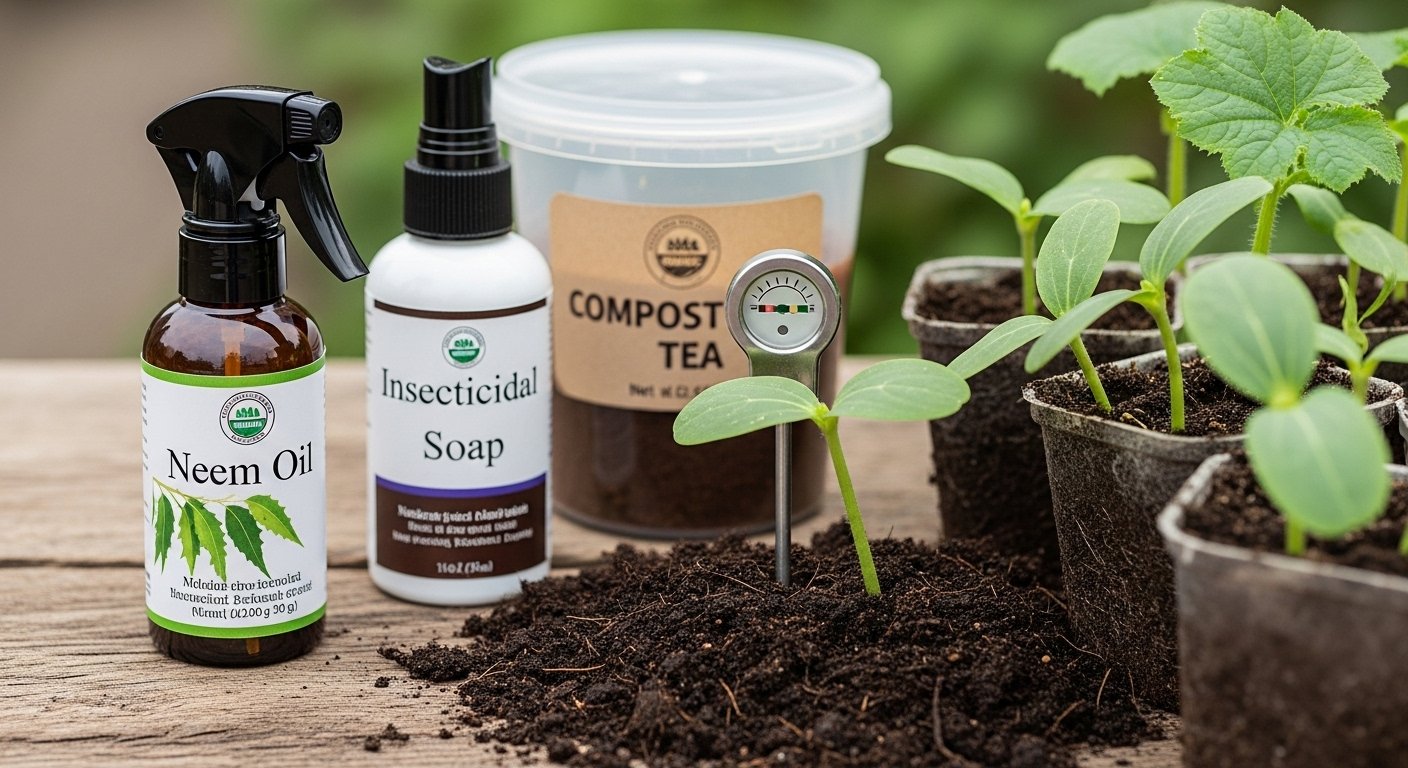
When treating common plant problems, start by diagnosing the main issue, as this guides your next steps. If overwatering is the culprit, let the soil dry out before watering again, and always check the soil’s moisture level with your finger or a moisture meter before adding more.
For underwatered plants, establish a regular, deep watering routine to reach the roots, and mulch around the base to retain moisture more efficiently.
If you notice pests like aphids or spider mites, try a gentle blast of water from a hose to remove them manually, or use organic remedies like neem oil sprays or insecticidal soap, being sure to cover the underside of leaves where pests often hide. For more persistent infestations, introduce beneficial insects such as ladybugs or lacewings to help keep pest populations in check naturally.
In cases of plant diseases like powdery mildew or root rot, remove infected leaves promptly to stop the spread, and avoid overhead watering to keep foliage dry. Make a simple homemade fungicide using baking soda and water, or apply a compost tea spray to boost plant immunity and beneficial microbes.
Feeding your plants with organic fertilizers or compost tea every few weeks helps maintain their health, while applying fresh compost or leaf mulch can improve soil structure and nutrient content over time.
As a long-term strategy, rotate crops annually to reduce the risk of recurring disease, and choose disease-resistant varieties when available. Keeping your garden tidy by removing plant debris and weeds not only deters pests but also helps air circulation, reducing problems before they start.
By responding quickly to immediate issues and sticking to these natural, preventive care routines, you’ll help your plants recover and thrive season after season.
Preventive Care to Keep Squash Leaves Healthy
Keeping squash leaves healthy starts with a proactive approach to daily and seasonal care. Establish a consistent watering schedule, aiming to keep the soil evenly moist but never waterlogged. Early morning watering is ideal, allowing leaves to dry during the day and reducing the risk of fungal diseases.
Feed your plants regularly with a balanced fertilizer, following product instructions carefully to avoid over-fertilizing, which can stress the plants. Always rotate your crops each year—don’t plant squash or related vegetables in the same spot for at least two seasons, as this discourages the build-up of soilborne pests and diseases.
Practice good garden sanitation by removing weeds and clearing away dead leaves or plant debris, which can harbor harmful fungi or insects. As each season turns, layer mulch around your plants to conserve moisture, suppress weeds, and help regulate soil temperature. Before planting, work in organic matter such as compost to boost soil health and drainage.
Pruning overcrowded or unhealthy leaves can help improve air circulation and prevent problems from spreading. Early and regular monitoring is key: inspect leaves weekly for spots, yellowing, or insects, and act immediately at the first sign of trouble—whether by hand-picking pests, removing infected leaves, or applying approved treatments.
By combining these best practices, you’ll support strong, resilient squash plants and enjoy a flourishing harvest throughout the season.
When to Worry: Curling Leaves vs. Normal Growth
It’s completely normal to notice some leaves on your plants curling, and most of the time, it’s nothing to worry about. Many plants, especially new growth or certain species like tomatoes and peppers, naturally have a bit of leaf curl as they adapt to changes in light, temperature, or humidity.
For example, leaves might slightly curl up during hot afternoons to conserve water or twist a bit after watering as they adjust. This kind of minor, cosmetic curling doesn’t harm your plant and usually resolves on its own.
However, if you notice the curling is persistent, spreading to many leaves, or combined with other symptoms like yellowing, brown spots, stunted growth, or a sticky coating, it could signal issues like pests, disease, or nutrient deficiencies.
In these cases, especially if correcting watering habits or moving the plant doesn’t help, it’s a good idea to seek expert advice—either from a local plant nursery or gardening extension. Catching problems early can save your plant, but remember, a few curled leaves aren’t usually a death sentence. Keep an eye on changes, and trust your judgment; healthy plants often have a few imperfect leaves.