Introduction
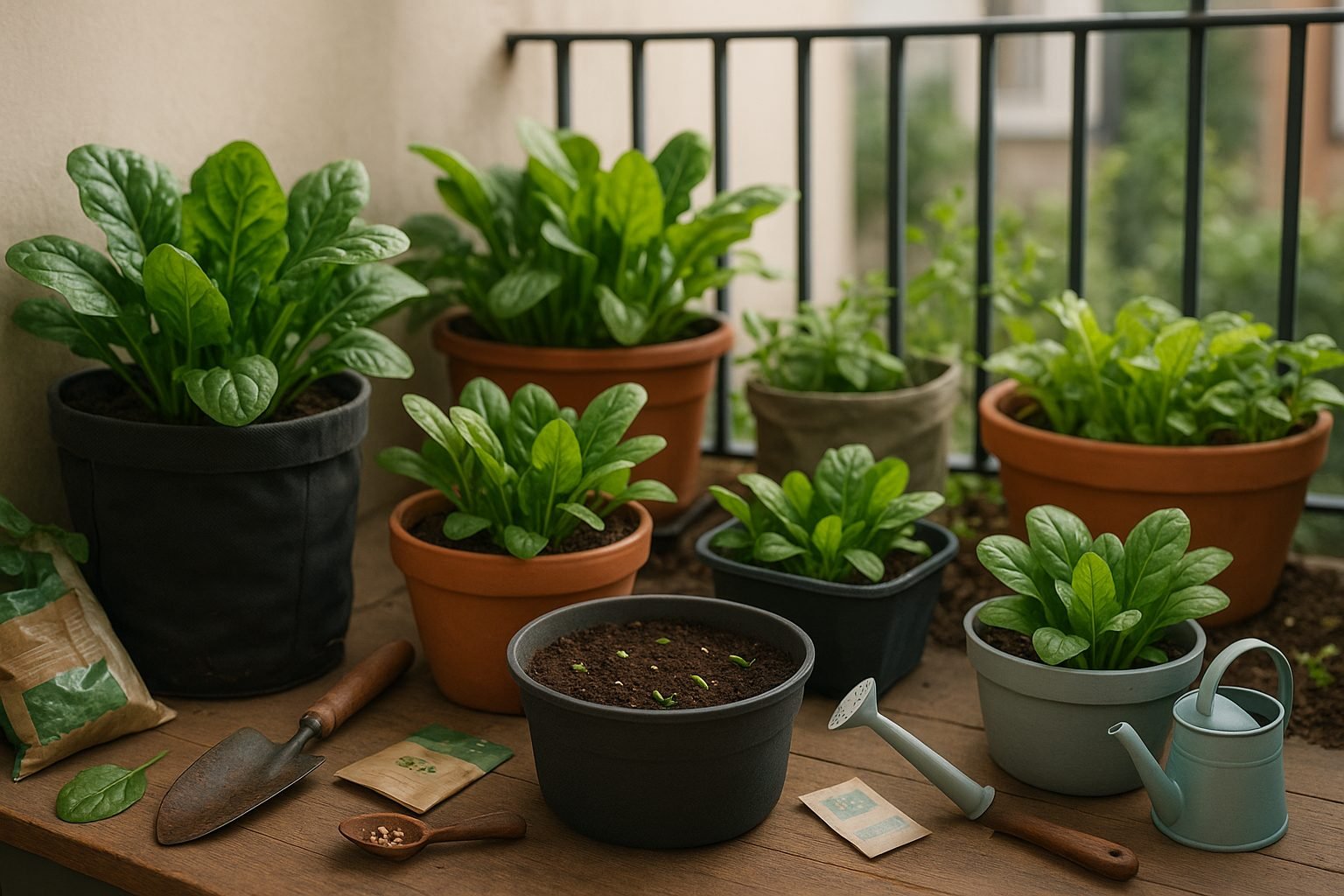
spinach in containers is a game-changer for space-conscious growers, urban gardeners, and those just starting out with home gardening. Growing this leafy green in pots gives you the freedom to harvest fresh, nutrient-rich leaves right from your balcony, patio, or even a sunny windowsill—no big backyard required.
Container gardening lets you control soil quality, avoid many common pests, and keep your crops within easy reach for daily meal prep. This guide is tailor-made for anyone with limited space or little gardening experience, showing you how simple and rewarding it can be to cultivate spinach in containers.
We’ll break down what you need to get started, including choosing the best pot size and soil mix, finding the ideal spot for your containers, and sharing watering and feeding tips that ensure a lush, thriving spinach crop. Plus, you’ll discover solutions for common issues like bolting or leggy seedlings, helping you avoid common mistakes.
Whether you’re converting a fire escape into a mini garden or just want to maximize your harvest indoors, this post will equip you with practical, step-by-step advice for growing spinach in containers successfully.
Choosing the Right Container and Location
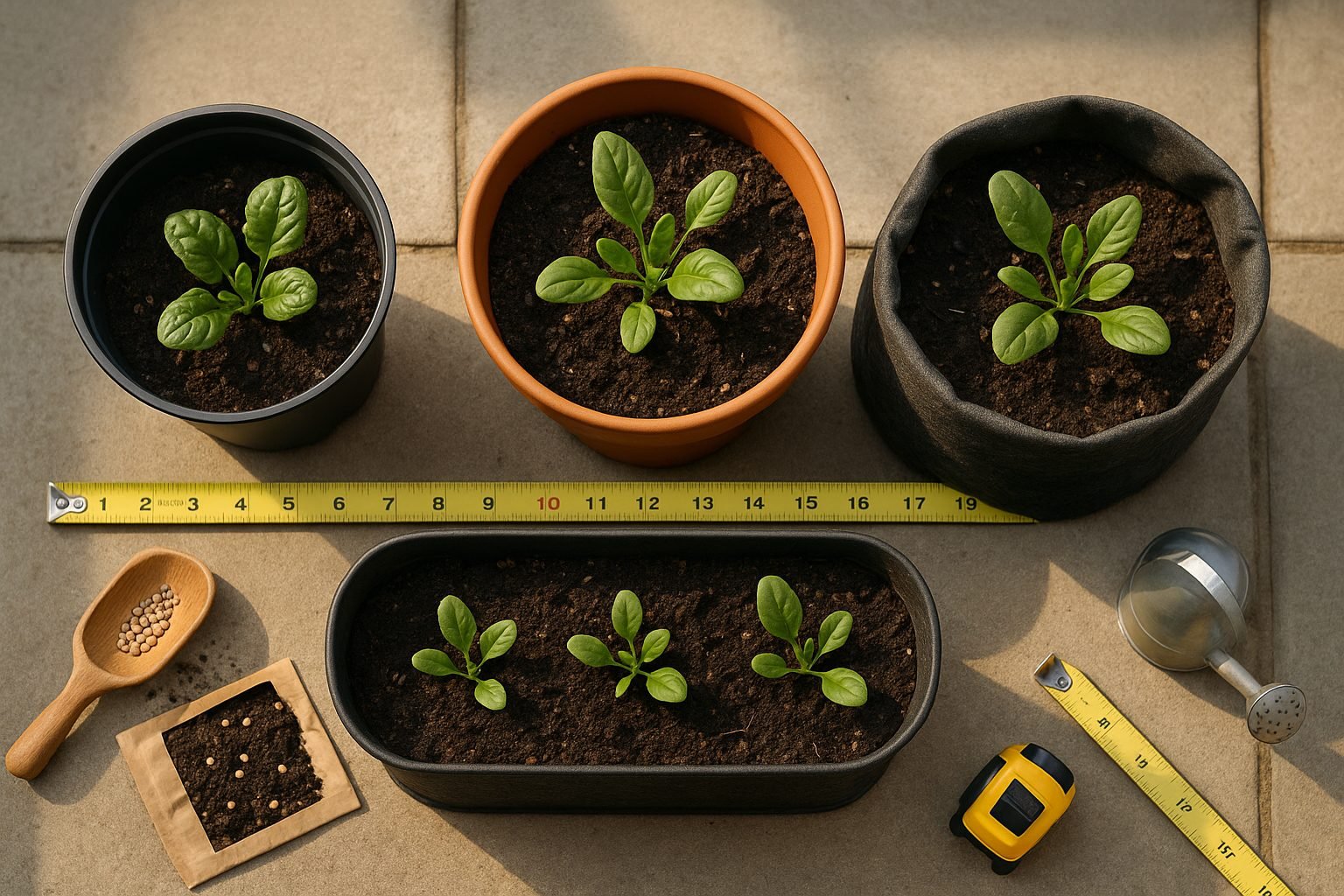
When growing spinach in containers, selecting the right size and material is crucial for success. Aim for a container that is at least 6-8 inches deep to accommodate spinach’s root system; a width of 12 inches or more is ideal if you want to plant several seeds together.
As for material, consider the following options:
- Plastic containers: Lightweight, affordable, and retain moisture well, making them a practical choice for beginners.
- Ceramic pots: Offer stability and can be attractive on patios, but they are heavier and may dry out more quickly.
- Fabric grow bags: Provide excellent drainage and aeration for roots, which helps prevent issues like root rot, though they may require more frequent watering.
No matter the container, ensure it has several drainage holes at the bottom—without adequate drainage, waterlogged soil can quickly lead to root rot and kill your crop.
When choosing a planting location, keep in mind that spinach thrives with 4-6 hours of sunlight per day, preferring some afternoon shade in hotter climates to prevent bolting. If growing indoors, place your container near a bright, south-facing window or supplement with a grow light. Outdoors, an east-facing balcony or partially shaded patio works well, especially as the season warms up. Regularly rotating containers can also ensure even light exposure and healthier growth.
Prioritizing the right container and location sets the foundation for a robust spinach harvest, whether you’re working with a spacious backyard or a cozy apartment balcony.
Selecting Soil and Preparing for Planting
Choosing the right soil is crucial for healthy container plants. It’s best to start with a high-quality, well-draining potting mix rather than garden soil, which often compacts and limits root growth. Look for a mix labeled specifically for containers, as these are designed to stay loose, retain the necessary moisture, and allow excess water to drain easily—essential for preventing root rot.
Boost your plant’s nutrition and soil structure by blending in a few handfuls of organic matter, such as well-rotted compost or worm castings. These natural amendments improve both aeration and fertility, giving roots easy access to nutrients and creating an ideal environment for beneficial microbes.
Before planting, pre-moisten your potting mix in a bucket or wheelbarrow. This simple step ensures the soil is evenly damp and ready to support tender new roots, rather than pulling moisture away from them.
Next, check your container for proper drainage holes—if water can’t escape, your plants’ roots may drown. You can add a layer of gravel or broken pottery at the bottom for extra drainage support, though most modern mixes make this optional.
Once your potting mix is moistened and in place, gently press it down with your fingers to remove air pockets, but avoid packing it too tightly. Roots grow best when they can breathe.
Paying attention to these soil and pre-planting details sets the stage for thriving, stress-free plants, whether you’re growing colorful flowers, fresh herbs, or robust veggies on your balcony or patio.
How to Plant Spinach in Pots
Growing spinach in pots is a great way to enjoy fresh greens—even if you have limited space. Start by choosing a container that’s at least 6–8 inches deep with good drainage holes.
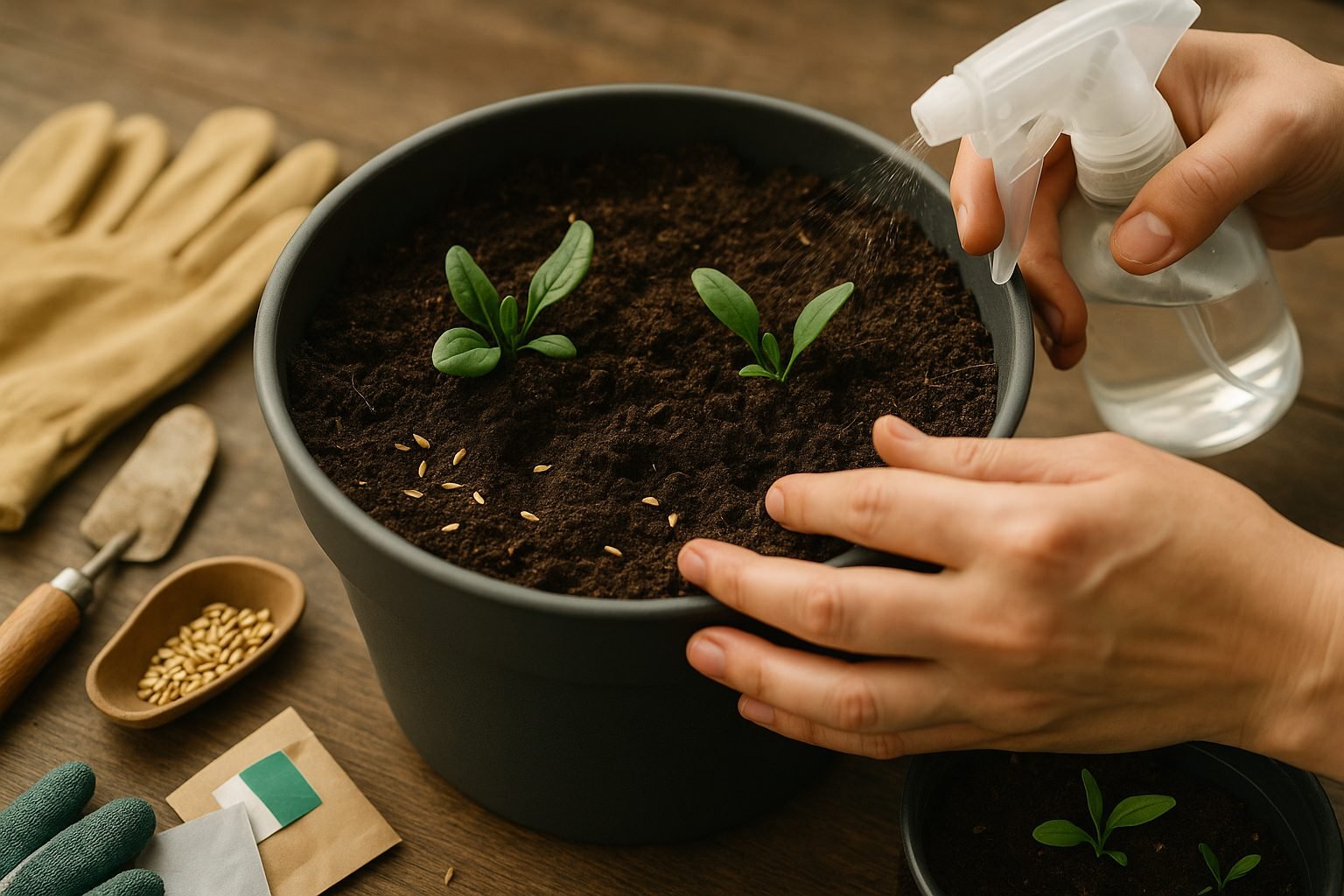
For sowing seeds, fill your pot with quality potting mix and water it lightly. Plant spinach seeds about half an inch deep and space them an inch apart in all directions—this ensures each plant gets enough room to develop. If you’re using seedlings, gently tease them from their trays and set them into the soil at the same depth they were growing previously, keeping plants 3–4 inches apart.
After sowing, cover the seeds loosely with soil and mist them to keep the surface moist but not soggy. As the seedlings sprout and reach about two inches tall, thin them so the strongest plants are left about three inches apart—this prevents crowding and promotes stronger leaves.
Spinach grows best in cool weather, so sow seeds directly in early spring or late summer to avoid summer heat, which can cause the plants to bolt and turn bitter. Place your pots in a spot with at least four hours of sunlight per day, and keep the soil consistently moist but not waterlogged.
For an ongoing supply, try sowing a small batch of seeds every three weeks. This way, you’ll enjoy a steady, fresh harvest on your windowsill or balcony—with minimal fuss.
Caring for Your Container Spinach
Maintaining healthy container spinach starts with a mindful watering routine. Aim to keep the soil consistently moist but not waterlogged—typically, watering every two to three days is ideal, though frequency may increase during hot, dry spells. Check the soil with your finger; the top inch should feel damp but not soggy.
Signs of over-watering include yellowing, limp leaves and a lingering musty smell, while under-watered spinach often wilts and develops brittle edges.
For light, spinach thrives best with about 4–6 hours of bright, indirect sun per day. In cooler climates, position pots in the sunniest spot available, such as a south-facing patio or balcony. During summer or in very warm regions, provide partial shade during the afternoon to prevent overheating.
Fertilize your container spinach every 2–3 weeks using a balanced, water-soluble fertilizer (such as a 10-10-10 or 20-20-20 blend), or opt for organic alternatives like fish emulsion or compost tea to avoid chemical build-up in small pots.
Temperature plays a key role: spinach prefers cool weather, ideally between 45–75°F (7–24°C). To shield plants from sudden heatwaves, move the containers to a shadier spot, mulch the soil surface, or use light garden fabric as a cover.
Regular monitoring helps you react quickly to changing conditions—keep an eye out for drooping during heat, and always adjust water, light, and nutrition to your spinach’s real-time needs for a lush, prolific harvest.
Common Problems and How to Fix Them
Container spinach, while convenient and fresh, often attracts a few common pests and diseases that every gardener should watch for.
Aphids are tiny green insects that gather on the undersides of leaves, sucking sap and leaving plants weak and sticky. Spray affected areas with a gentle solution of water and mild soap, or release ladybugs to control them naturally.
Leaf miners leave winding trails inside leaves as their larvae tunnel through the tissue. Simply remove and dispose of affected leaves to stop the spread, and cover plants with lightweight row covers to prevent further egg-laying.
Downy mildew appears as yellow patches and fuzzy growth on the underside of leaves, especially in humid conditions. Improve air circulation by spacing plants properly, watering in the morning, and removing infected leaves at the first sign to limit the disease.
If you notice general yellowing and poor growth that isn’t tied to pests, check for overwatering or nutrient-poor soil. Spinach prefers consistently moist but never soggy soil, and a diluted seaweed fertilizer can give tired plants a gentle boost.
Vigilant gardeners who inspect leaves every few days, remove debris, and water carefully often avoid most issues before they take hold. Early action is key: at the first sign of unhealthy leaves or pests, respond quickly with these natural fixes to keep your container spinach thriving all season long.
Harvesting Spinach and Succession Planting
To get the best flavor and maximum yield from your spinach, harvest the leaves early in the morning when they’re crisp and full of moisture. Wait until the plants have at least five or six healthy leaves, then use sharp scissors or garden shears to cut the outer leaves about an inch above the crown, leaving the smaller, younger leaves to keep growing.
Regular picking every few days encourages fresh growth and prolongs the harvest window. For a steady supply of tender spinach, try succession planting—sow small batches of seeds every two to three weeks throughout the season rather than planting them all at once. This way, you’ll always have new leaves ready just as older plants start to bolt or decline, reducing gaps in your greens supply.
After harvesting, rinse spinach gently to remove dirt and store it in a breathable produce bag in the fridge, where it can stay fresh for up to a week. For the best taste and nutrition, use spinach quickly in salads, smoothies, or sautéed dishes. If you have a big haul, blanch and freeze the leaves to preserve their flavor and nutrients for later recipes.
Conclusion
Growing spinach in containers is a simple and rewarding way to add fresh, nutritious greens to your meals—even if you only have a small balcony or windowsill. With just a pot, some good soil, and regular watering, you’ll be amazed at how quickly spinach thrives. Plus, it’s satisfying to harvest leaves straight from your own mini garden!
Don’t be afraid to give it a try—everyone starts somewhere, and spinach is a perfect beginner plant. If you have any tips, questions, or stories about your own container gardening journey, please share them in the comments below.